Leukemia treatment: Modern therapies and treatment options
- Risk factors and causes
- Symptoms
- Diagnosis
- Leukemia treatment methods
- Leukemia treatment at Helios hospitals
Leukemia is a malignant disease of the blood-forming system that develops primarily in the bone marrow — the tissue where blood cells are produced. Under normal conditions, hematopoietic stem cells develop into red blood cells, platelets, and different types of white blood cells, each of which performs a specific function in the body.
In leukemia, changes occur in one of the precursor cells, disrupting its normal maturation and division. The abnormal cells begin to multiply uncontrollably and gradually interfere with healthy blood formation. As a result, the number of normal red blood cells, platelets, and functional white blood cells may decrease, leading to anemia, an increased tendency to bleed, and a greater susceptibility to infections.
Depending on the type of cells affected, leukemia is classified as myeloid or lymphoid, and according to its clinical course as acute or chronic. Acute forms usually progress rapidly and require prompt treatment, whereas chronic leukemias may develop much more slowly. The exact cause of the disease cannot always be identified, although certain factors are known to increase the risk of developing leukemia.
Risk factors and causes of leukemia
Leukemia develops as a result of changes in the genetic material of blood-forming cells that disrupt their normal maturation, division, and natural cell death. In most cases, these changes are acquired during a person’s lifetime and are not inherited. Often, it is not possible to identify a specific cause of the disease in an individual patient.
Certain factors may increase the risk of developing some types of leukemia:
- Age — the risk of many forms of leukemia increases with age, although certain types, particularly acute lymphoblastic leukemia (ALL), are more common in children.
- Exposure to ionizing radiation and certain chemicals — high doses of radiation and prolonged or intensive exposure to benzene are associated with an increased risk of certain types of leukemia.
- Previous cancer treatment — in rare cases, chemotherapy or radiation therapy may lead to a therapy-related myeloid neoplasm, including acute myeloid leukemia (AML).
- Smoking — is associated with an increased risk of developing AML.
- Certain bone marrow disorders — myelodysplastic syndromes and certain myeloproliferative neoplasms may progress to acute leukemia over time.
- Rare inherited and genetic syndromes — conditions such as Down syndrome, Fanconi anemia, and certain inherited disorders affecting DNA repair are associated with an increased risk of specific forms of leukemia.
- Certain viral infections — some viruses are associated with rare forms of leukemia. For example, HTLV-1 (human T-cell leukemia virus type 1) is an established risk factor for adult T-cell leukemia/lymphoma.
It is important to distinguish between genetic changes in the leukemia cells themselves and an inherited predisposition to the disease. In most patients, the mutations that contribute to the development of leukemia are acquired during their lifetime and are not passed from parents to children. Inherited forms of predisposition are considerably less common.
Having one or more risk factors does not mean that a person will necessarily develop leukemia. Many patients develop the disease without any known risk factors.
Symptoms of leukemia
The symptoms of leukemia can vary considerably depending on the type of disease and how quickly it develops. In acute leukemia, symptoms often appear within a few weeks and may worsen rapidly, whereas chronic forms can remain almost asymptomatic for a long time and are sometimes discovered incidentally during a blood test.
Many symptoms are caused by leukemia cells gradually interfering with normal blood cell production in the bone marrow. Possible signs and symptoms include:
- Fatigue, weakness, pale skin, and shortness of breath — may result from a reduced number of red blood cells and the development of anemia.
- Increased susceptibility to infections and fever — may be associated with impaired production and function of normal white blood cells.
- Increased tendency to bleed — a low platelet count may cause frequent nosebleeds, bleeding gums, unexplained bruising, or small pinpoint spots of bleeding under the skin (petechiae).
- Enlarged lymph nodes, liver, or spleen — may occur in certain types of leukemia and can cause a feeling of pressure or discomfort in the abdomen.
- Bone or joint pain — may result from the accumulation of abnormal cells in the bone marrow.
- General symptoms — unexplained weight loss, loss of appetite, and severe night sweats may also occur.
These symptoms are not specific to leukemia and can occur with many other conditions. However, persistent symptoms, particularly a combination of pronounced weakness, frequent infections, unusual bleeding, or unexplained bruising, should be evaluated by a doctor. A simple blood test is often the first examination to reveal changes that may indicate leukemia.
Diagnosis of leukemia
When leukemia is suspected, diagnostic testing is aimed at confirming the disease and accurately determining its type and the biological characteristics of the abnormal cells. This is particularly important because different forms of leukemia require different treatment approaches, and specific genetic and molecular changes may directly influence the choice of therapy.
The diagnostic process usually begins with a medical history, physical examination, and blood tests. Depending on the findings, further examinations may include:
- Bone marrow examination — one of the key diagnostic procedures. A bone marrow sample is obtained by aspiration and/or biopsy and examined under a microscope to assess the number and characteristics of blood-forming cells.
- Immunophenotyping — identifies characteristic proteins on the surface and inside abnormal cells and helps determine their cell lineage. This method is particularly important for the precise classification of acute leukemias.
- Cytogenetic and molecular genetic testing — detects characteristic chromosomal and genetic changes in leukemia cells. Identifying specific mutations or chromosomal rearrangements can help refine the diagnosis, assess prognosis, and select targeted therapies.
- Additional examinations — depending on the type of leukemia and the clinical situation, ultrasound, CT, MRI, examination of the cerebrospinal fluid, or other tests may be performed to assess possible involvement of other organs and tissues.
Once the diagnosis has been established, the results of laboratory, immunological, cytogenetic, and molecular genetic tests are evaluated together. Unlike many solid tumors, most leukemias are not classified using the conventional stage I to IV system. Instead, specialists consider the specific type of leukemia, the genetic characteristics of the abnormal cells, blood test results, involvement of other organs, and individual risk factors.
Modern molecular diagnostics also play an important role during treatment. In certain types of leukemia, highly sensitive methods can detect measurable residual disease (MRD) — a very small number of leukemia cells that cannot be identified by conventional microscopic examination. MRD assessment helps determine the depth of response to treatment, estimate the risk of relapse, and guide decisions about further therapy.
Leukemia treatment methods
Leukemia treatment depends on the type of disease, the genetic and molecular characteristics of the cancer cells, how rapidly the disease is progressing, and the patient’s age and overall health. Acute forms usually require prompt treatment, whereas some chronic leukemias may remain stable for a long time and may not require immediate therapy.
Modern treatment includes chemotherapy, targeted drugs, antibody-based and cellular immunotherapies, as well as hematopoietic stem cell transplantation. Several approaches are often used sequentially or in combination.
Active surveillance
Not all types of leukemia require immediate treatment. For certain chronic forms, particularly chronic lymphocytic leukemia (CLL) without significant symptoms or signs of progression, an active surveillance strategy, also known as watch and wait, may be appropriate.
Patients undergo regular blood tests and follow-up examinations. Treatment is started when clinical indications develop — for example, if the disease progresses, blood cell counts decline significantly, the lymph nodes or spleen become enlarged, or disease-related symptoms appear.
Chemotherapy
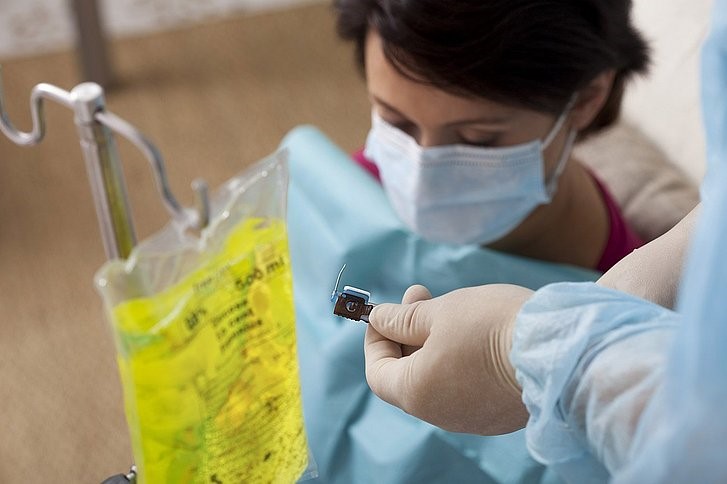
Chemotherapy remains an important component of treatment, particularly for acute leukemias, as these diseases can progress rapidly and require intensive suppression of abnormal blood cell production.
In acute myeloid leukemia (AML), treatment for patients who are suitable for intensive therapy may begin with induction chemotherapy, which aims to achieve remission. This is followed by further treatment to eliminate remaining leukemia cells and reduce the risk of relapse.
In acute lymphoblastic leukemia (ALL), treatment usually consists of several consecutive phases and may continue for a considerably longer period. Depending on the characteristics of the disease, chemotherapy may be combined with targeted drugs or immunotherapy.
For older patients and those who are not suitable for intensive chemotherapy because of other medical conditions or their overall health, less intensive drug regimens may be used, including modern combinations with targeted therapies.
Targeted therapy
One of the most significant advances in leukemia treatment has been the development of targeted therapy. Unlike conventional chemotherapy, these drugs act on specific molecular abnormalities or signaling pathways that leukemia cells depend on for growth and survival.
A particularly important example is the treatment of chronic myeloid leukemia (CML). This disease is characterized by the formation of BCR::ABL1 as a result of the so-called Philadelphia chromosome. Tyrosine kinase inhibitors block the activity of this protein, allowing the disease to be controlled with drug therapy over the long term in many patients.
Molecularly targeted drugs are also used in AML. Before treatment begins, leukemia cells are tested for specific genetic abnormalities. If suitable targets are identified, treatment may include drugs directed, for example, against altered FLT3 or IDH1/2 proteins. Other modern drugs target mechanisms that leukemia cells use for survival, including the BCL-2 protein.
In Philadelphia chromosome-positive ALL (Ph+ ALL), tyrosine kinase inhibitors are also an important component of treatment and may be combined with chemotherapy or immunotherapy.
This is why molecular genetic diagnostics have become an integral part of modern leukemia treatment: the abnormalities identified in leukemia cells may directly determine the choice of therapy.
At Helios Hospital Erfurt, targeted therapy is part of specialized leukemia treatment alongside antibody therapy and immunotherapy. The center also has advanced hematological diagnostic capabilities, including immunophenotyping, molecular testing, and cytogenetics, allowing diagnostic findings to be directly incorporated into individualized treatment decisions.
Antibody therapy and immunotherapy
Modern immunotherapy makes it possible to direct the immune system against leukemia cells. One approach involves monoclonal antibodies that recognize specific proteins on the surface of cancer cells.
These drugs play a particularly important role in certain forms of acute lymphoblastic leukemia and chronic lymphocytic leukemia. Depending on the characteristics of the disease, antibodies may be used alone or in combination with other medications.
The bispecific antibody blinatumomab is also used in B-cell ALL. It simultaneously binds to CD19 on B cells and CD3 on T cells, directing the patient’s own T cells to attack leukemia cells. This therapy may be used in certain relapsed or refractory forms of the disease, as well as in some modern treatment regimens at earlier stages.
Immunotherapy can be particularly important when measurable residual disease (MRD) is present, meaning that a small number of leukemia cells remain in the body after treatment. Reducing or eliminating MRD can have a significant impact on subsequent treatment decisions.
Helios Hospital Berlin-Buch uses modern antibody-based and immunological therapies and also participates in clinical trials investigating new treatment approaches. In particular, the center’s research programs include the use of blinatumomab before allogeneic transplantation in patients with an insufficient response to previous treatment.
Hematopoietic stem cell transplantation
For some patients with a high risk of relapse, an insufficient response to drug therapy, or recurrent disease, allogeneic hematopoietic stem cell transplantation is an important treatment option.
Before transplantation, the patient receives preparative treatment known as conditioning, which is intended to suppress leukemia cells and the patient’s immune system. Hematopoietic stem cells from a suitable donor are then infused.
An important advantage of allogeneic transplantation is that it does more than restore blood cell production. The donor’s immune cells can recognize and destroy remaining leukemia cells — an effect known as graft-versus-leukemia (GVL).
Allogeneic transplantation is primarily used for certain high-risk forms of acute myeloid leukemia and acute lymphoblastic leukemia, for recurrent disease, and in other situations where the risk of leukemia returning after drug therapy alone remains high. The decision to proceed with transplantation is made individually, taking into account the molecular profile of the disease, response to previous treatment, MRD status, the patient’s age, and the potential risks of the procedure.
At Helios Dr. Horst Schmidt Hospital Wiesbaden, patients have access to intensive hematological treatment and autologous stem cell transplantation. Patients who require an allogeneic transplant can receive this treatment through the joint Leukemia and Stem Cell Transplant Center Mainz/Wiesbaden. Complex cases are reviewed by a specialized transplantation board.
CAR T-cell therapy
One of the most innovative approaches to treating certain leukemias is CAR T-cell therapy. The patient’s own T cells are collected and genetically modified in a laboratory by introducing a chimeric antigen receptor (CAR). Once returned to the body, these cells can recognize a specific protein on the surface of leukemia cells and destroy them.
CAR T-cell therapy is particularly important for certain forms of B-cell acute lymphoblastic leukemia (B-ALL), especially when the disease has relapsed or is resistant to previous treatment. Eligibility depends on the patient’s age, the characteristics of the disease, previous therapies, and the specific CAR T-cell product.
This is a complex, personalized treatment performed at specialized centers. Careful monitoring is required after the modified cells are infused because strong activation of the immune system can cause complications such as cytokine release syndrome (CRS) and neurological adverse effects.
“Some cancer cells disguise themselves so effectively that they remain undetected by the immune system. CAR T-cell therapy can overcome this mechanism, ensuring that the tumor can no longer evade the immune cells,” says Dr. Judith Niederland, Senior Consultant for Stem Cell Transplantation at Helios Hospital Berlin-Buch.
Helios Hospital Berlin-Buch has a specialized Department of Hematology and Cellular Therapy and uses CAR T-cell technologies for selected forms of leukemia and other hematological malignancies. The center combines cellular therapy with stem cell transplantation, specialized laboratory diagnostics, and clinical research.
Leukemia treatment at Helios hospitals
At Helios, leukemia treatment is concentrated in specialized hematology and oncology centers with expertise in advanced diagnostics, intensive drug therapy, and stem cell transplantation. The choice of hospital may depend on the specific type of leukemia, the need for transplantation or cellular therapy, and the possibility of participating in clinical trials.
Helios Hospital Berlin-Buch has a specialized Department of Hematology and Cellular Therapy and a center for hematological malignancies certified by the German Cancer Society (DKG). The hospital treats acute myeloid leukemia, acute lymphoblastic leukemia, chronic lymphocytic leukemia, and other disorders of the blood-forming system. The center has a specialized hematology laboratory and performs both autologous and allogeneic hematopoietic stem cell transplantation. International and multicenter clinical trials are an important part of its work, providing patients with high-risk, relapsed, or refractory leukemia with potential access to new drug-based and immunological treatment strategies.
Helios Dr. Horst Schmidt Hospital Wiesbaden has a specialized Leukemia and Lymphoma Center. Its diagnostic capabilities include cytological testing, immunophenotyping, and molecular pathological analysis, including next-generation sequencing (NGS). Treatment options include intensive chemotherapy, modern personalized and immunological therapies, and autologous stem cell transplantation. When allogeneic transplantation or CAR T-cell therapy is required, treatment can be coordinated through the joint Leukemia and Stem Cell Transplant Center Mainz/Wiesbaden. Complex cases are regularly reviewed by a specialized transplantation board, and patients can continue specialized follow-up care in Wiesbaden after transplantation.
Helios Hospital Erfurt specializes in the diagnosis and treatment of malignant diseases of the blood-forming system, including AML and ALL. One of the center’s key strengths is its ability to combine advanced blood and bone marrow diagnostics with immunophenotyping, molecular testing, and cytogenetics. These findings are used to guide the selection of chemotherapy, targeted drugs, antibody therapy, or immunotherapy. The hospital also has a specialized unit for patients receiving high-dose therapy and stem cell treatment and cooperates with German leukemia research groups and networks.
Helios Hospital Krefeld has a DKG-certified Center for Hematological Malignancies, with acute leukemias and myelodysplastic syndromes among its main areas of expertise. Diagnosis and treatment planning are carried out on a multidisciplinary basis, and eligible patients may be offered participation in clinical trials. The center also closely integrates inpatient and outpatient care, allowing patients to continue specialized hematological treatment and follow-up after the intensive phase of therapy.
If you are interested in arranging diagnosis or treatment at one of the Helios hospitals, you can submit a request using the contact form on our website or contact us via the email address provided at the top of the website.
Learn more about arranging treatment at Helios hospitals ⟶
Do you need more information about Helios Hospitals or want to schedule your treatment?