
Prostate cancer treatment
- How treatment is planned
- Treatment of localized prostate cancer
- Treatment of locally advanced prostate cancer
- Treatment of metastatic prostate cancer
- Hospitals specializing in prostate cancer treatment
How treatment is planned
The most appropriate treatment depends on several factors: How far has the tumor progressed? How aggressively is it growing? What are the patient’s individual circumstances? Today, treatment is planned far more individually than it was just a few years ago. The process is based on structured diagnostic assessments and medical guidelines that reflect the latest scientific evidence.
Before deciding on treatment, the medical team carefully considers several factors:
- the extent of the tumor;
- information obtained from the tissue sample;
- imaging results;
- any underlying medical conditions;
- estimated life expectancy;
- the patient’s individual circumstances.
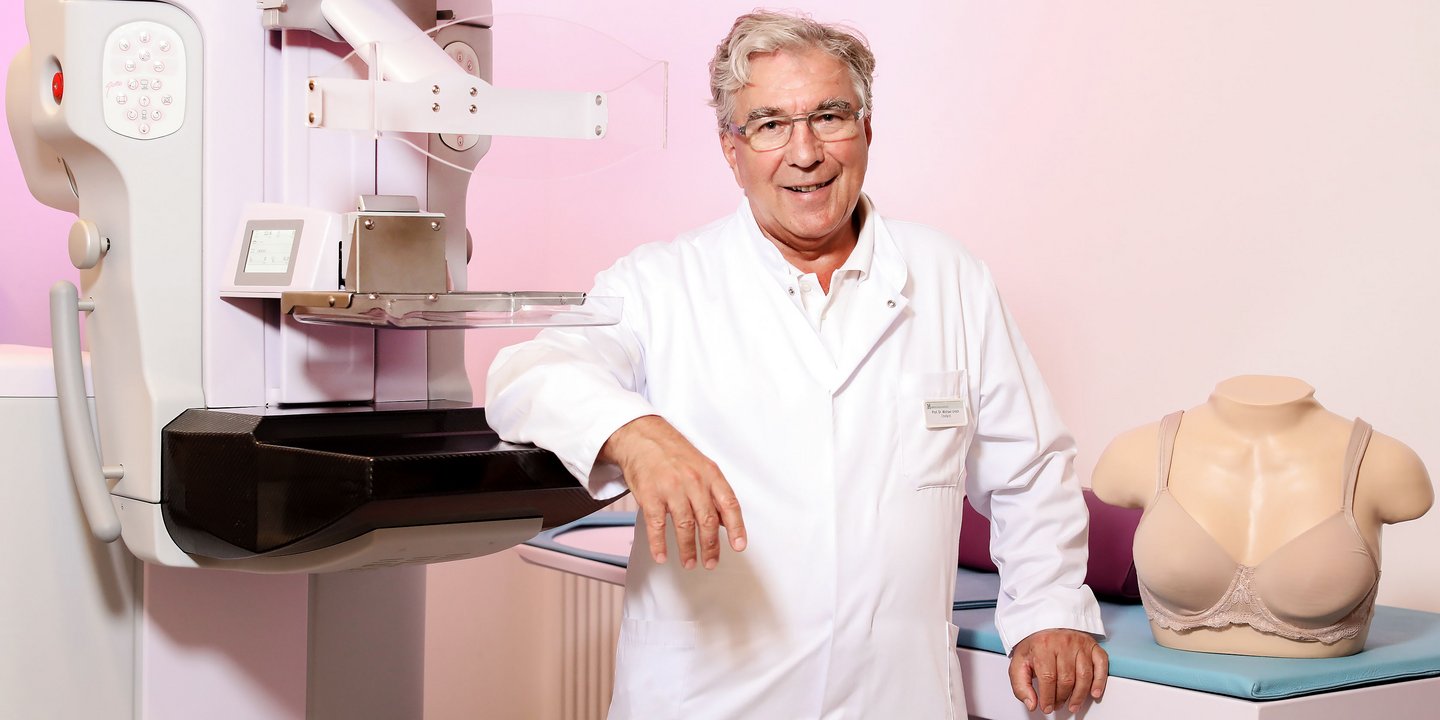
“It is important that, in addition to the clinical findings, quality of life, potential side effects, and the patient’s wishes are also taken into account when planning treatment,” says Prof. Dr. med. Mark Schrader, Chief Physician of Urology and Head of the Prostate Center at Helios Hospital Berlin-Buch.
In most cases, the findings are also discussed at an interdisciplinary tumor board. Specialists in urology, radiation oncology, medical oncology, and radiology jointly assess which treatment option is most appropriate for the individual patient.
Many Helios hospitals specialize in prostate cancer treatment and are certified as oncology centers. To obtain this certification, they must meet defined quality standards, undergo regular audits, and demonstrate close cooperation between different medical specialties.
Treatment of localized prostate cancer
If the tumor is confined to the prostate (with no metastases), there are several highly effective treatment options. Depending on the risk group, four main approaches are considered:
- active surveillance;
- surgery;
- external beam radiation therapy;
- in selected cases, internal radiation therapy (brachytherapy).
Active surveillance
For low-risk prostate cancer, active surveillance is currently the recommended standard strategy. This means that the tumor is closely monitored, but surgery or radiation therapy is not performed immediately. The aim of this approach is to avoid unnecessary treatment and its potential side effects as long as the tumor remains stable.
Importantly, active surveillance does not mean doing nothing. On the contrary, patients follow a clearly defined monitoring plan that includes regular PSA tests and medical examinations and, depending on the initial findings, may also include MRI scans and repeat biopsies.
For many men, this approach may initially feel unfamiliar because “waiting” does not seem like active treatment. “From a medical perspective, however, this strategy can be very appropriate. It helps avoid prematurely treating a slow-growing tumor while ensuring that the disease remains carefully monitored,” explains Professor Schrader.
Surgery
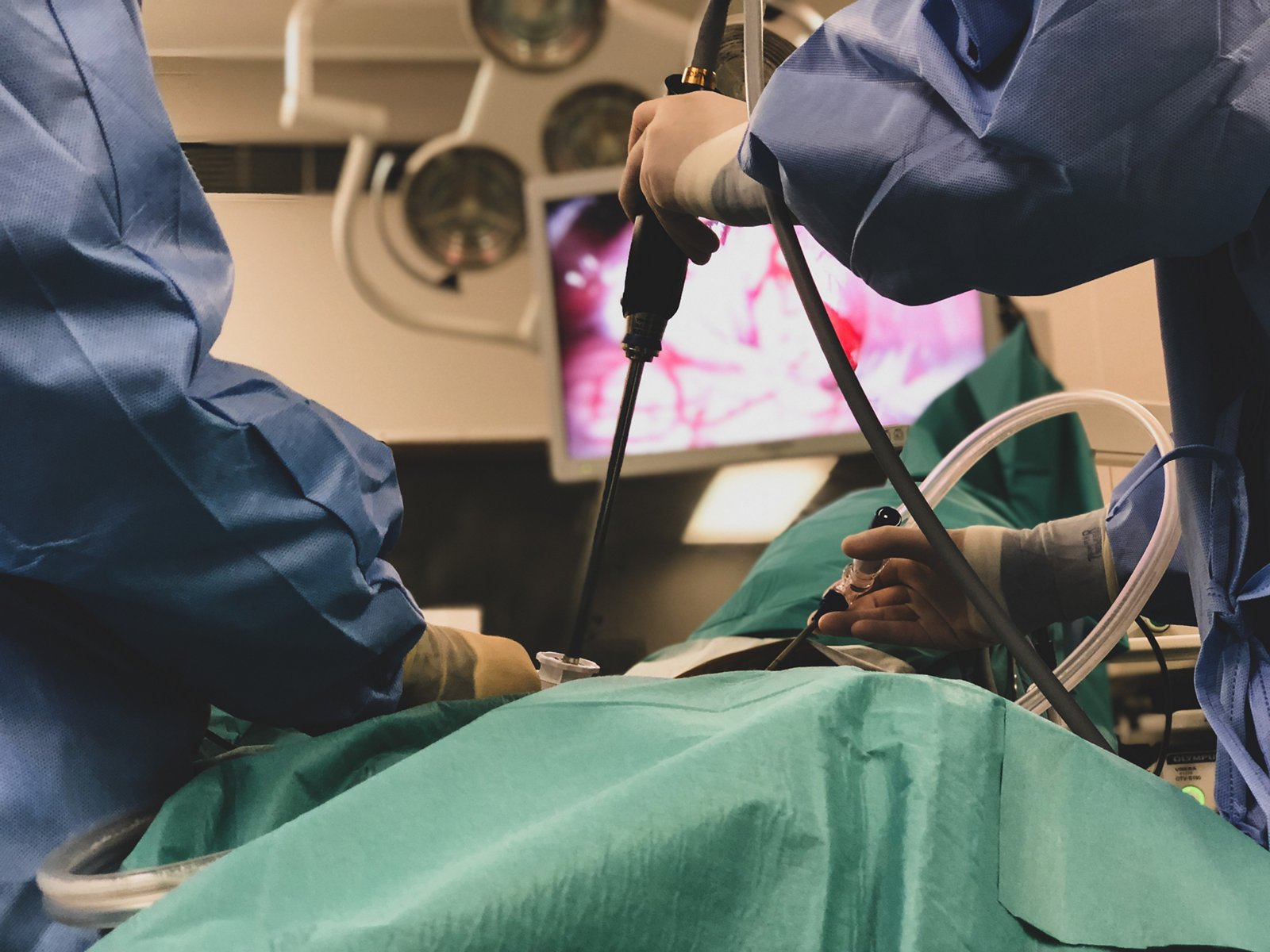
Surgical removal of the prostate, known as radical prostatectomy, is a well-established treatment performed with curative intent. It is one of the main standard treatment options, particularly for localized intermediate- or high-risk prostate cancer.
Many patients wonder which surgical approach is better: open, conventional laparoscopic, or robot-assisted surgery. According to the German S3 clinical guidelines, no surgical approach has been clearly shown to be superior to the others in terms of cure rates or functional outcomes. In most cases, the experience of the medical and surgical team is more important than the technique itself.
Open prostatectomy
In an open prostatectomy, the prostate is accessed through a small incision in the lower abdomen. The prostate and seminal vesicles are then removed, along with the lymph nodes if necessary. Surgical magnifying loupes are used to help preserve the delicate anatomical structures in this area as much as possible.
The open surgical field provides a clear view of the structures within the pelvis. To help preserve the nerves responsible for erectile function, an intraoperative frozen-section examination (rapid histological examination) is also performed. This provides valuable information about the extent of the tumor and helps determine which tissue needs to be removed and which tissue can safely be preserved.
Another advantage of the open surgical approach is the shorter operating time. For patients, this means spending less time under anesthesia. Patients are generally discharged from the hospital on the fourth day after surgery.
Robot-Assisted prostatectomy (Da Vinci)
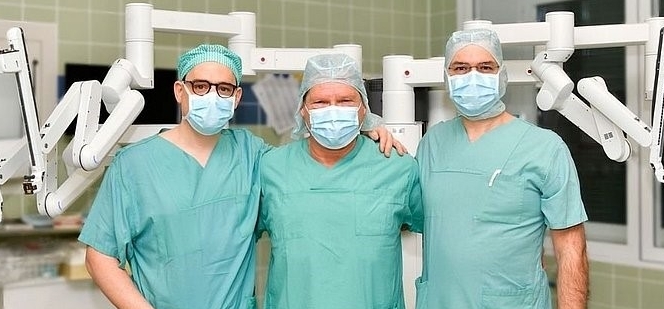
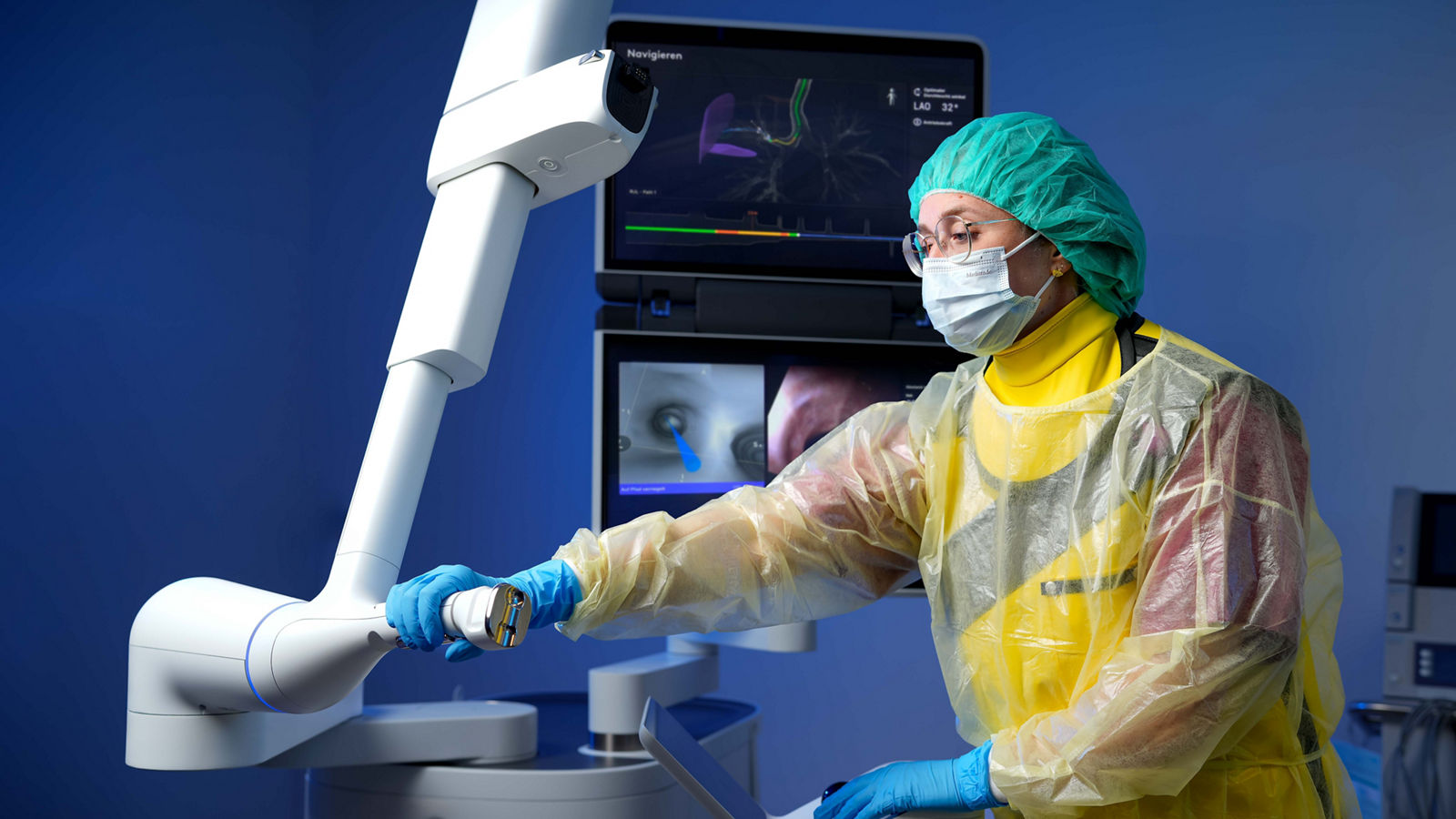
Alternatively, prostatectomy can be performed using a minimally invasive approach. One of the most advanced technologies in minimally invasive surgery is robot-assisted prostatectomy using the Da Vinci surgical system. The procedure requires only small incisions through which the surgeon inserts the surgical instruments. Robot-assisted surgery provides the surgeon with an enhanced view of the operating field through improved illumination and magnification of anatomical structures. The system also allows for greater precision and dexterity in controlling the surgical instruments.
During removal of the prostate, this makes it possible to preserve the delicate nerves involved in bladder control and sexual function as effectively as possible.
Additional advantages of Da Vinci prostatectomy compared with open surgery include reduced blood loss and smaller surgical wounds. As a result, patients generally experience less postoperative pain and recover more quickly.
NeuroSAFE technique
Helios hospitals also offer a specialized technique for nerve-sparing prostatectomy known as NeuroSAFE. During the procedure, tissue is examined intraoperatively to determine whether the tumor has extended into or beyond the prostate capsule.
However, nerve-sparing surgery with an optimal oncological outcome is only possible if the tumor has not extended beyond the prostate capsule. Otherwise, removal of the neurovascular bundle may be necessary.
Radiation therapy
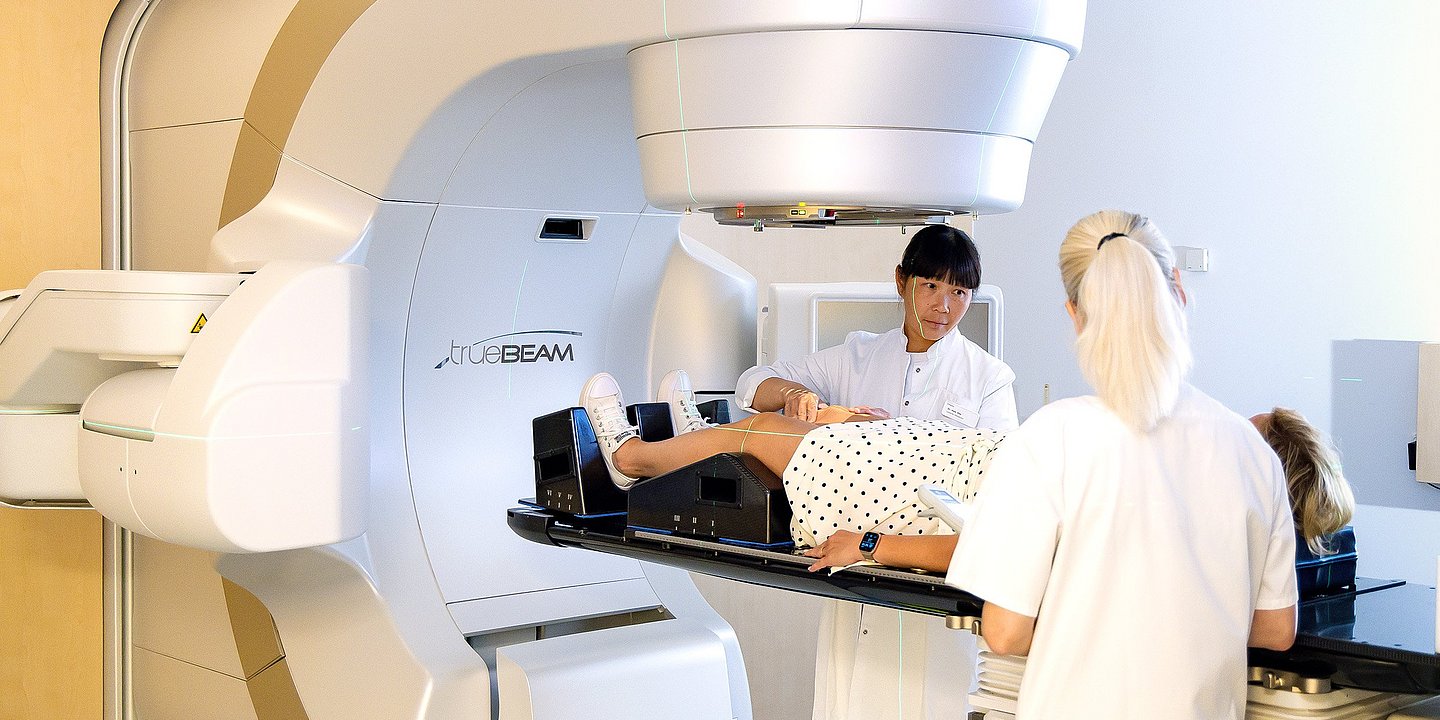
External beam radiation therapy is another well-established standard treatment with curative intent. Current clinical guidelines recommend the use of modern, highly precise radiation techniques that allow the tumor tissue to be targeted effectively while minimizing exposure to the surrounding healthy tissues.
Depending on the risk group, radiation therapy may be combined with other treatments. For intermediate-risk prostate cancer, hormone therapy is usually administered for several months in addition to radiation therapy. For high-risk prostate cancer, hormone therapy is generally given for a significantly longer period.
Brachytherapy
With brachytherapy, the radiation source is placed directly into the prostate. This allows the tumor tissue to be treated with a high degree of precision. However, this treatment is not suitable for every patient. According to clinical guidelines, brachytherapy is recommended for specific risk groups, either as a stand-alone treatment or in combination with external beam radiation therapy.
Treatment of locally advanced prostate cancer
For locally advanced, hormone-sensitive prostate cancer without distant metastases, radiation therapy is often combined with long-term hormone therapy. If the disease is also considered to be at particularly high risk, meaning that at least two of the following criteria are present:
- PSA level above 40 ng/mL;
- tumor stage T3 / T4;
- ISUP Grade Group 4 / 5,
clinical guidelines recommend more intensive systemic therapy in addition to radiation therapy to the prostate and pelvic lymphatic drainage areas.
Treatment of metastatic prostate cancer
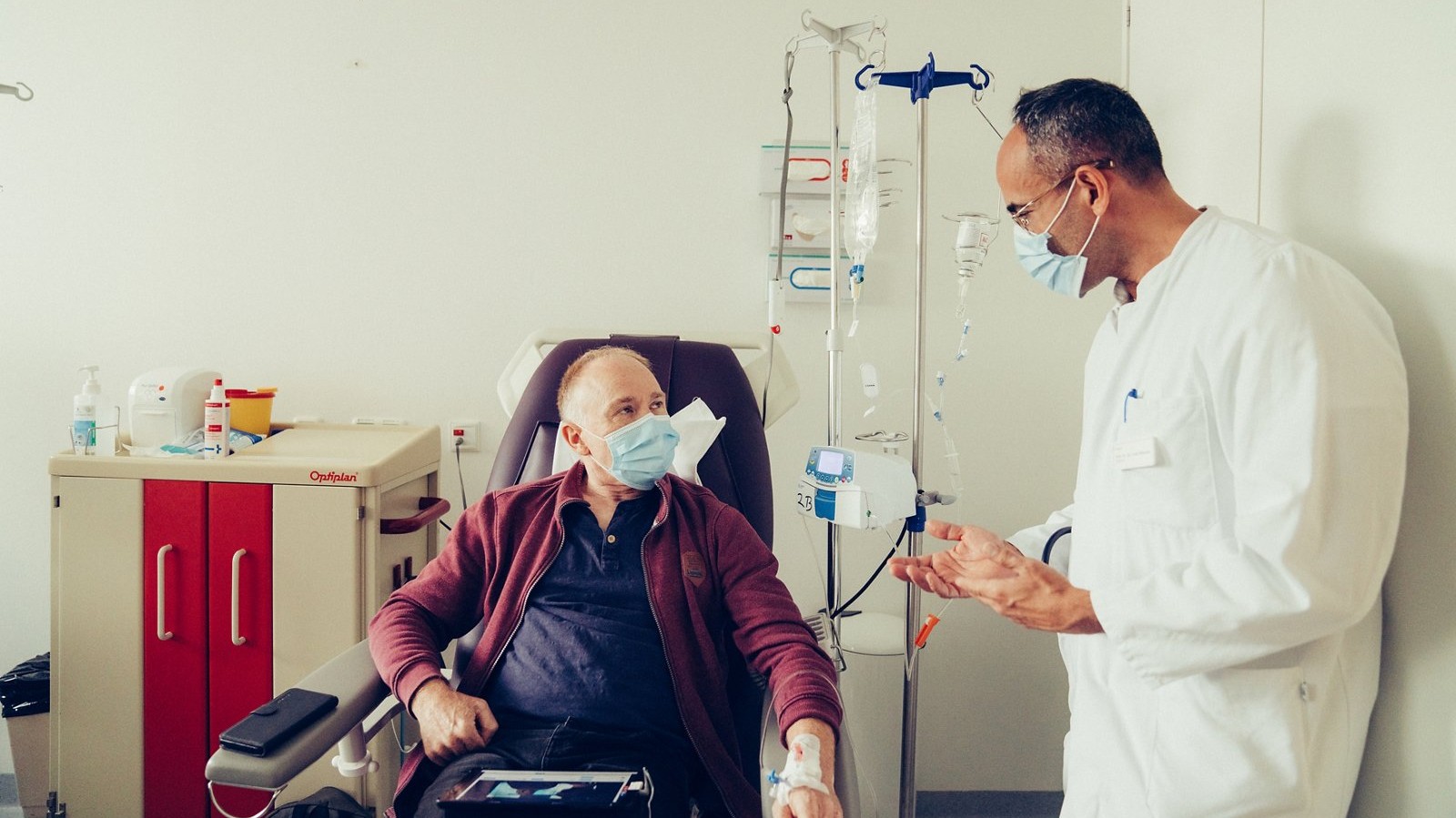
In recent years, treatment options for metastatic prostate cancer have expanded significantly, offering a range of therapeutic approaches. The overall goals of treatment remain the same: to slow tumor growth, relieve symptoms, prevent complications, and extend life expectancy.
Hormone therapy as the foundation of treatment
In most cases, the foundation of treatment is hormone therapy, also known as androgen deprivation therapy (ADT). Its purpose is to reduce the effects of male sex hormones (androgens), as prostate cancer cells often depend on these hormones for their growth.
Today, in metastatic prostate cancer, hormone therapy is often combined with other medications at an early stage to improve treatment effectiveness. Clinical guidelines recommend several possible combinations. The choice of a specific treatment regimen depends on the characteristics of the disease and the patient’s overall health.
Treatment of hormone-resistant prostate cancer
Sometimes prostate cancer continues to progress despite hormone therapy. In this case, it is referred to as hormone-resistant (castration-resistant) prostate cancer. However, treatment options are still available even at this stage. Depending on the individual situation, these may include:
- additional medications;
- chemotherapy;
- certain types of targeted therapy;
- in selected cases, radiopharmaceuticals (radioligand therapy).
The choice of specific medications and combinations depends largely on which treatments the patient has already received, the patient’s overall health, and whether the tumor has certain genetic characteristics. At this stage, treatment is highly individualized, and there is no single treatment regimen that is appropriate for every patient.
Lutetium treatment (Lu-177 PSMA)
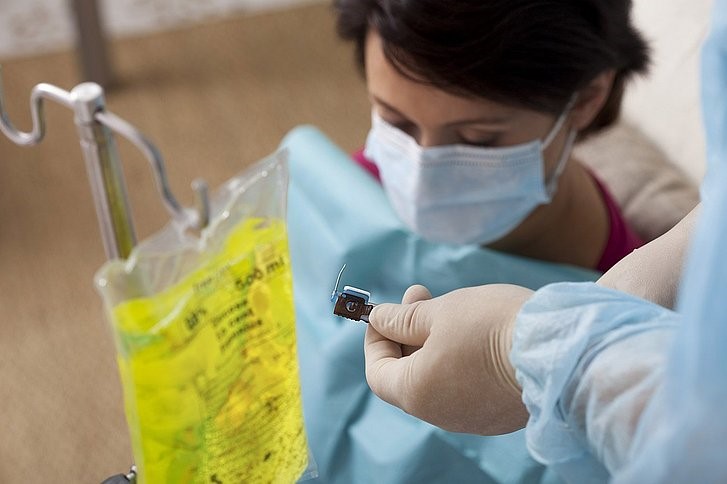
In the so-called Lu-177 PSMA procedure, radioactive substances are administered to the patient intravenously or by injection. These substances bind to PSMA (prostate-specific membrane antigen, a component of prostate tissue), thereby delivering localized radiation to cancer cells using the radionuclide lutetium-177.
Because the radiation travels only a few millimeters, it can be delivered to the tumor tissue in a highly targeted and effective manner, while largely sparing the surrounding healthy tissue. Side effects are generally minimal, and the therapy is usually very well tolerated.
Lutetium treatment is particularly suitable for patients who have already developed metastases in the bones or lymph nodes, or who have a local recurrence in the prostate area. In such cases, Lu-177 PSMA therapy can often lead to a significant reduction in tumor lesions. Another beneficial effect of the treatment is pain relief, which in many cases can improve the patient’s quality of life.
Finding the right treatment together
The best treatment for prostate cancer is not necessarily the most intensive one. And not every medically available treatment is appropriate for every patient’s individual situation. Life expectancy, underlying medical conditions, potential side effects, and the patient’s preferences are important factors when choosing a treatment.
“Before making a shared treatment decision, we discuss several important questions with each patient: How far has the tumor progressed? What is the goal of treatment? What are the advantages and disadvantages of each option? How will the treatment affect everyday life, sexual function, continence, and quality of life?” says Professor Schrader. “For us, high-quality treatment means medical precision, coordinated care by an experienced team, and a treatment decision that is appropriate for the patient’s individual circumstances.”
Hospitals specializing in prostate cancer treatment:
Do you need more information about Helios Hospitals or want to schedule your treatment?