Helios Erfurt: A new innovative lung cancer diagnostic system
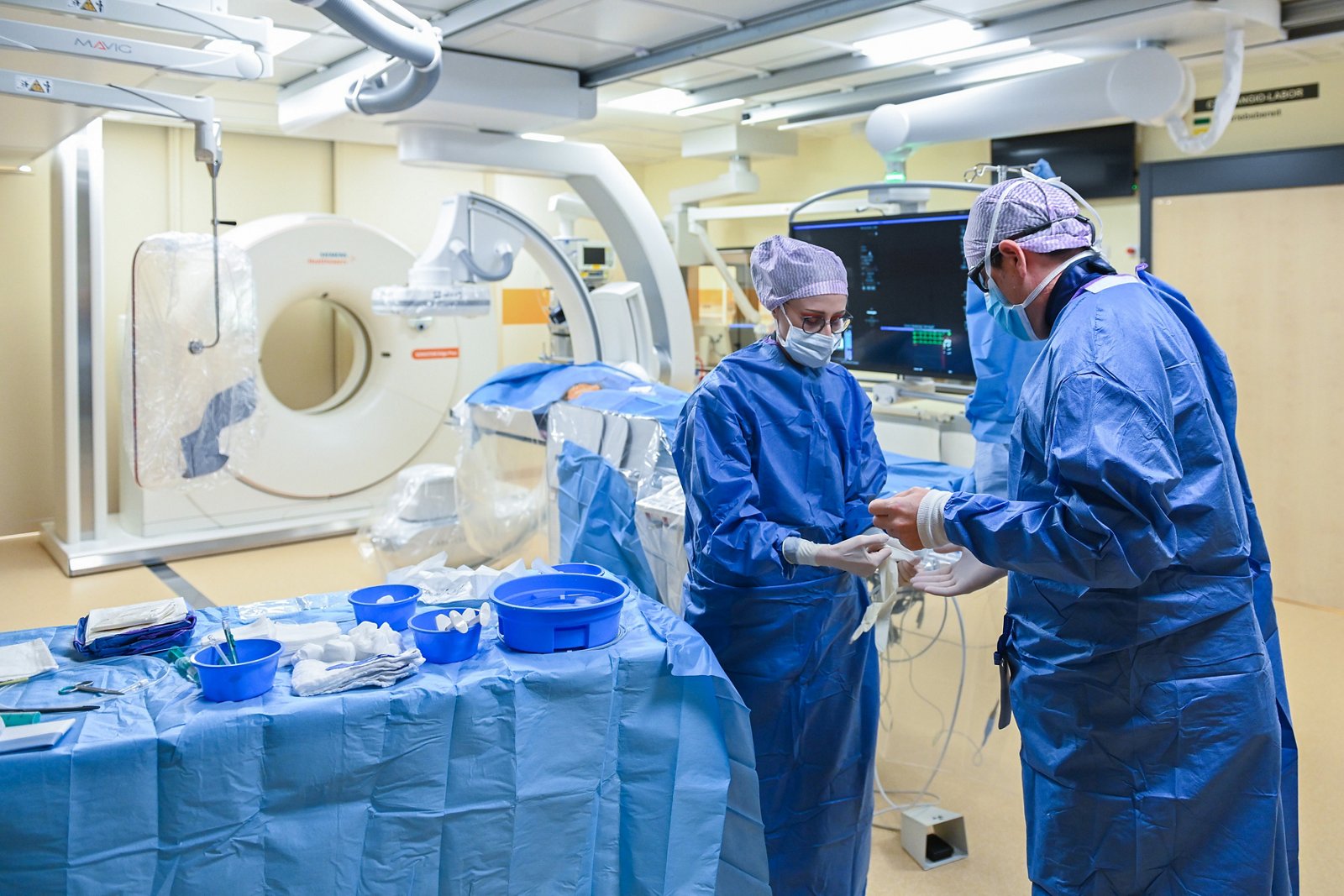
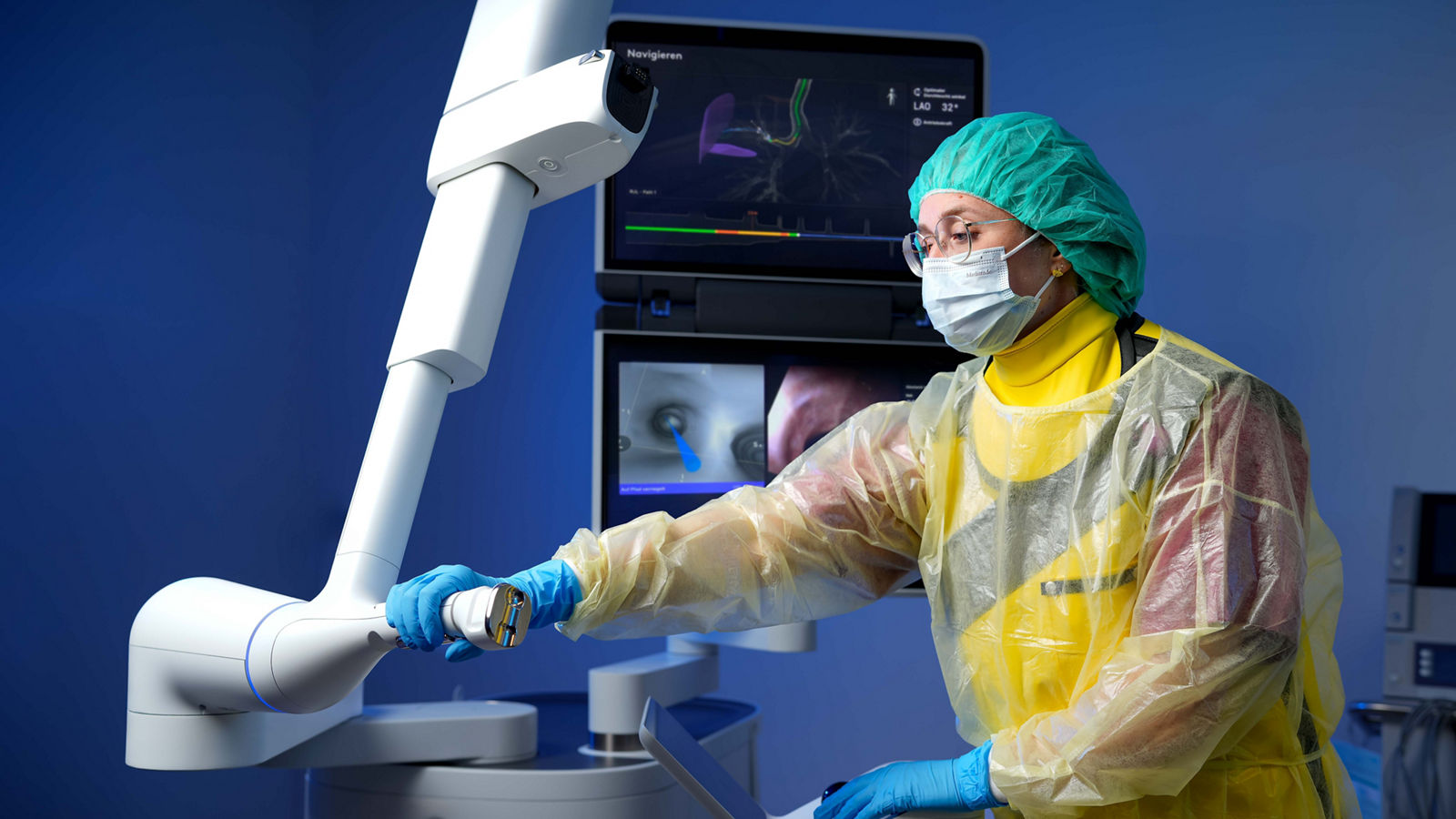
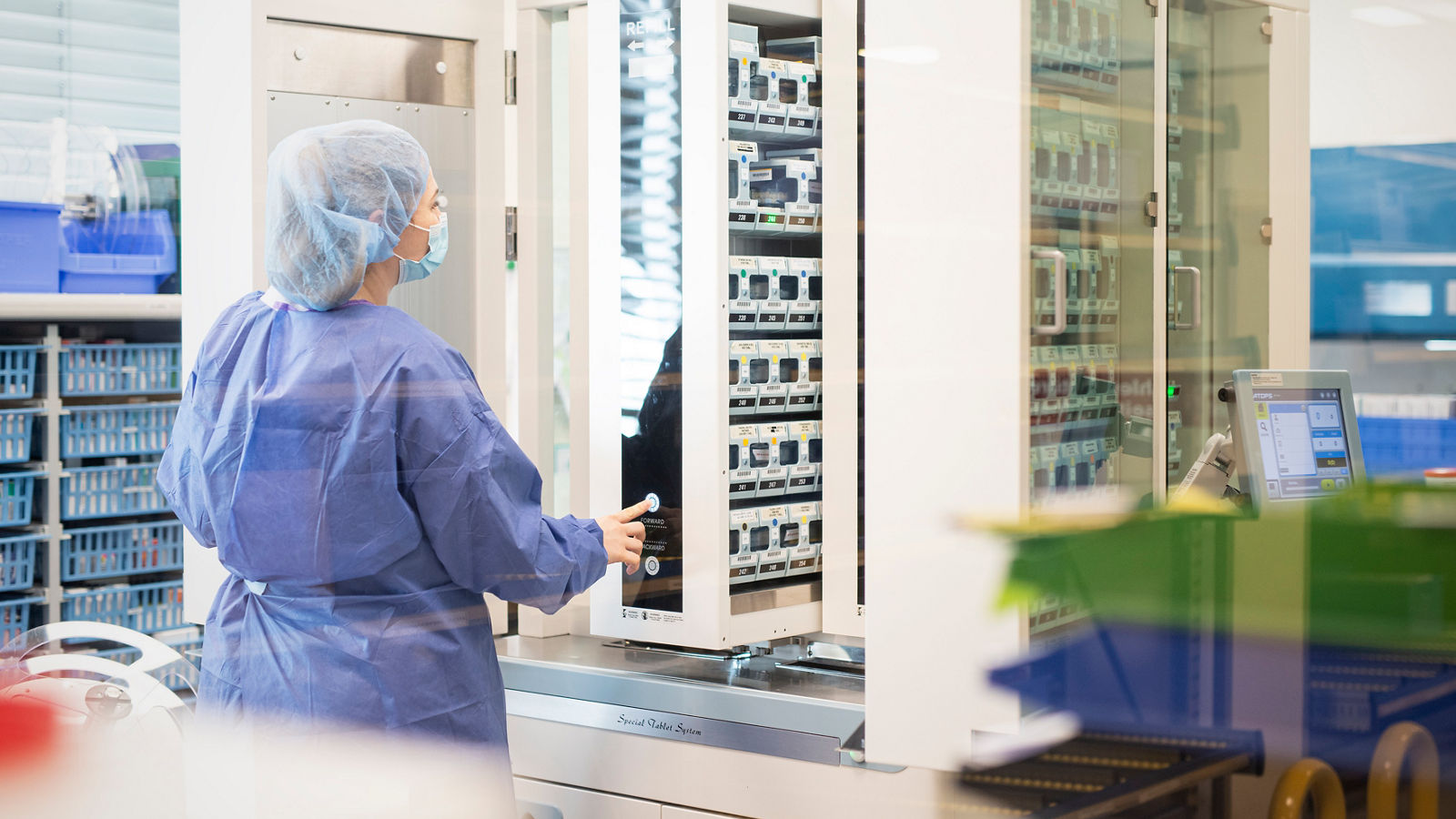
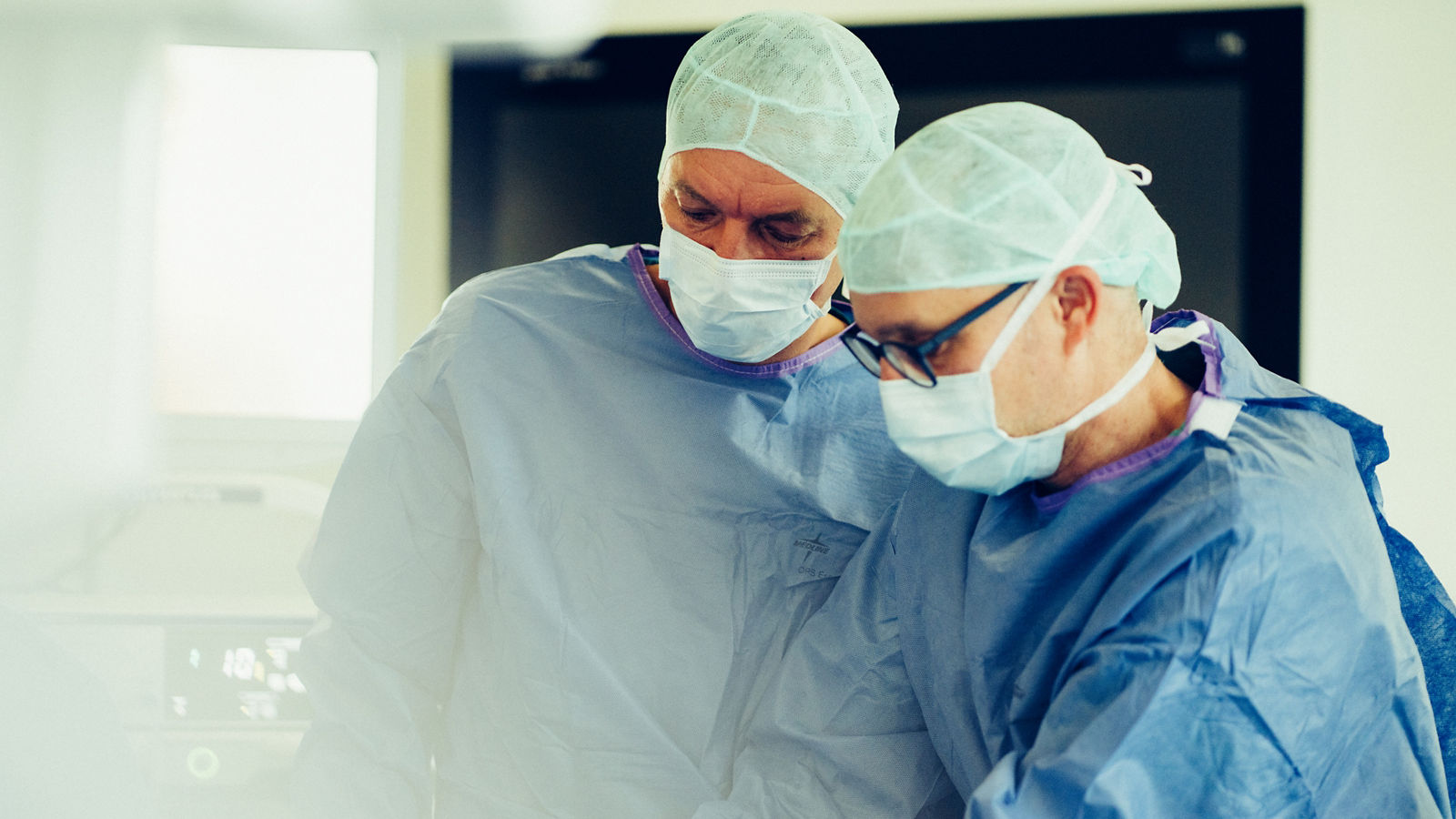
With the introduction of the ION system, the hospital is expanding its capabilities in modern lung diagnostics and is now among the first lung cancer centers in Germany to use this robotic system in routine patient care. The robot-assisted navigation system makes it possible to examine even hard-to-reach areas of the lungs with high precision and minimal invasiveness. This can provide crucial advantages, particularly in the early detection of lung abnormalities. The earlier lung cancer is detected, the better the chances of successful treatment.
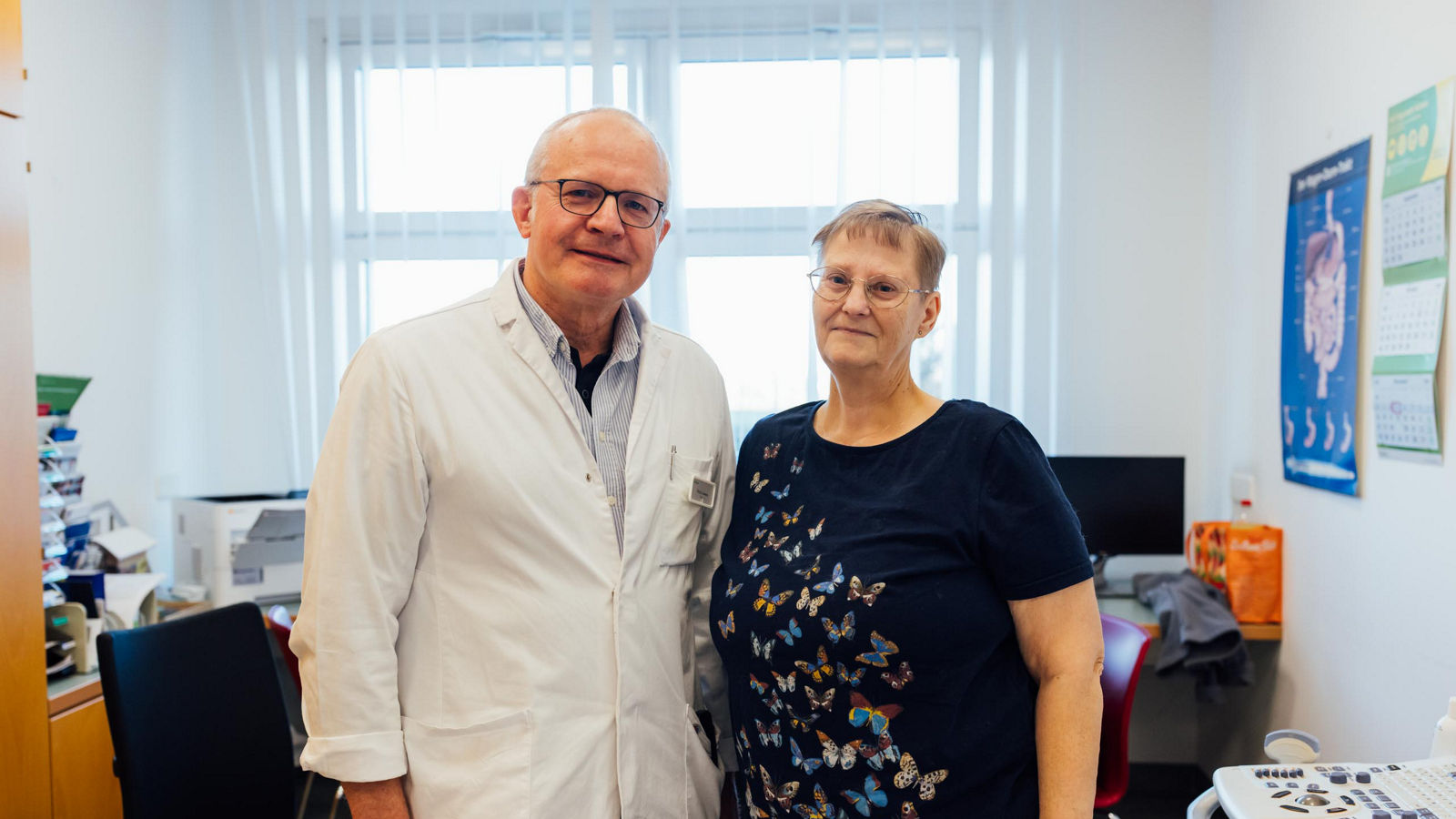
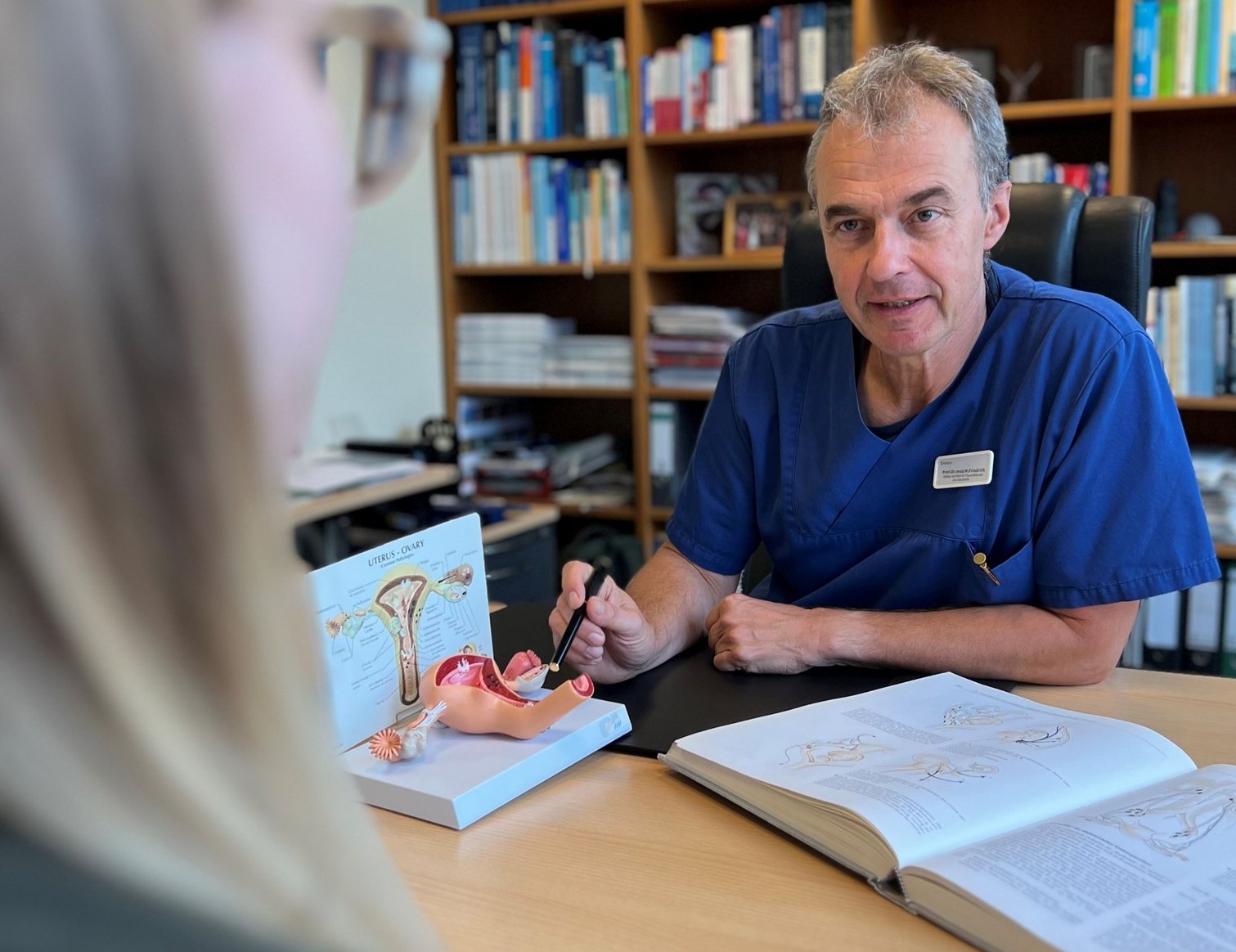
Until now, Germany had no lung cancer screening program comparable to those used for breast or colorectal cancer prevention. However, significant progress has recently been made, and long-term smokers can now undergo screening examinations. Dr. med. Jens-Uwe Bauer, Head of the Lung Cancer Center at Helios Hospital Erfurt, comments on the launch of the new robotic system at the hospital:
“Early detection pursues a clear goal: lung cancer should be identified at the earliest possible stage, when curative treatment or long-term disease control is still achievable. The new robotic system opens up entirely new possibilities for this. Today’s launch was a complete success and represents a significant advancement in the early detection of lung cancer.”
Lung cancer: Often undetected and frequently fatal
Around 45,000 people die each year from the consequences of lung cancer, making it the leading cause of cancer-related death among men and the second leading cause among women. “Lung cancer often goes unnoticed in its early stages because it causes hardly any symptoms. As a result, the disease is frequently diagnosed only at an advanced stage — when the cancer has already spread,” explains Dr. Bauer. “Structured lung cancer screening is therefore a major benefit for patients, because in the future we will be able to detect significantly more cases at an early stage,” adds the experienced pulmonologist.
Until now, radiological examinations covered by health insurance were prescribed only when clear symptoms such as persistent coughing or coughing up blood occurred.
What Is lung cancer early detection?
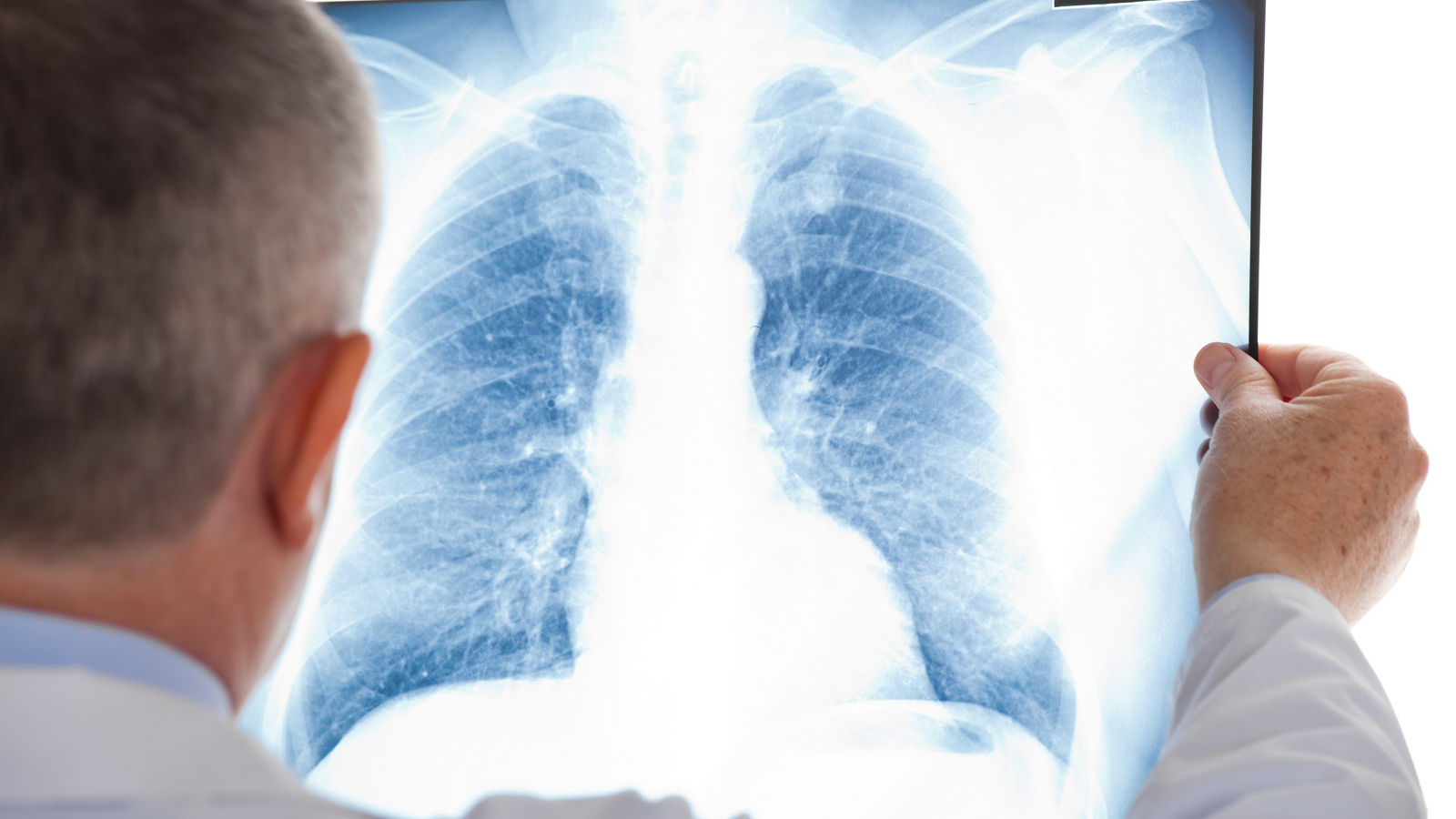
Regardless of whether symptoms are already present, heavy long-term smokers aged 50 and older are now eligible to undergo lung cancer screening using a so-called low-dose CT scan. During this radiological examination, computed tomography is used to create detailed 3D images of the lungs, in which tumors or suspicious tissue abnormalities can usually be clearly identified.
The starting point for individuals at risk of lung cancer is a consultation with a general practitioner, followed by a referral to a radiology practice or clinic for screening. Dr. med. Jörg Kluge, Co-Head of the Lung Cancer Center at Helios Hospital Erfurt, says:
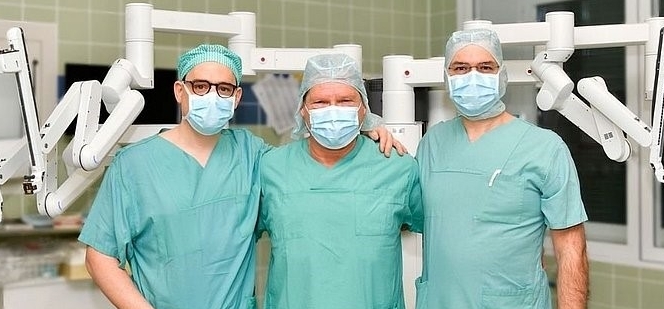
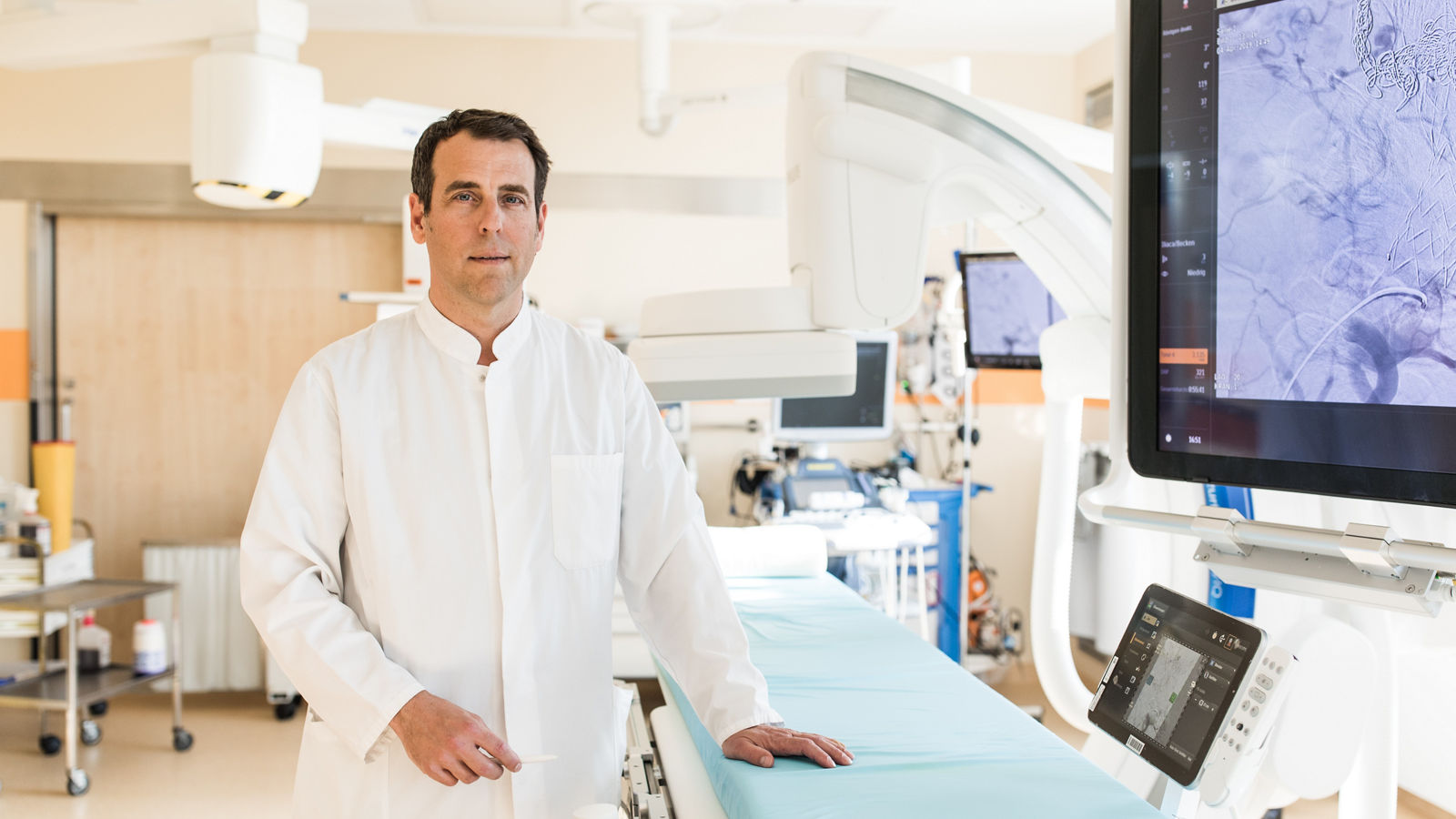
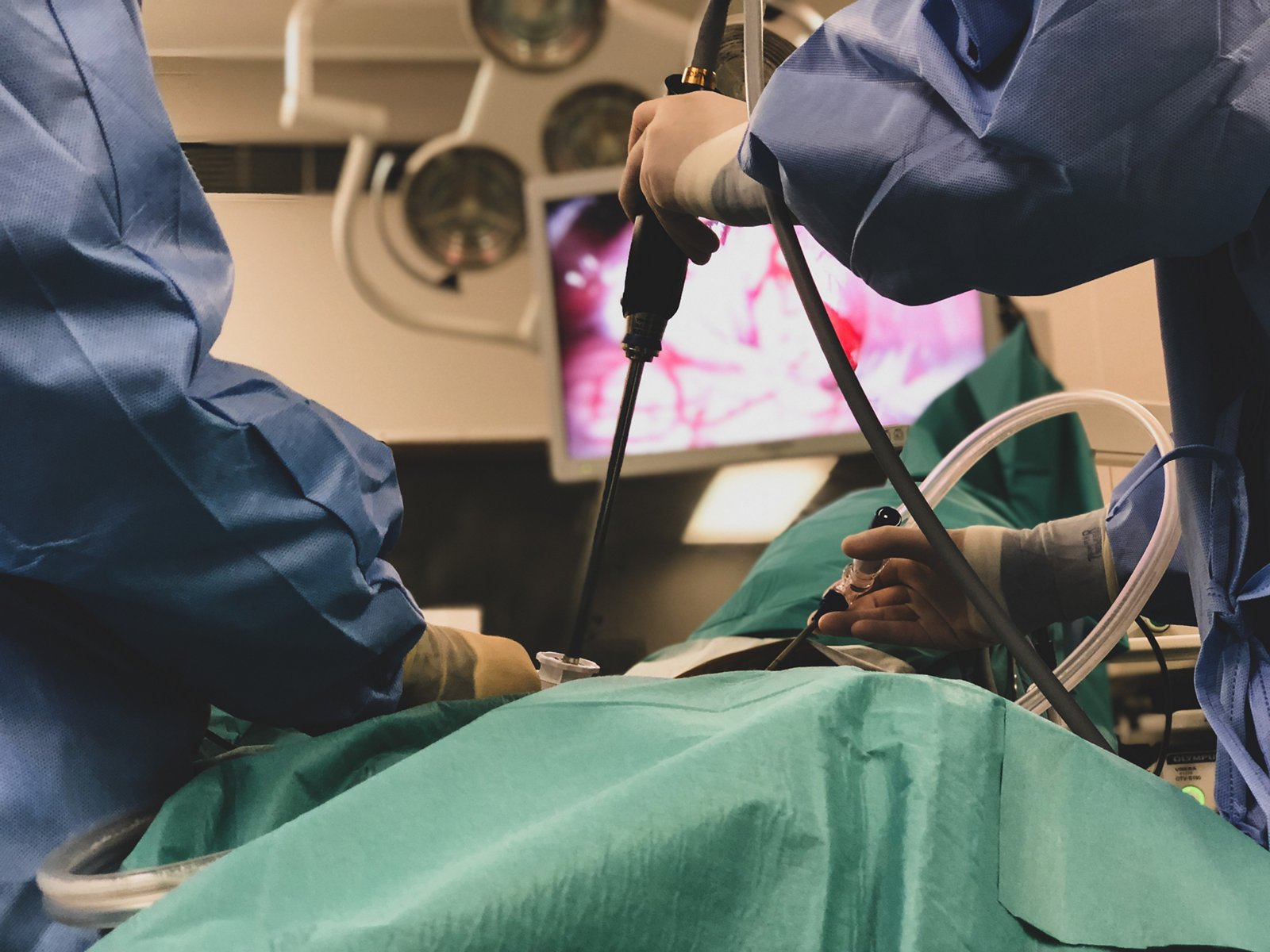
“If the suspicion of lung cancer is confirmed, further treatment can be carried out at the Robotics Center Central Germany. Depending on the individual treatment plan, tumor removal may be performed using minimally invasive surgery with the Da Vinci robotic-assisted system. For patients, this ideally means treatment at an early tumor stage, particularly gentle procedures, and faster recovery.”
Specialized lung cancer centers for diagnostic evaluation and assessment
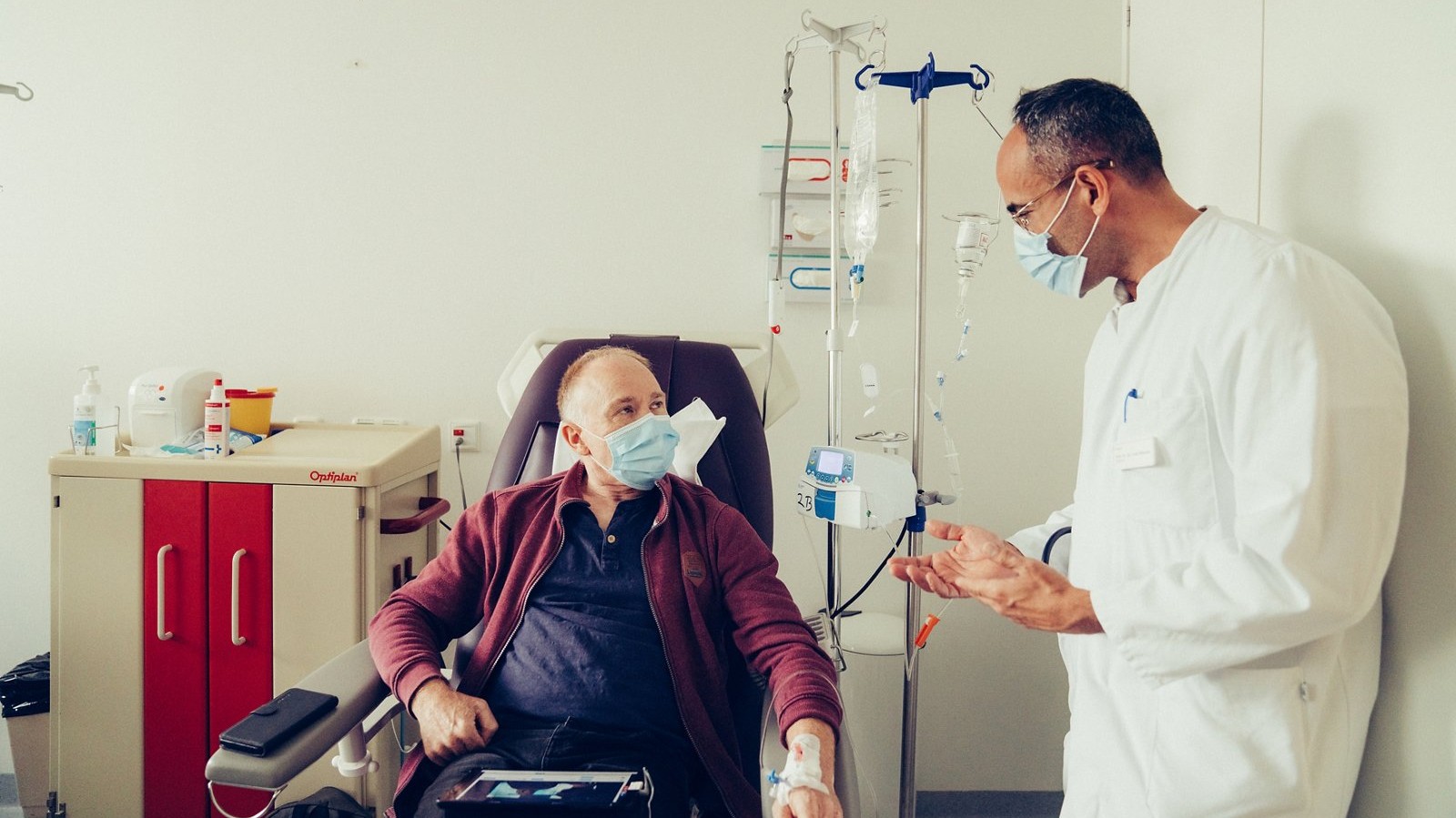
“If a suspicious finding is detected after a CT examination, patients should consult a specialized lung cancer center. These centers provide both the necessary expertise and modern technical equipment for reliable diagnosis and treatment,” advises Dr. Bauer. Helios operates around a dozen highly specialized lung centers² that are closely connected with other hospitals and medical practices.
The goal is to further expand high-quality medical care within regional healthcare networks and ensure that treatment is provided where the highest level of medical expertise is available.
Within Helios, more than 32,000 lung cancer cases are treated each year, while patients gain access to experienced specialists regardless of location. At the specialized lung cancer centers, decisions regarding individualized treatment are always made through an interdisciplinary approach that combines expertise from multiple medical fields. In addition, modern technologies such as artificial intelligence are used to support diagnostic analysis.
Alongside Erfurt, Helios lung cancer centers in Berlin, Bonn/Siegburg, Krefeld/Duisburg, and Wiesbaden are now also using the innovative Ion robot-assisted bronchoscopy system for diagnostics.
Read more:
Do you need more information about Helios Hospitals or want to schedule your treatment?