Wiesbaden: Early-stage detection of lung cancer with Ion system
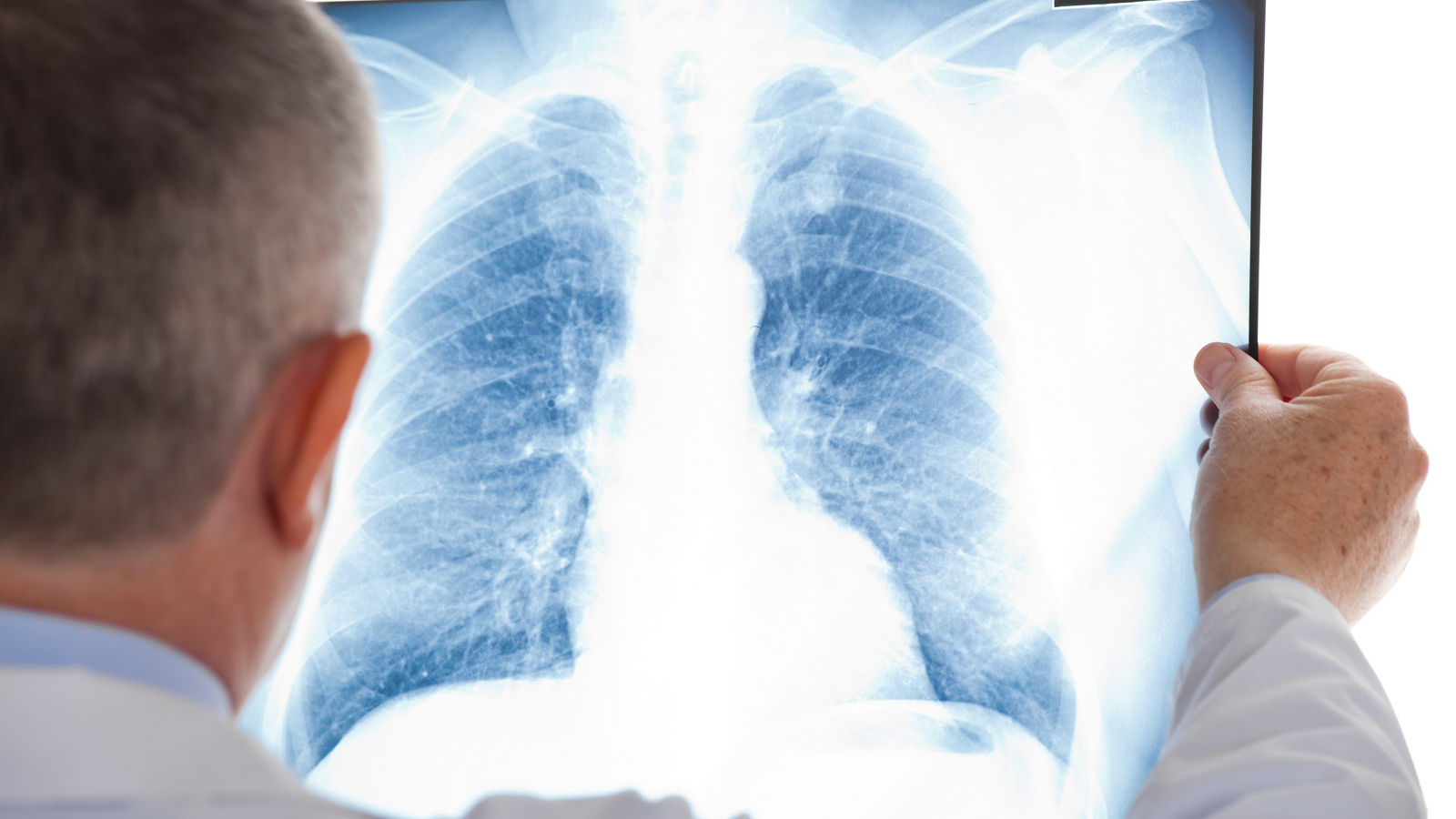
Lung cancer is the leading cause of cancer-related death worldwide. Approximately 1.8 million people die from this disease each year.
"The problem: In its early stages, lung cancer causes hardly any symptoms and is therefore usually detected late—often when metastases are already present and curative treatment is no longer possible"
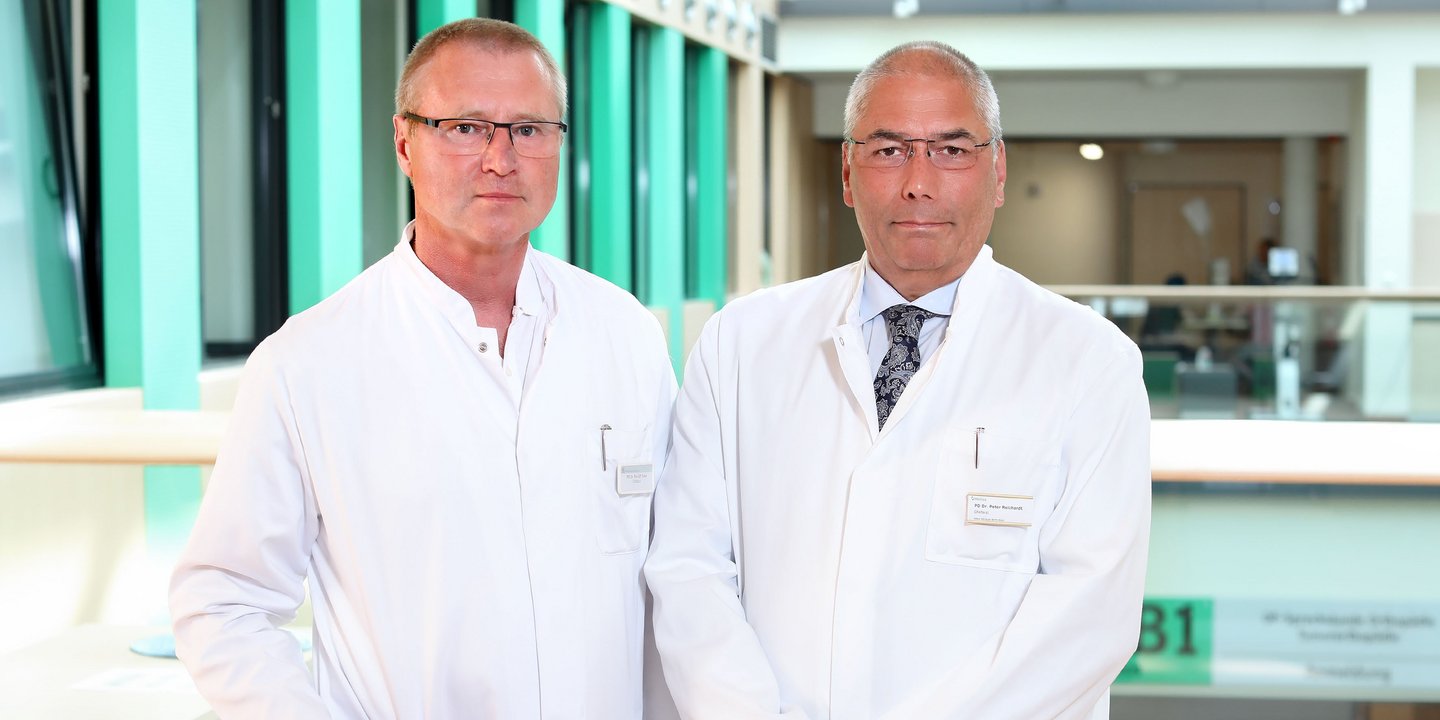
— comments on the situation Prof. Tim O. Hirche, Chief Physician of the Department of Pulmonology at the DKD Helios Clinic Wiesbaden.
A groundbreaking change in lung cancer diagnostics
The new robotic bronchoscopy system is a game changer. It allows us to reach even the deepest areas of the lung tissue and access suspicious tissue lesions as small as a few millimeters—so-called pulmonary nodules—to obtain samples. This was not previously possible endoscopically. “This represents a paradigm shift in pulmonary medicine. We can provide our patients with clarity at an earlier stage—and often open up the chance for curative treatment,” adds Prof. Dr. Tim Hirche.
Navigation through the lungs
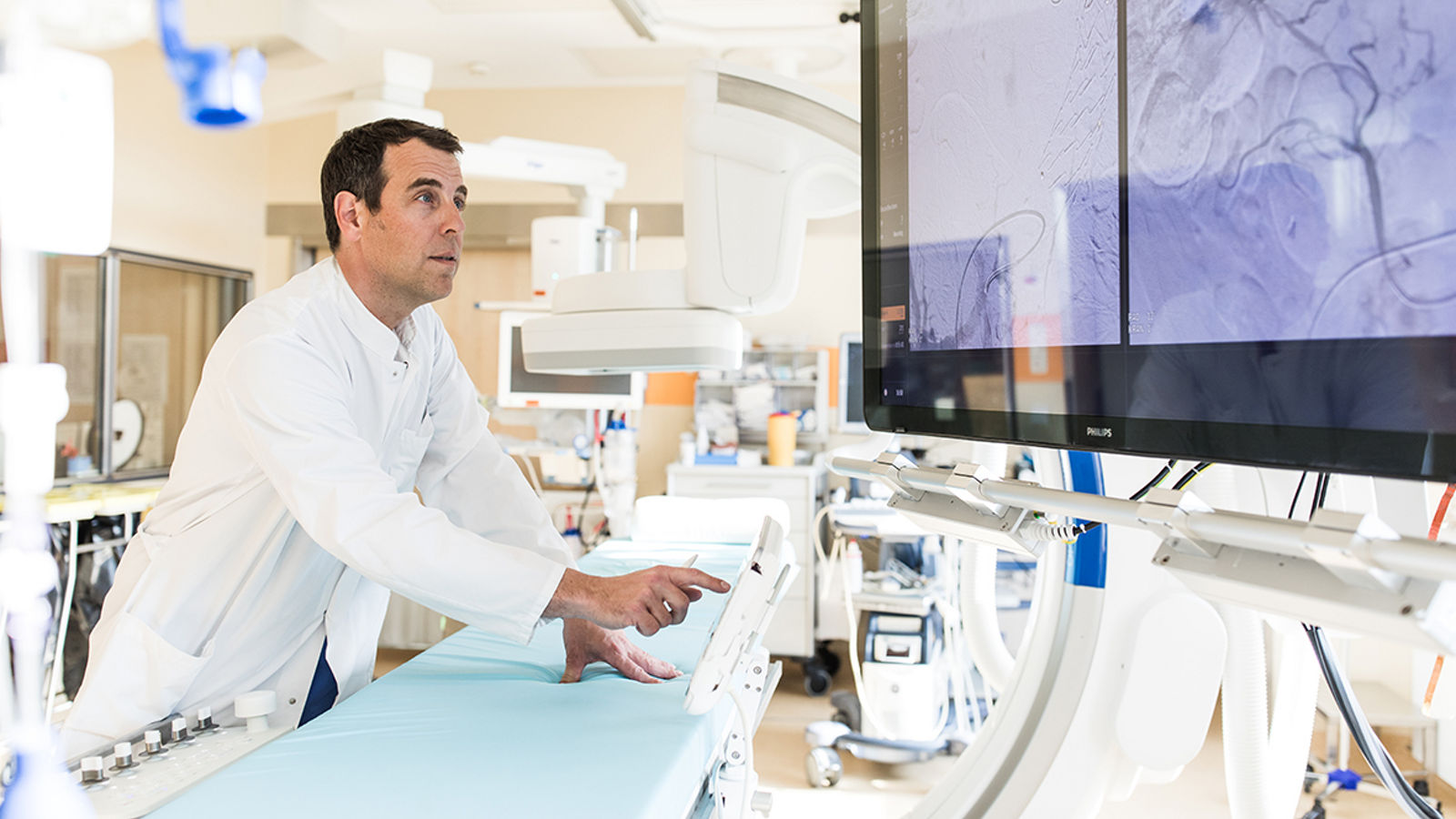
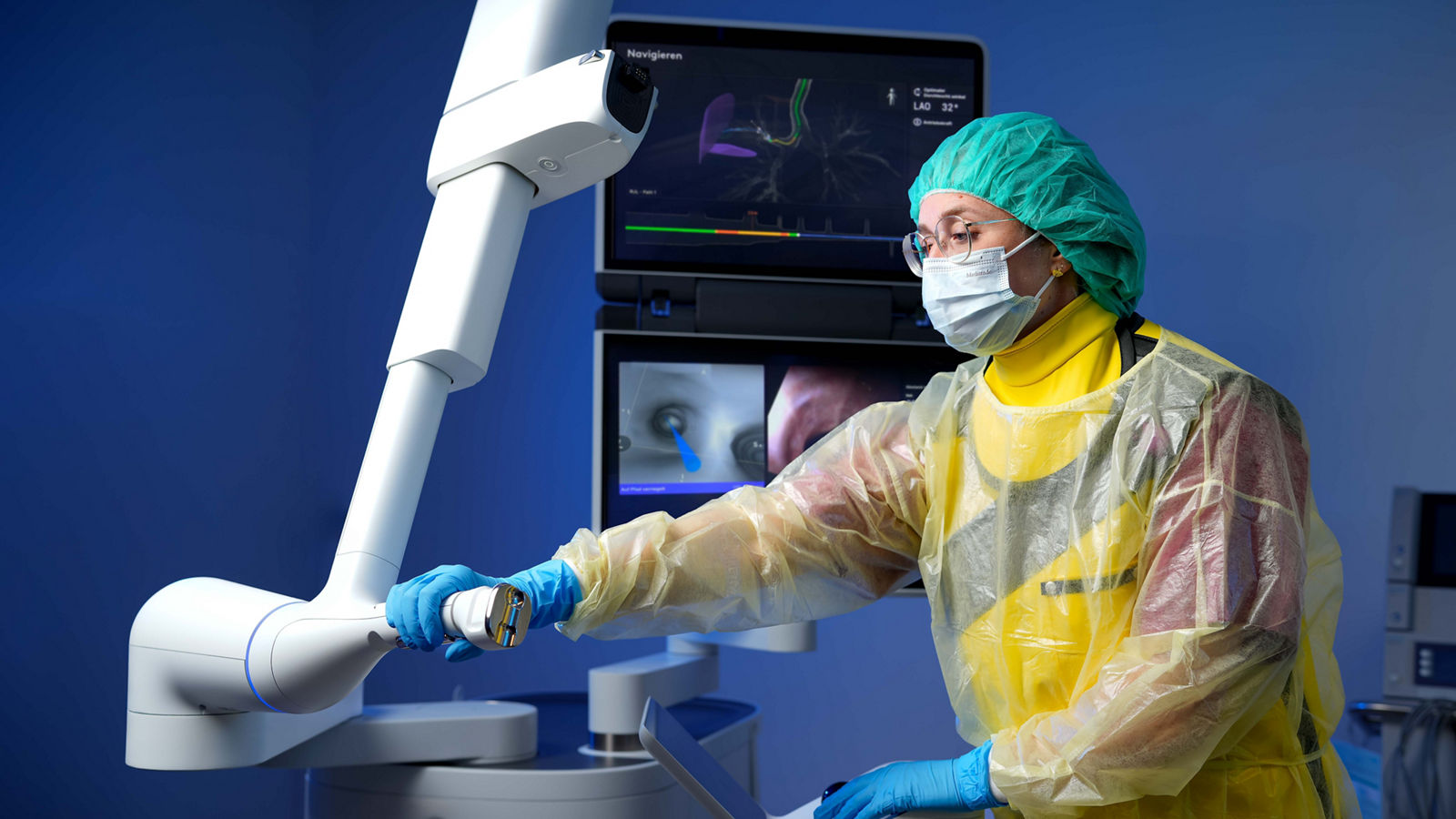
The Ion Endoluminal System is a robotic bronchoscopy system for endoscopic examination of the lungs. Before the procedure, a computed tomography (CT) scan creates a detailed three-dimensional image of the lungs. The system’s software then generates a “digital twin” of the airways and calculates the safest route to the suspected area—similar to a car navigation system.
A combination of robotics, imaging, and interdisciplinary expertise
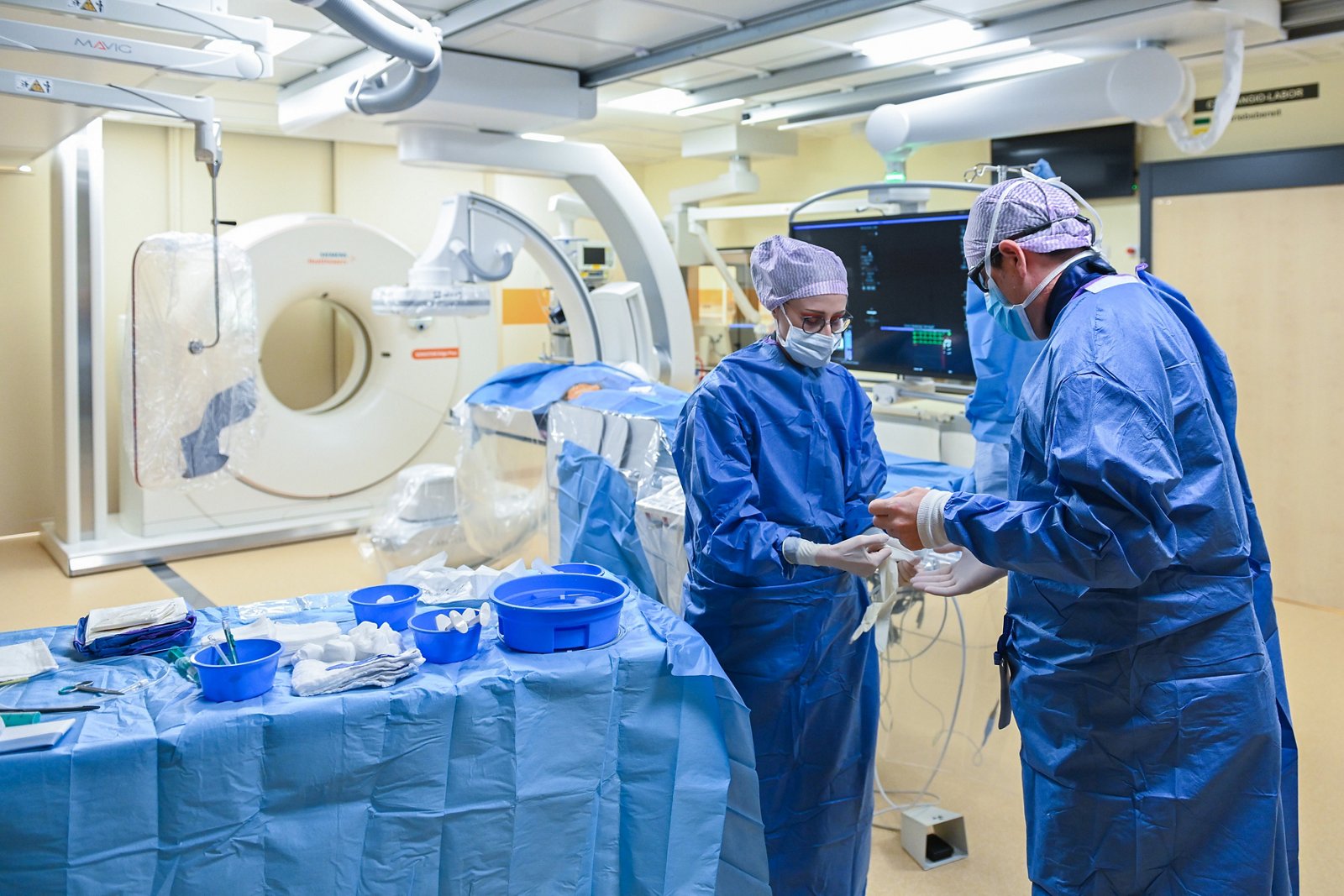
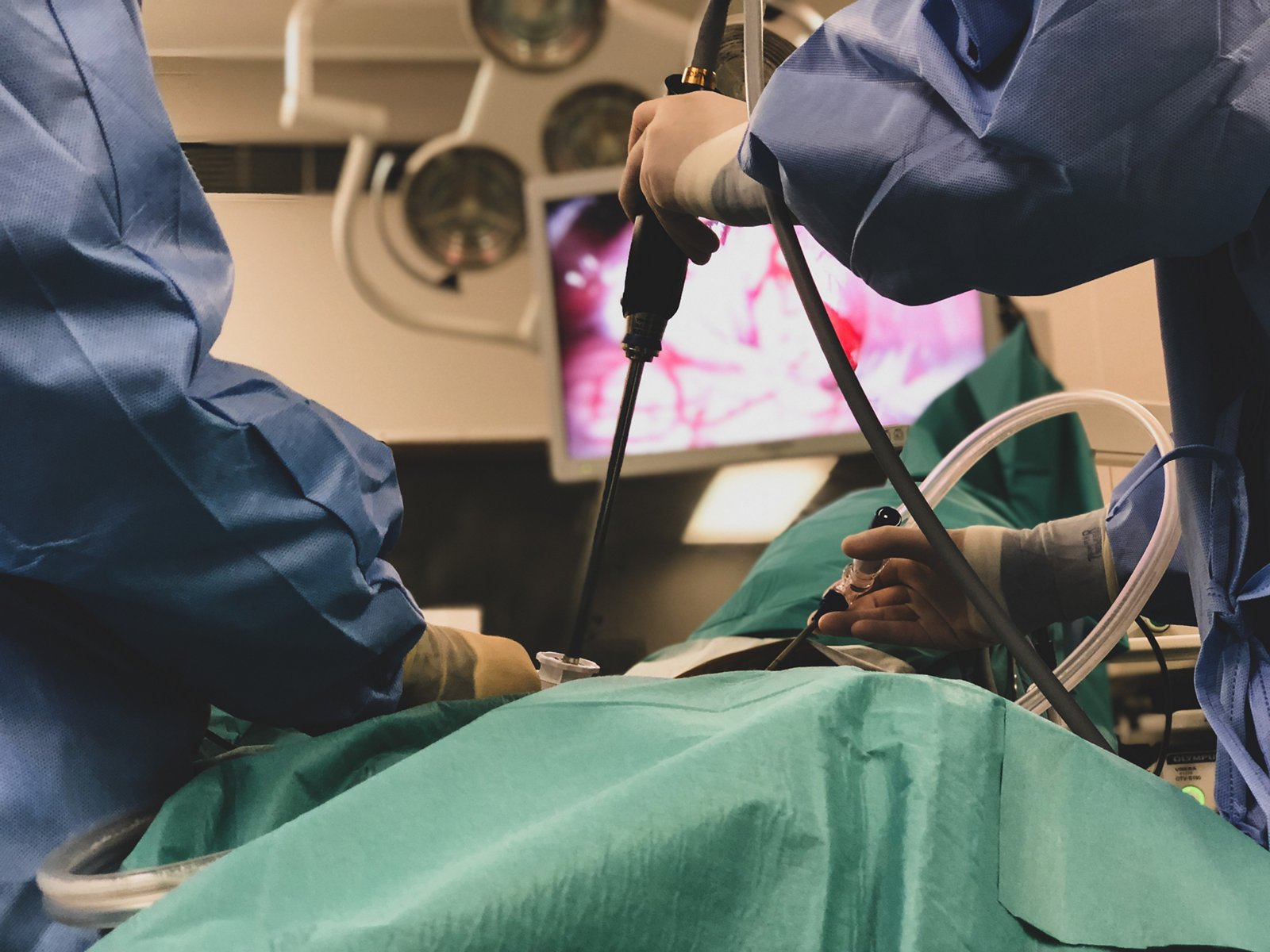
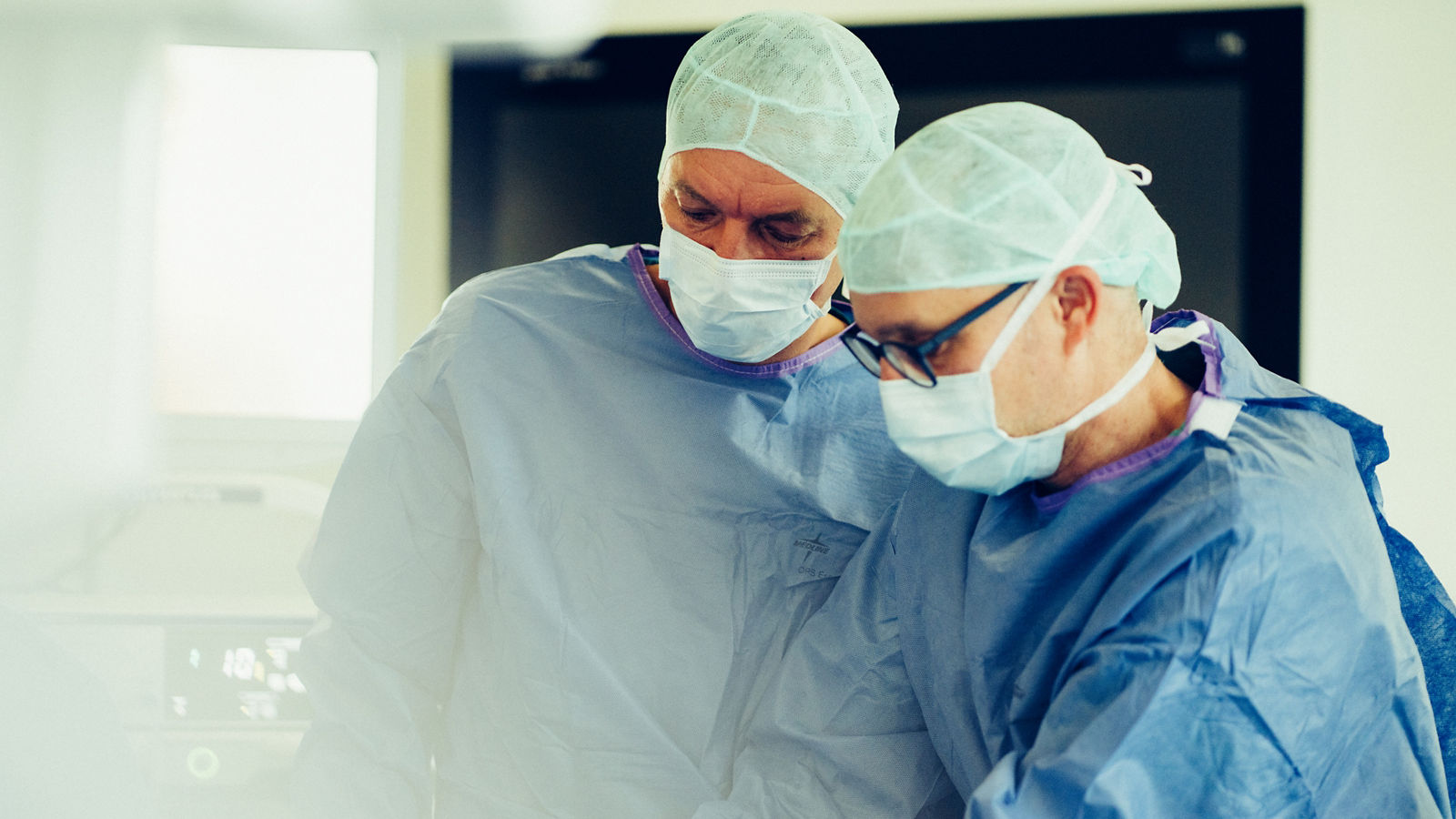
Under general anesthesia, an ultra-thin, flexible catheter equipped with a sensor and camera is inserted into the bronchi via the breathing tube. A control console is used to steer the catheter and guide it to the target nodules. During the procedure, the target position is additionally verified using state-of-the-art cone-beam computed tomography. This enables tissue sampling with millimeter precision.
If suspicion of bronchial cancer is confirmed after the procedure, pulmonologists, thoracic surgeons, oncologists, and radiologists promptly determine an individualized treatment strategy in an interdisciplinary tumor board.
A first in Germany
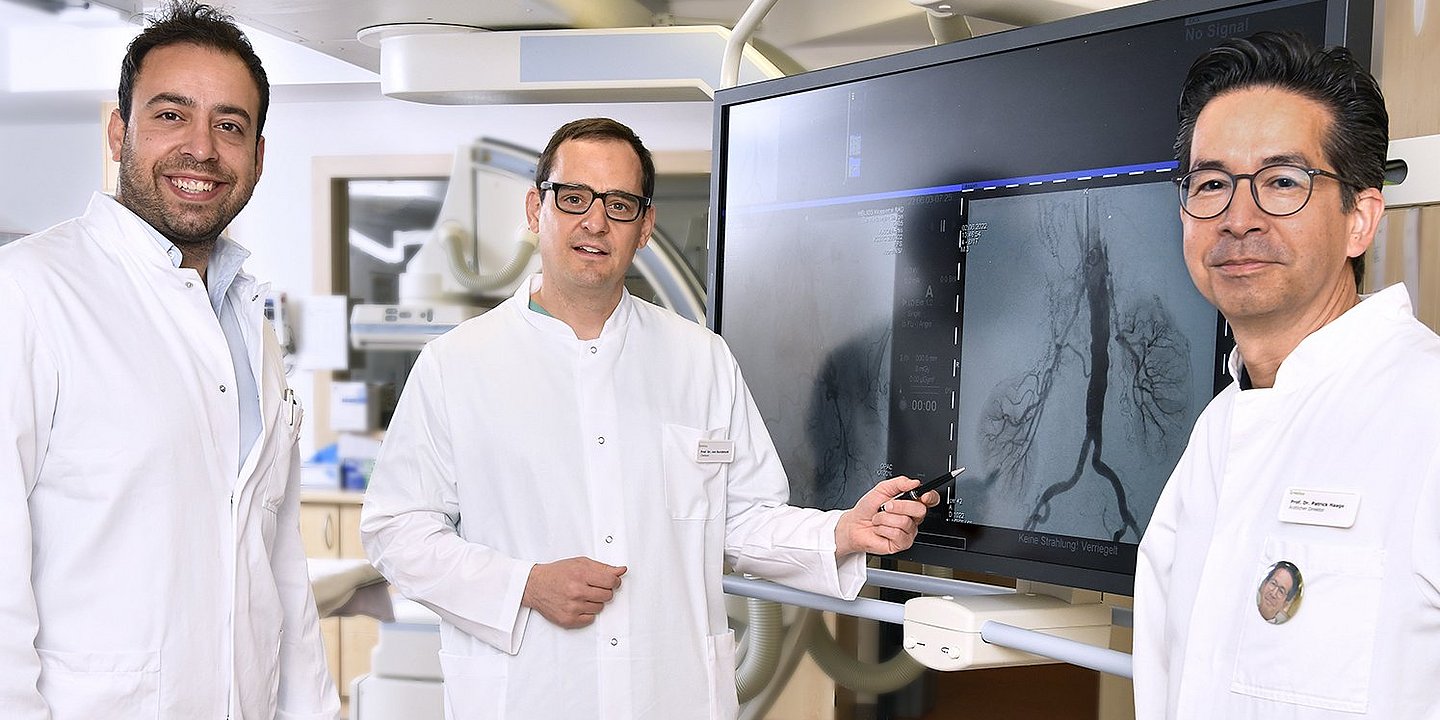
Helios clinics have become the third hospital in Germany to use this robotic system in routine patient care. At present, the system is otherwise used only at two university hospitals. “The system is highly precise, and the risk of complications is lower than with previous methods. Several lesions can be examined in a single session,” explains Dr. Christ.
"Depending on the stage, treatment may range from minimally invasive surgery at the robotic centers of the Helios sites in Berlin and Wiesbaden to radiation therapy and chemo-/immunotherapy. Thanks to the precise diagnostics provided by the robotic system, we are able to start treatment significantly earlier"
– Prof. Dr. med. Torsten Bauer, Head Physician, Department of Pneumology Helios Clinic Emil von Behring
At the Helios clinics in Berlin and Wiesbaden, the use of the system is subject to scientific monitoring, and suitable patients have the opportunity to participate in clinical studies.
Advantages of the Ion robotic bronchoscopy system
The catheter position is monitored in real time and verified using cone-beam computed tomography, enabling tissue sampling with millimeter accuracy.
An ultra-thin, flexible catheter equipped with a sensor and camera is inserted into the bronchi, allowing its position to be tracked in real time.
The system’s software creates a digital replica of the airways.
Read more:
Do you need more information about Helios Hospitals or want to schedule your treatment?