Park Hospital Leipzig: Research on innovative treatment methods for colorectal cancer
The study is aimed at patients with liver metastases from advanced-stage colorectal cancer and investigates an innovative form of local chemotherapy. At the same time, the hospital highlights its particular strength in modern oncology: through close interdisciplinary collaboration between the Visceral Oncology Center, the Center for Minimally Invasive Therapy, and the Thoracic Oncology Center, the institution provides care at the highest medical level.
By participating in the international DEL-LIVER study, Helios Park Hospital Leipzig is making a strong contribution to modern cancer medicine. As the first center in Germany and the second in Europe among the 30 participating study sites worldwide, the first patient in Leipzig has already been evaluated.
The aim of the study is to investigate a new treatment option for patients with stage IV colorectal liver metastases—those whose colorectal cancer has spread to the liver and who have very limited treatment options remaining.
Colorectal liver metastases: prevalence and treatment options
“Liver metastases are among the most common consequences of colorectal cancer. Between 25% and 50% of all patients with colorectal cancer develop liver metastases during the course of the disease. The reason lies in the specific anatomical situation: blood from the intestines flows directly into the liver first. As a result, it is often the first organ where tumor cells settle,”
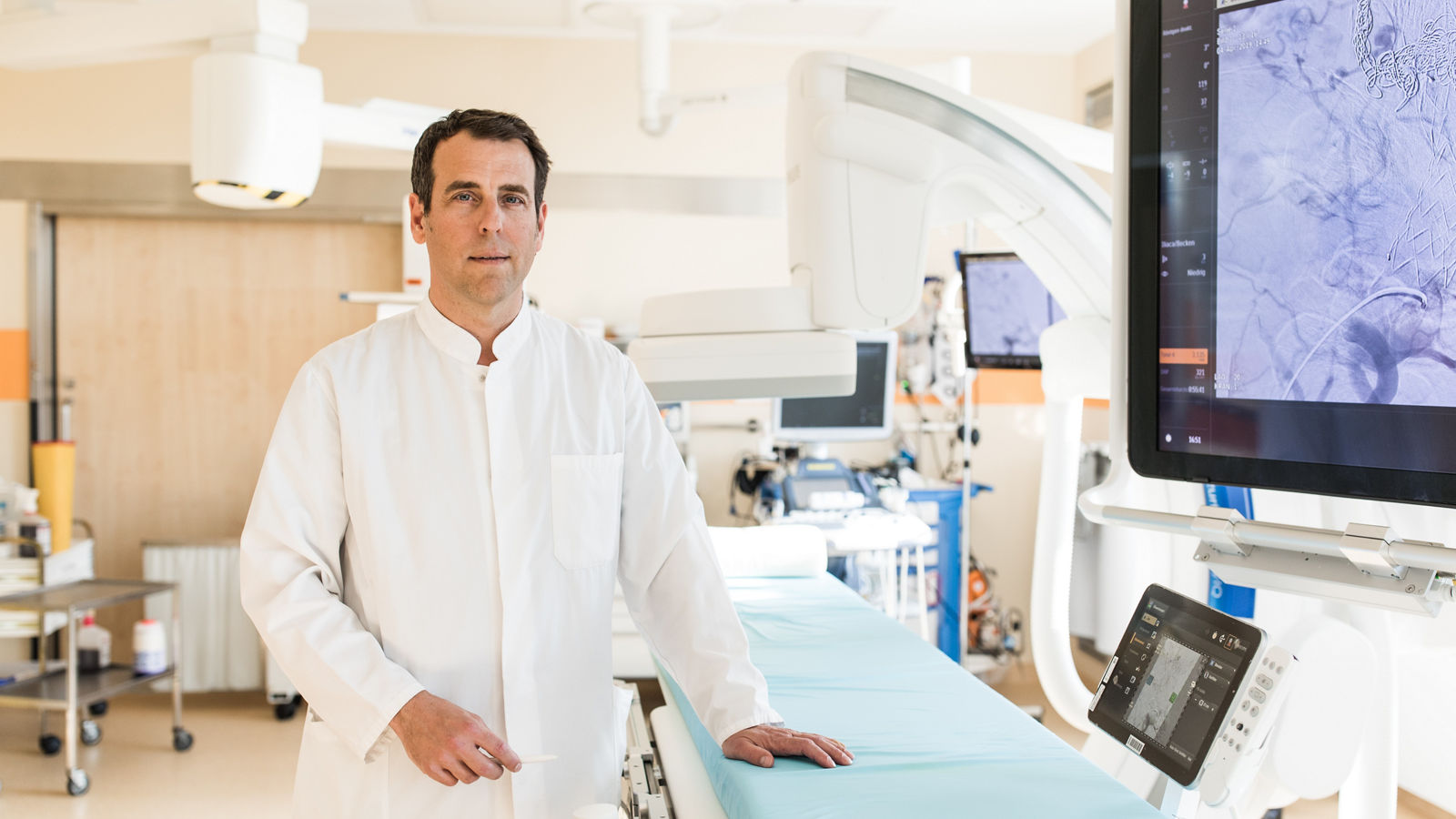
explains Michael Moche, Chief Physician of Interventional Radiology, Head of the Interdisciplinary Vascular Center, and principal investigator of the study at Helios Park Hospital Leipzig.
Depending on the stage of the disease, different treatment options are available for liver metastases. At Helios Park Hospital Leipzig, these are tailored individually through interdisciplinary collaboration between oncology, visceral surgery, and interventional radiology.
These include:
-
systemic chemotherapy
-
surgical procedures
-
and increasingly, minimally invasive local therapies
With these local therapies, metastases can be specifically destroyed using heat, cold, or electrical energy without subjecting the patient to major surgery. In early stages of the disease, these approaches often allow for gentle and safe treatment, enabling patients to return to their normal lives more quickly.
Treatment becomes more challenging when metastases are neither resectable nor treatable locally. In such cases, systemic chemotherapy is usually the only option. It can often slow disease progression and extend survival, but its effectiveness becomes limited, especially in later lines of therapy.
While first- and second-line therapies often achieve good to very good results, effectiveness declines significantly in the third line of treatment. This is precisely where the DEL-LIVER study comes in.
Innovative chemosaturation procedure
At the center of the study is so-called chemosaturation — a procedure in which the liver is temporarily separated from the systemic circulation in order to treat the organ with high-dose chemotherapy in a targeted manner.
The liver is considered a highly resilient organ and can tolerate much higher drug doses than can be administered to the entire body. In the normal systemic circulation, however, dosage is limited by the tolerance of other organs. Therefore, the method used in the study aims to treat the liver in isolation while largely protecting the rest of the body.
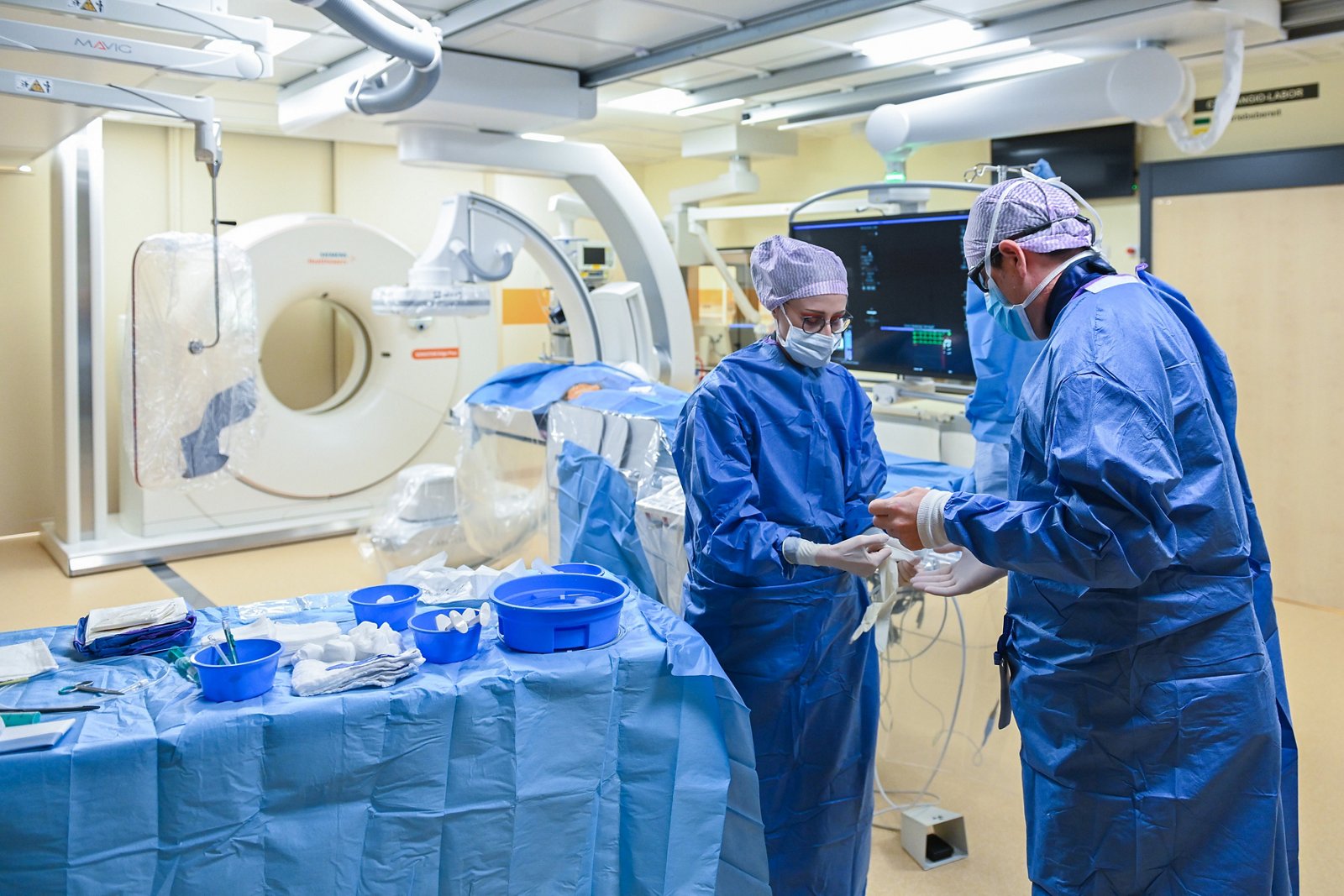
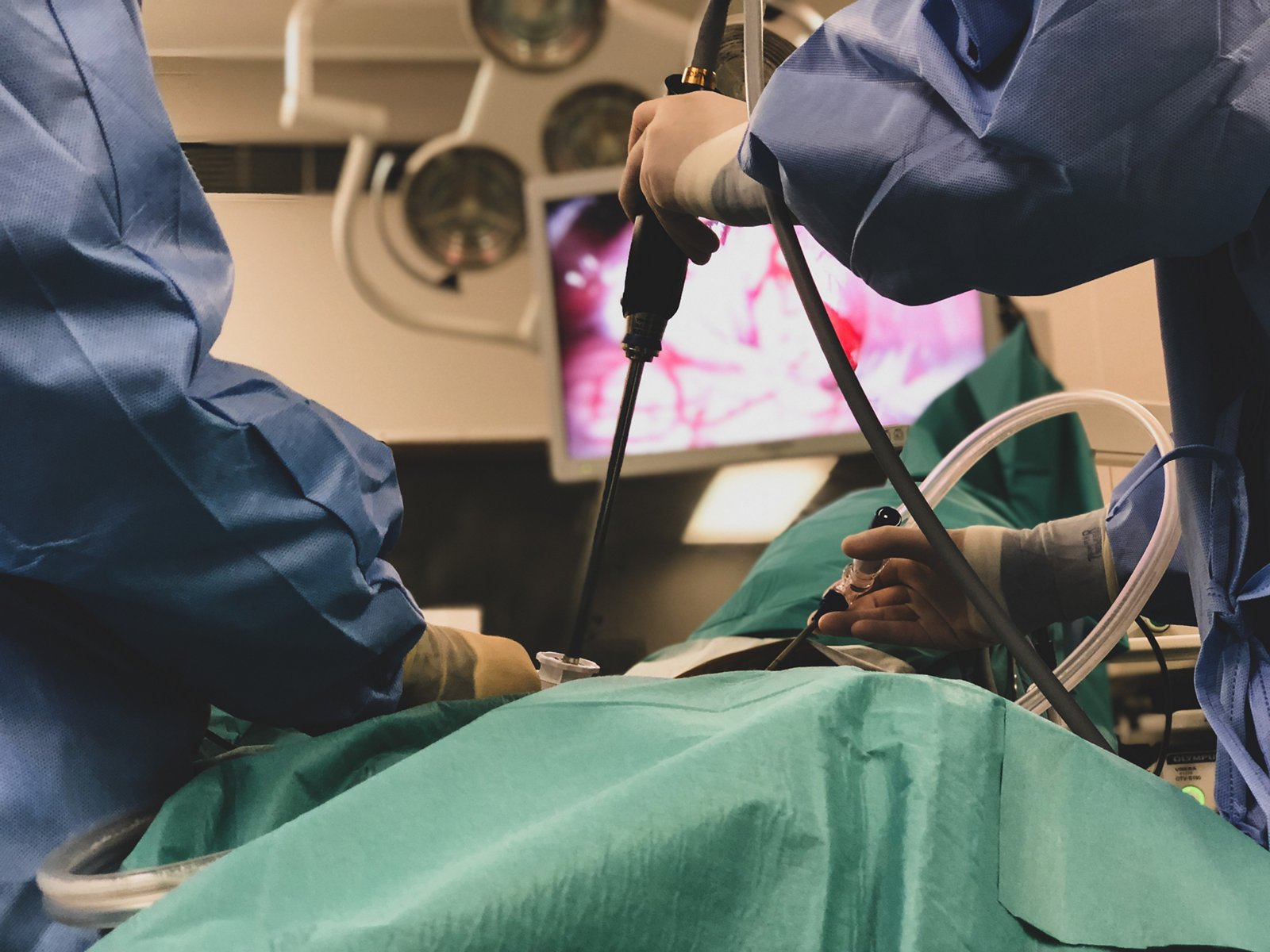
Chemosaturation is performed in an inpatient setting under general anesthesia. Several catheters are inserted minimally invasively via the neck and groin. Through a separate minimally invasive access, the hepatic artery is cannulated under imaging guidance to deliver the cytostatic agent directly into the liver.
The drug-enriched blood is then removed from the body using a special system, filtered externally, and returned to the bloodstream. This approach is intended to prevent the high-dose therapy from affecting other organs to the same extent as conventional systemic chemotherapy.
The concept of isolating an organ for treatment originally comes from the management of liver metastases in uveal melanoma. In this disease, numerous scientific studies have demonstrated the effectiveness of the method, and it has been incorporated into clinical guidelines.
The DEL-LIVER study is now investigating whether this approach can also be applied to colorectal liver metastases. Within the study:
-
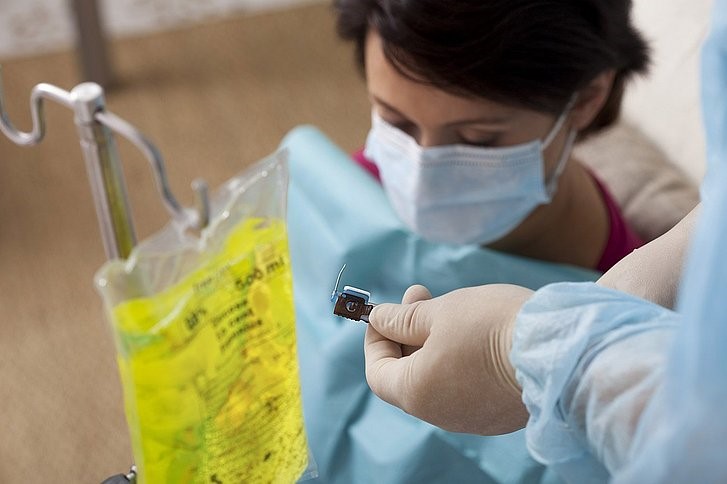
one group receives standard third-line chemotherapy directly via outpatient intravenous infusion
-
the second group initially undergoes two sessions of chemosaturation, followed by standard third-line chemotherapy
"With the DEL-LIVER study, we are evaluating a highly innovative therapeutic approach for patients whose treatment options are limited at a very advanced stage of disease. Our goal is to treat liver metastases in a more targeted and intensive way without unnecessarily burdening the entire organism. Being the first center in Germany to be initiated for this study and now able to enroll patients highlights our high level of expertise and the close interdisciplinary collaboration at our site"
adds Michael Moche.
Participation in the DEL-LIVER study is only possible for selected patients due to strict inclusion criteria. Helios Park Hospital Leipzig is actively recruiting suitable study participants. Interested individuals can find further information about the requirements and study process on the hospital’s website, on the page of the Center for Minimally Invasive Therapy.
Read more:
Do you need more information about Helios Hospitals or want to schedule your treatment?