
Breast cancer treatment
- Classification and staging of breast cancer
- Breast cancer surgery
- Chemotherapy
- Hormone therapy
- Antibody therapy
- Immunotherapy
- Radiation therapy
- Breast сancer in men
- Breast reconstruction
- Breast cancer treatment at Helios hospitals
Breast cancer is the malignant, uncontrolled growth of cells that form a tumor. In medical terminology, breast cancer is referred to as “breast carcinoma” (from the Latin word “mamma,” meaning breast). Depending on the origin and spread of the disease, different types of breast cancer are distinguished and, accordingly, different treatment options are recommended.
Classification and staging of breast cancer
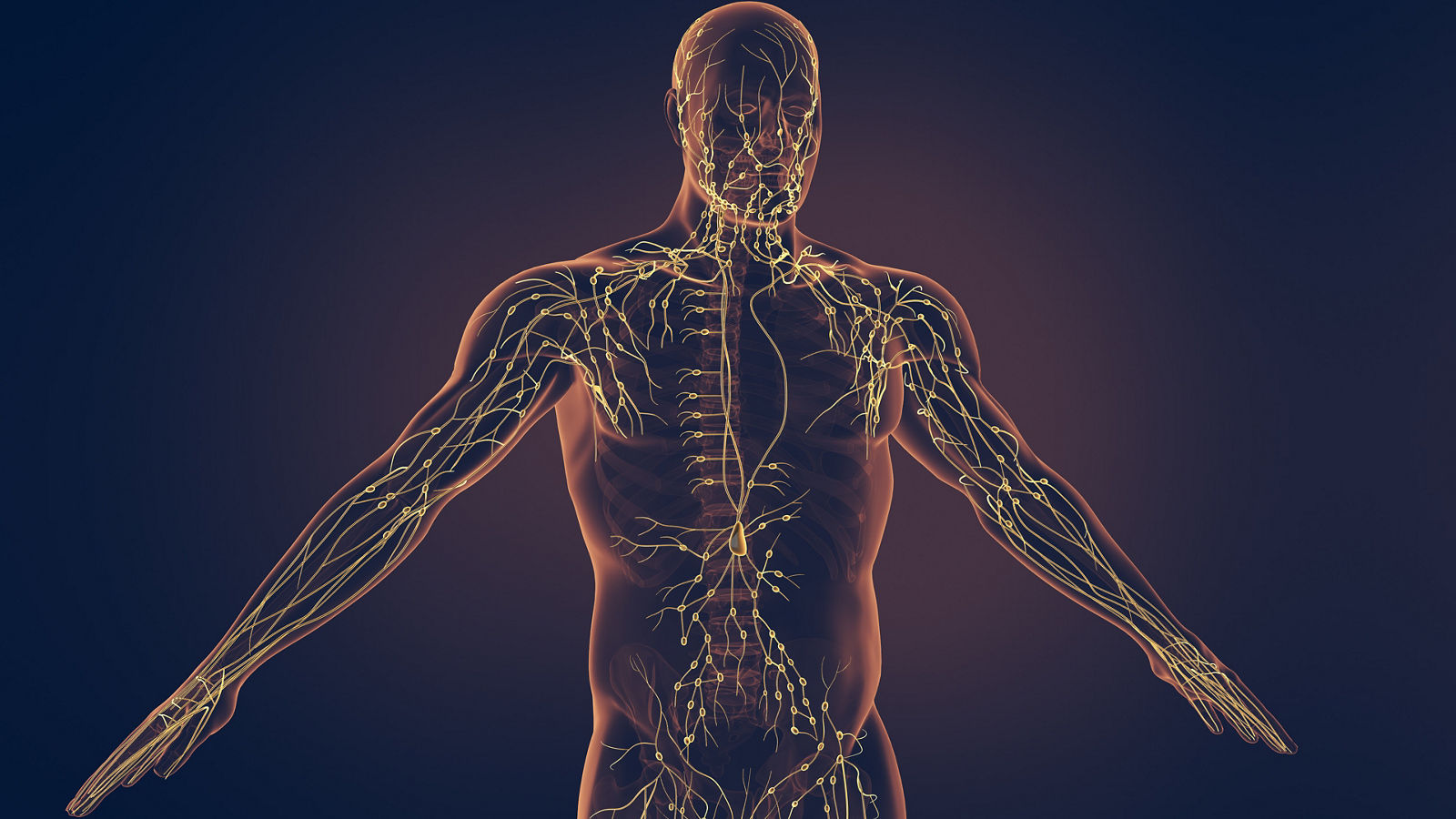
Breast cancer is classified according to the type of tumor, the extent of the disease, and its biological characteristics. At diagnosis, doctors assess the size and location of the tumor, the involvement of regional lymph nodes, and the presence or absence of distant metastases. The international TNM system is used for staging: T (Tumor) describes the size and extent of the primary tumor, N (Nodes) indicates whether lymph nodes are affected, and M (Metastasis) refers to the presence of distant metastases. Based on these findings, breast cancer is assigned a stage ranging from 0 to IV.
The biological classification of the tumor is equally important. Analysis of tissue obtained through a biopsy or surgery determines the histological type and tumor grade, the presence of estrogen and progesterone receptors (ER/PR), HER2 status, and other relevant biomarkers. These characteristics help distinguish between hormone receptor-positive, HER2-positive, and triple-negative breast cancers and play a key role in selecting systemic treatment, including hormone therapy, targeted therapy, immunotherapy, and chemotherapy.
In stage IV breast cancer, cancer cells have spread beyond the breast and regional lymph nodes to form distant metastases. The most common sites of metastasis include the bones, liver, lungs, and brain. Even in metastatic breast cancer, a wide range of treatment options is available. Modern systemic therapies can help control the disease, reduce tumor burden and symptoms, and significantly prolong survival for many patients.
Breast cancer surgery
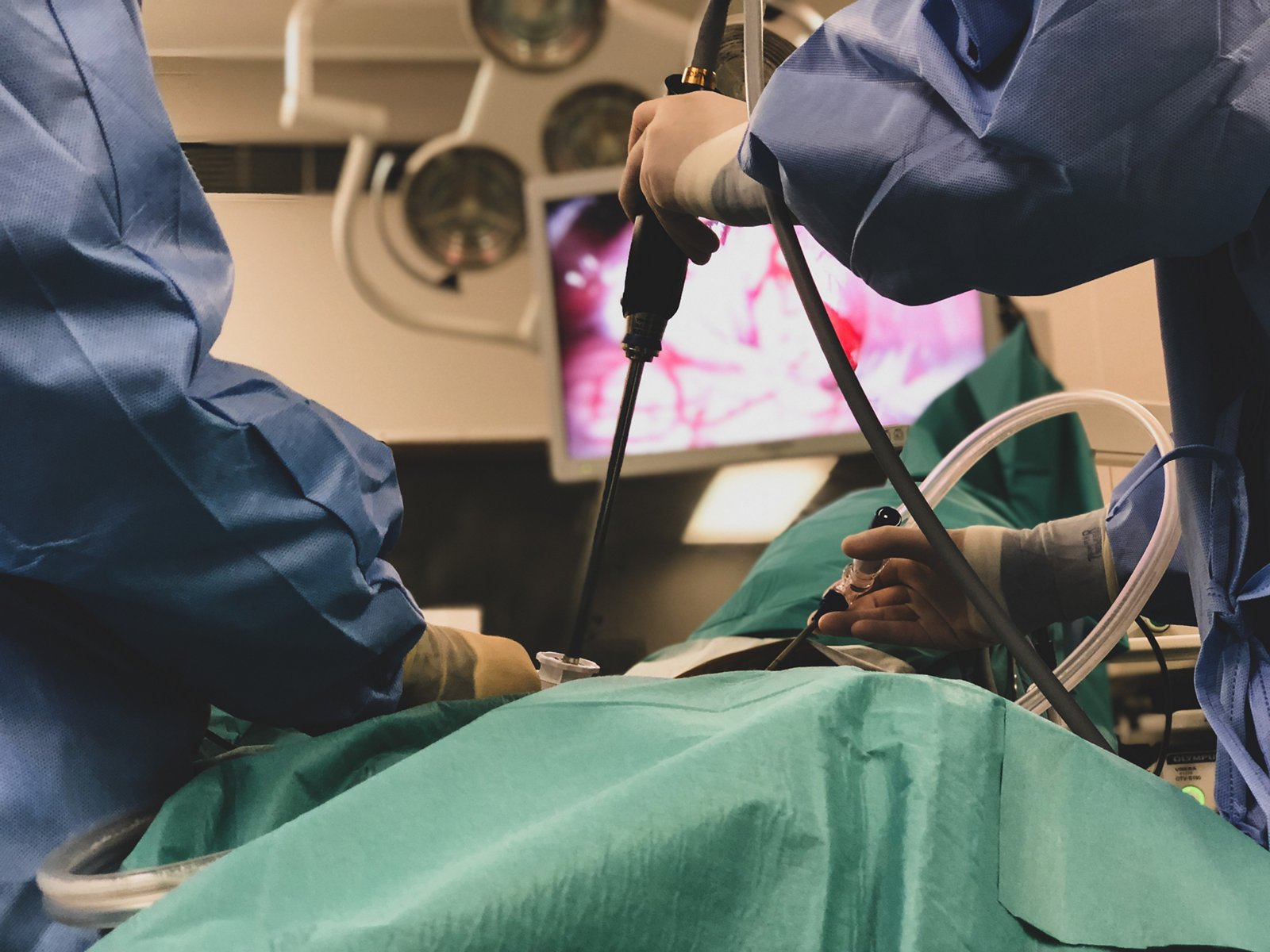
Surgery is one of the main treatment options for breast cancer. Depending on the extent of the disease and the location of the cancer cells, different types of surgical procedures may be considered:
- Removal of the tumor (lumpectomy). Under general or local anesthesia, an incision is made in the skin over the tumor. The tumor is removed together with a margin of surrounding healthy tissue, and the specimen is marked so that the pathologist can accurately identify the tumor’s original location within the breast. The resulting tissue defect is usually small and rarely requires reconstructive surgery. In most cases, women notice little or no visible loss of breast volume. This procedure is generally suitable for smaller tumors with a favorable tumor-to-breast size ratio.
- Partial removal of breast tissue (partial mastectomy). This procedure is similar to a lumpectomy but involves the removal of a larger amount of breast tissue. The fascia beneath the tumor and, in some cases, a portion of the skin overlying the tumor may also be removed. The resulting tissue defect can be more extensive and may require subsequent breast reconstruction or oncoplastic surgery.
- Complete removal of the breast (radical mastectomy). A mastectomy is a surgical procedure in which all or nearly all of the glandular breast tissue is removed. Different types of mastectomy can be performed. For example, a skin-sparing mastectomy preserves most of the breast skin, while a nipple-sparing mastectomy also preserves the nipple and areola when this is considered oncologically safe. These approaches can facilitate immediate breast reconstruction.
- Removal of the nipple. The milk ducts converge in the nipple area. If breast cancer originates in the milk ducts or involves tissue close to the nipple, surgical removal of the nipple may be necessary. In some cases, it is not possible to determine during the initial surgery whether the nipple is affected by cancer. Depending on the final pathology results, removal of the nipple may be recommended as part of a second, less extensive procedure.
Chemotherapy
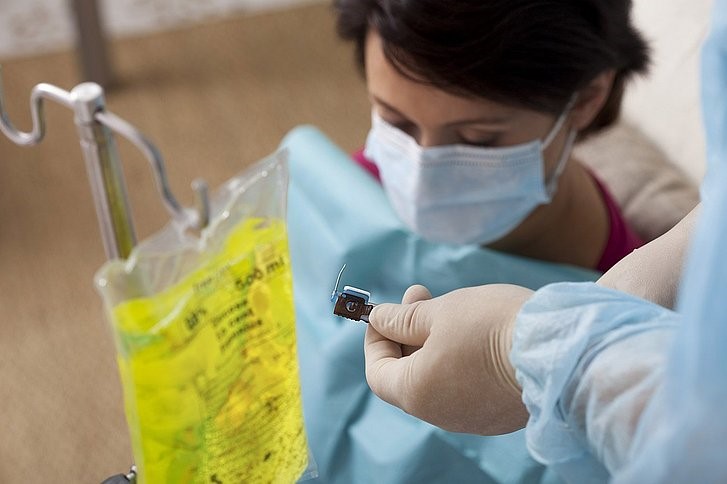
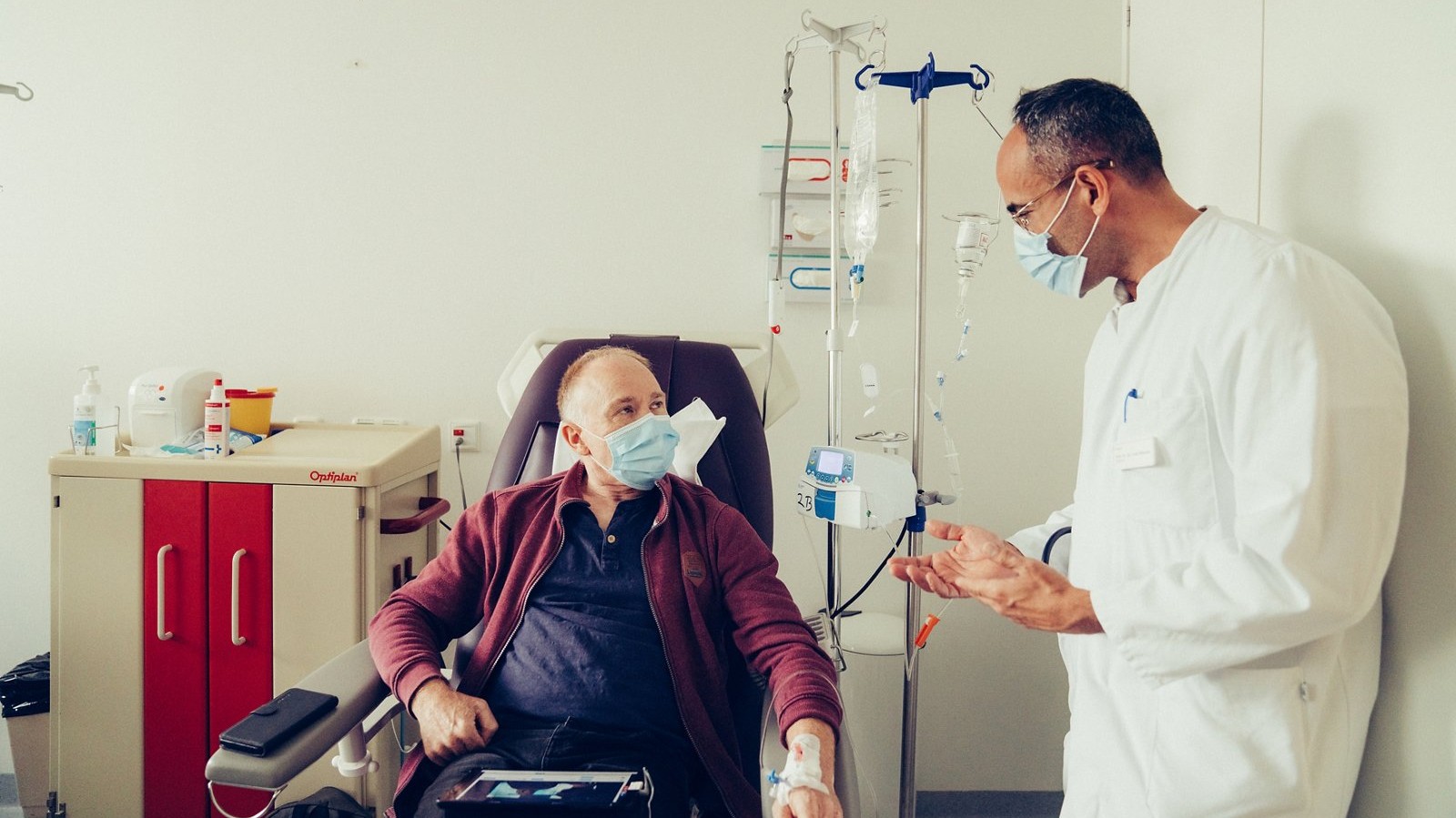
Chemotherapy may be administered before surgery to reduce the size of the tumor and thereby improve the outcome of subsequent surgical treatment. This approach is known as neoadjuvant chemotherapy. Chemotherapy may also be required after surgery. Known as adjuvant chemotherapy, this approach is primarily used to reduce the risk of cancer recurrence and metastatic spread.
Chemotherapy usually involves a combination of different anticancer drugs. The treatment regimen determines in advance which medications will be administered, at what doses, and according to what schedule. Treatment is given in cycles, with the timing and frequency depending on the specific chemotherapy regimen. Chemotherapy is administered under the supervision of physicians experienced in systemic cancer treatment.
Patients with metastatic breast cancer receive systemic therapy tailored to their individual situation, taking into account their general health, the biological characteristics of the tumor, previous treatments, and the extent and progression of metastatic disease. Depending on these factors, chemotherapy may be administered as single-agent chemotherapy (monochemotherapy) or as combination chemotherapy (polychemotherapy).
Today, a growing range of modern systemic therapies is available for metastatic breast cancer, including targeted therapies, antibody-based treatments, antibody-drug conjugates (ADCs), and immunotherapy. Depending on the biological characteristics of the tumor, some treatments may also be combined with endocrine (hormone) therapy. These advances have significantly expanded treatment options and can improve disease control, survival, tolerability, and quality of life for many patients.
Hormone therapy
Hormone therapy is particularly suitable for patients with hormone receptor-positive breast cancer. Estrogen and progesterone, two naturally occurring female sex hormones, can stimulate the growth of certain breast cancer cells. Laboratory testing is therefore performed to determine whether the tumor cells have estrogen receptors (ER) and/or progesterone receptors (PR) and are potentially hormone-sensitive. If the tumor is hormone receptor-positive, endocrine (anti-hormonal) therapy may be recommended. Several types of medications are available, with different mechanisms of action.
Depending on the individual situation and menopausal status, endocrine therapy may include the anti-estrogen drug tamoxifen or an aromatase inhibitor, with treatment commonly continuing for five to ten years after surgery. In premenopausal women, medications known as GnRH agonists (GnRH analogues) may also be used to suppress ovarian function and reduce estrogen production.
Antibody therapy
Antibody therapy is one of the modern forms of targeted treatment for breast cancer. Unlike conventional chemotherapy, monoclonal antibodies are designed to recognize specific molecular targets on cancer cells and act more selectively against the tumor. One of the best-known examples is the treatment of HER2-positive breast cancer with HER2-targeted antibodies such as trastuzumab and pertuzumab. Antibody therapy may be used before or after surgery, as well as in metastatic breast cancer, either alone or in combination with other systemic treatments.
A particularly important development in modern breast cancer treatment is the use of antibody-drug conjugates (ADCs). These therapies combine a targeted antibody with a potent anticancer drug: the antibody acts as a “carrier,” helping deliver the drug to cancer cells expressing the relevant molecular target. Examples include trastuzumab deruxtecan (T-DXd) and sacituzumab govitecan. The choice of antibody-based therapy depends on the biological characteristics of the tumor, particularly its HER2 status and other biomarkers, as well as the stage of the disease and previous treatments.
Read more about advances in antibody therapy for breast cancer at Helios ⟶
Immunotherapy
In breast cancer, immunotherapy is used primarily for certain forms of triple-negative breast cancer (TNBC). It helps the immune system recognize cancer cells and fight them more effectively. One of the drugs used is pembrolizumab, an immune checkpoint inhibitor that targets the PD-1 signaling pathway. Depending on the stage and biological characteristics of the tumor, immunotherapy may be administered in combination with chemotherapy for both high-risk early-stage breast cancer and certain forms of metastatic disease.
Radiation therapy
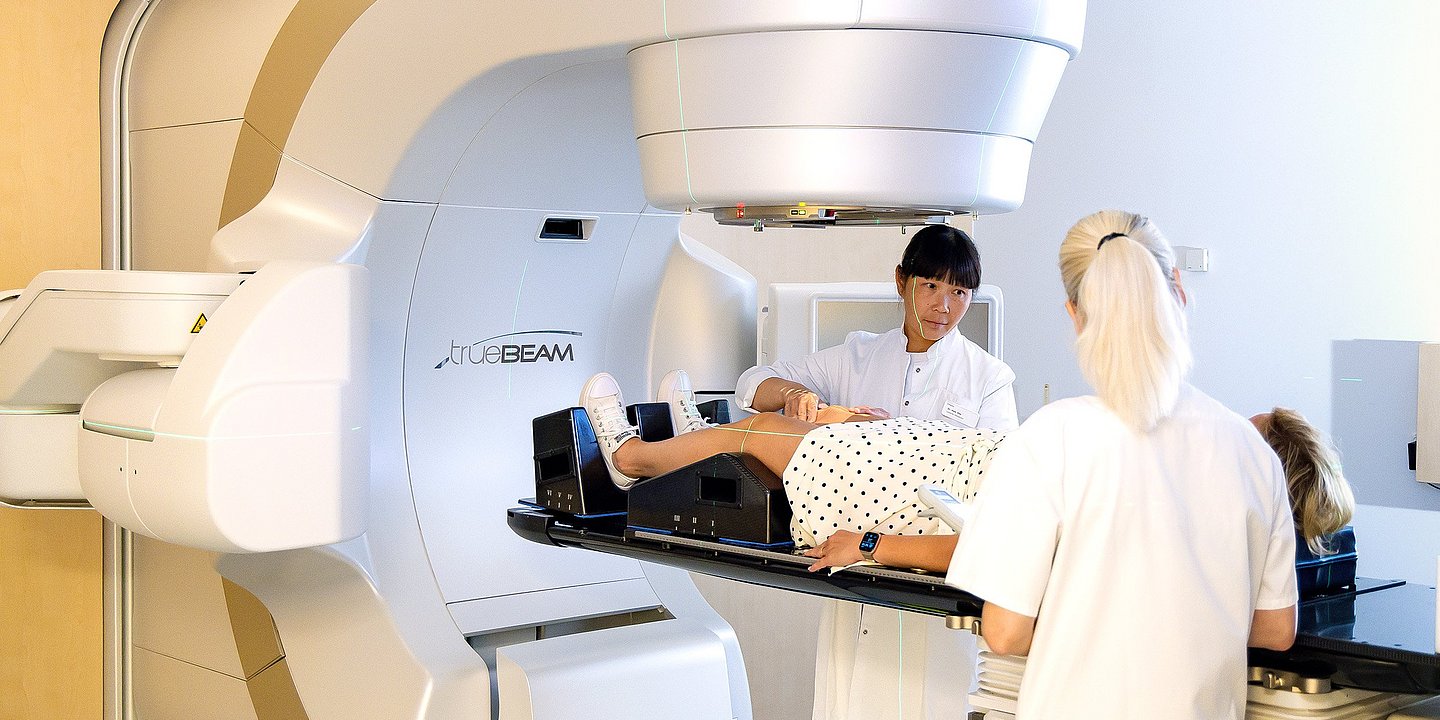
Radiation therapy is an important part of comprehensive breast cancer treatment and is most commonly performed after surgical removal of the tumor. Its purpose is to destroy any remaining cancer cells in the breast or regional lymph nodes, thereby reducing the risk of local recurrence. Radiation therapy is particularly common after breast-conserving surgery, while after a mastectomy, the need for radiation is determined individually based on tumor size, lymph node involvement, and other risk factors. Modern radiation techniques allow the treatment to be precisely targeted while minimizing exposure to surrounding healthy tissues and organs.
A specialized form of treatment is intraoperative radiation therapy (IORT), in which a targeted dose of radiation is delivered directly to the tumor bed during surgery, immediately after the tumor has been removed. This approach targets the area at highest risk of containing residual microscopic cancer cells while reducing radiation exposure to surrounding healthy tissues. Depending on the individual clinical situation, IORT may be used as part of a subsequent course of radiation therapy, potentially shortening its duration. In carefully selected patients with early-stage breast cancer, it may also be considered as the sole form of local radiation treatment.
Whether IORT is appropriate depends on several individual factors, including the patient’s age, tumor size and biological characteristics, lymph node status, and other clinical considerations. For this reason, the decision to use intraoperative radiation therapy is generally made by a multidisciplinary team of breast surgeons, radiation oncologists, and medical oncologists during treatment planning.
Breast сancer in men
Breast cancer in men is significantly less common than in women: men account for approximately 1% of patients diagnosed with breast cancer. The disease is more commonly diagnosed at an older age and may sometimes be detected later because changes in the breast area are not always immediately recognized as potential signs of cancer. An increased risk may be associated with hereditary factors, particularly BRCA2 mutations, a family history of breast cancer, hormonal factors, and certain other conditions.
As in women, breast cancer in men can have different histological and biological subtypes. The most common type is invasive ductal carcinoma, and the majority of tumors are hormone receptor-positive (ER/PR-positive). HER2-positive and triple-negative breast cancers are less common in men. To determine the most appropriate treatment, tumor tissue is analyzed to establish the histological type, tumor grade, ER/PR and HER2 status, as well as the stage of the disease and lymph node involvement. Due to the greater likelihood of hereditary predisposition, men diagnosed with breast cancer may also be advised to undergo genetic counseling and testing, particularly for BRCA1/2 mutations.
In general, breast cancer treatment in men follows many of the same principles as treatment in women. Depending on the stage and biological characteristics of the tumor, treatment may include surgery, radiation therapy, hormone therapy, chemotherapy, targeted therapy, and immunotherapy. Because men have a smaller amount of breast tissue, surgery more commonly involves a mastectomy, although breast-conserving surgery followed by radiation therapy may be an option in selected cases.
Read more about breast cancer in men ⟶
Breast reconstruction
Breast reconstruction after tumor removal can restore the shape and volume of the breast following a mastectomy or more extensive breast-conserving surgery. It may be performed at the same time as cancer surgery (immediate reconstruction) or at a later stage after the main course of cancer treatment has been completed (delayed reconstruction). The choice of reconstruction method and timing depends on the amount of tissue removed, the need for subsequent radiation therapy, the patient’s general health and anatomy, and personal preferences.
Implant-based breast reconstruction restores breast volume using a silicone implant. In some cases, the implant can be placed during the same operation as the mastectomy, particularly when the breast skin and, when oncologically safe, the nipple and areola can be preserved. In other cases, reconstruction is performed in two stages: a tissue expander is placed first to gradually stretch the skin and soft tissues and is later replaced with a permanent implant. Advantages of this approach include a shorter operation and no need to harvest tissue from another part of the body. However, potential complications include capsular contracture, implant displacement or damage, and the possibility of additional surgery in the future.
An alternative is autologous breast reconstruction, in which the patient’s own skin and fatty tissue are used to create a new breast. Tissue is most commonly taken from the lower abdomen, although the back, thighs, or buttocks may also be used in selected cases. One of the modern microsurgical techniques is the DIEP flap, in which skin and fatty tissue from the lower abdomen are transferred to the breast together with their blood vessels while preserving the abdominal muscles as much as possible. Autologous tissue can provide a soft, natural-looking breast that changes with the patient’s body over time and does not require a permanent breast implant. However, the procedure is more complex and takes longer, with recovery required both in the breast area and at the donor site.
The most appropriate reconstruction method is selected individually in consultation with the breast surgeon and plastic surgeon. Planned or previous radiation therapy is an especially important consideration, as it can affect the skin and soft tissues and increase the risk of complications with implant-based reconstruction. In some cases, a combination of reconstructive techniques may be recommended. The goal of modern breast reconstruction is not only to restore breast volume but also to achieve a natural shape and symmetry while maintaining the safety and appropriate sequence of cancer treatment.
Learn more about breast reconstruction after breast cancer ⟶
Breast cancer treatment at Helios hospitals
Helios hospitals offer advanced and effective treatment options for breast cancer across different stages and classifications. Modern medical equipment combined with the expertise of experienced physicians enables accurate diagnosis, the development of an appropriate treatment strategy, and high-quality treatment tailored to each patient.
If you are interested in arranging treatment or diagnostic services at one of the Helios hospitals, you can submit a request using the contact form on our website or contact us via the email address provided at the top of the website.
More about arranging treatment at Helios hospitals ⟶
Do you need more information about Helios Hospitals or want to schedule your treatment?