
Ovarian cancer treatment: Modern treatment methods
- Risk factors
- Symptoms
- Diagnosis
- Ovarian cancer treatment methods
- Treatment of recurrent ovarian cancer
- Fertility preservation
- Helios expertise in ovarian cancer treatment
The ovaries are paired organs of the female reproductive system located on either side of the uterus. They are responsible for producing eggs as well as important female sex hormones. Malignant tumors can develop directly in the ovaries, while tumors with similar characteristics may also arise in the fallopian tubes or peritoneum.
One of the challenges of ovarian cancer is that it often causes no specific symptoms in its early stages. Because there is considerable space within the abdominal cavity for a tumor to grow, the disease may remain undetected for a long time and may only be diagnosed after it has spread beyond the ovary. This is why it is important to be aware of potential risk factors and pay attention to changes in your health.
Risk factors for ovarian cancer
More than 320,000 women worldwide are diagnosed with ovarian cancer each year. The disease primarily affects women over the age of 60, although it can also develop at a younger age. Ovarian cancer is often diagnosed at an advanced stage because women may experience no symptoms in the early stages of the disease. Regular gynecological check-ups are therefore recommended. These examinations include a cervical smear test. If symptoms are present, an ultrasound examination of the uterus and ovaries may also be performed.
The risk of developing ovarian cancer increases with age. In addition, certain hereditary and familial factors are associated with an increased risk of the disease. Women who belong to a high-risk group should pay particular attention to regular check-ups and consult specialists experienced in the diagnosis and treatment of ovarian cancer.
Hereditary cancer risk
Certain changes in genes, known as genetic mutations, can increase an individual's risk of developing breast or ovarian cancer. This hereditary predisposition may affect several members of the same family and result in a higher incidence of cancer among blood relatives. Some of the best-studied genetic factors include mutations in the BRCA1 and BRCA2 genes, as well as Lynch syndrome and Li–Fraumeni syndrome. It is now known that some women with these genetic alterations have an increased risk of developing ovarian cancer.
Certified breast cancer centers and gynecological cancer centers use specific criteria to assess familial cancer risk. Women identified as being at increased risk may be offered enhanced surveillance and early detection programs. If any of the following criteria apply to your family, genetic counseling is recommended.
Your family history includes:
- breast cancer in at least three women, regardless of age;
- breast cancer in at least two women, with at least one diagnosed before the age of 51;
- breast cancer in at least one woman and ovarian cancer in another woman, regardless of age;
- ovarian cancer in two women, regardless of age;
- both breast and ovarian cancer in one woman, regardless of age;
- breast cancer in a woman aged 35 or younger;
- bilateral breast cancer (including cancers diagnosed at different times) in a woman aged 50 or younger;
- breast cancer in a man and breast or ovarian cancer in a woman, regardless of age;
- triple-negative breast cancer in at least one woman diagnosed before the age of 50;
- ovarian cancer in at least one woman diagnosed before the age of 80.
Symptoms of ovarian cancer
Noticeable symptoms of ovarian cancer often appear only in the later stages of the disease. This is because there is considerable space within the abdominal cavity, allowing the tumor to grow significantly before it begins to put pressure on surrounding organs. Women of all ages are therefore advised to have regular annual gynecological examinations, which can help identify possible changes in the reproductive organs.
“Ovarian cancer is insidious because it can remain asymptomatic for a long time,” — Professor Dr. Michael Friedrich, Chief Physician of the Department of Gynecology and Obstetrics at Helios Hospital Krefeld.
In addition, there are certain symptoms that should prompt women to consult a gynecologist, including to rule out cancer:
- an increase in abdominal size without weight gain;
- unexplained feelings of fullness or abdominal bloating;
- increased fatigue and weakness, particularly when accompanied by the symptoms listed above;
- bleeding between periods or after menopause.
These symptoms can also be caused by non-cancerous conditions. However, if they are particularly severe, persist for an extended period, or are completely new, it is important to consult a doctor to determine the underlying cause. The earlier ovarian cancer is detected, the better the chances of successful treatment.
Diagnosis of ovarian cancer
The type, extent, and stage of the tumor can only be definitively determined after tissue obtained during surgery has been examined under a microscope in the laboratory. However, when ovarian cancer is suspected, a number of examinations are performed to assess the likelihood of the disease and determine how far it may have spread:
- Gynecological examination with palpation — helps identify possible changes in the reproductive organs.
- Transvaginal ultrasound — allows the ovaries to be assessed for enlargement or other abnormalities.
- Abdominal ultrasound — is used to evaluate other organs and detect fluid accumulation in the abdominal cavity (ascites).
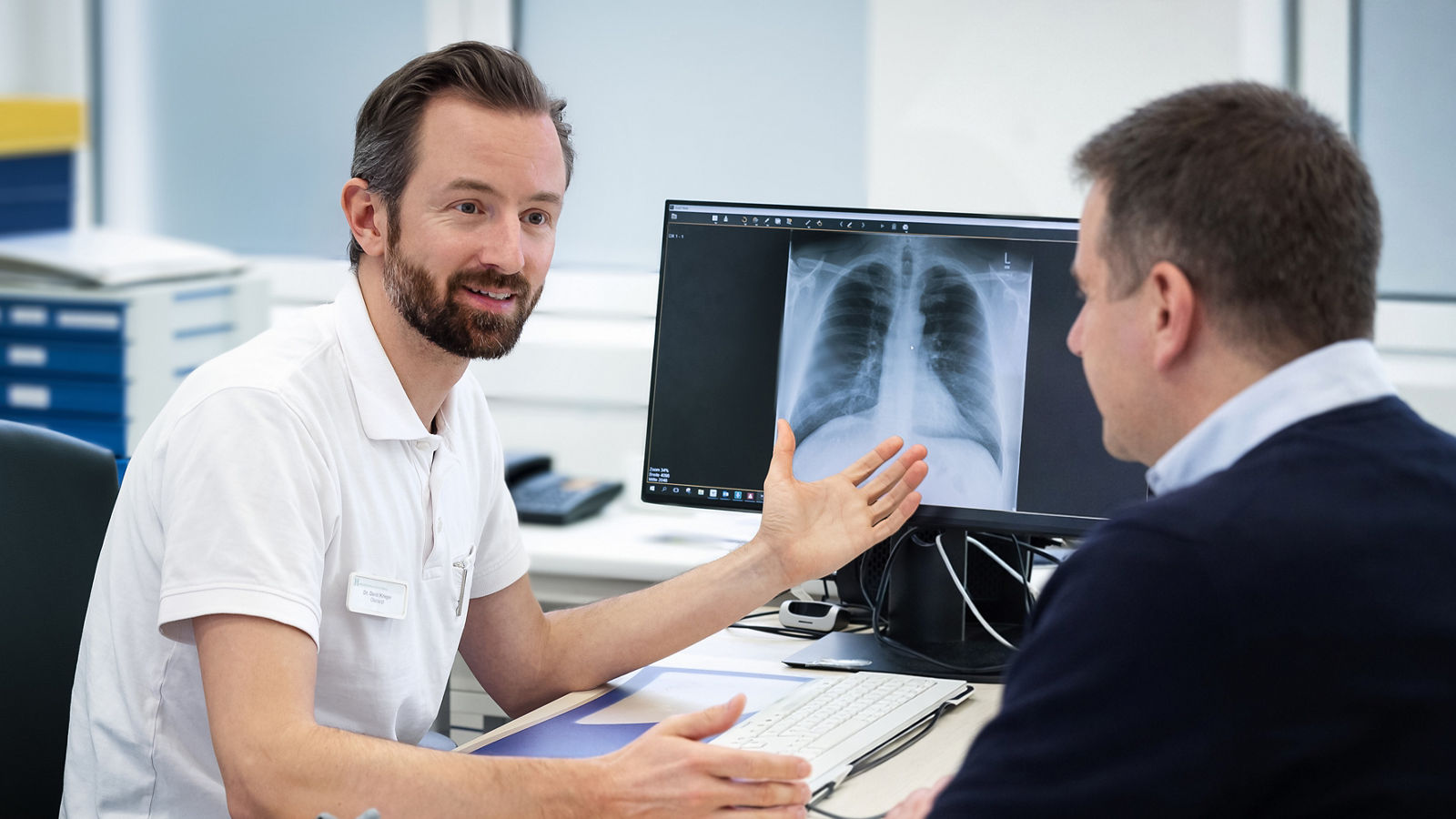
- Chest X-ray — can help detect pleural effusion, an accumulation of fluid between the lung and the pleura, as well as possible lung metastases.
- Examination of the bowel and imaging techniques, such as computed tomography (CT) and magnetic resonance imaging (MRI), can help determine whether the tumor has spread to other organs and tissues.
For confirmation of the diagnosis and development of the most appropriate treatment strategy, patients are advised to consult a specialized gynecological cancer center. There, the examination results are reviewed by a multidisciplinary team, which may include gynecologic oncologists, surgeons, medical oncologists, radiologists, and pathologists. Together, they assess the type and extent of the tumor, the patient’s overall health, and other relevant clinical factors before developing an individualized treatment plan. This multidisciplinary approach is particularly important in ovarian cancer, as treatment often involves complex surgery followed by systemic therapy.
Ovarian cancer treatment methods
Treatment for ovarian cancer depends on the type and stage of the tumor, the extent of the disease, its molecular characteristics, and the patient’s overall health. In most cases, treatment is based on a combination of surgery and systemic therapy. When determining the optimal treatment strategy, specialists also consider BRCA1/2 mutations, HRD status, previous treatments, and the likelihood of the tumor responding to specific therapies.
At specialized Helios cancer centers, treatment plans are developed by a multidisciplinary team. For complex and advanced tumors, treatment may involve gynecologic oncologists, abdominal surgeons, urologists, medical oncologists, radiologists, and pathologists working together.
Surgery and cytoreductive surgery
Surgery is one of the main components of ovarian cancer treatment. During the operation, physicians not only assess the extent of the disease and obtain tissue for histological examination but also aim to remove as much of the tumor as possible.
For advanced ovarian cancer, cytoreductive surgery may be performed. Its goal is to remove all visible tumor deposits or reduce the amount of residual tumor to the lowest possible level. This is particularly important in ovarian cancer because the disease can spread throughout the peritoneum and involve neighboring organs. The more completely visible tumor tissue can be removed, the better the conditions for subsequent systemic therapy and long-term disease control.
The extent of surgery is determined individually. In addition to removal of the ovaries, fallopian tubes, and uterus, the surgeon may need to remove affected areas of the peritoneum, the omentum, lymph nodes, or tumor deposits involving neighboring organs. Advanced disease may require multivisceral surgery — a complex procedure in which tumor deposits are removed from several anatomical areas during a single operation. Such procedures require an experienced multidisciplinary surgical team.
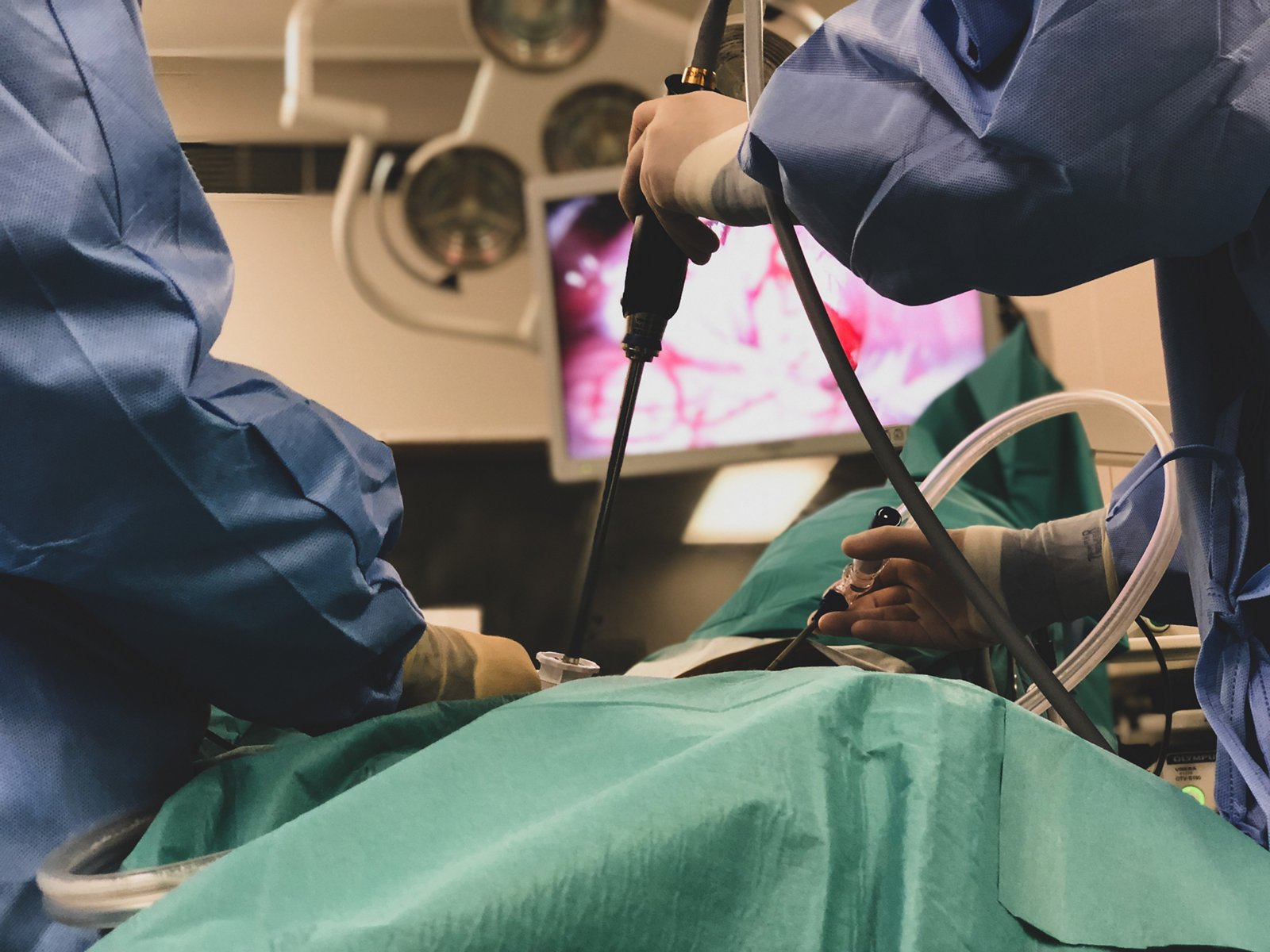
Modern gynecologic oncology also uses minimally invasive techniques, including laparoscopic and robot-assisted surgery. These procedures are performed through small incisions and, in appropriately selected cases, can reduce blood loss and surgical trauma, accelerate recovery, and shorten the hospital stay. However, in advanced ovarian cancer, the surgical approach is determined primarily by the ability to achieve the most complete tumor removal possible. Minimally invasive surgery is therefore not suitable for every patient.
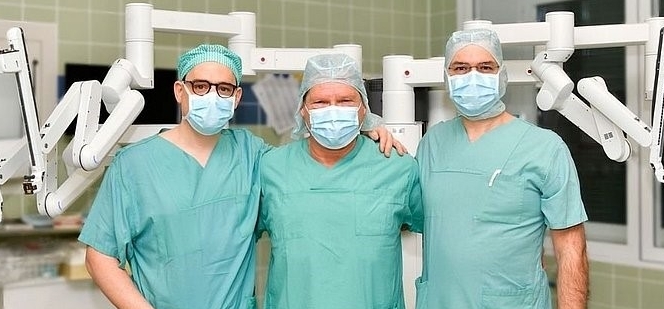
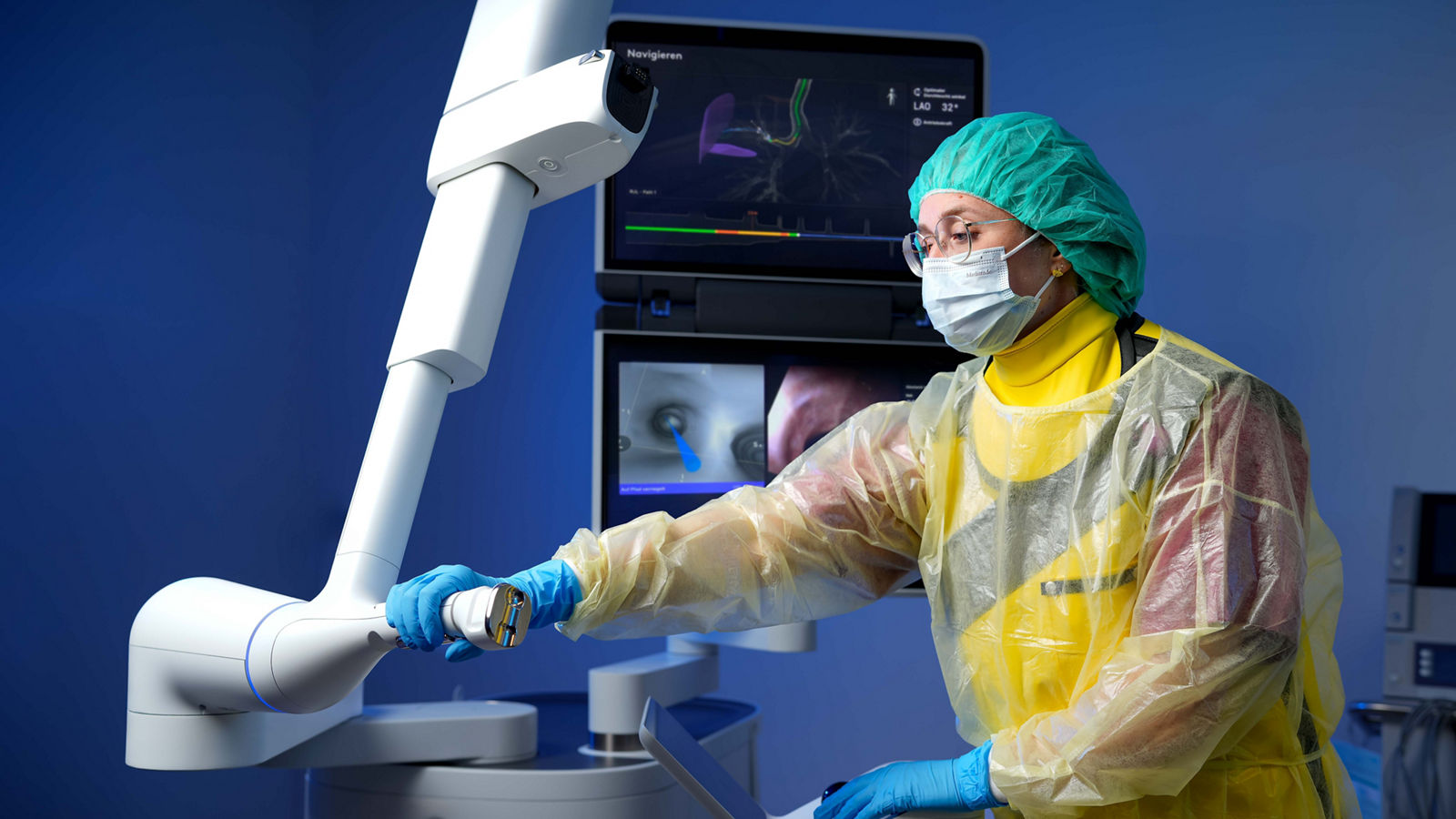
One of the Helios centers with particular expertise in robotic gynecologic surgery is Helios Hospital Erfurt. The da Vinci Xi system is used for complex gynecologic cancer surgery. It provides the surgeon with a magnified three-dimensional view of the surgical field and highly precise instrument control, enabling complex procedures to be performed through small incisions.
The choice between open, laparoscopic, and robot-assisted surgery depends on the stage and extent of the disease, involvement of neighboring organs, previous operations, and the patient’s overall health. In ovarian cancer, the primary consideration remains the oncological effectiveness of the procedure and the possibility of removing the tumor as completely as possible.
Chemotherapy
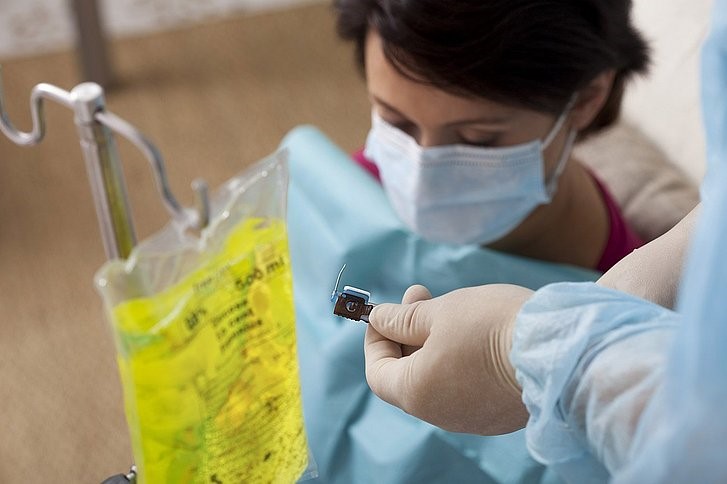
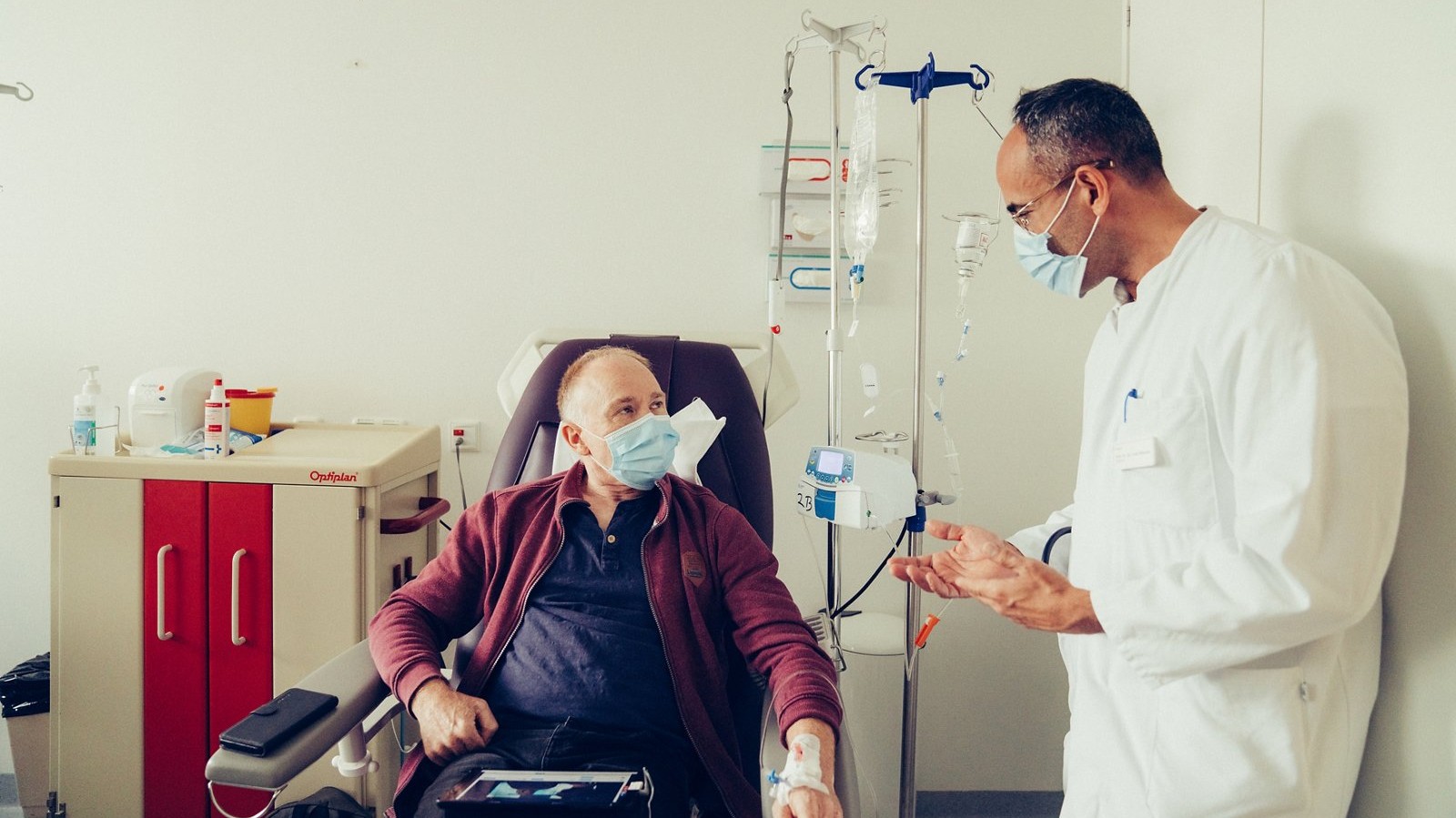
Chemotherapy is one of the main treatments for ovarian cancer and is most often used in combination with surgery. Chemotherapy drugs act systemically, circulating throughout the body and targeting cancer cells that may remain after surgery or may have spread beyond the primary tumor.
In most cases, chemotherapy is administered after surgery to destroy remaining cancer cells and reduce the risk of recurrence. Standard treatment regimens are generally based on platinum-containing drugs in combination with other cytotoxic agents.
For advanced disease, a different treatment sequence may be appropriate. If specialists determine that optimal cytoreductive surgery cannot initially be performed, the patient may receive neoadjuvant chemotherapy. After several cycles, the tumor response is assessed, and interval cytoreductive surgery may then be performed, followed by further systemic treatment.
“Systemic therapy in gynecologic oncology has undergone a true revolution in recent years,” — Professor Michael Untch, Head of the Research Center at the Certified Breast Cancer Center and Certified Gynecological Cancer Center at Helios Hospital Berlin-Buch.
Chemotherapy also remains an important treatment option for recurrent ovarian cancer. The choice of drugs depends on previous treatments, the duration of the progression-free interval, the patient’s overall condition, and the biological characteristics of the tumor.
Intraperitoneal chemotherapy: HIPEC and PIPAC
In advanced ovarian cancer, cancer cells often spread to the peritoneum, the membrane that lines the abdominal cavity and covers the internal organs. In selected clinical situations, alongside systemic treatment, approaches that deliver anticancer drugs directly into the abdominal cavity may be considered.
HIPEC (hyperthermic intraperitoneal chemotherapy) is administered directly during surgery. After the visible tumor deposits have been removed as completely as possible, the abdominal cavity is perfused for a defined period with a heated chemotherapy solution. This approach provides a high local concentration of the drug in areas where microscopic tumor cells may remain. Heating the solution may also enhance the effect of chemotherapy on cancer cells.
PIPAC (pressurized intraperitoneal aerosol chemotherapy) is a minimally invasive approach. During laparoscopy, chemotherapy is delivered into the abdominal cavity as a fine aerosol under pressure, allowing the drug to distribute across the surface of the peritoneum. Unlike HIPEC, PIPAC does not require extensive cytoreductive surgery and, when clinically appropriate, can be performed repeatedly.
Helios Hospital Berlin-Buch has particular expertise in these techniques. The center has many years of experience in treating tumors involving the peritoneum and uses both HIPEC and PIPAC as part of specialized surgical and oncological treatment.
HIPEC and PIPAC are not suitable for every patient with ovarian cancer. The decision to use these techniques is made individually by a multidisciplinary team, taking into account the extent of peritoneal involvement, the feasibility of surgical tumor removal, previous treatments, and the patient’s overall condition.
Targeted therapy
Modern ovarian cancer treatment increasingly takes into account not only the location and stage of the tumor but also its molecular and genetic characteristics. Targeted therapies act on specific mechanisms that cancer cells use for growth, DNA repair, or the formation of new blood vessels.
One of the most important approaches involves PARP inhibitors. Before this type of treatment is considered, molecular testing may be performed to identify BRCA1 and BRCA2 mutations and determine HRD (homologous recombination deficiency) status. These biomarkers can help identify patients who are particularly likely to benefit from certain PARP inhibitors. In appropriate clinical situations, these drugs may be used as maintenance therapy following a response to platinum-based chemotherapy.
Another approach is anti-angiogenic therapy. Drugs such as bevacizumab inhibit the formation of new blood vessels that tumors need to grow. Depending on the clinical situation, anti-angiogenic therapy may be combined with chemotherapy and subsequently continued as maintenance treatment.
The choice of targeted treatment is always individualized and depends on the stage of the disease, previous therapies, the tumor’s response to platinum-based chemotherapy, and the results of molecular testing. Biomarker testing has therefore become an important part of personalized ovarian cancer treatment.
At Helios Hospital Krefeld, targeted therapy is integrated into comprehensive care at the specialized Ovarian Cancer Center and is used when clinically indicated. At Helios Hospital Erfurt, modern systemic treatment is closely linked with molecular diagnostics: the Gynecological Cancer Center offers BRCA and HRD testing, the results of which can directly influence the choice of subsequent therapy.
Treatment of recurrent ovarian cancer
Even after successful initial treatment, ovarian cancer can return. The choice of treatment for recurrent disease depends on where and how extensively the cancer has spread, how much time has passed since previous treatment, which drugs have already been used and how the tumor responded to them, as well as the tumor’s molecular characteristics and the patient’s overall health.
One of the key factors in selecting further treatment is the tumor’s sensitivity to platinum-based drugs. Depending on the response to previous therapy, platinum-based combinations may be used again, or other chemotherapy regimens may be considered. BRCA1/2 mutations, HRD status, and the potential use of targeted therapies are also taken into account when planning treatment.
For some patients with a localized recurrence, repeat cytoreductive surgery may be considered. The aim is to remove the newly developed tumor deposits as completely as possible. The decision to operate depends on the location and number of lesions, the extent of the disease, the time since initial treatment, and the likelihood of achieving complete tumor removal.
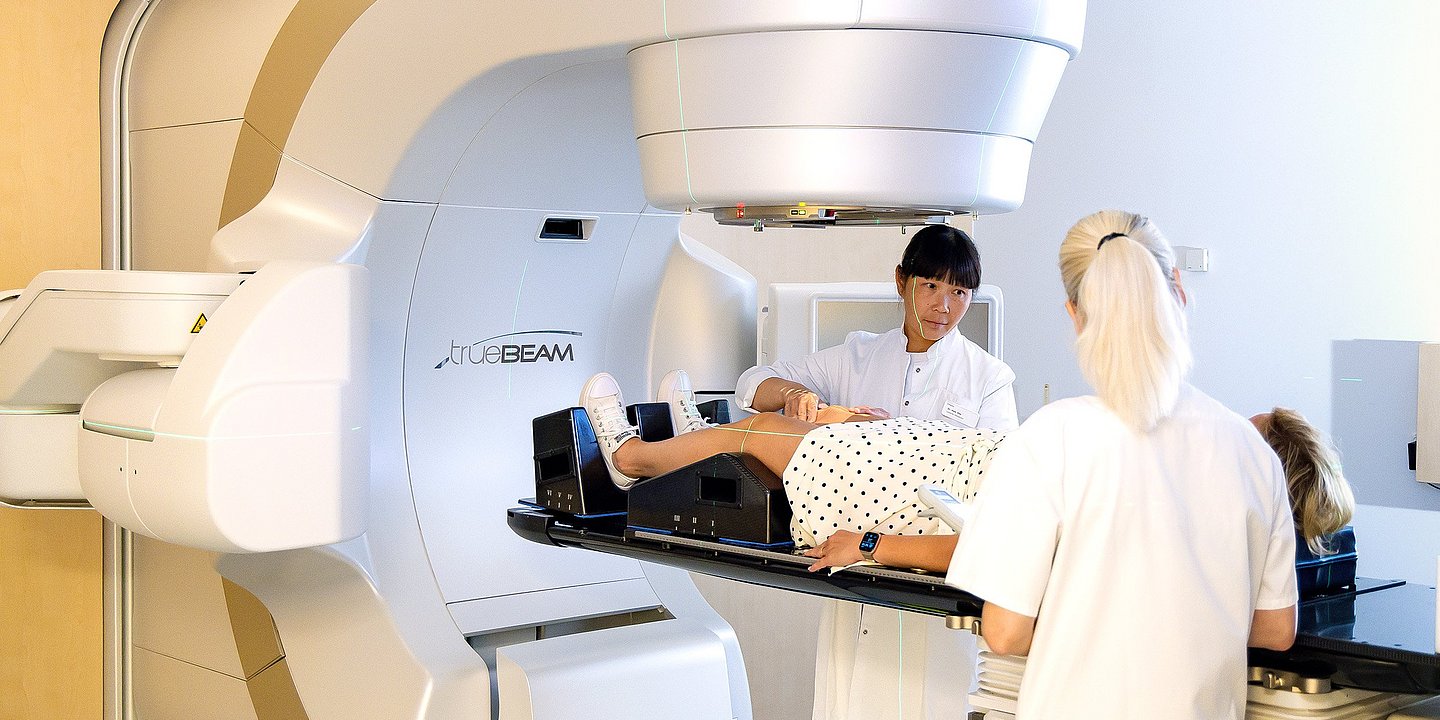
If the recurrence consists of one or a small number of localized lesions, other local treatment options may also be considered. In selected cases, high-precision radiation therapy, including stereotactic body radiation therapy (SBRT), can be used to deliver a high dose of radiation directly to the tumor while minimizing exposure to surrounding healthy tissues. Radiation therapy may also be used to relieve symptoms in patients with advanced disease.
Because several treatment options may be available for recurrent ovarian cancer, the optimal strategy is determined individually by a multidisciplinary tumor board. Depending on the clinical situation, treatment may include repeat surgery, chemotherapy, targeted therapy, local treatment of individual lesions, or a combination of several approaches.
Fertility preservation
For younger patients who wish to have children in the future, fertility preservation should be discussed before treatment begins. The most appropriate approach depends on the type and stage of the tumor, whether one or both ovaries are affected, and the individual oncological risk.
For certain tumors detected at an early stage and confined to one ovary, fertility-sparing surgery may be considered. In these cases, the affected ovary and fallopian tube are removed while the uterus and the healthy ovary are preserved, maintaining the possibility of a future pregnancy. This approach is particularly relevant for certain germ cell and stromal tumors, which are more common in younger women.
If the planned treatment may affect ovarian function, consultation with a reproductive medicine specialist may also be considered before treatment. Fertility preservation options can include the cryopreservation of eggs or embryos.
The decision to preserve fertility is always made individually in consultation with a gynecologic oncologist and a reproductive medicine specialist. Oncological safety remains the priority: fertility-sparing treatment is only considered when it does not compromise the chances of successful cancer treatment.
Helios expertise in ovarian cancer treatment
Ovarian cancer treatment at Helios is based on a multidisciplinary approach. At specialized gynecological cancer centers, each case is reviewed by a tumor board, where specialists determine the optimal sequence of surgical and systemic treatment. For complex and advanced tumors, surgeons from different specialties may be involved, while molecular diagnostic results help personalize subsequent therapy.
Several major Helios centers offer particular expertise in ovarian cancer treatment:
- Helios Hospital Krefeld has a specialized Ovarian Cancer Center (Zentrum für Eierstockkrebs) within its certified Gynecological Cancer Center. It provides comprehensive care ranging from specialized diagnostics and complex gynecologic cancer surgery to chemotherapy and modern targeted therapies.
- Helios Hospital Berlin-Buch has particular expertise in complex cytoreductive and multivisceral surgery. In advanced ovarian cancer, procedures may be performed jointly by gynecologic oncologists, visceral surgeons, and urologists. The center also has experience in treating peritoneal tumor involvement using specialized techniques such as HIPEC and PIPAC.
- Helios Hospital Erfurt combines modern gynecologic oncology with molecular diagnostics and minimally invasive robot-assisted surgery. BRCA and HRD testing is available and can help guide personalized treatment decisions. For appropriately selected patients, complex gynecologic cancer procedures can also be performed using the da Vinci Xi robotic system.
- Helios Dr. Horst Schmidt Hospital Wiesbaden is particularly relevant for patients with complex or recurrent disease. Its certified Gynecological Cancer Center brings together multiple areas of diagnostics and treatment and participates in clinical trials investigating new therapeutic approaches. These include treatment options for patients with previously treated and platinum-resistant ovarian cancer.
For international patients, this network makes it possible to select a center according to the specific clinical challenge — whether complex primary surgery, treatment of advanced disease, molecularly guided therapy, or the management of recurrent ovarian cancer. Treatment plans are developed individually based on the stage of the disease, the histological and molecular characteristics of the tumor, previous treatments, and the patient’s overall health.
If you are interested in arranging diagnosis or treatment at one of the Helios hospitals, you can submit a request using the contact form on our website or contact us via the email address provided at the top of the website.
Learn more about arranging treatment at Helios hospitals ⟶
Do you need more information about Helios Hospitals or want to schedule your treatment?