Thyroid cancer at 18: Marie’s story
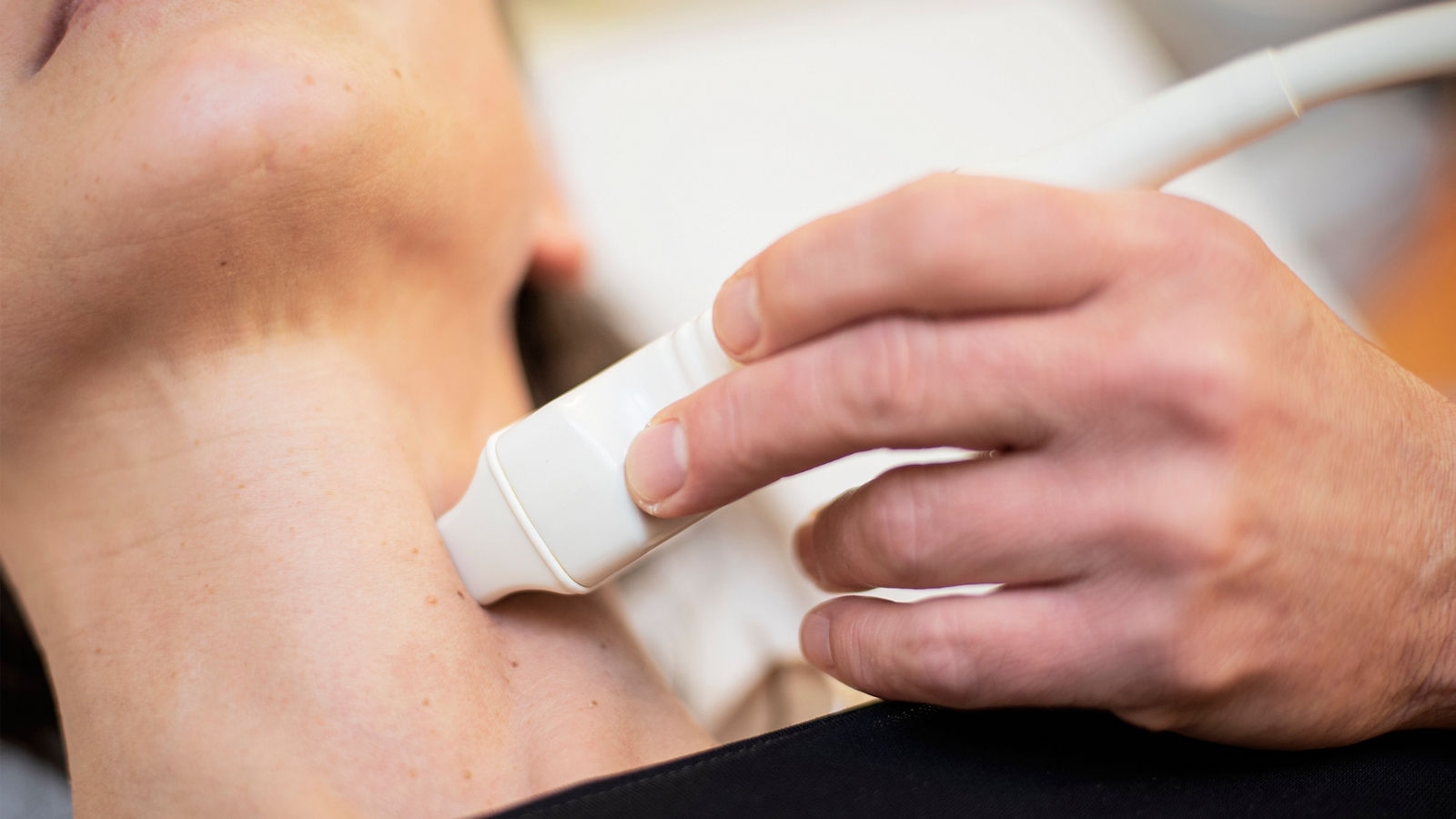
Three years ago, it all began gradually. Marie often felt exhausted, suffered from headaches and abdominal pain, and repeatedly experienced the sensation of a lump in her throat. An ultrasound examination performed by her family doctor revealed a thyroid nodule. Since her blood test results were normal, the finding was initially considered harmless. However, her symptoms persisted. After changing her family doctor, the nodule was examined again. This time, it had grown and showed abnormal blood flow.
A thyroid nodule, however, is not necessarily a cause for concern. The thyroid is a small, butterfly-shaped gland located below the larynx that produces essential hormones regulating metabolism and cardiovascular function. Nearly one in four people develop thyroid nodules during their lifetime, and most are benign. Malignant tumors are rare and, when detected early, are highly treatable. Marie underwent further examinations in nuclear medicine, including three scintigraphy scans. Nevertheless, the results remained inconclusive. Eventually, an ENT specialist recommended that the 18-year-old seek further evaluation at Helios St. Elisabeth Hospital in Oberhausen.
The decisive diagnosis comes during surgery
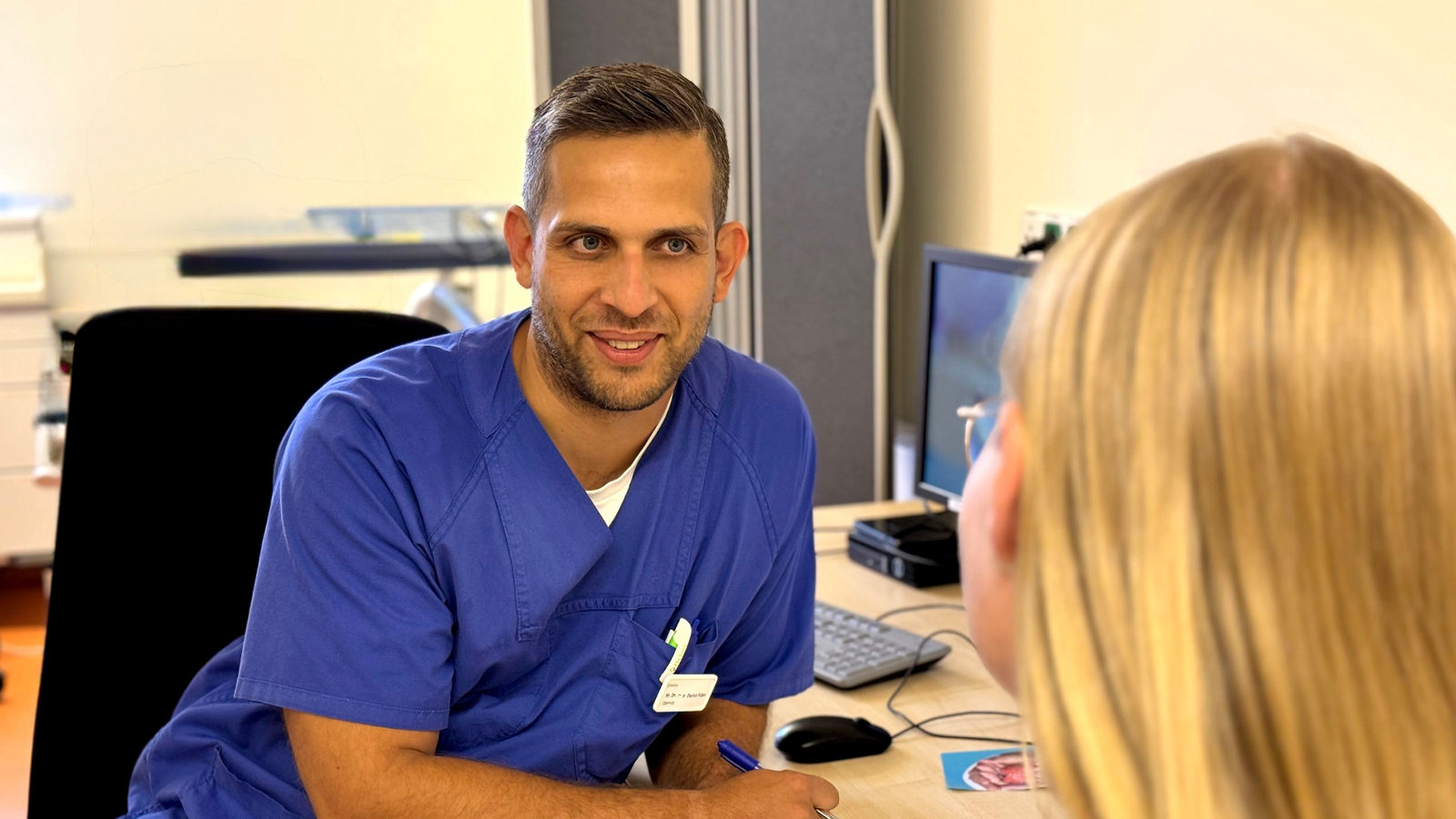
"Unfortunately, the examinations did not provide a clear picture, but there was still a lingering concern," explains Dr. Darick Fidan, Senior Physician in General and Visceral Surgery at Helios St. Elisabeth Hospital. Marie and the medical team therefore made a joint decision to proceed with surgery.
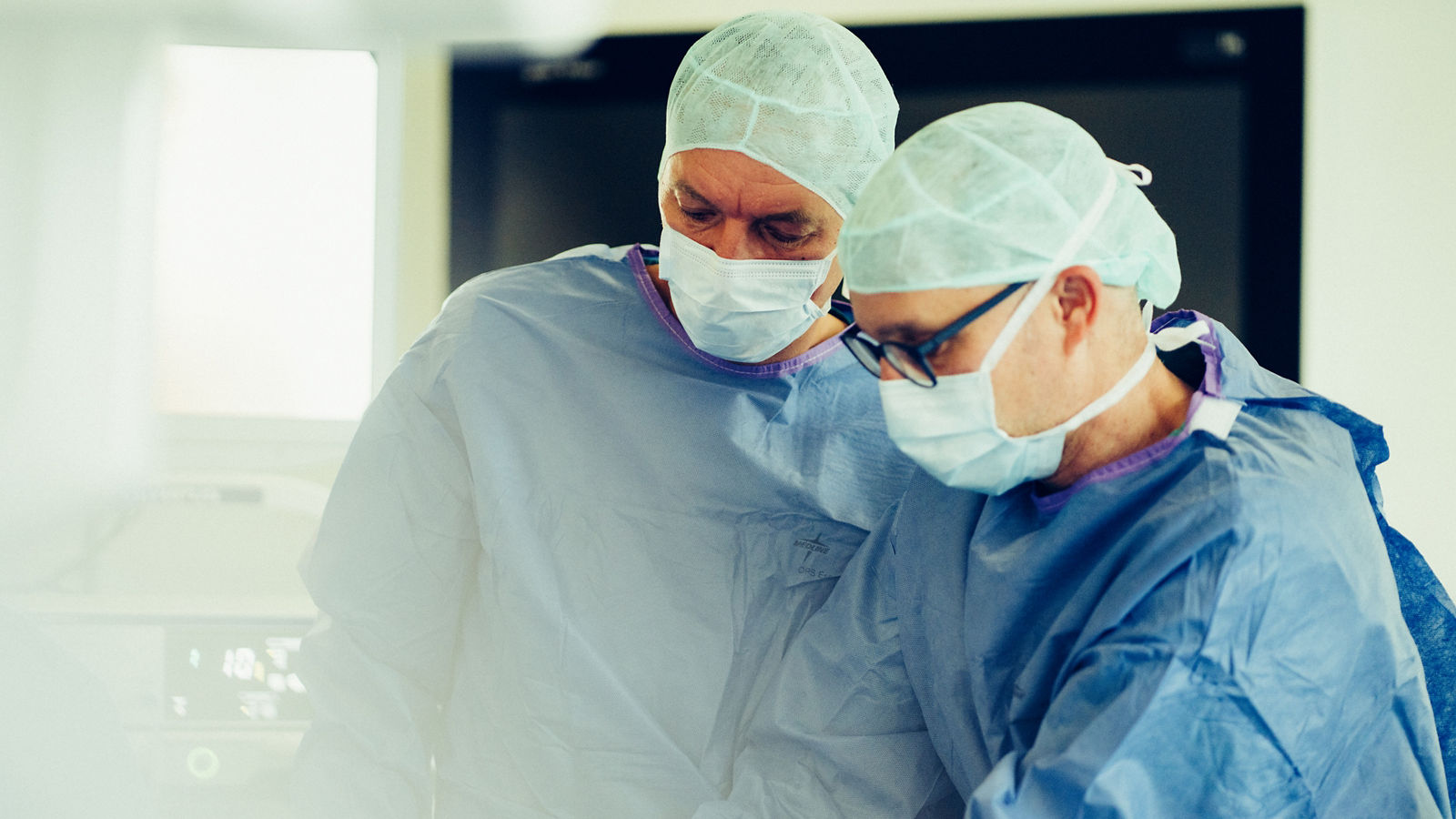
Initially, the surgeons removed only the affected lobe of the thyroid gland, aiming to preserve as much healthy tissue as possible. However, the histopathological examination performed during the procedure confirmed their concerns: the nodule was malignant. The entire thyroid gland had to be removed. "This allowed us to respond immediately and spare Marie a potential second operation," explains Dr. Fidan.
Thyroid surgery is one of the key specialties of the Department of General, Visceral and Endocrine Surgery at Helios St. Elisabeth Hospital. The fact that the definitive diagnosis was only established during surgery highlights the importance of close collaboration with pathology and other medical departments. To ensure optimal patient care, the team works closely with specialists in endocrinology, nuclear medicine, ENT, and oncology. In cases involving tumors, treatment strategies are also regularly discussed at an interdisciplinary tumor board.
For Marie, the cancer diagnosis came as a complete shock. After all, she had been told for years that everything was fine. Suddenly, events began moving very quickly. "At first, I was simply overwhelmed. But right before the operation, the doctors discussed everything with me in detail. I was able to ask questions and talk about my fears. It meant so much to me when someone said, 'You are not alone. We will get through this together.'"
Thanks to close cooperation with University Hospital Essen, the necessary follow-up treatment using radioactive iodine therapy was carried out without delay. Marie's family remained by her side throughout the entire treatment process. "We went through every stage of treatment together. They were there every single day."
Step by step back to everyday life
Today, Marie lives without a thyroid gland. Since her surgery in April, regular blood tests and careful adjustment of her medication have become part of her daily routine. "I don't feel ill. But it is a strange feeling knowing that something is now missing from my body that most people have throughout their lives."
Marie has not yet fully regained her strength, but her goal is clear: to return to her normal life. Because of her treatment, she initially had to put her vocational training as a medical assistant at a gynecology practice on hold. She has since returned to work, attends vocational school, and is determined to complete her training.
Her personal experience has also changed the way she sees the patients she cares for at the practice. There, she regularly encounters people facing cancer diagnoses. "In the past, I would look at medical reports and understand what they meant from a professional perspective. But only now do I truly know what it feels like to receive such a result yourself, to go from one doctor to another, and to live with that uncertainty."
Today, Marie wants to offer others exactly what helped her during this difficult time: the feeling that they are not alone. "When I look at a medical report now, I understand how much fear can be hidden behind it. I just want to take those people aside, be there for them, and tell them: 'You are not alone.'"
Read more:
Do you need more information about Helios Hospitals or want to schedule your treatment?