How modern technology helps fight lung cancer
What does a small shadow on the lung mean? For patients, such a finding can raise many questions and concerns. Is it something harmless, or could it indicate a more serious condition? For 72-year-old Christine Fischer from Salzgitter, such a finding marked the beginning of a short but intensive period of diagnostic examinations and treatment.
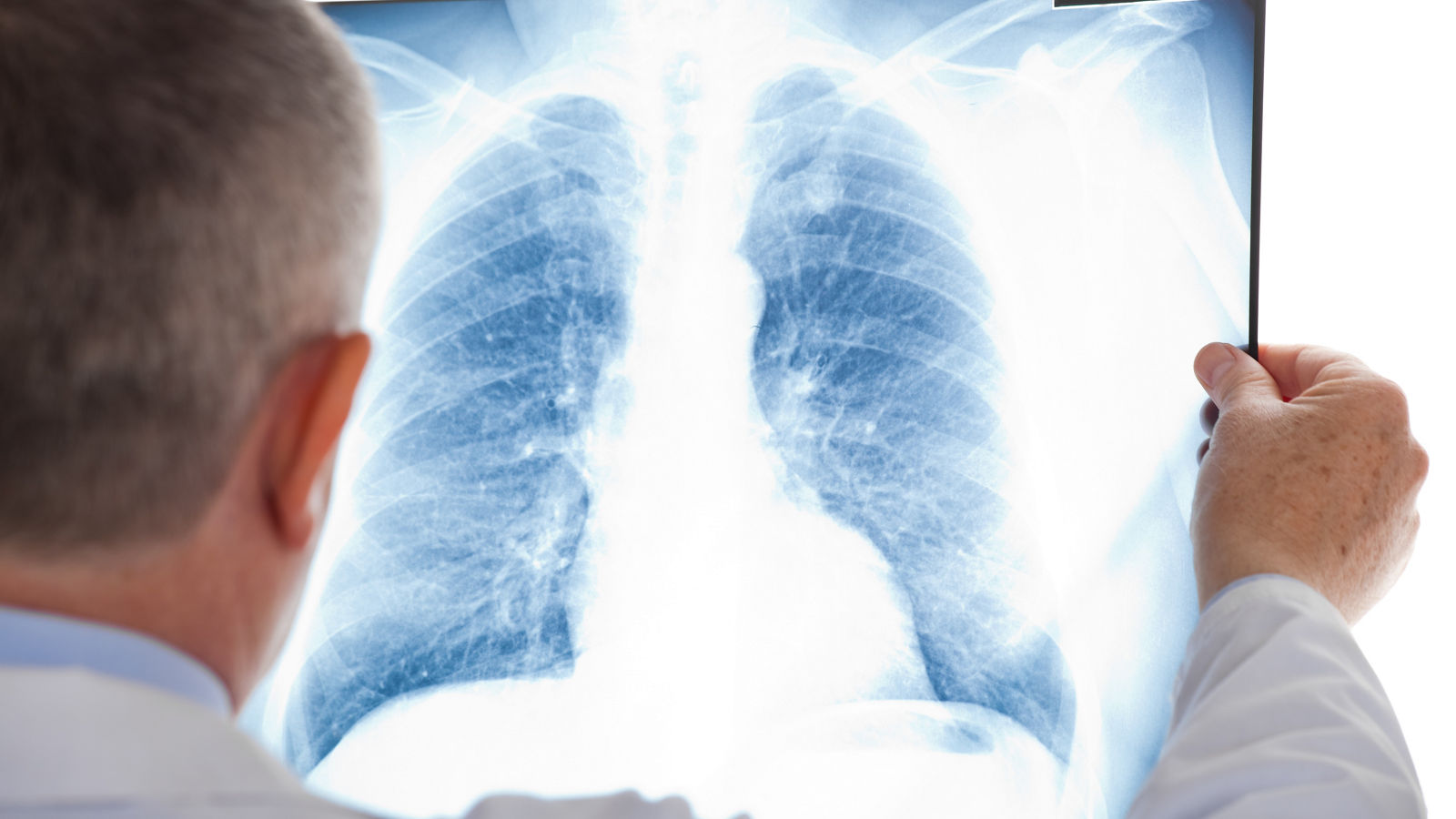
The retired woman had previously been diagnosed with lung cancer. During a follow-up CT scan as part of her cancer surveillance, doctors detected a small abnormality in her right lung. Conventional diagnostic methods could not clearly determine its nature. Given her medical history, the treating specialists in pulmonology and thoracic surgery did not want to lose valuable time and decided to use robot-assisted diagnostics.
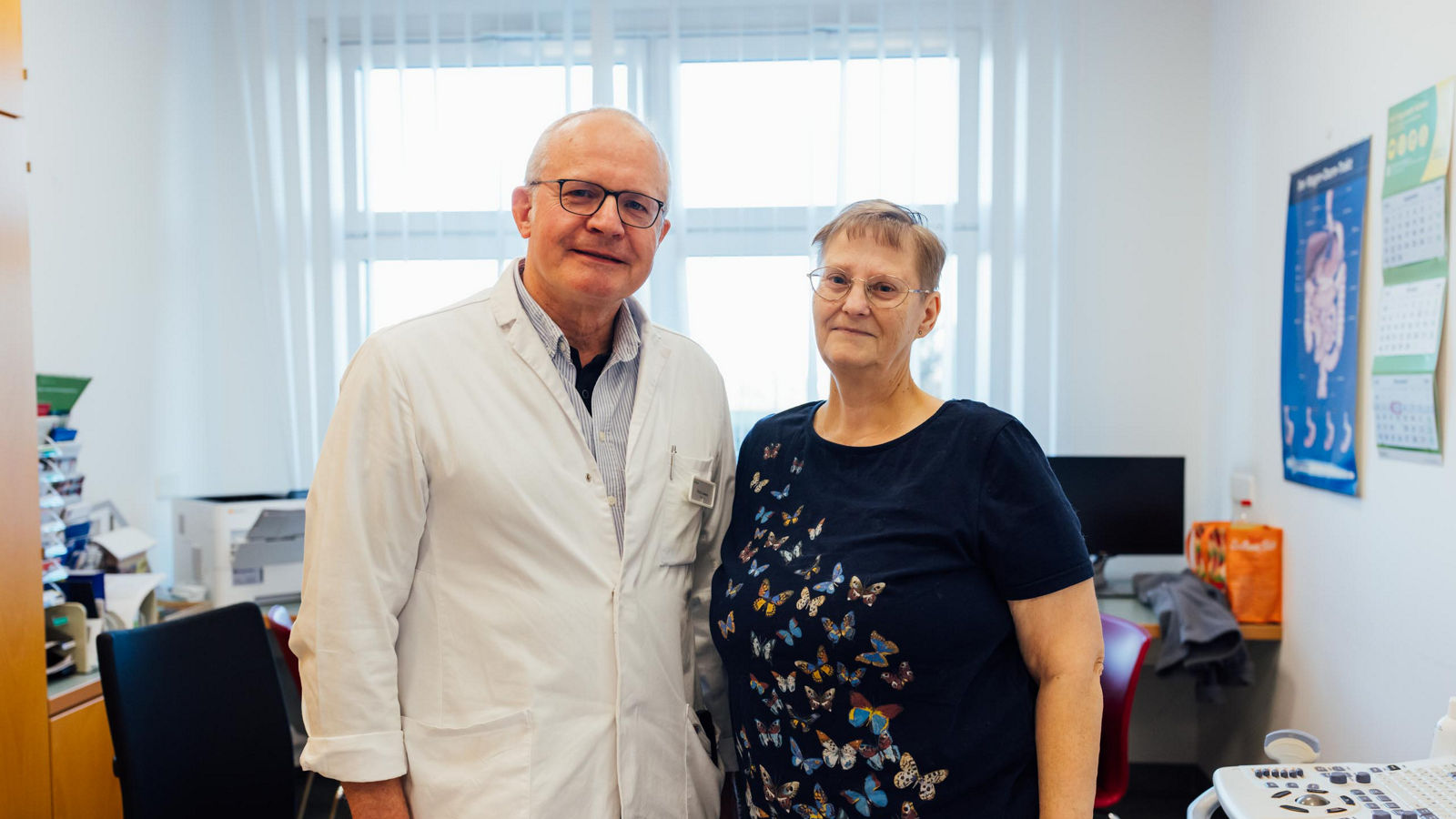
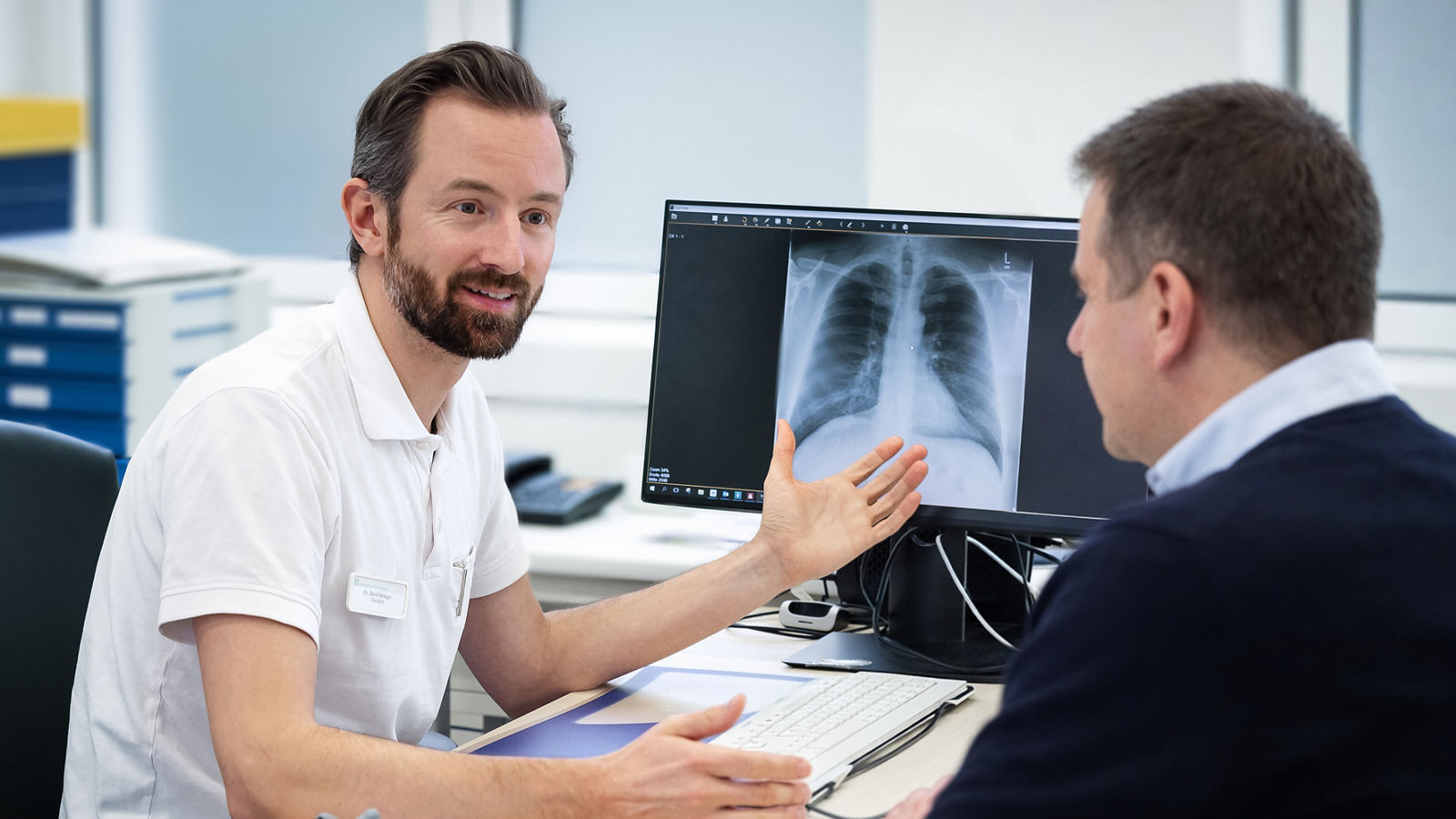
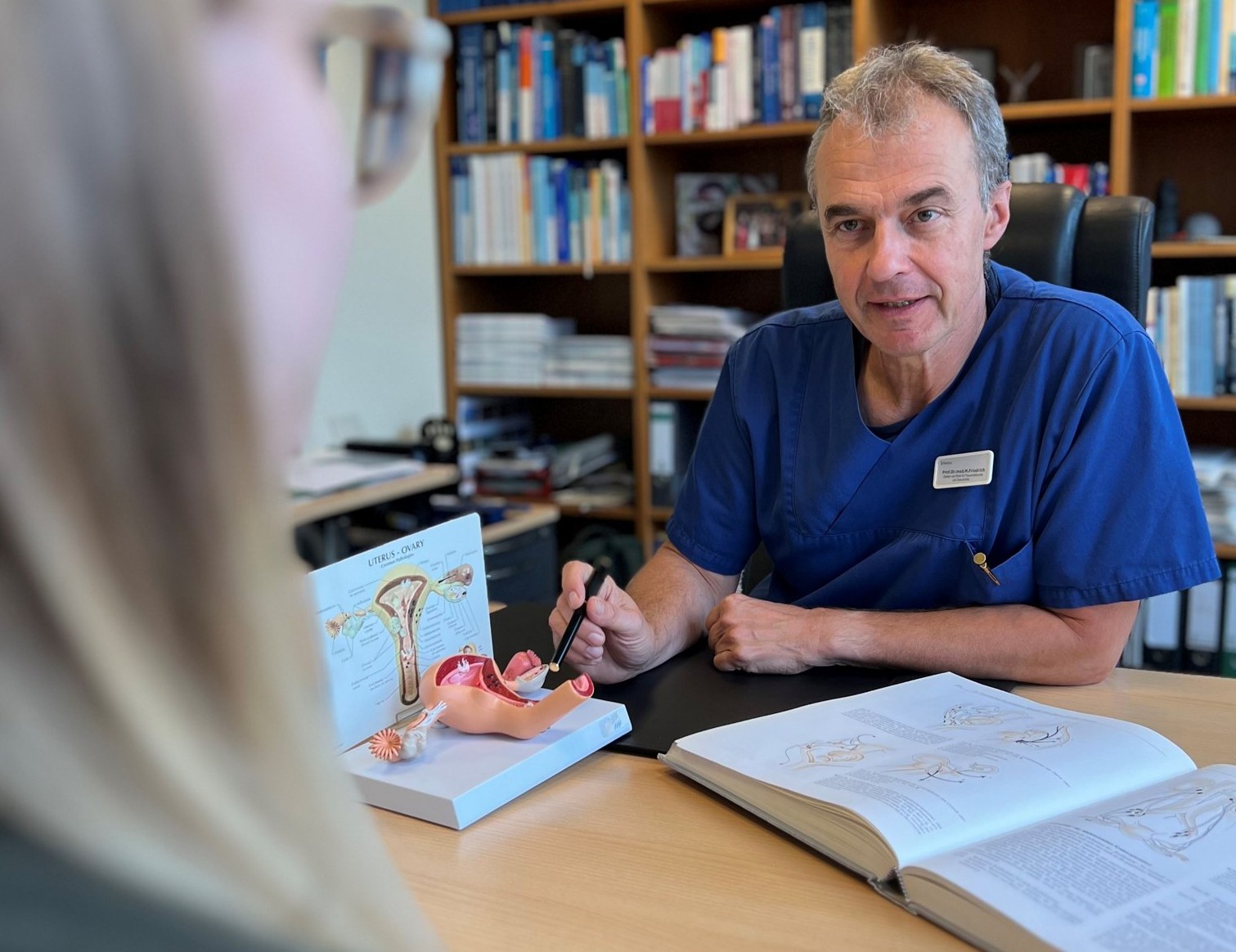
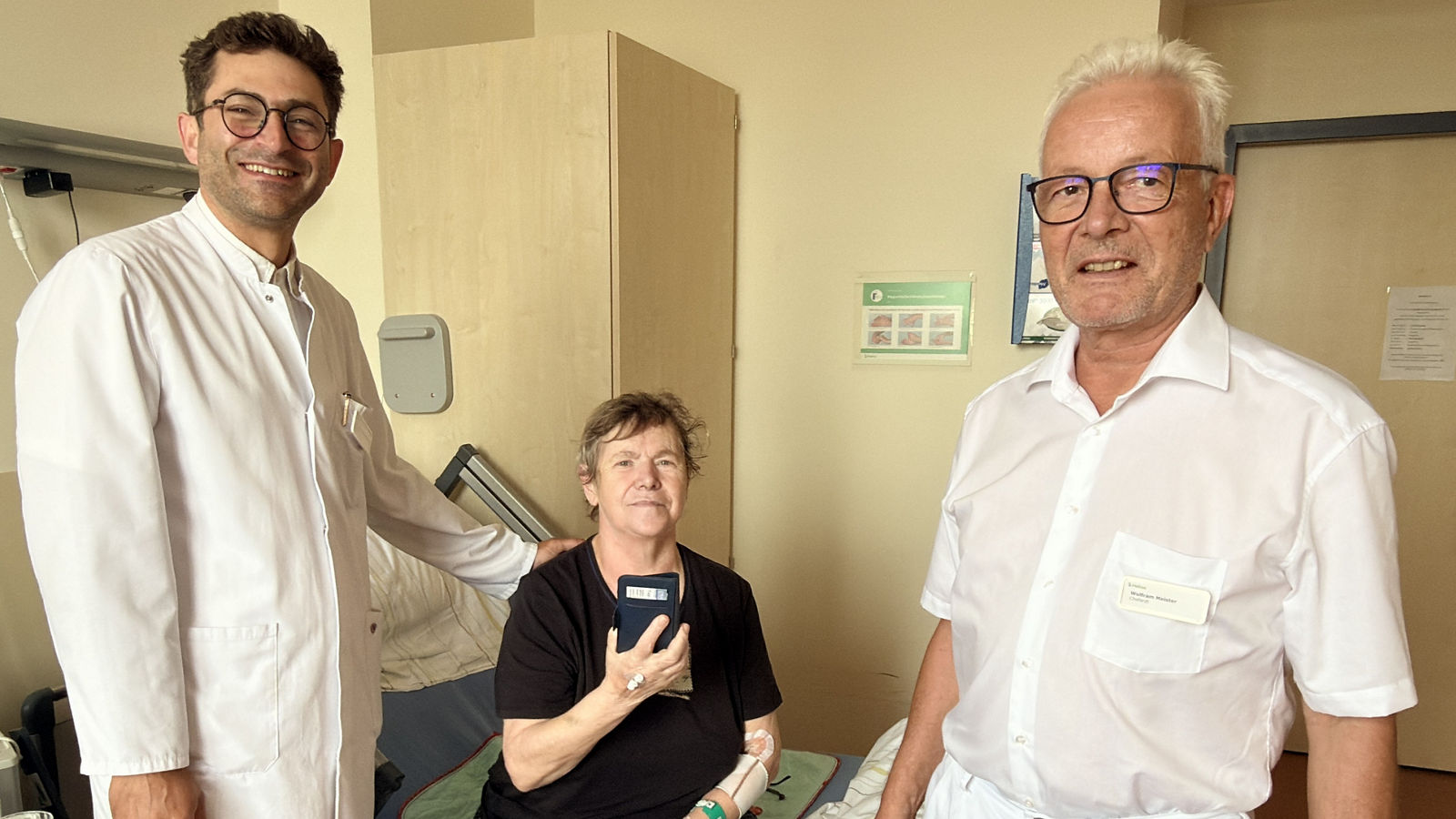
"Here, specialists from different medical disciplines and hospital locations work together as one team. Everyone contributes their expertise, from initial imaging and precise localization of suspicious tissue to surgery. Ultimately, it is our patients who benefit most from this collaboration," explains Wolfram Meister, Chief Physician of the Department of Pulmonology, Sleep and Respiratory Medicine at Helios Hospital Hildesheim.
New robotic technology in action
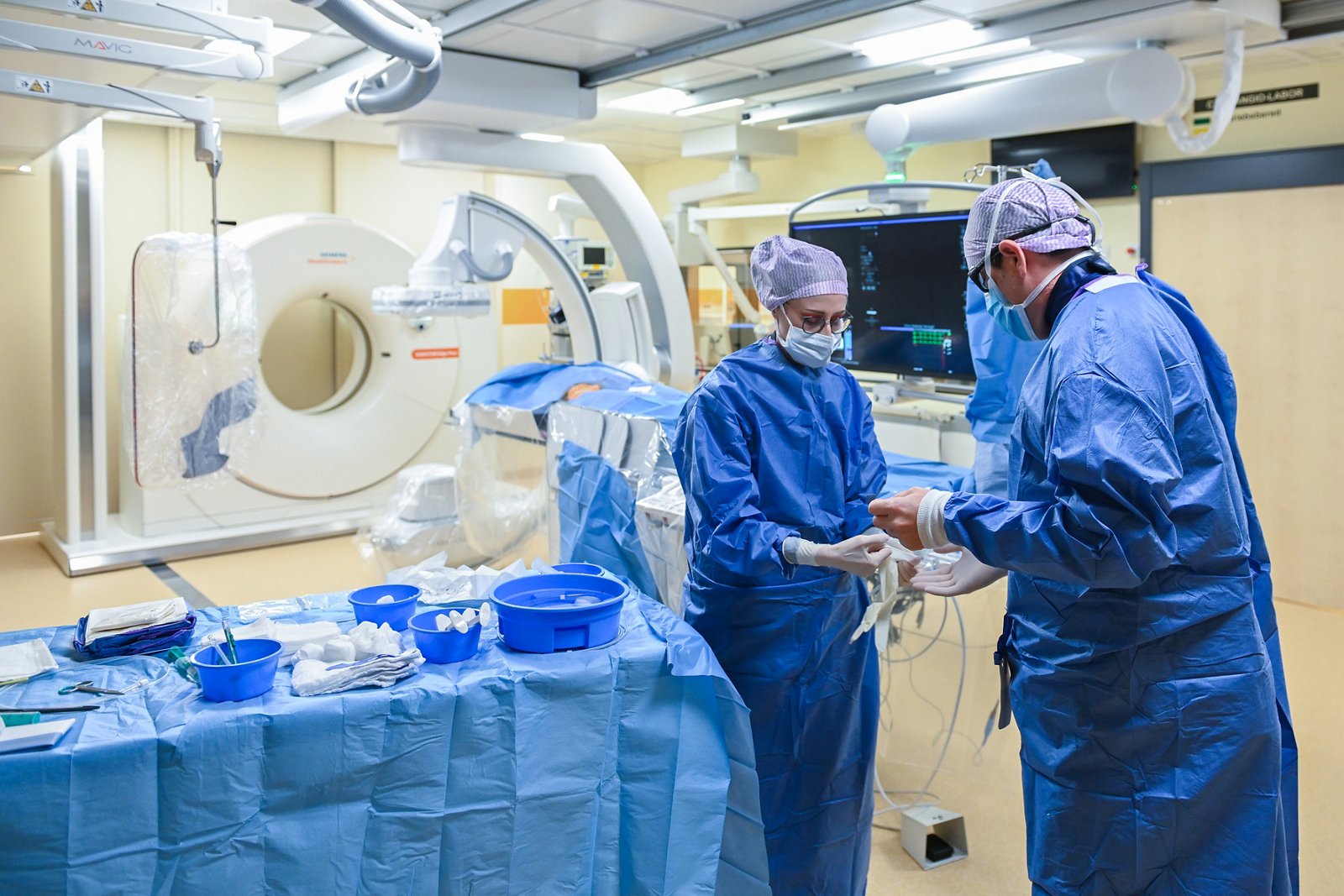
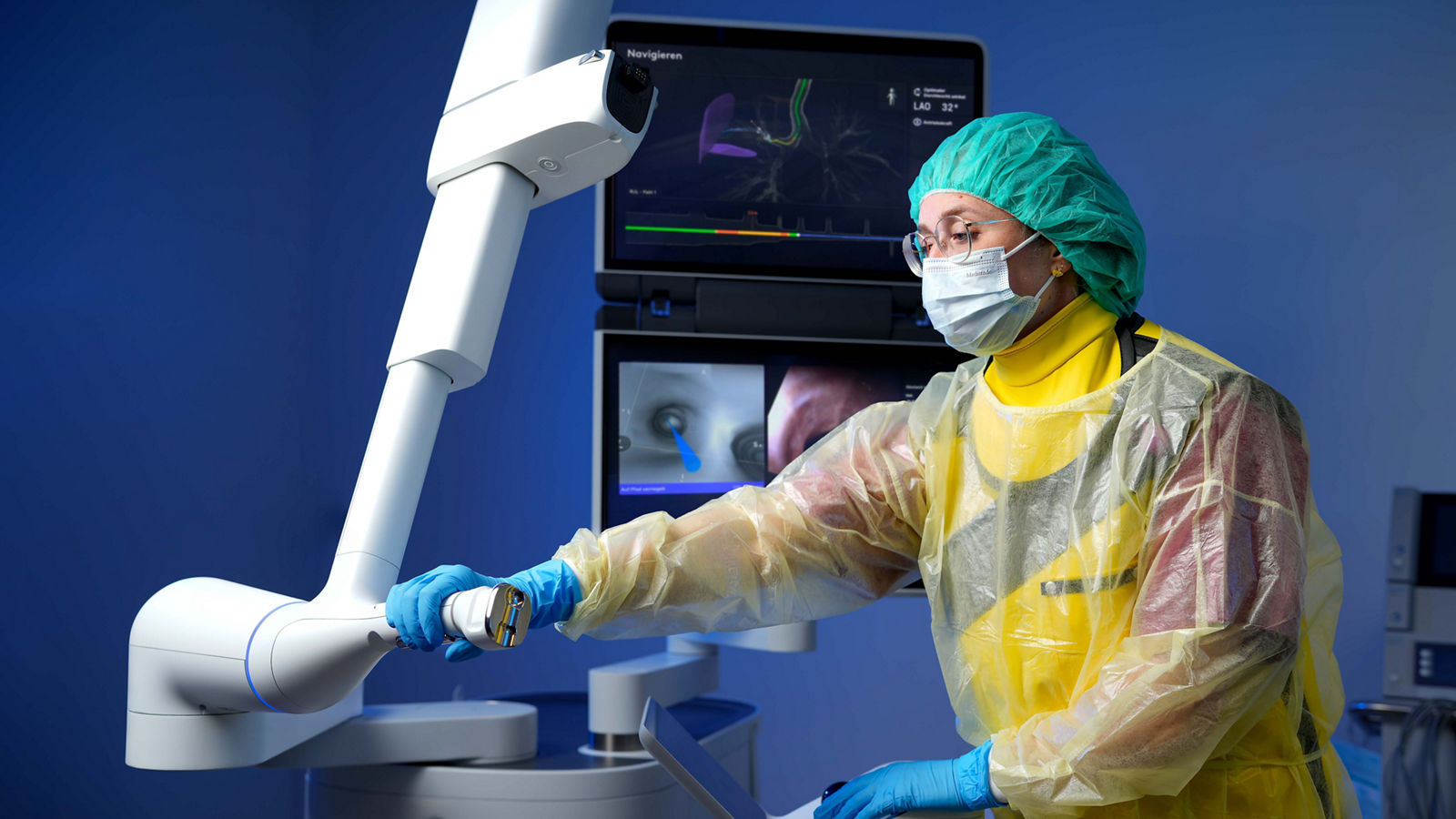
The main challenge in Christine Fischer's case was that the suspicious tissue abnormality was small and located deep within the lung. Its position made it difficult to reach using conventional endoscopic techniques. For this reason, doctors used the ION robot-assisted bronchoscopy system. The technology enables specialists to reach even peripheral areas of the lungs through the airways. It helps physicians navigate the fine, distant branches of the bronchial tree and precisely target the affected area.
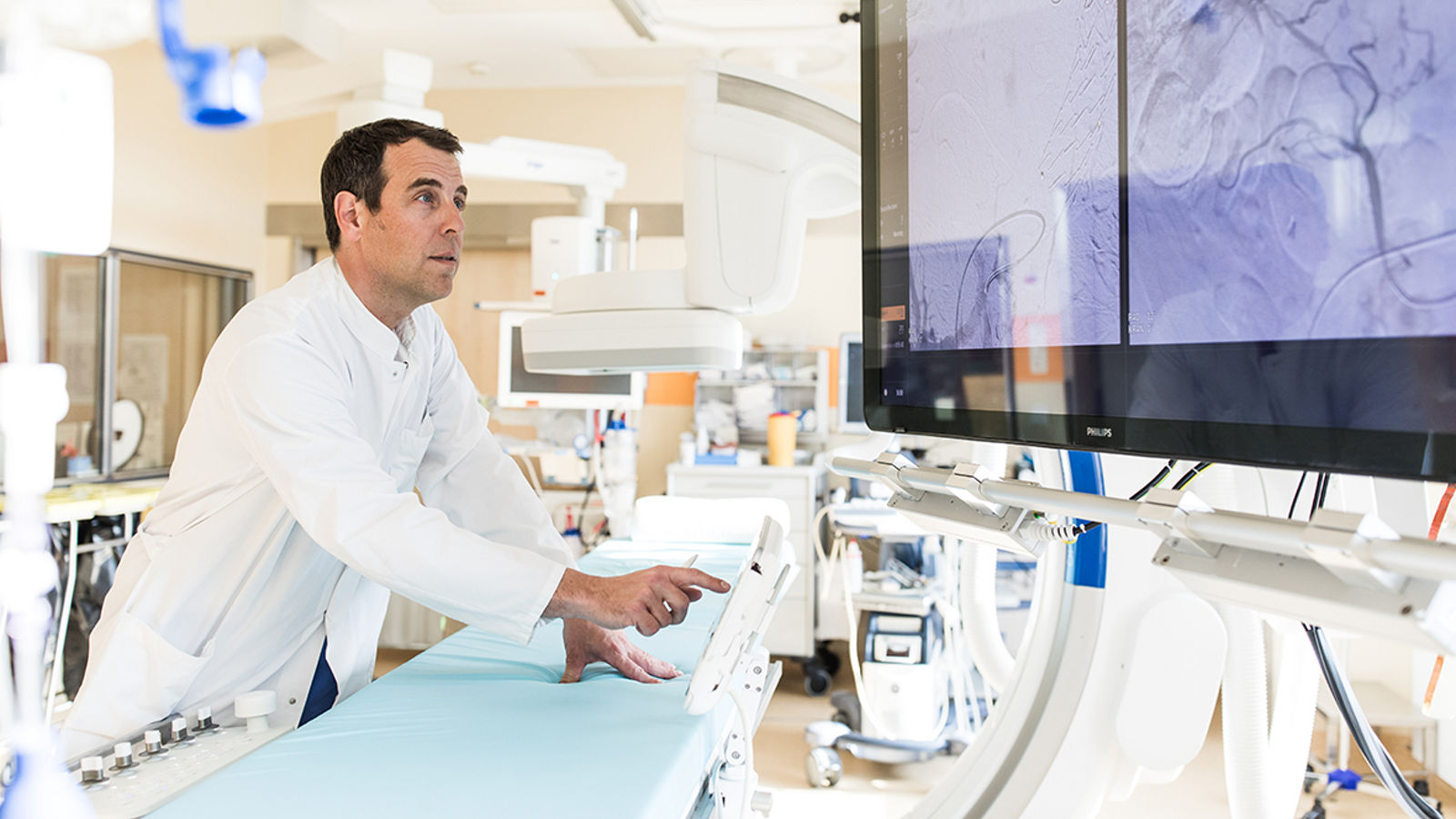
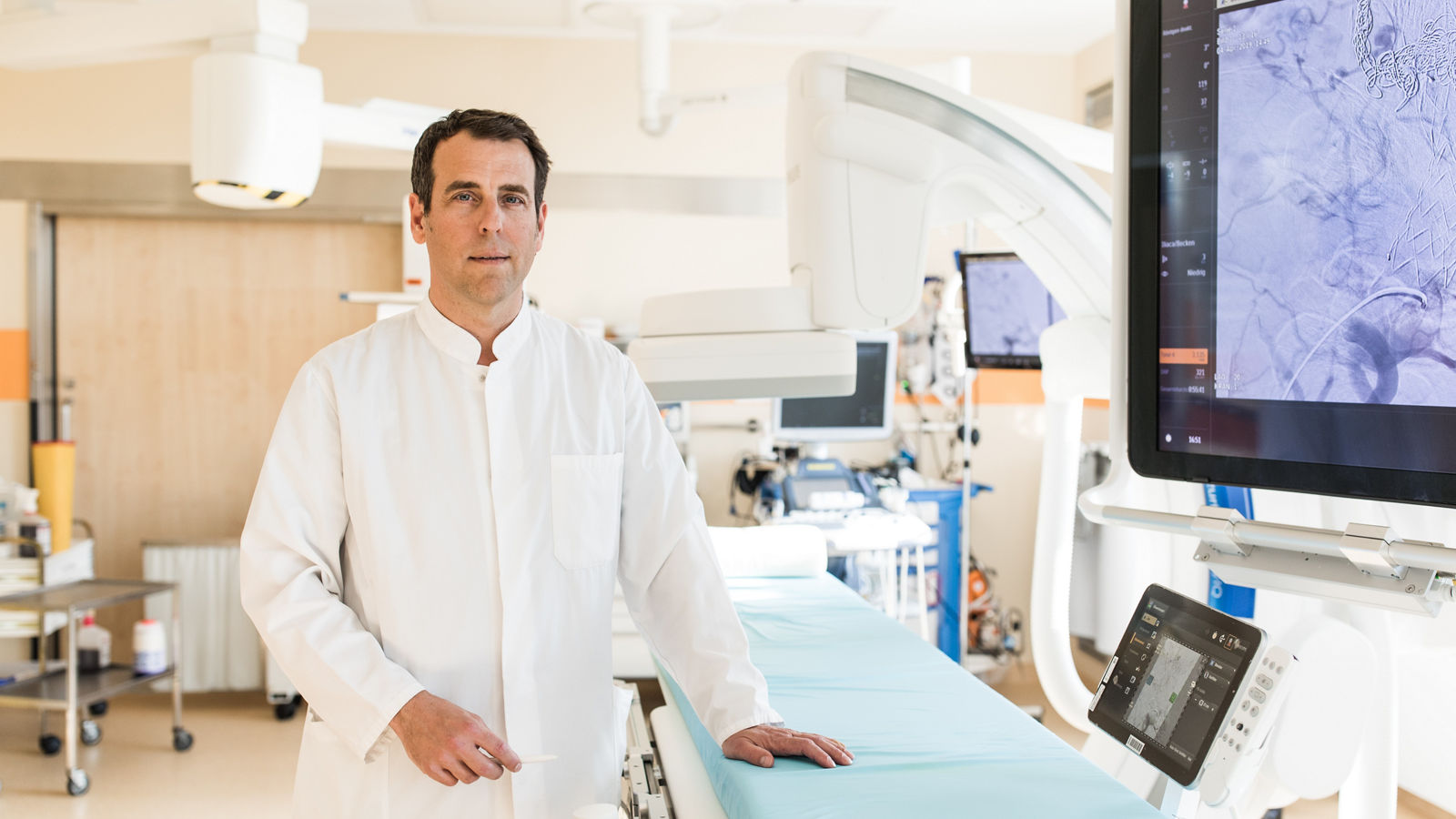
During the procedure, an advanced CT imaging system was also used. This allowed doctors to verify the position of the instrument and the target area in real time, enabling even more precise localization of the small lung lesion. "Especially with small pulmonary nodules, it is essential to know their exact location. Thanks to this new technology, we can precisely reach even difficult-to-access tissue abnormalities and mark them for surgery," explains Meister.
Using the robot-assisted system, the medical team collected a tissue sample from the nodule and marked the area with a special dye. This marking helped the surgical team quickly locate the correct area of the lung during the operation the following day.
Surgery the very next day
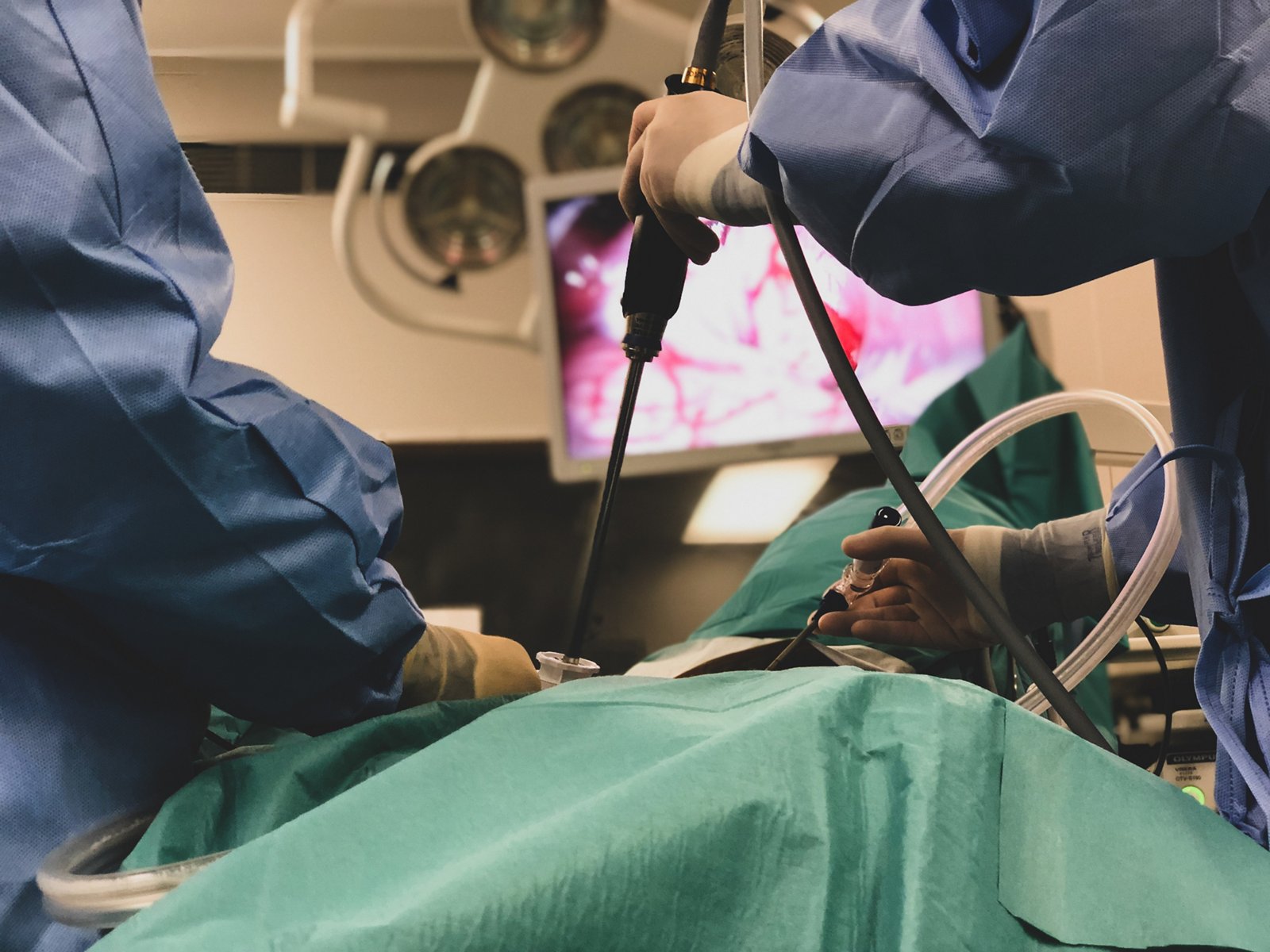
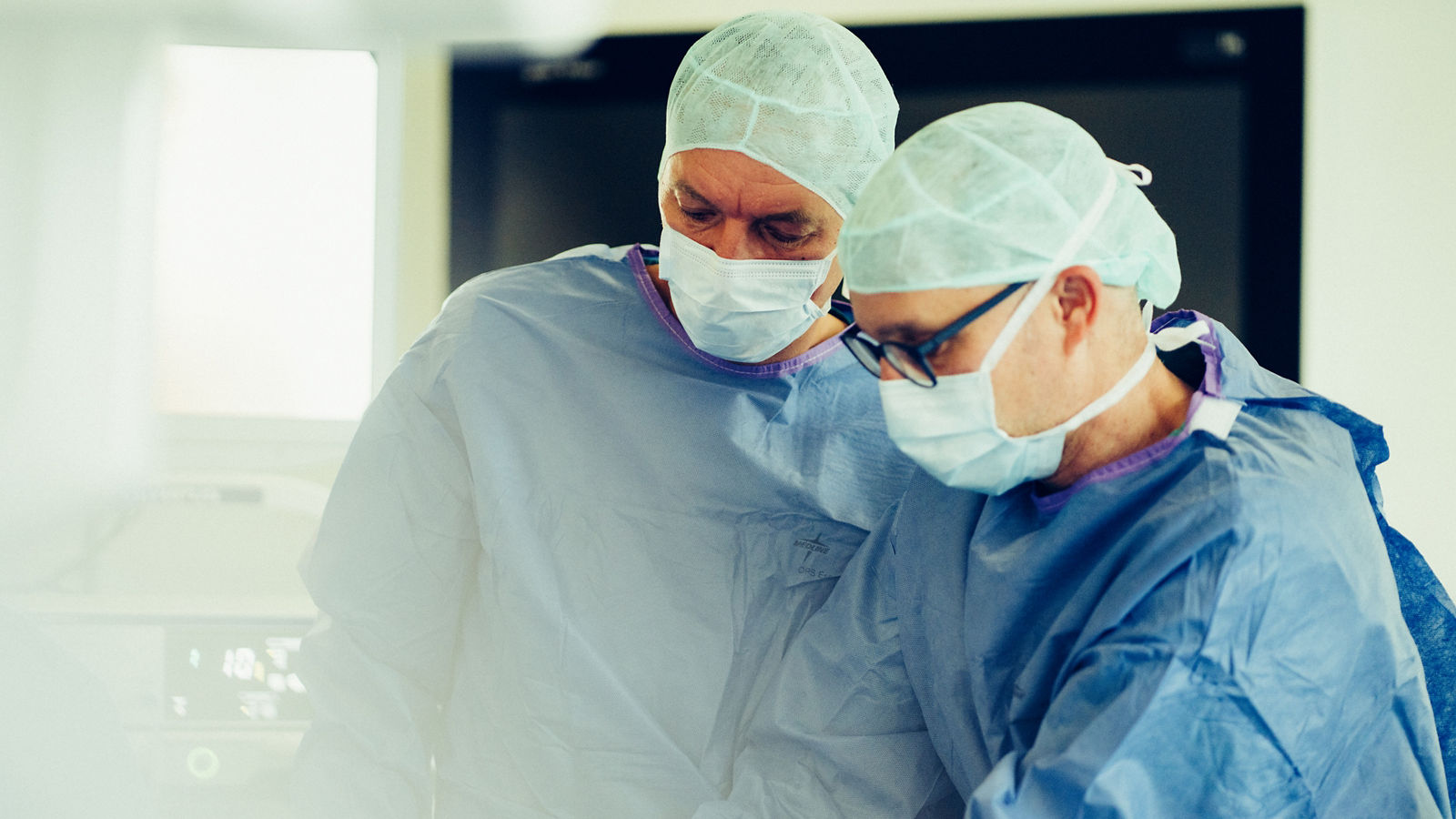
Close cooperation between the medical departments was immediately reflected in the next stage of treatment. Just one day later, Dr. Armen Aleksanyan, Chief Physician of the Department of Thoracic Surgery, performed minimally invasive surgery to remove the affected area.
"When we need to surgically remove a small lesion, it is crucial to locate it accurately during the procedure. The marking performed beforehand provides an important reference point and helps us operate with precision," explains Dr. Aleksanyan. Minimally invasive surgery requires only a small incision. For patients, this generally means less physical stress compared to open surgery. At the same time, the affected part of the lung can be removed precisely.
Senior Consultant Dr. Olger Kraja was also involved in the treatment. For him, the key factor is the close interaction between the different medical specialties:
"Each stage of the process is closely coordinated. The pulmonology team investigates the finding and works with colleagues to determine its precise location. Thoracic surgery then takes over for the operation. Direct communication makes the entire process easier for patients. At our hospital, decisions about individualized treatment are always made through interdisciplinary collaboration, drawing on the combined expertise of specialists from different disciplines and locations within the Helios network."
"I'm glad everything happened so quickly"
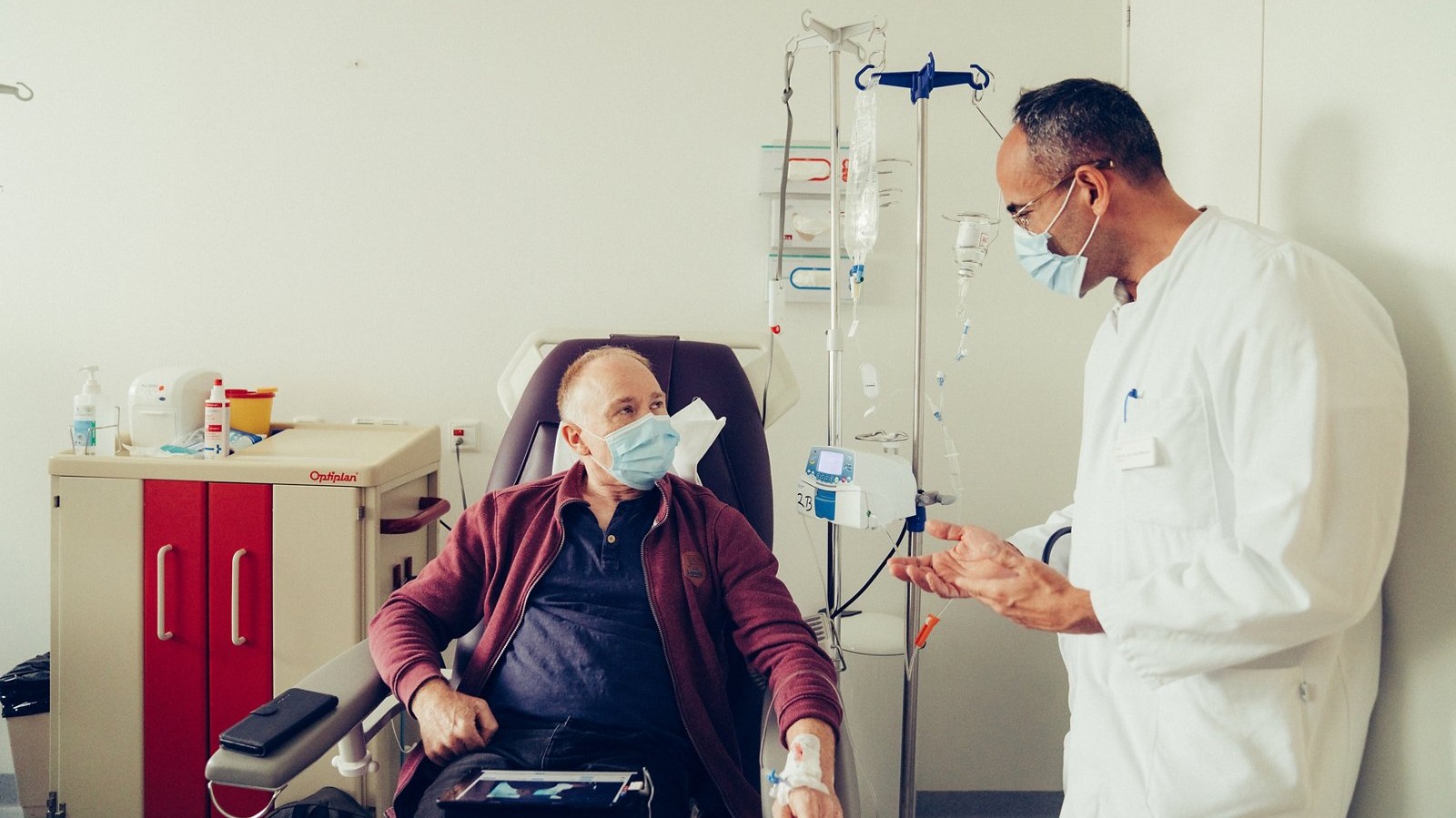
For Christine Fischer from Salzgitter-Bad, the most important thing was receiving clear answers quickly and having the necessary treatment steps follow one another without unnecessary delays. After her initial examinations, she was able to benefit from the advanced, specialized bronchoscopy technology available in nearby Hildesheim. The very next day, she underwent minimally invasive surgery at the same hospital.
On the day of her operation, Christine shared: "I feel very well, and I'm glad everything happened so quickly. I had no pain, and I never expected to recover so well in such a short time."
The earlier lung cancer is detected, the better the chances of successful treatment. Pulmonologist Meister emphasizes: "Anyone who meets the criteria for lung cancer screening should take advantage of this opportunity and consult their family doctor. After all, an abnormal finding does not automatically mean cancer. However, if a suspicious change is detected, it can be investigated quickly and precisely."
What was achieved in Christine Fischer's case within such a short period was the result of closely coordinated teamwork. The pulmonology team was responsible for diagnosis and preparation, while thoracic surgeons carried out the surgical treatment.
Advanced techniques such as robot-assisted bronchoscopy with the ION system and additional imaging using cone-beam computed tomography (Cone-Beam CT) help doctors accurately locate even small lung lesions and mark them for surgery.
This enables diagnostics and surgical treatment to work seamlessly together. For Christine Fischer, above all, it meant receiving a rapid diagnosis and targeted treatment.
Read more:
Do you need more information about Helios Hospitals or want to schedule your treatment?