Hip replacement surgery in Germany
- Causes of hip joint degeneration
- Treatment
- Hip replacement surgery
- Rehabilitation
- Joint replacement at Helios hospitals
Causes of hip joint degeneration
Osteoarthritis of the hip (coxarthrosis) is one of the most common reasons why a hip replacement may be required. The joint surfaces are covered with a layer of cartilage that acts as a kind of “shock absorber” between the bones. Over time, this cartilage can wear down and become thinner, causing the bone surfaces to come into closer contact with each other and resulting in pain and reduced mobility.
A distinction is made between primary coxarthrosis, in which the articular cartilage deteriorates without an obvious underlying cause, and secondary coxarthrosis, which develops as a result of other diseases, injuries, or pathological changes. Possible causes of secondary hip joint degeneration include:
- Avascular necrosis of the femoral head (impaired blood supply to the femoral head);
- Rheumatic diseases, such as rheumatoid arthritis;
- Long-term consequences of fractures, such as a femoral neck fracture;
- Complications of metabolic disorders, such as gout;
- Long-term effects of Perthes disease (juvenile avascular necrosis of the femoral head);
- Consequences of slipped capital femoral epiphysis (SCFE);
- Long-term effects of previous infections involving the hip joint or bone, including osteomyelitis.
Treatment
Initially, symptoms are treated using conservative methods. These may include physiotherapy and manual therapy, as well as anti-inflammatory and pain-relieving medications.
If conservative treatment no longer provides sufficient relief and pain and limited mobility increasingly affect the patient’s quality of life, hip replacement with an artificial joint (endoprosthesis) may be considered. The procedure can help reduce pain and restore joint function.
According to the guidelines of the German Society for Orthopaedics and Trauma Surgery (DGOU), surgery may be considered when certain criteria are met:
- pain significantly interferes with the patient’s everyday life;
- conservative treatment for at least three months does not provide sufficient pain relief;
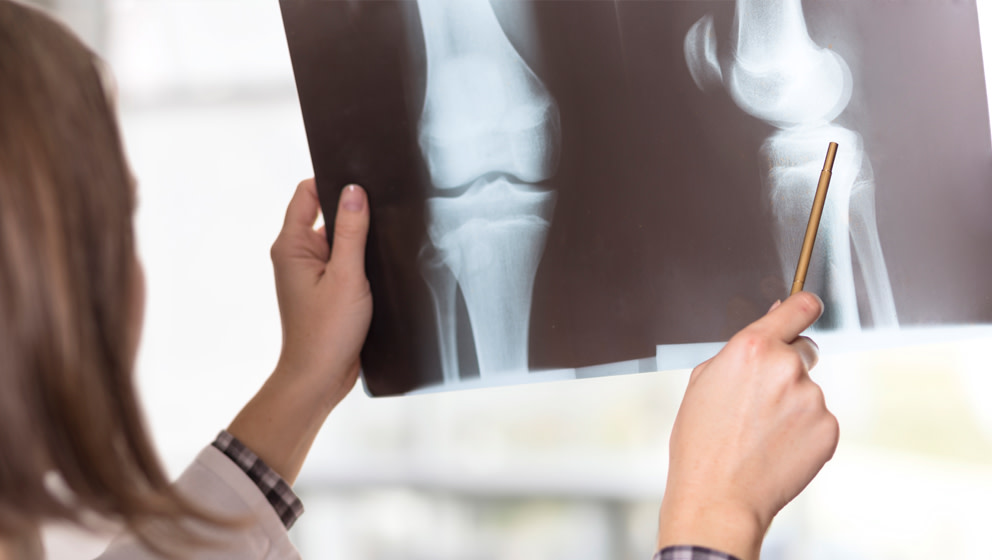
- the diagnosis is confirmed by X-ray imaging;
- the physician and patient have jointly considered the potential benefits and risks of surgery.
Hip replacement surgery
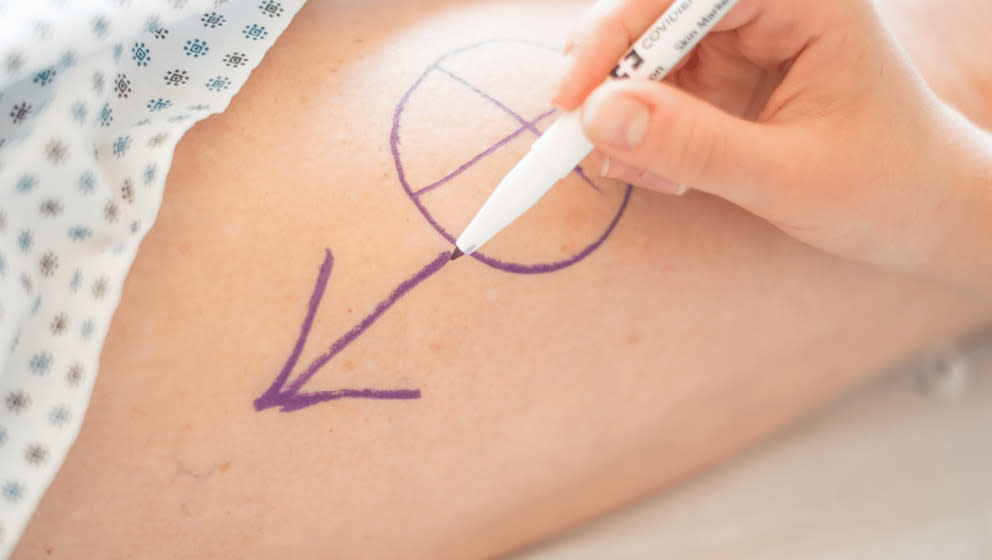
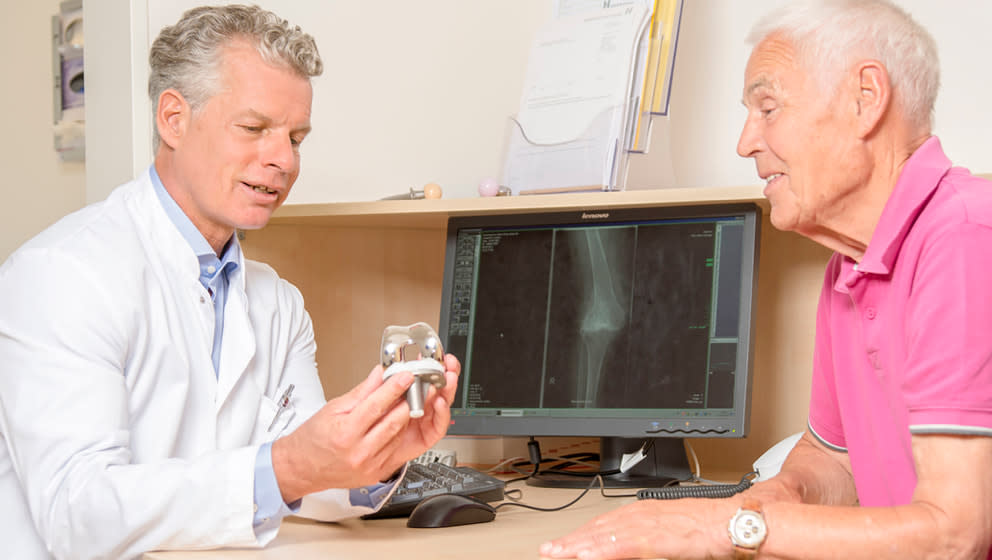
Before surgery, the surgeon performs a comprehensive preoperative assessment to determine the exact nature and extent of the joint damage. The most appropriate type of hip implant and method of fixation are selected for the individual patient, and computer-assisted planning is used to determine the optimal position of the implant. The physician also provides detailed information about the procedure and its potential risks. Hip replacement surgery may be performed under spinal or general anesthesia.
Before the procedure, patients may be advised to undergo specialized physiotherapy. Targeted strengthening of the muscles around the hip and improving joint mobility can contribute to faster recovery after surgery. Patients who are overweight may be advised to reduce their weight before the operation if possible. Medications that affect blood clotting may need to be temporarily discontinued or adjusted in consultation with the physician. Patients are also encouraged to stop or reduce smoking before surgery, as this can help lower the risk of complications and promote better healing.
“Hip osteoarthritis and the associated pain often significantly affect our patients’ quality of life. When all conservative treatment options have been exhausted, hip replacement surgery can help relieve pain and improve joint function.”
— Prof. Dr. med. Daniel Kendoff, Chief Physician, Center for Orthopedics and Trauma Surgery, Helios Hospital Berlin-Buch.
Various surgical techniques can be used for hip replacement surgery. In general, a distinction is made between conventional and minimally invasive surgical approaches.
Conventional surgery
In conventional hip replacement surgery, the hip joint is accessed through an incision approximately 15 centimeters long. To reach the joint, the surgeon separates the tissues along the muscles. Damaged bone tissue is then removed, and the bones are prepared for the placement of the prosthetic joint. Using specialized surgical instruments, the surgeon prepares the pelvic and femoral bones to create the necessary space for precise positioning of the implant components.
Minimally invasive surgery
When clinically appropriate, hip replacement surgery can be performed using minimally invasive surgical techniques designed to preserve the muscles and soft tissues surrounding the joint as much as possible. One such technique is the Direct Anterior Approach (DAA), in which the surgeon accesses the hip joint from the front. The incision is generally considerably smaller than with conventional surgery and may be approximately seven centimeters long.
The key feature of this technique is not only the smaller incision but, more importantly, the way the joint is accessed. The surgeon uses a natural interval between the muscles, carefully moving them aside rather than cutting through them or detaching them from the bone. This can reduce damage to the surrounding soft tissues and blood loss while preserving muscles that play an important role in walking. As a result, patients may be able to start moving sooner after surgery, regain their ability to walk more quickly, and, in some cases, stop using walking aids earlier. The subsequent rehabilitation period may also be shorter.
Preserving the muscles and soft tissues surrounding the hip joint can also contribute to implant stability after surgery. The intact structures help keep the new femoral head securely positioned within the acetabular cup, which may reduce the risk of postoperative dislocation. The main steps involved in implanting the artificial joint remain essentially the same as in conventional hip replacement surgery; the primary difference is the surgical approach used to access the joint.
Despite the advantages of minimally invasive hip replacement and the Direct Anterior Approach, this technique is not suitable for every patient. In certain clinical situations, a conventional surgical approach may be safer or more appropriate. The optimal technique is selected individually based on the patient’s anatomy, bone and joint condition, type of implant, underlying medical conditions, and other factors, and is discussed with the surgeon during preoperative planning.
Methods of implant fixation
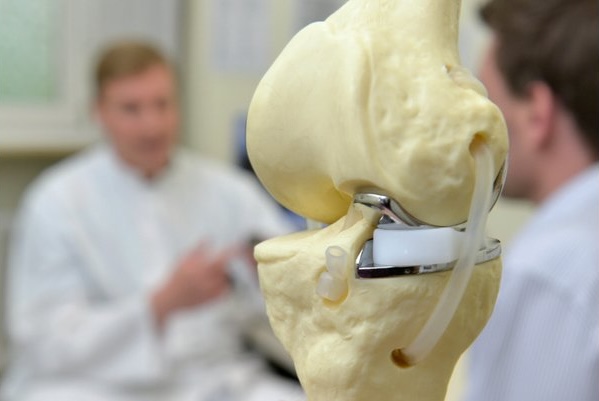
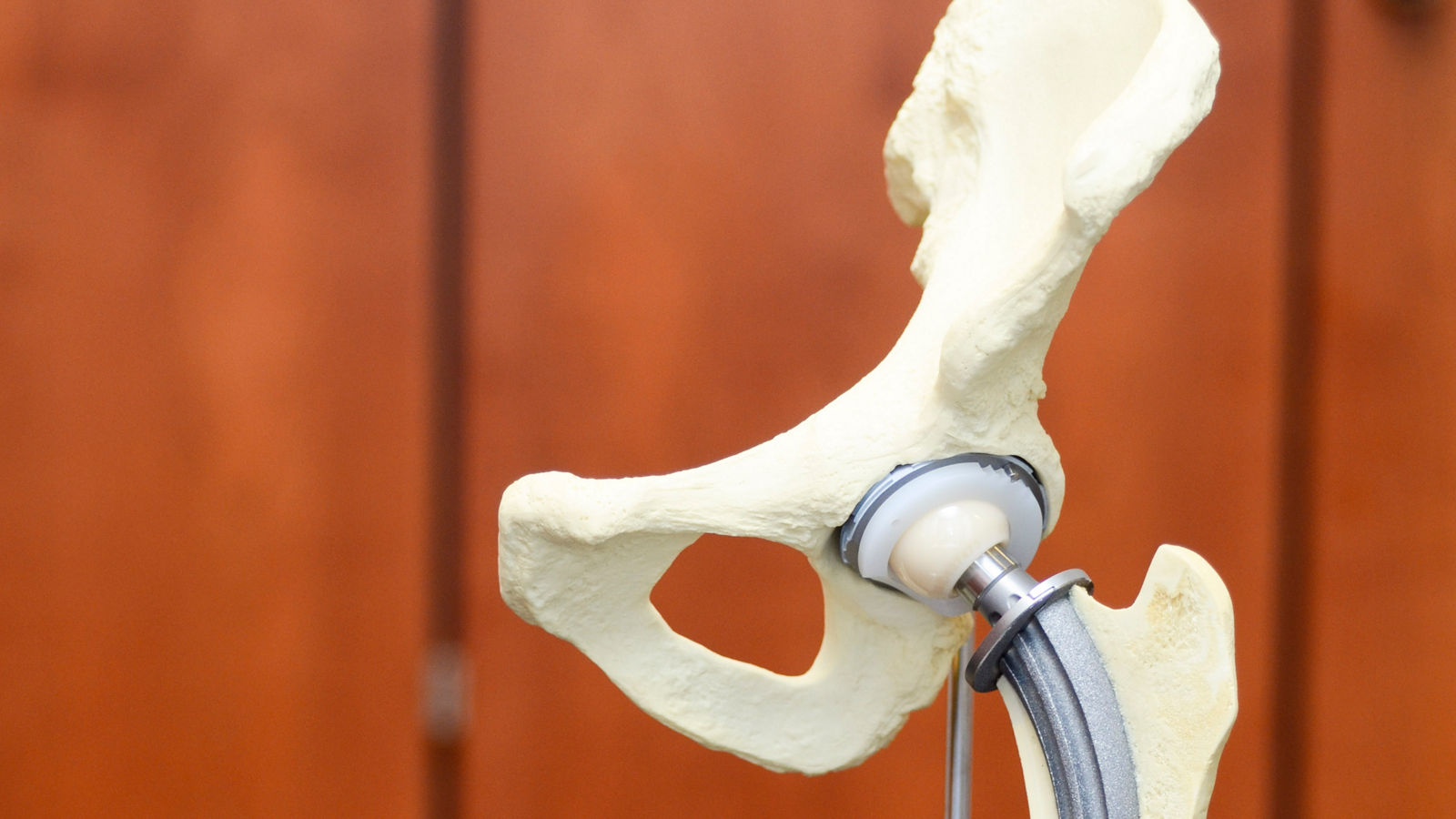
A hip prosthesis consists of three main components: an acetabular cup with a polyethylene or ceramic liner, a femoral head (usually made of ceramic), and a femoral stem. The stem, which is approximately 15 centimeters long, is fixed inside the femur. When all components of the hip joint are replaced, the procedure is referred to as a total hip replacement (THR) or total hip arthroplasty (THA).
There are two main methods of fixing an artificial hip joint: cementless and cemented fixation. A combination of these two methods is also possible, in which case it is referred to as a hybrid hip replacement.
Cementless fixation
Cementless hip implants are used in more than 80% of patients in Germany, provided that the shape of the joint and the quality of the bone allow this type of fixation. The femoral stem and acetabular cup are typically made of biocompatible titanium alloys. The bearing surface commonly consists of a ceramic femoral head combined with a polyethylene liner. After implantation, the surface of the prosthesis allows the surrounding bone to gradually grow onto or into the implant, providing stable biological fixation.
Cemented fixation
If bone quality is reduced, for example due to osteoporosis, or if anatomical characteristics do not allow reliable cementless fixation, the implant components can be secured using special bone cement. Cemented fixation is most commonly used for the femoral stem. This method provides stable fixation of the implant even when the bone is not strong enough to support reliable cementless anchoring.
Rehabilitation
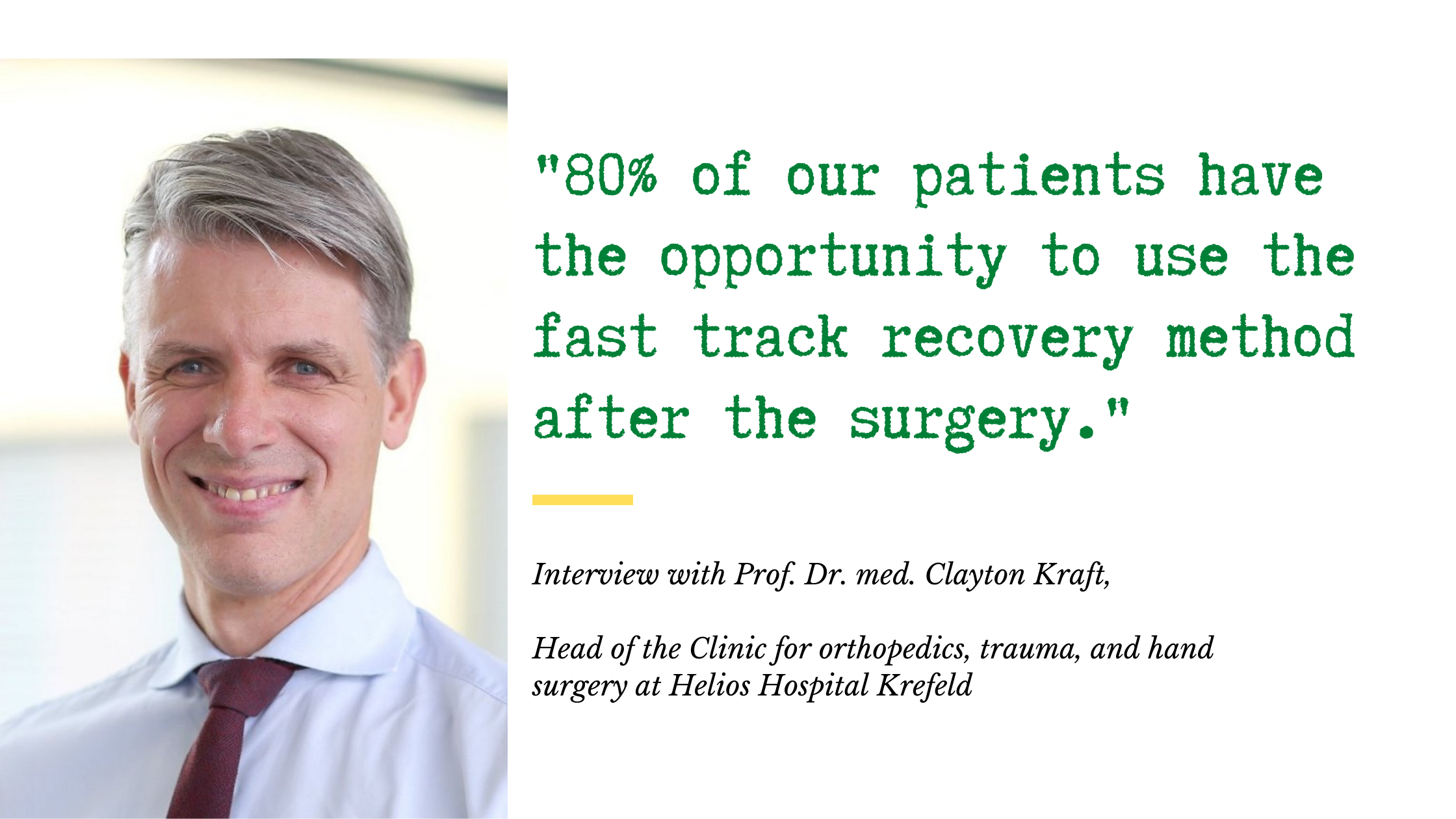
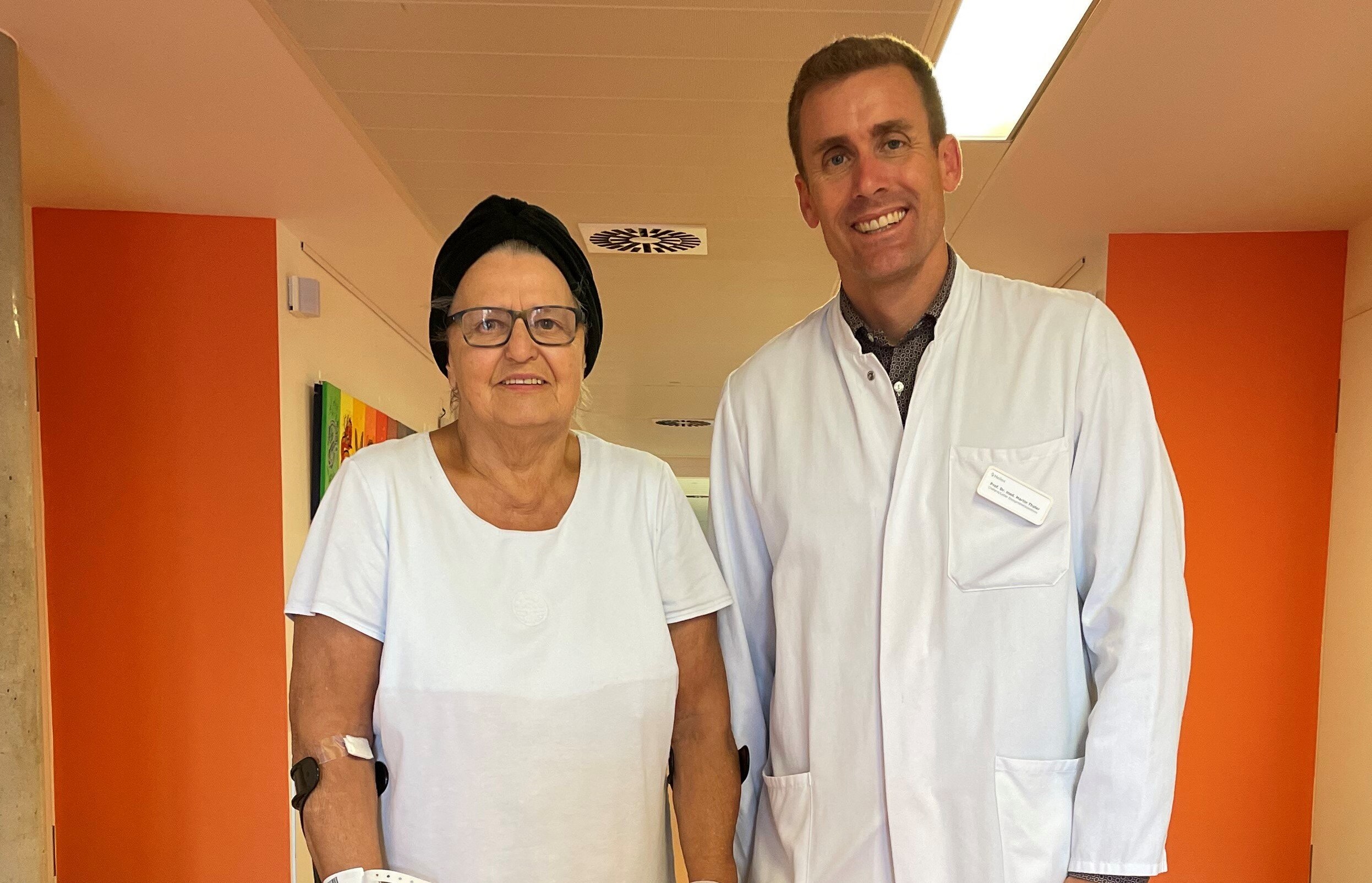
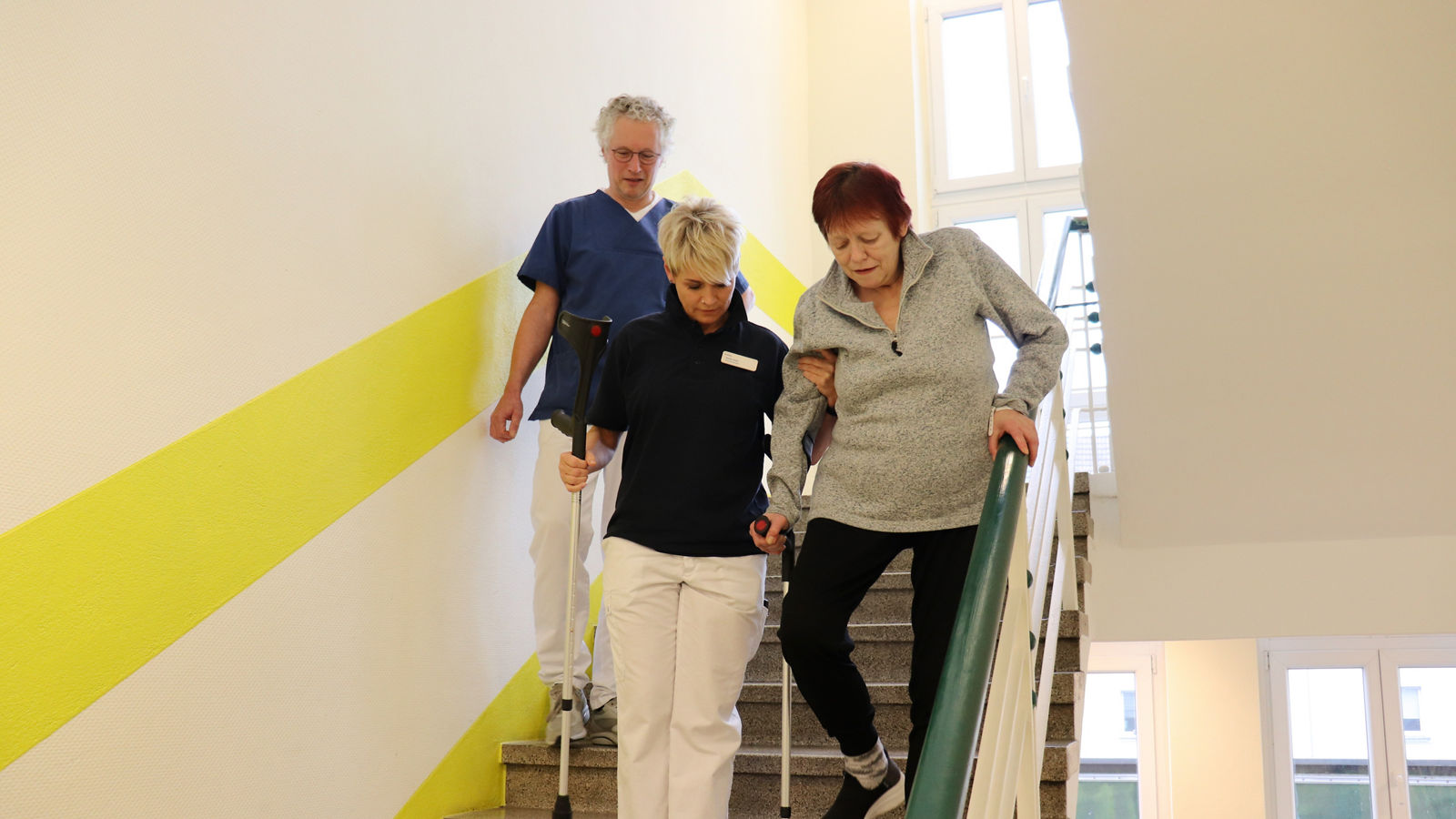
After surgery, the dressing is changed every three to four days, and the patient receives appropriate pain management. Rehabilitation begins on the day of surgery under the guidance of a physiotherapist. This approach is known as Fast Track rehabilitation: early mobilization helps stimulate circulation and muscle activity and supports faster recovery. Most patients stay in the hospital for only three to four days.
During the hospital stay, the surgeon regularly monitors the healing process. Sutures or surgical staples are usually removed 12 to 14 days after surgery.
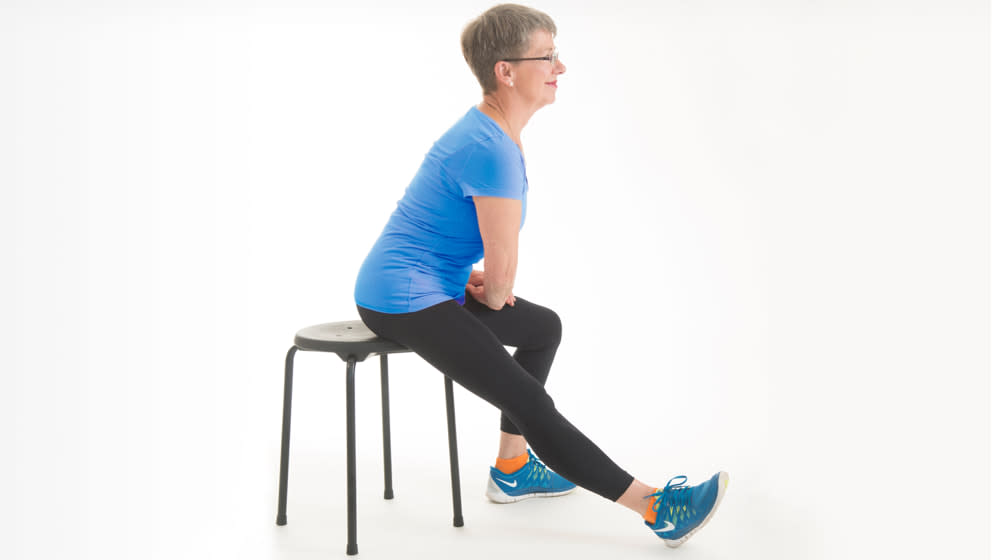
Rehabilitation that begins in the hospital continues after discharge. Individually tailored physiotherapy exercises help gradually improve joint mobility, strengthen the muscles, and restore normal walking. The duration of rehabilitation depends on the patient’s condition, the surgical technique used, and the individual rate of recovery. Rehabilitation is generally provided on an outpatient basis. If inpatient rehabilitation is required, it usually lasts around two to three weeks.
After hip replacement surgery, there is an increased risk of dislocation of the new joint during the first few weeks. Therefore, patients are generally advised not to bend the hip beyond 90 degrees during this period. When sitting, a slightly elevated position should be used so that the hip remains higher than the knee. How long these restrictions need to be followed depends on the healing process and the patient’s individual circumstances. During follow-up appointments, the physician will advise when these precautions can be discontinued.
After surgery, it is also recommended to use a raised toilet seat for approximately six weeks. This makes it easier to sit down and stand up and helps reduce strain on the new hip joint during recovery.
Depending on the patient’s occupation, the surgical technique, and the progress of recovery, many patients are able to return to work approximately two to three months after surgery.
Learn more about the postoperative period ⟶
Read more about the Fast Track Recovery Program ⟶
Joint replacement at Helios hospitals
Joint replacement is one of the key areas of orthopedic care at Helios hospitals. Specialized centers within the network perform primary hip and knee replacements, complex joint replacement procedures, and revision surgery. Treatment is based on individualized preoperative planning, modern minimally invasive techniques, and early rehabilitation. Some Helios hospitals also use computer-assisted navigation and robot-assisted technologies.
A particularly prominent center is the Helios ENDO-Klinik Hamburg — the largest specialized center for joint replacement in Europe, with more than 50 years of experience in joint implantation. The center’s expertise includes complex cases, revision joint replacement, and the treatment of infections and other complications following joint replacement surgery.
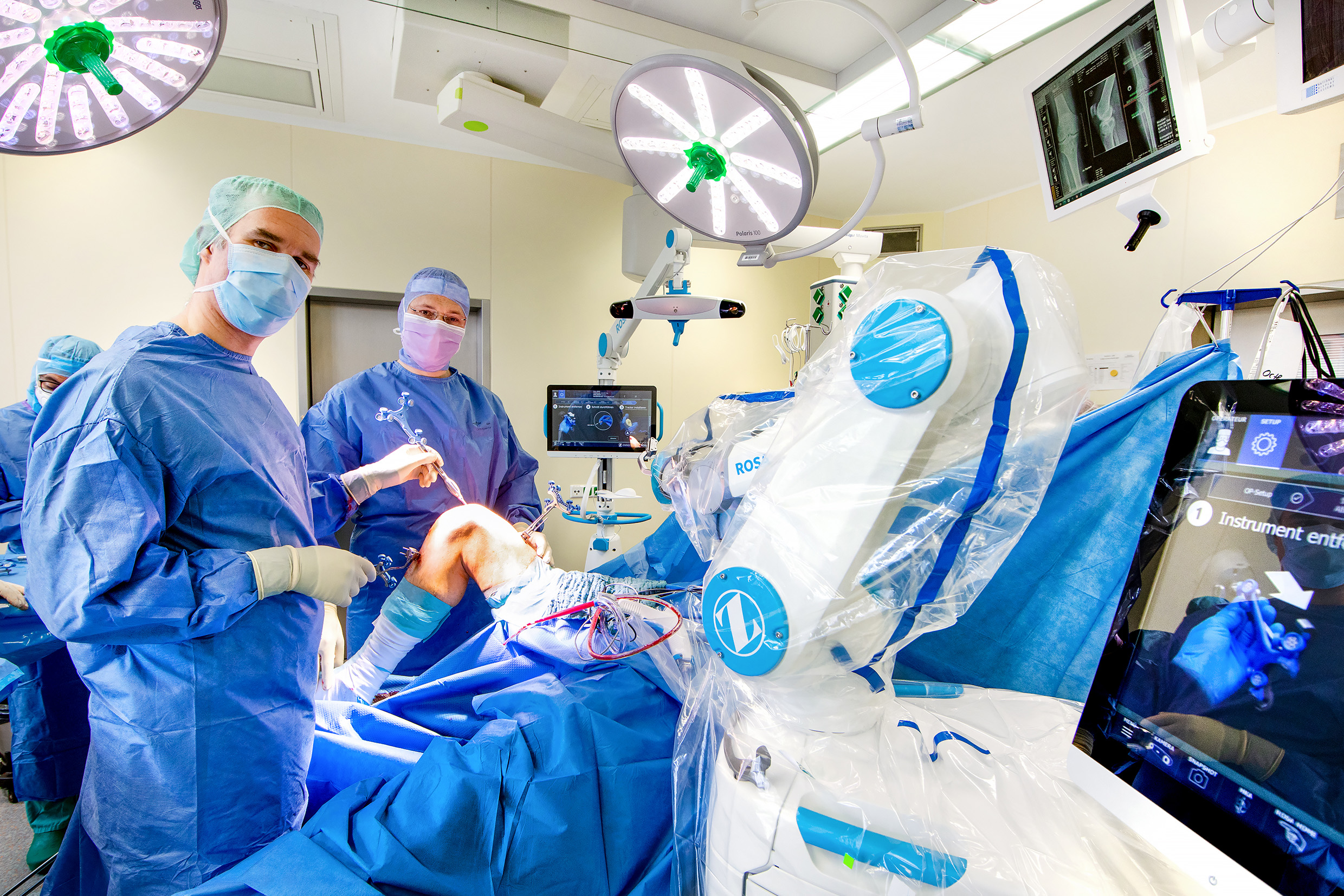
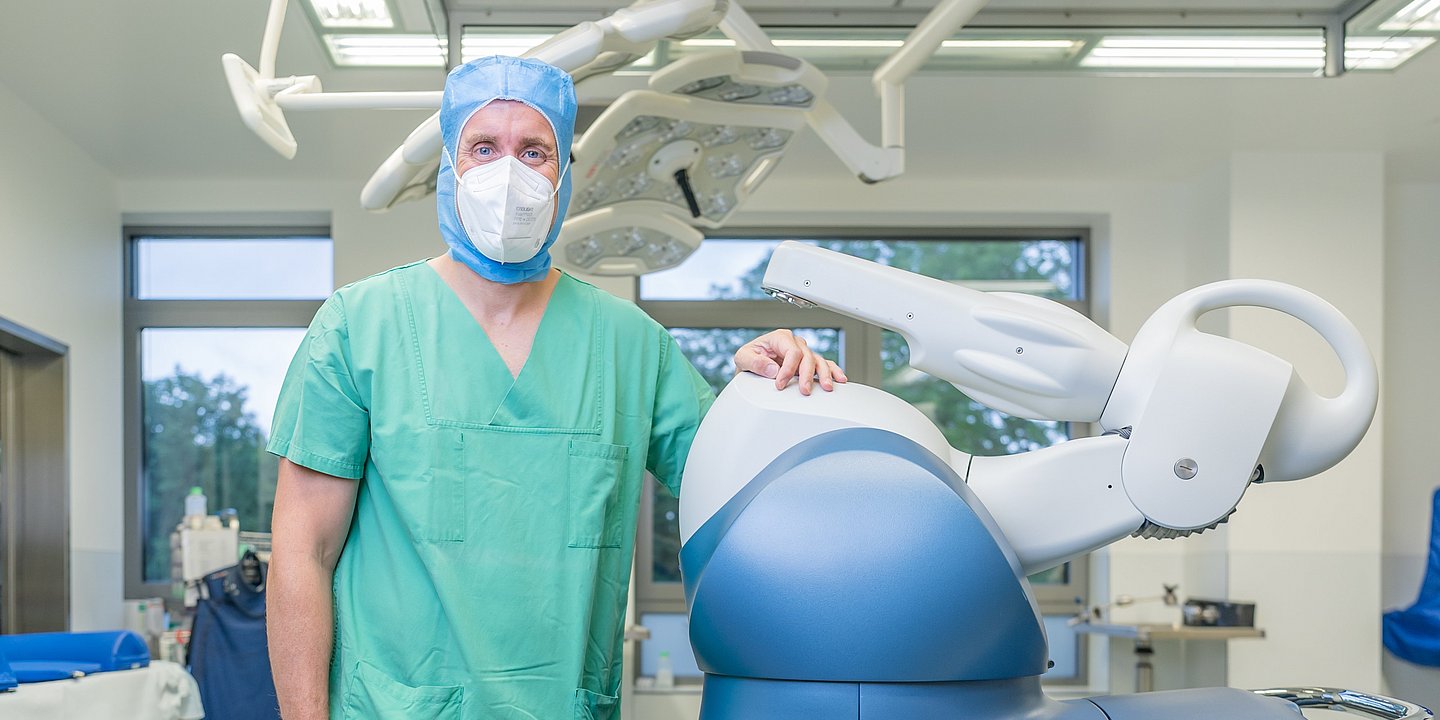
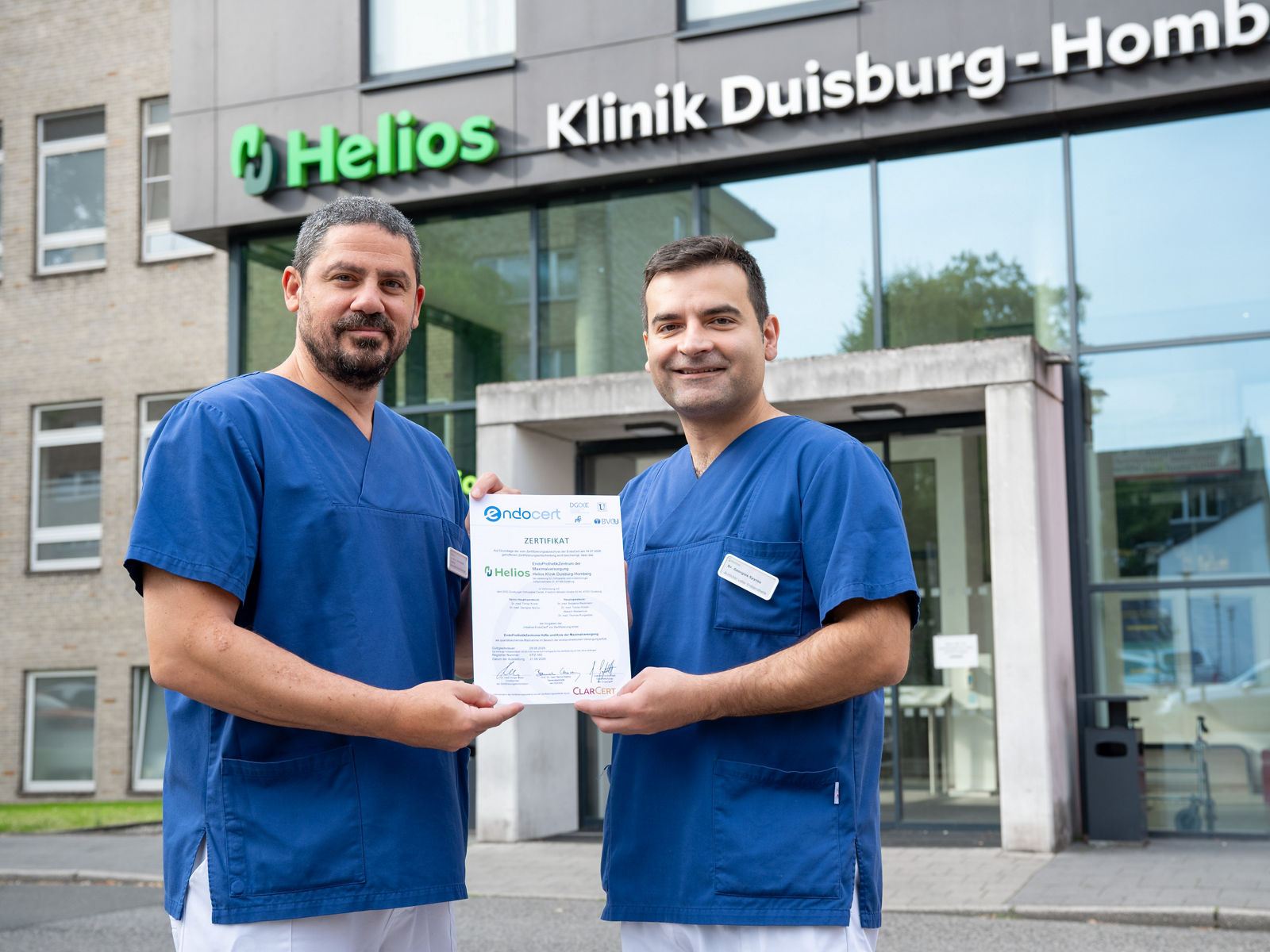
Another major orthopedic center within the Helios network is the Ortho-Campus at Helios Cäcilien-Hospital Hüls in Krefeld, part of Helios Hospital Krefeld. It is certified as a maximum-care endoprosthetics center (EPZmax). Around 2,000 hip and knee procedures are performed here each year, including both primary and revision joint replacements. The center’s particular strengths include robot-assisted surgery, tissue-sparing surgical techniques, and an integrated approach combining preoperative preparation, surgery, and subsequent rehabilitation.
Learn more about the modern treatment concept for joint replacement ⟶
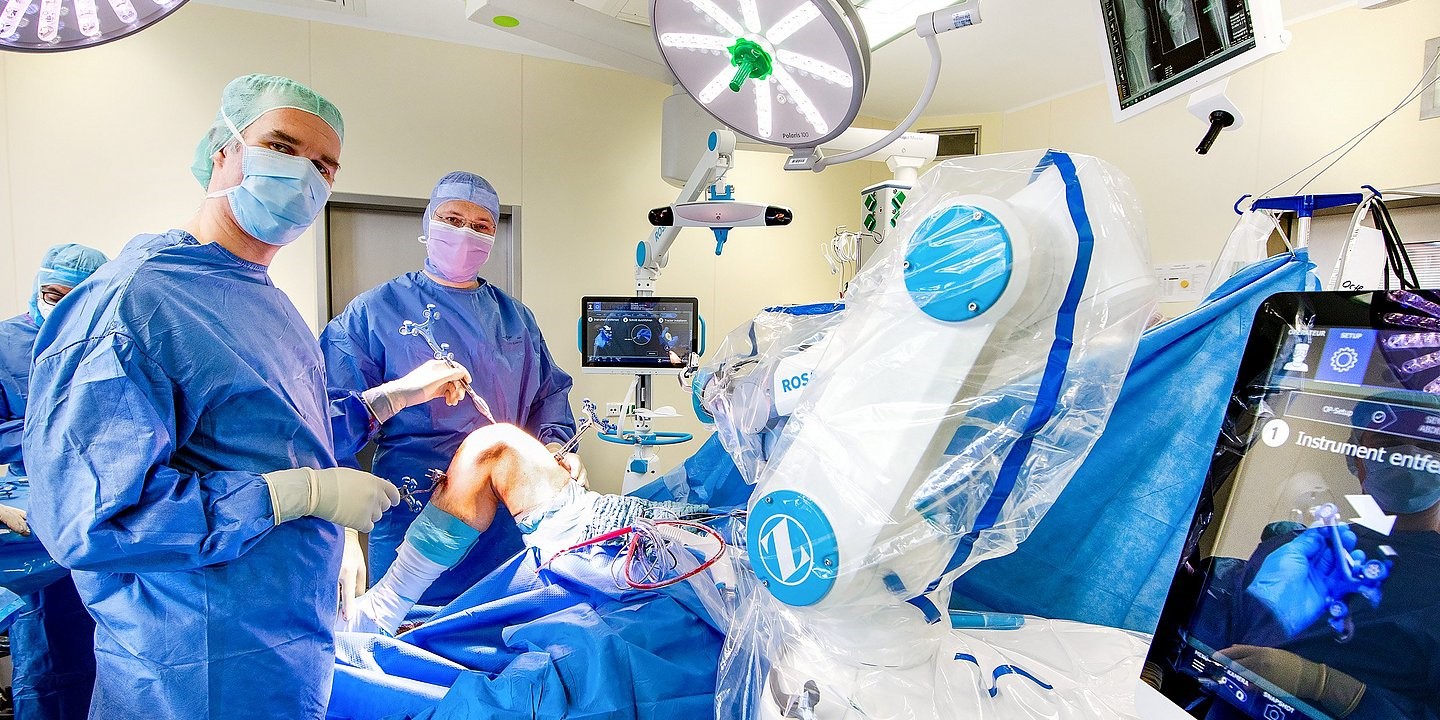
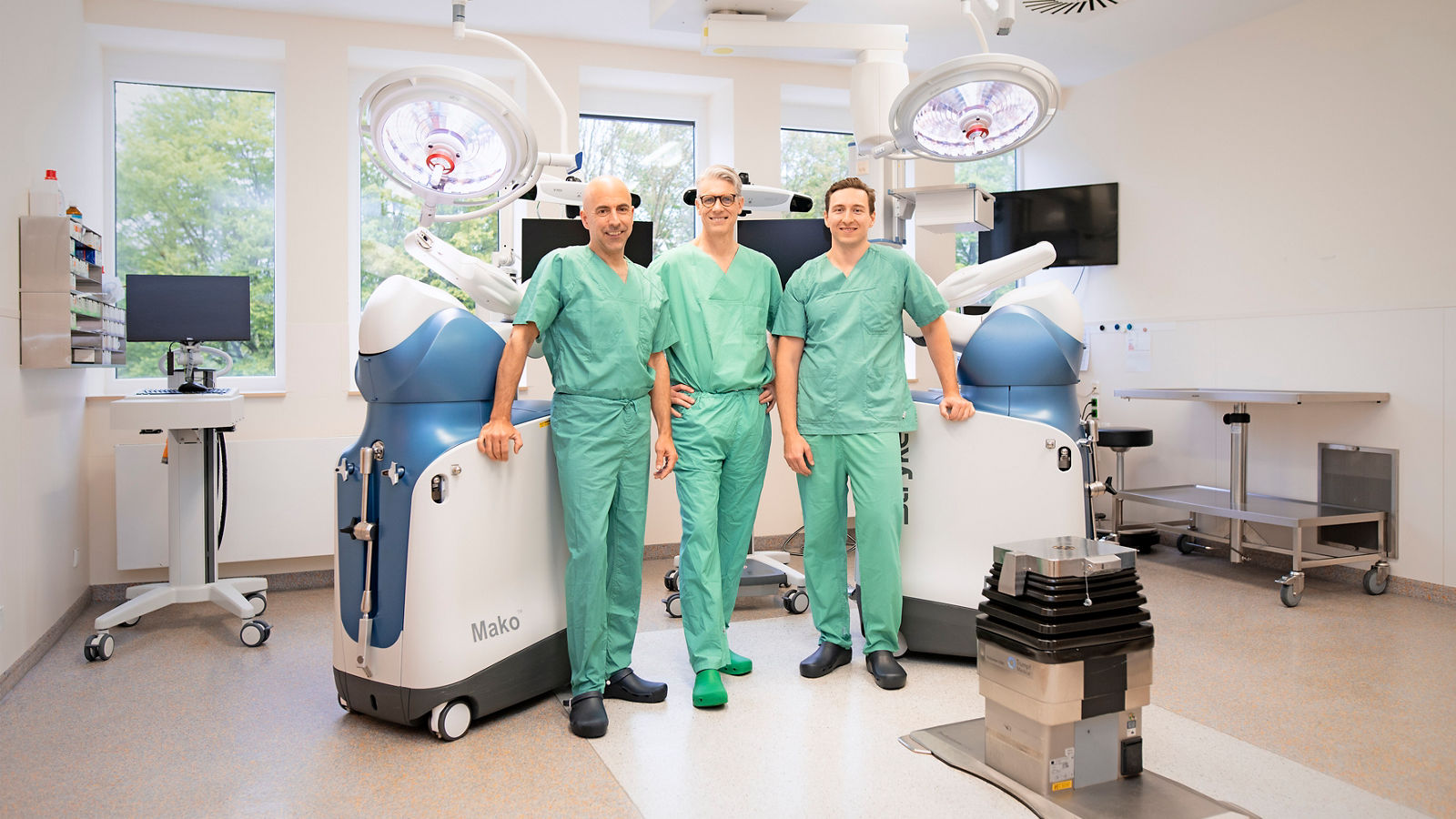
Advanced technologies are also used at other Helios hospitals. For example, Helios Hospital München West uses the Mako robotic system for hip and knee replacement, enabling surgeons to plan the positioning of implant components according to each patient’s individual anatomy. Helios Hospital Berlin-Buch also has extensive experience in complex and revision joint replacement surgery. This means that within the Helios network, patients can find specialized centers for both standard joint replacement and technically demanding cases or repeat procedures.
If you are interested in arranging diagnosis or treatment at one of the Helios hospitals, you can submit a request using the contact form on our website or contact us via the email address provided at the top of the website.
Learn more about arranging treatment at Helios hospitals ⟶
Do you need more information about Helios Hospitals or want to schedule your treatment?