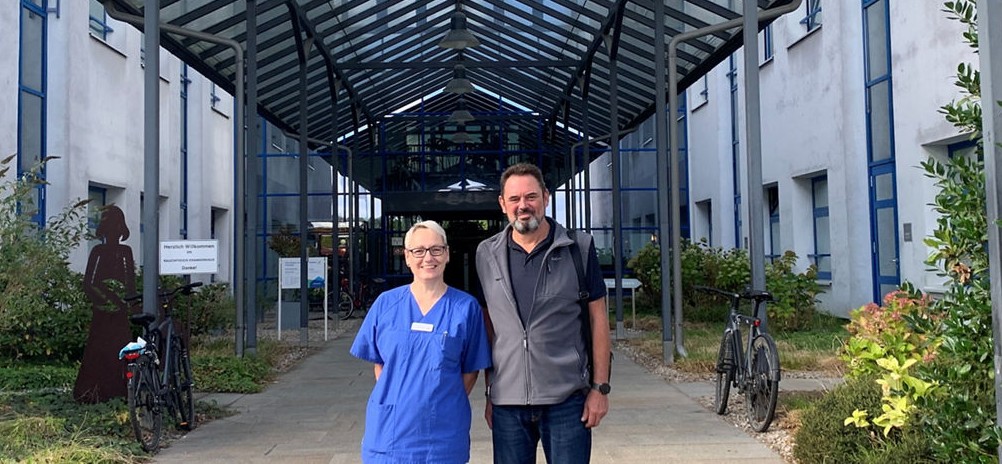
Chronic pain is not a life sentence: Karsten’s story
Karsten Seidel worked as an aircraft refueling technician for decades, including 34 years at Leipzig Airport. Physical activity and sports had always been an essential part of his life. However, everything changed in August 2024 when a herniated disc led to his first surgery. Unfortunately, the symptoms returned. In early 2025, he underwent a second operation involving spinal fusion. At first, his condition seemed to stabilize, but after some time, the pain returned and became persistent. At times, it radiated from his back down into his right leg. Neither physiotherapy nor other treatments provided lasting relief. "Since May 2025, I've essentially been living with this pain and trying to find out what's causing it," Karsten Seidel explains.
As the pain persisted, many aspects of daily life became increasingly difficult. Walking longer distances, physical activities, and even routine tasks were no longer easy. Chronic pain also fundamentally changed Karsten's professional life. Today, the trained aircraft mechanic is no longer able to work in his previous profession.
The constant strain gradually began to affect his mental well-being as well. At times, Seidel withdrew from his social circle. It became increasingly difficult for him to maintain the appearance that everything was fine when interacting with family and friends. "The hardest part is actually being honest," Karsten Seidel reflects. "For a long time, I didn't tell my wife how severe my pain really was. I didn't want to burden her with it." For someone who had previously been very active and regularly participated in sports, these changes were particularly difficult.
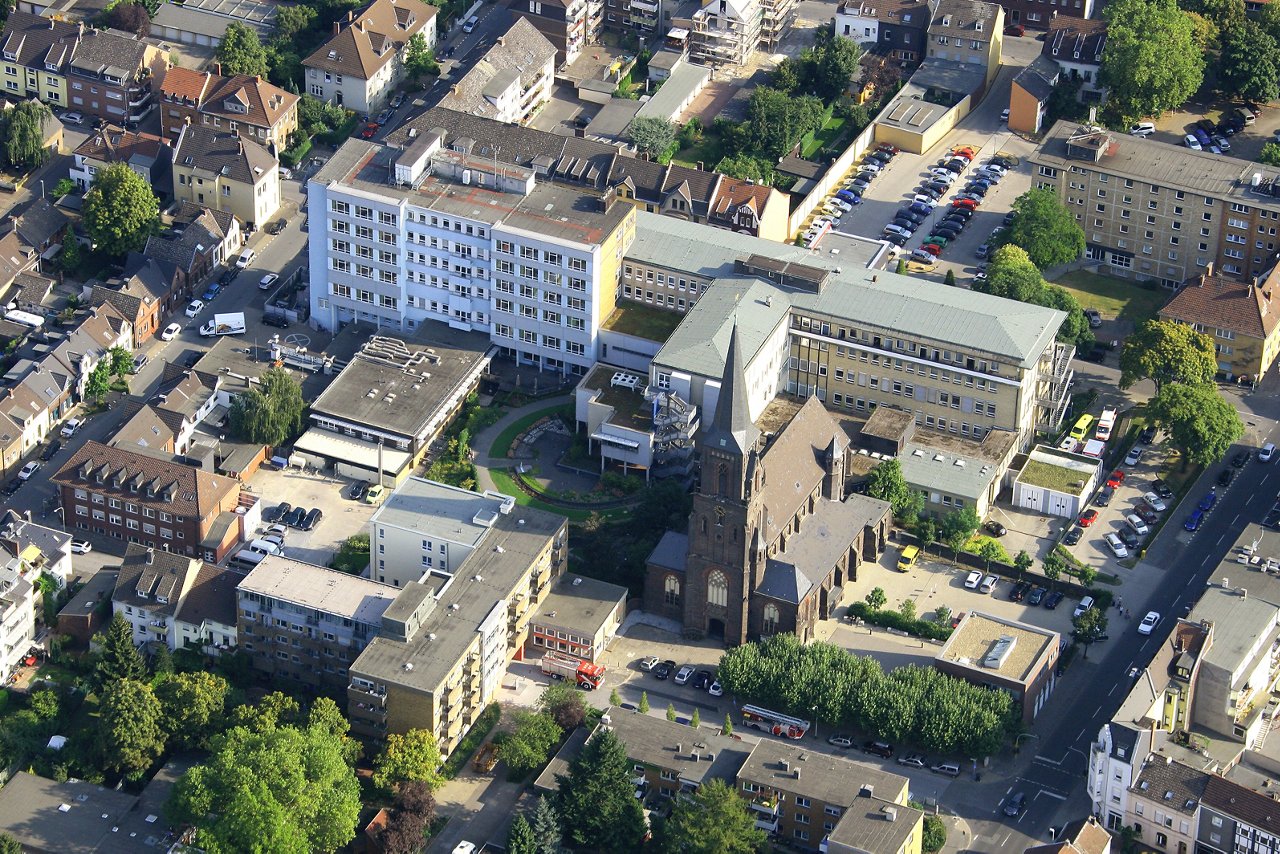
After several treatment attempts failed to provide lasting improvement, Karsten Seidel decided to undergo inpatient pain therapy at Helios Park Hospital Leipzig.
Taking a deliberate break from his usual routine was an important step for him. Away from work and household responsibilities, he was able to focus entirely on his treatment.
Multimodal pain therapy takes a comprehensive approach, combining medical treatment, physical rehabilitation, and psychological support. Its goal is not only to reduce pain intensity but also to help patients manage their symptoms more effectively and improve their quality of life.
"With chronic pain, focusing solely on the pain itself is often not enough. Together with our patients, we examine the various factors that can influence and perpetuate pain. It is also important to help patients rebuild trust in their own bodies and find ways to maintain an active daily life despite the pain." — Dr. Ute Scheibe, Senior Physician in the Department of Anesthesiology, Intensive Care and Pain Management at Helios Park Hospital Leipzig.
A comprehensive approach to pain management
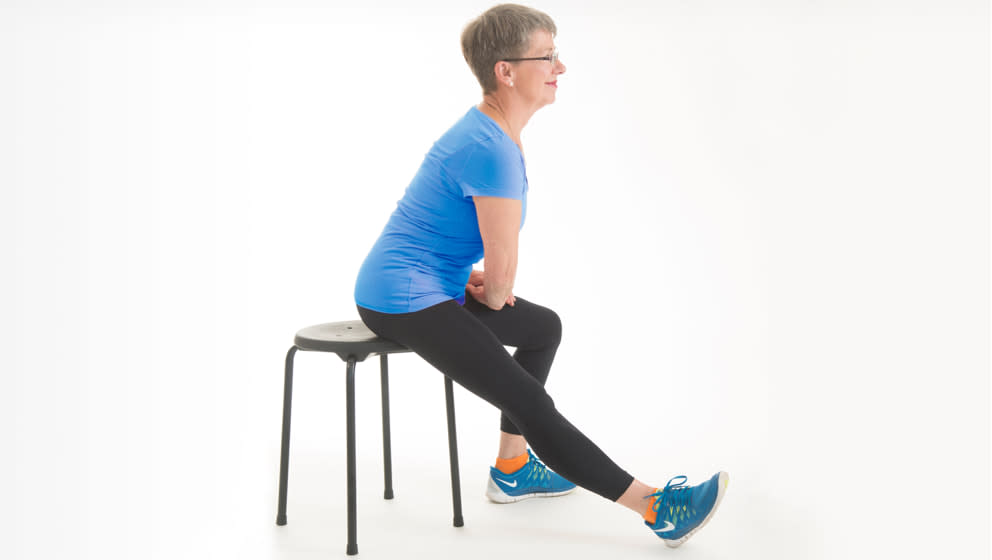
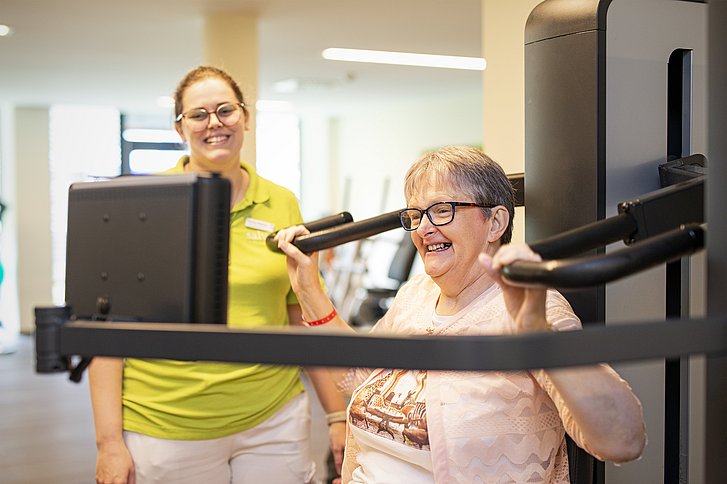
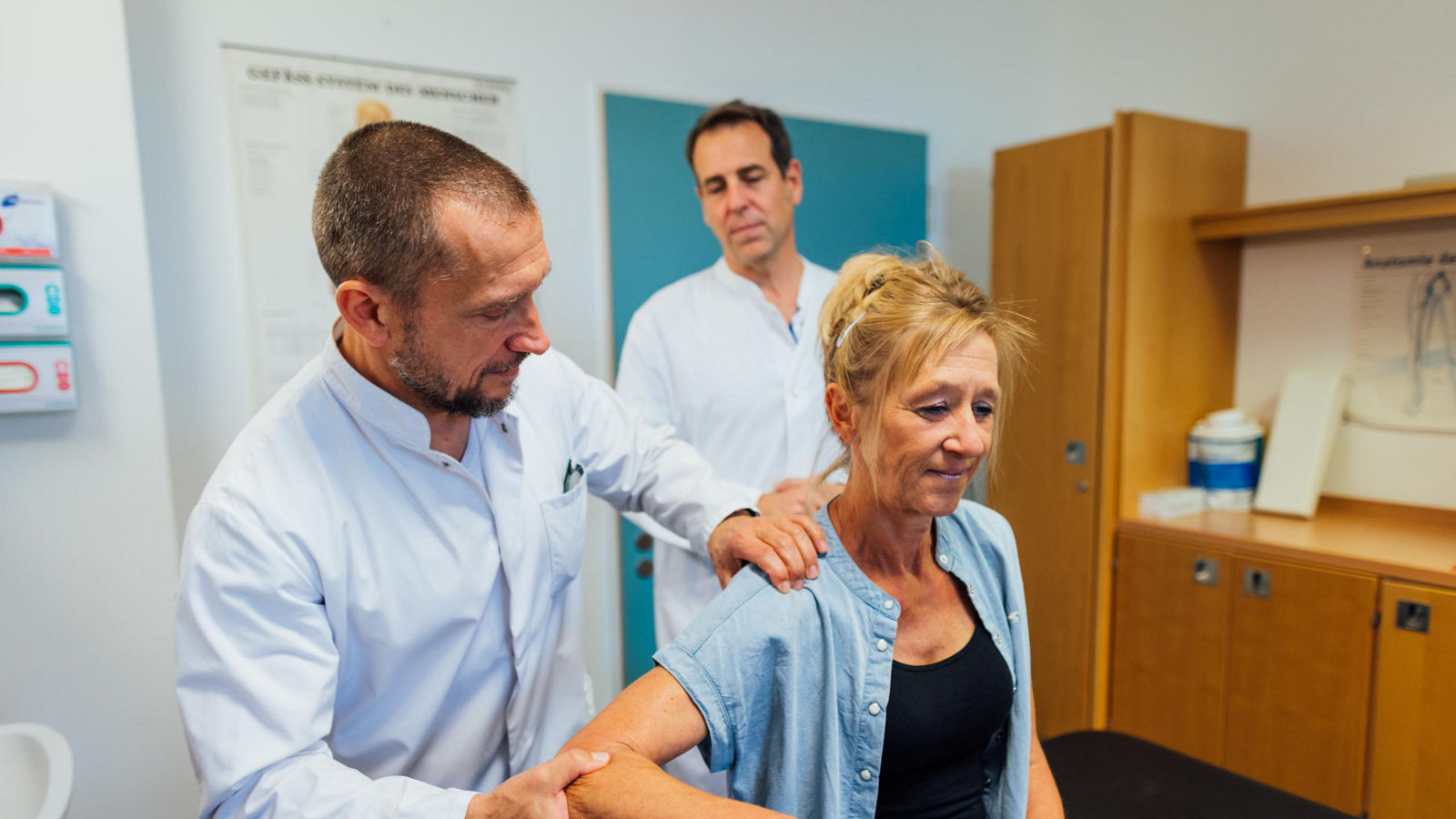
Karsten Seidel's treatment consisted of several complementary approaches. These included physical exercises and stretching, cold therapy, adjustments to pain medication, and psychological counseling. Relaxation techniques and sharing experiences with other patients living with chronic pain also played an important role. "Here in pain therapy, they address not only our physical condition but also our psychological well-being. First, they explain what chronic pain is, how it develops, and what can be done to manage it. You also learn, to some extent, how to live with chronic pain," says Karsten Seidel.
One of the most important aspects for Seidel was learning to recognize his physical limits. Rather than avoiding activities altogether, he learned to manage his level of exertion more consciously and schedule regular breaks. "Basically, I can do almost anything as long as I don't overdo it," he explains.
Connecting with other patients was also helpful. These conversations reassured him that he was not alone in his experiences and challenges.
Improving quality of life despite pain
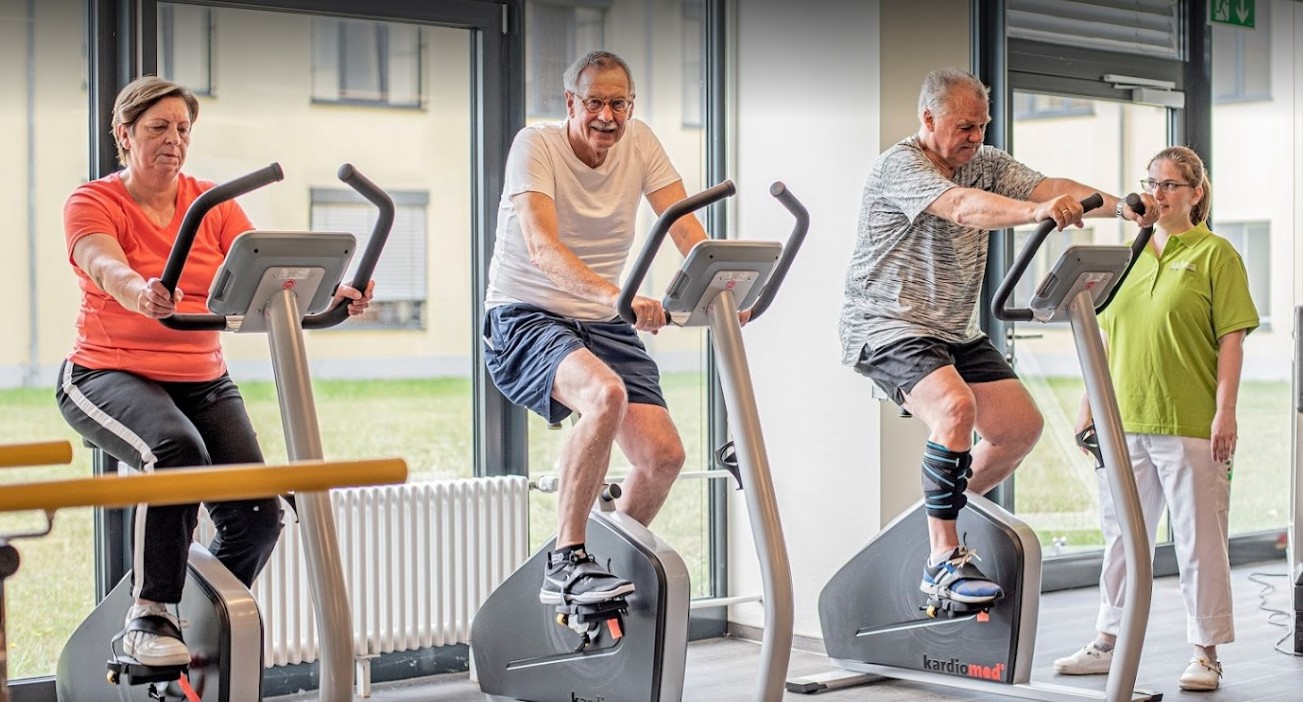
Today, Karsten Seidel is determined not to let chronic pain dictate every aspect of his life. Instead, he focuses on staying active while carefully managing physical exertion. Cycling, for example, remains an activity he enjoys and finds beneficial. He is also considering returning to table tennis, taking small steps at first.
His overall experience with pain therapy has been positive: "I would recommend that people with chronic pain try specialized pain therapy. Even if the pain never completely goes away, you can still learn to manage it much better."
Seidel's message to others facing similar challenges is clear: accepting support and speaking openly about one's condition can be an important step forward. Chronic pain often affects much more than physical health and can disrupt every aspect of daily life.
Karsten Seidel's experience also demonstrates that living with chronic pain does not necessarily mean giving up an active and fulfilling life. Multimodal pain therapy can help patients better understand their condition, develop new strategies for everyday challenges, and regain a greater sense of control over their lives.
Read more:
Do you need more information about Helios Hospitals or want to schedule your treatment?