
Helios Hospitals in the Rhine–Ruhr cluster deliver outstanding medical results
When hospitalization is necessary, everyone wants the best possible treatment. But how do you find the right hospital? Which hospital offers the best treatment for me or my relatives?
Reliable and transparent information about the quality of medical services is crucial to answering this question. Outcome quality has been a core standard at Helios Hospitals for over 25 years and follows a threefold approach: measure comprehensively and consistently, publish results, and continuously improve.
With its cluster approach, Helios takes another step forward: several hospitals within a region work closely together, share expertise, and complement each other—ensuring that patients receive the best possible care everywhere.
Targeted specialization and networking
Quality results at Helios Hospitals have been around 90% for years. In 2025, they reached a new peak of nearly 92%. Looking ahead, Helios aims to further develop quality management: while traditional measurement looks backward, the future focus will be on using clinical data closer to real-time care and detecting risks earlier. Outcome quality remains the key benchmark and will increasingly be supported by digital tools within ongoing care processes.
“Quality is an investment, not a snapshot. Good medicine is the result of consistent collaboration. That is why we bring together the strengths of our clinics and deliberately pool expertise where it has the greatest impact for our patients,”
says Birger Messthaler, Managing Director of Helios Hospital Krefeld.
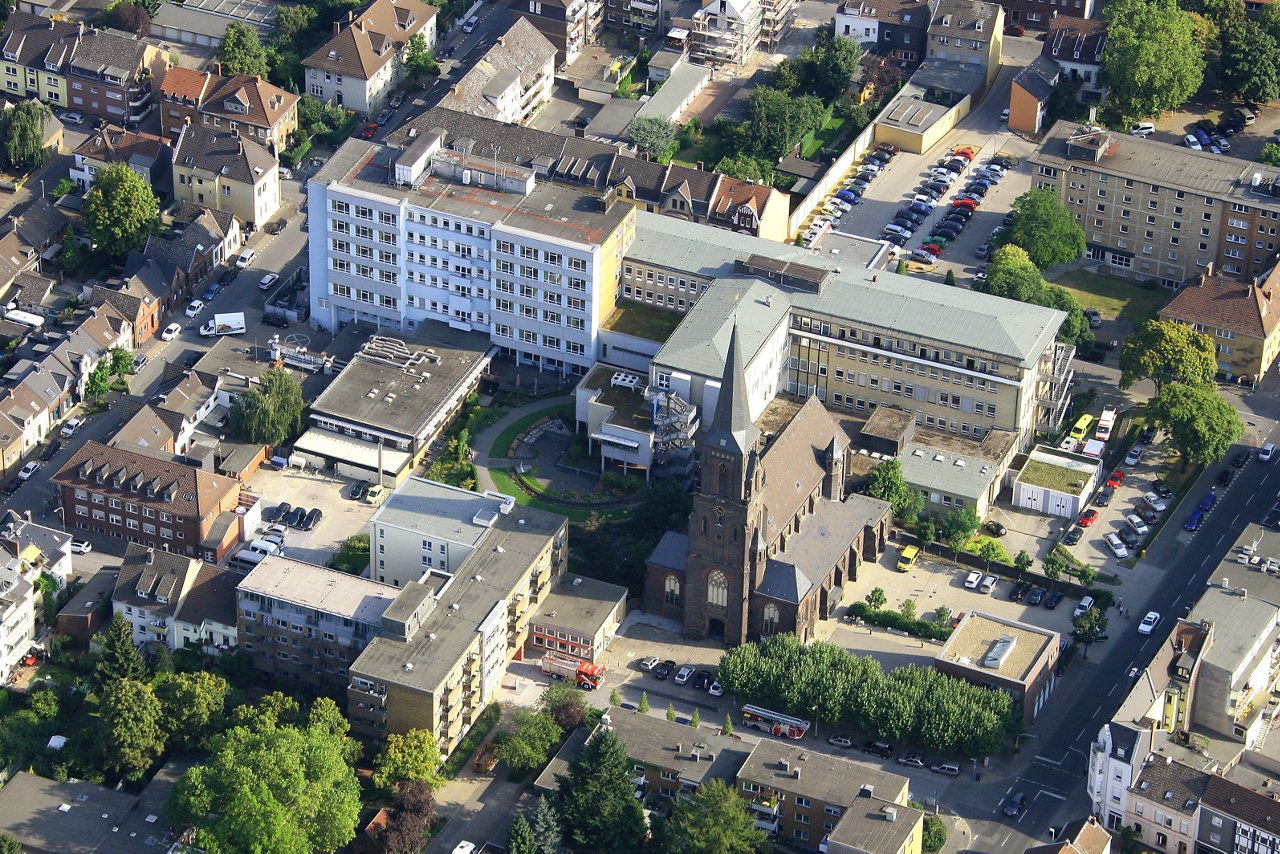
The Rhine–Ruhr cluster includes nine clinic sites in Duisburg, Krefeld, and Oberhausen, jointly providing care to more than 131,000 inpatients and 305,000 outpatients each year.
The advantage for people in the region is that they no longer need to choose a single hospital. Instead, they gain access to the entire network’s medical services and are treated where the best expertise for their condition is available.
Strengths of the Helios Rhine–Ruhr cluster
The maximum care hospitals are designed to treat complex conditions in an interdisciplinary manner. Innovative procedures such as robot-assisted tumor surgery and cutting-edge technologies like the Ion bronchoscopy system for early lung cancer detection ensure that patients have access to minimally invasive and highly precise diagnostics and treatment across all sites.
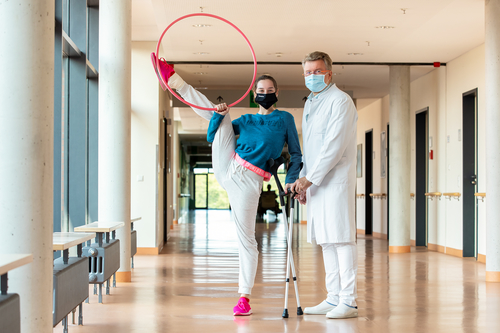
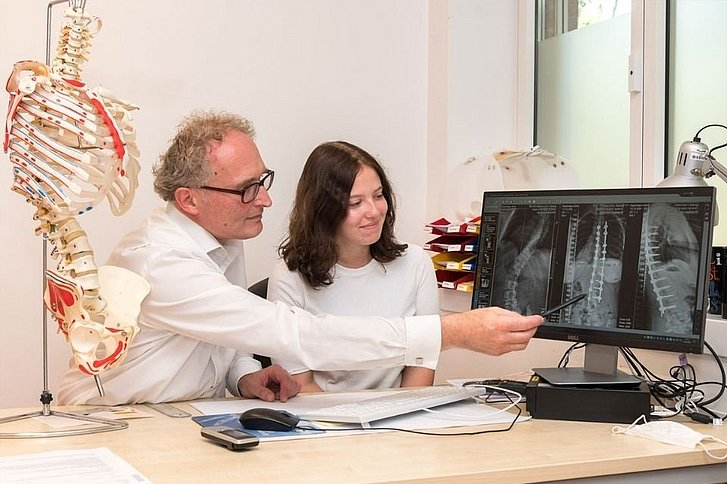
A consistent specialization also characterizes the treatment of musculoskeletal disorders and injuries in spine and joint surgery, geriatric traumatology, and neuromodulation (pain therapy).
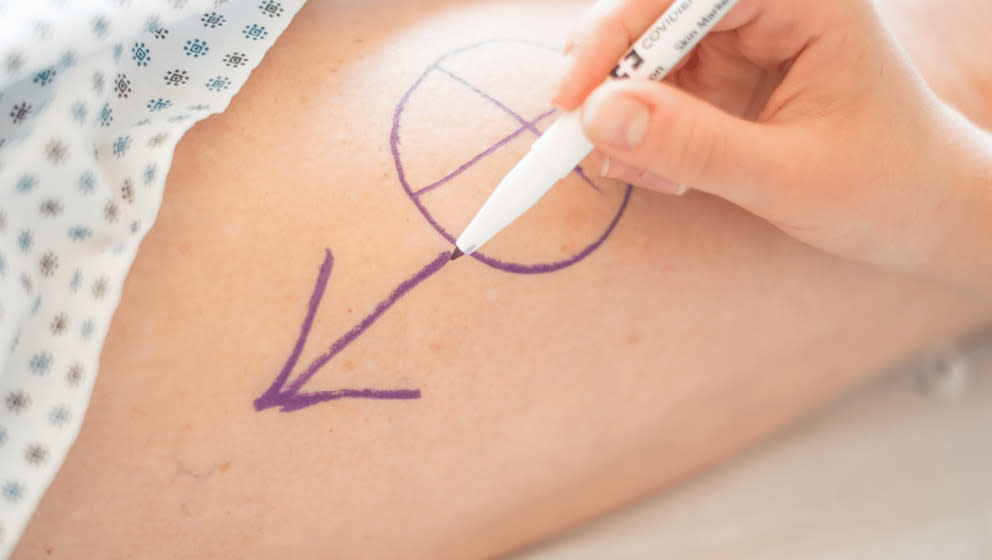
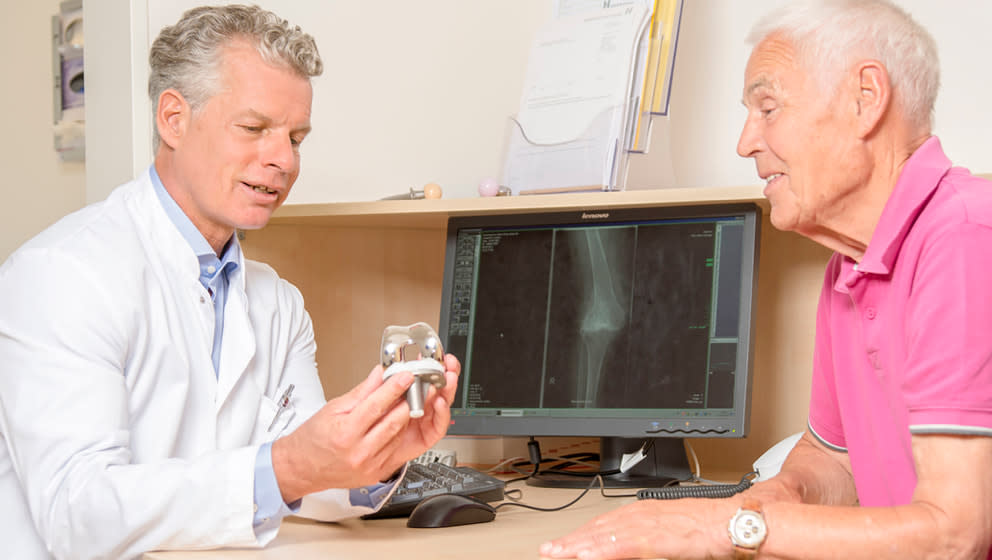
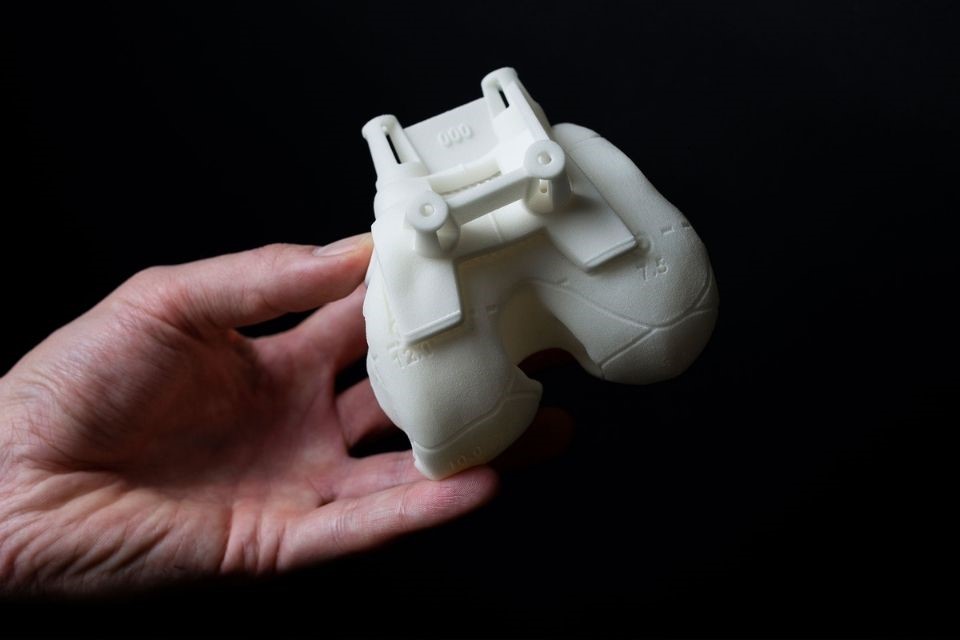
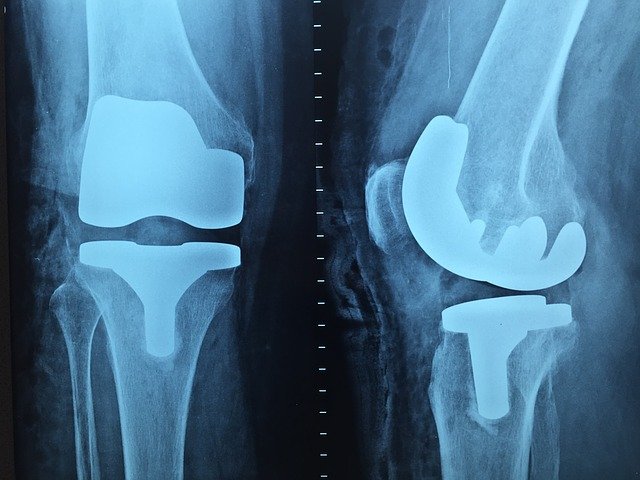
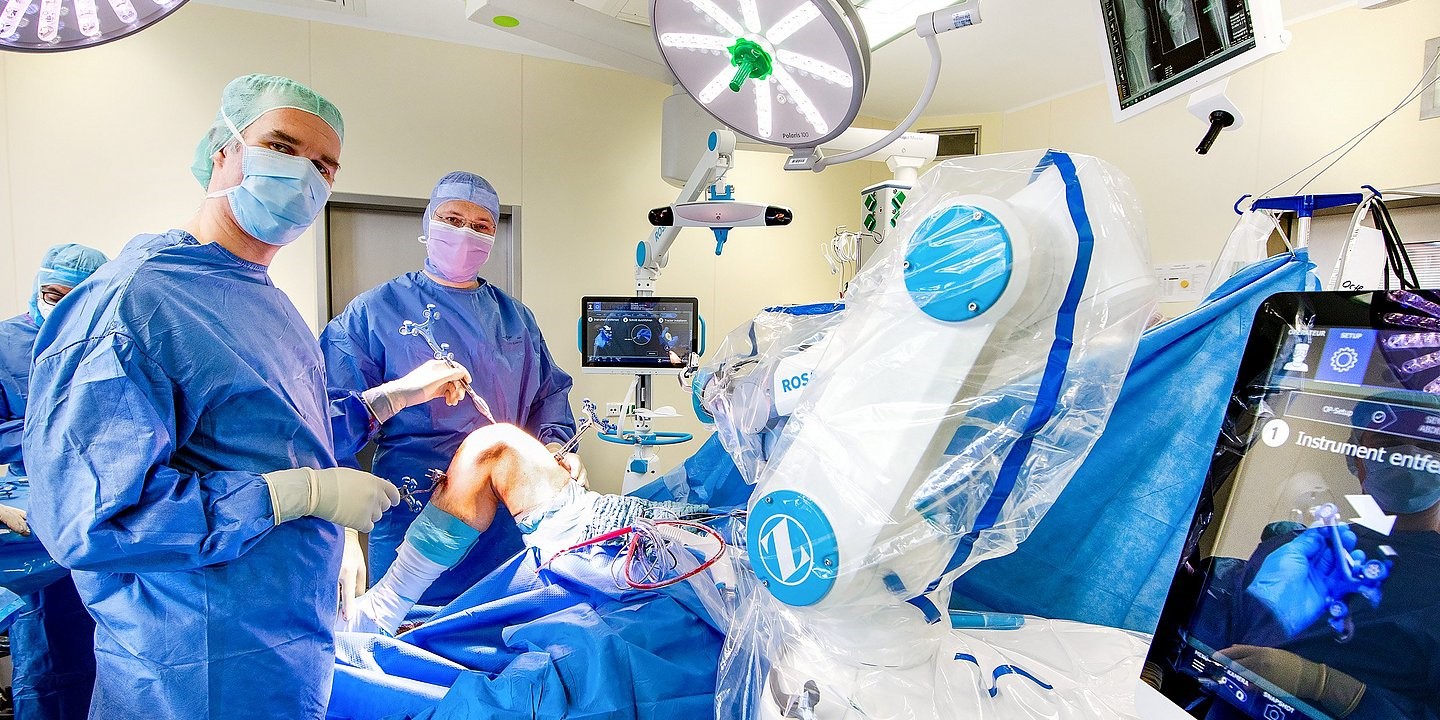
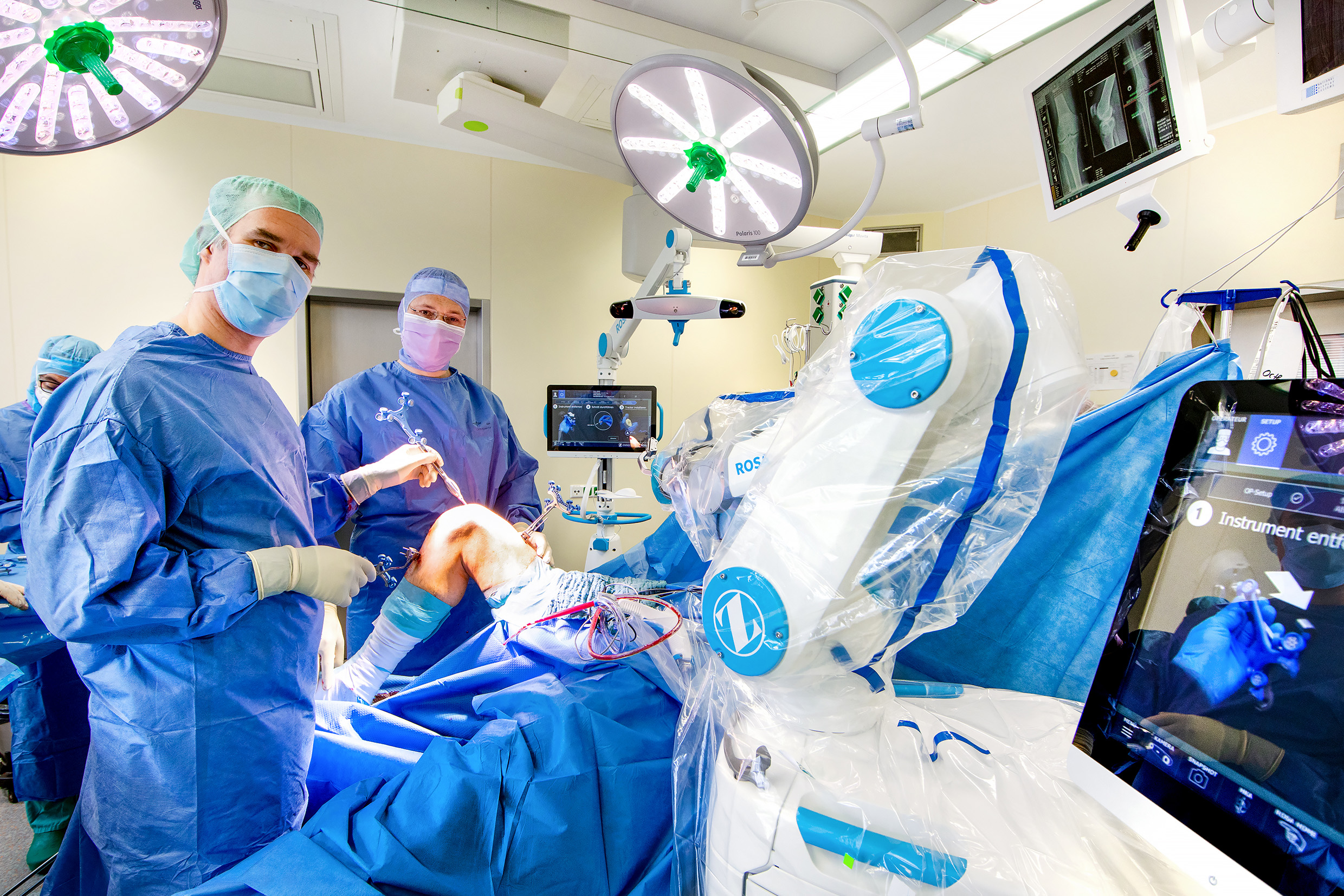
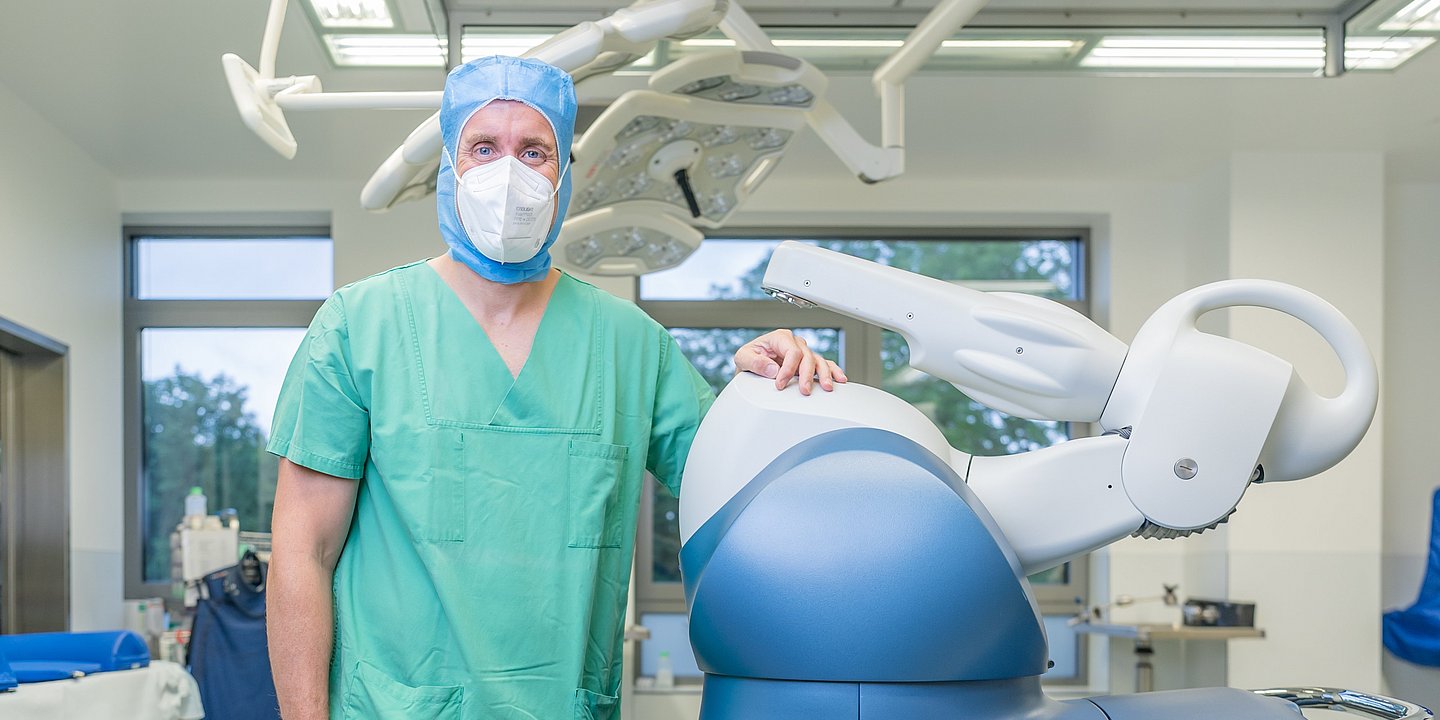
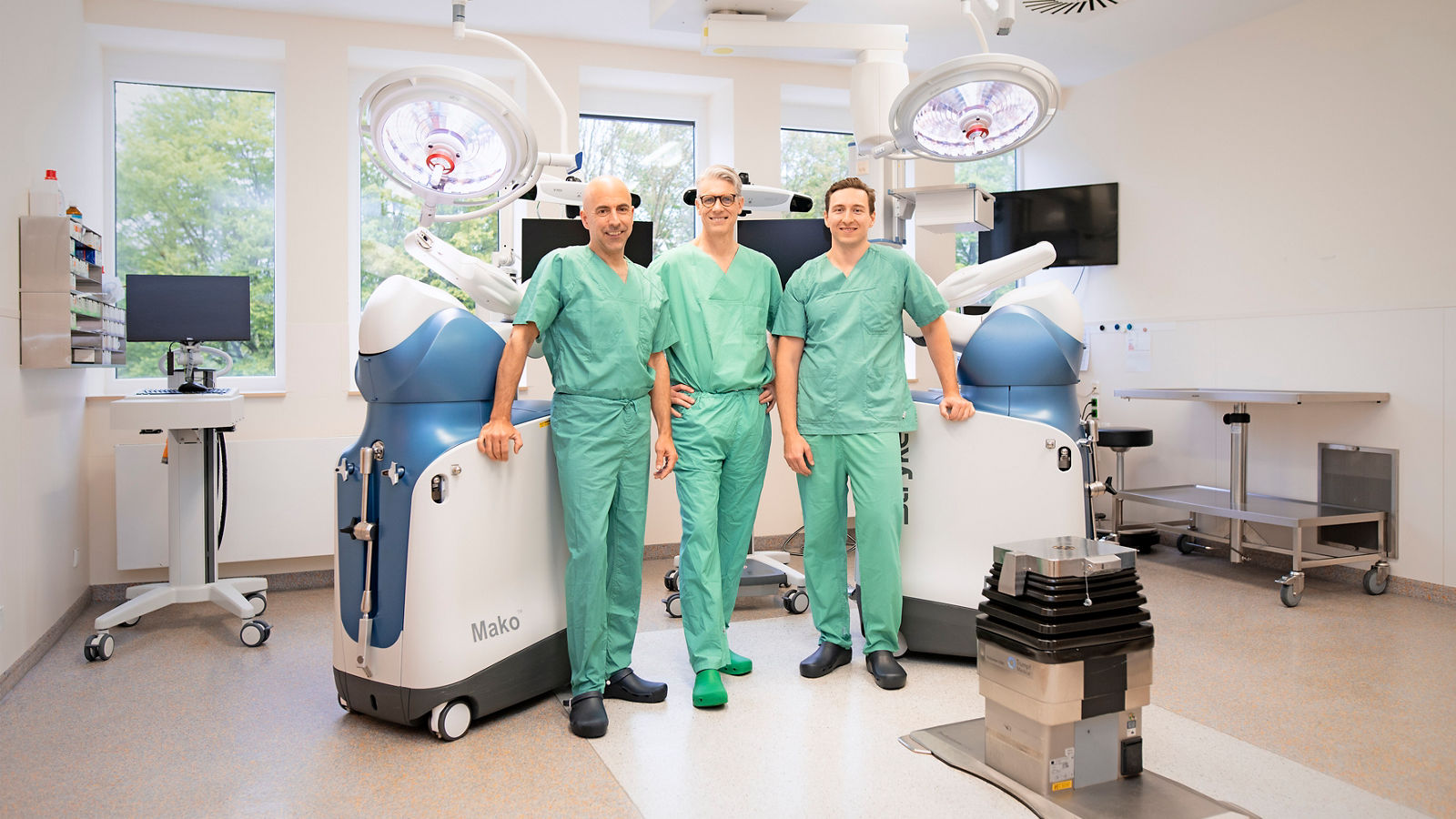
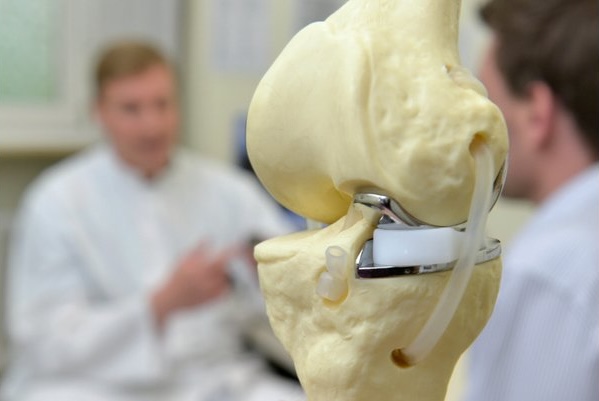
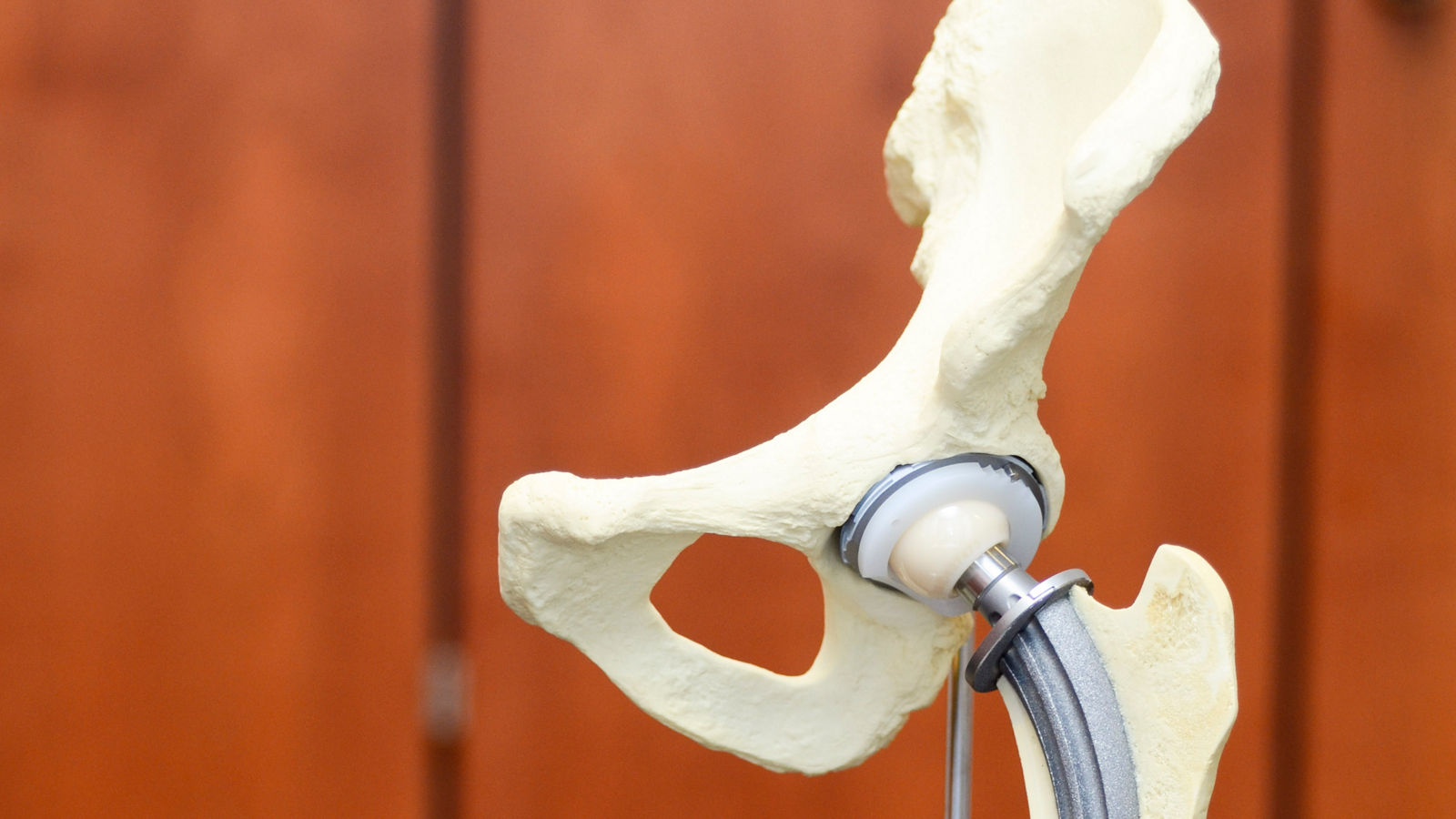
Robot-assisted implantation of knee and hip joints is a core component of services at the Ortho-Campus.
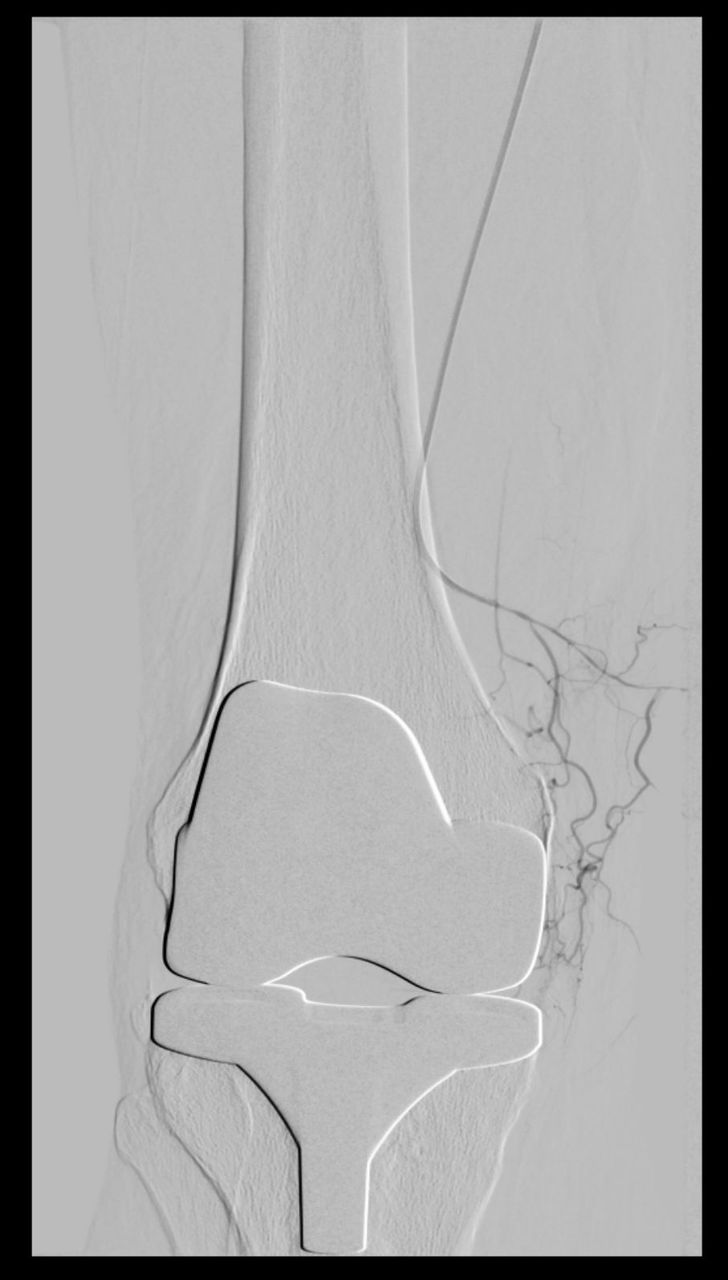
The network has leading expertise in interventional radiology, cardiology, and cardiac surgery. This also includes advanced endoscopic therapies that are available only at a few visceral medicine centers (abdominal organs) nationwide.
With a supraregional catchment area, the Rhine–Ruhr Obesity Center in Oberhausen also demonstrates that even smaller sites within the network maintain highly specialized teams and treatment focuses.
*G-IQI Quality Indicators (German Inpatient Quality Indicators) is a comprehensive system of quality indicators specifically developed for inpatient care in German acute care hospitals. It measures and evaluates treatment quality based on routine hospital billing data (DRG data).
Read more:
Do you need more information about Helios Hospitals or want to schedule your treatment?