Heart Center Leipzig: Modern robotic surgical technologies
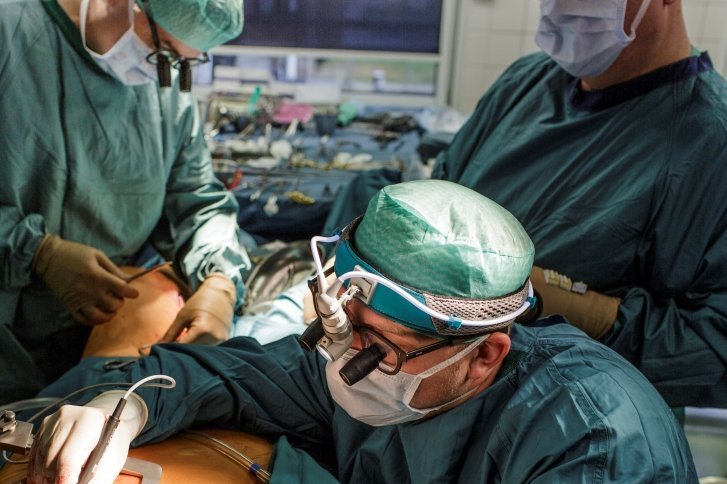
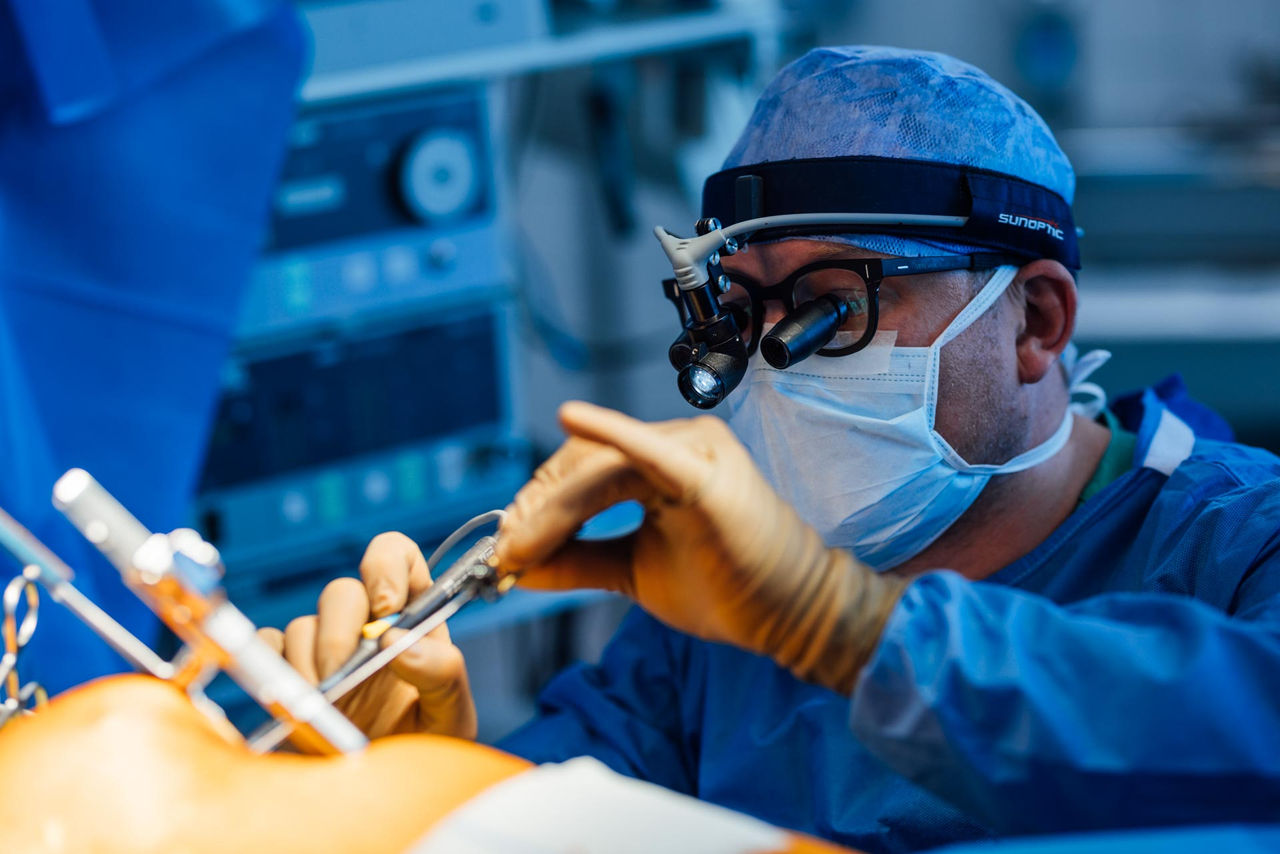
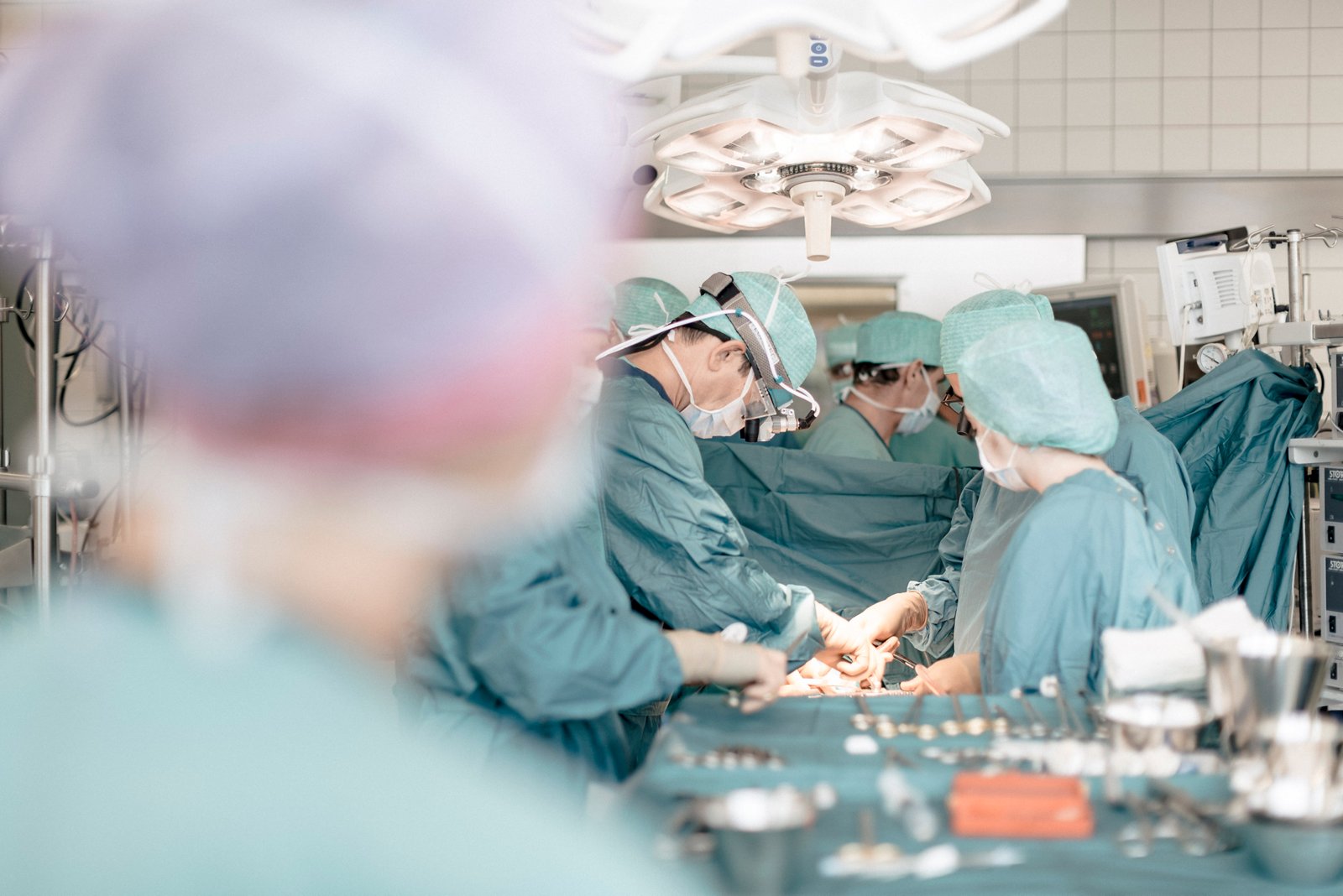
The surgical robot is used in cardiac surgery at the Leipzig Heart Center as well as in visceral and thoracic surgery at Helios Park Hospital Leipzig for minimally invasive procedures. Among other benefits, it promises smaller incisions and therefore faster recovery with less pain.
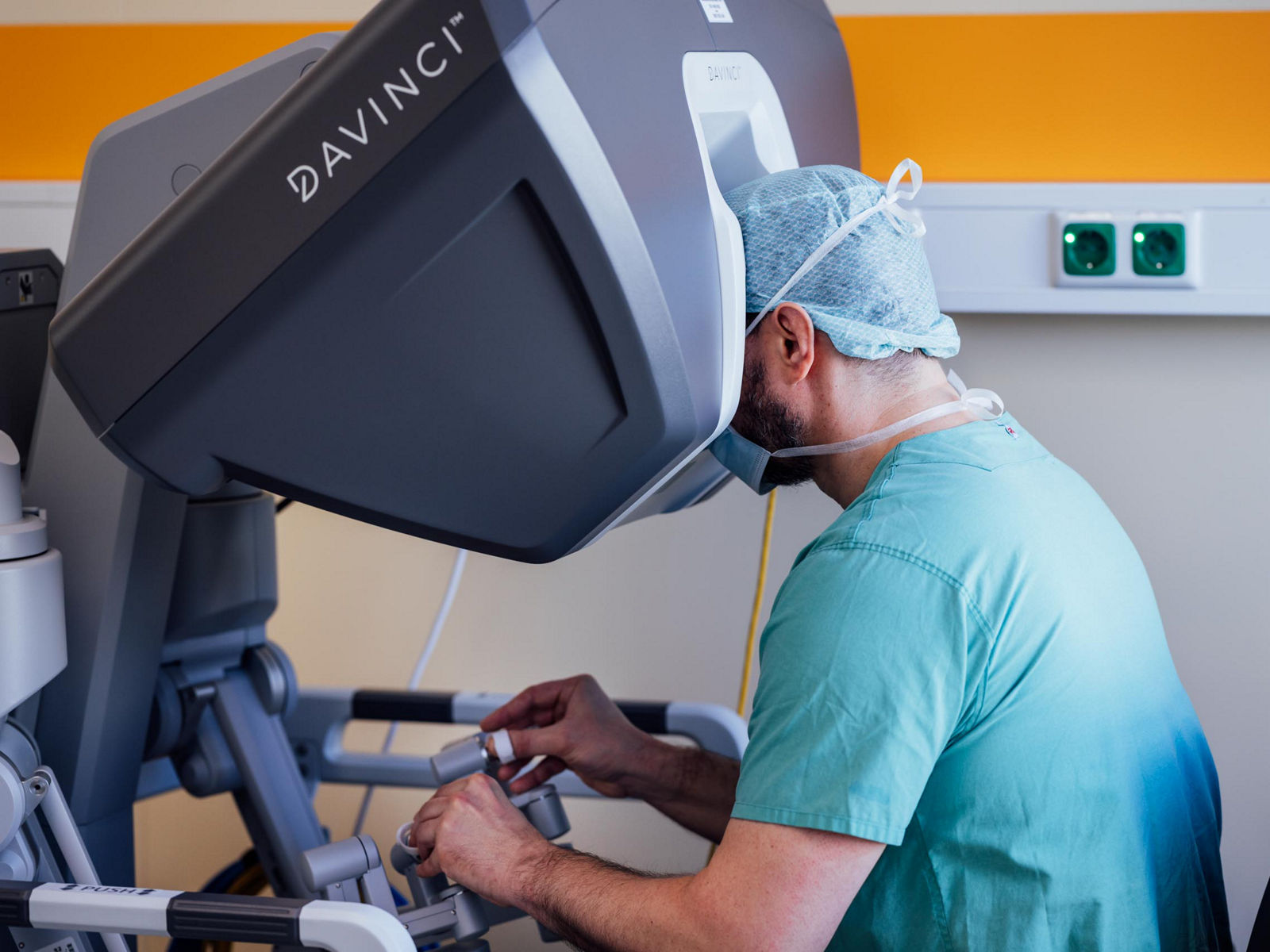
What was still an absolute novelty in the late 1990s is now standard practice at many Helios locations: a total of 22 da Vinci robots are in use across Helios facilities throughout Germany. The surgical robot can display the operating area in three dimensions and with up to 10x magnification. The surgeons’ thumbs and middle fingers are placed in loops on the control console and coordinate the robot’s arms at the operating table. Foot pedals are available to control functions such as camera guidance. This technology enables high precision, small incisions, and rapid recovery.
Prof. Michael A. Borger, Medical Director and Director of the University Hospital for Cardiac Surgery (Head of Department Cardiac Surgery), comments:
“Robot-assisted procedures are a development that will have a significant impact on surgery. As an innovative clinical center, the da Vinci system is indispensable for us — on the one hand, for providing modern care to our patients, and on the other, for ensuring the best training for the next generation of surgeons.”
Robotics in cardiac surgery: minimally invasive and precise
At the Leipzig Heart Center, the da Vinci system is currently used to assist in one step of bypass surgeries. Priv.-Doz. Dr. med. Philipp Kiefer, Senior Consultant for minimally invasive valve surgery, says:
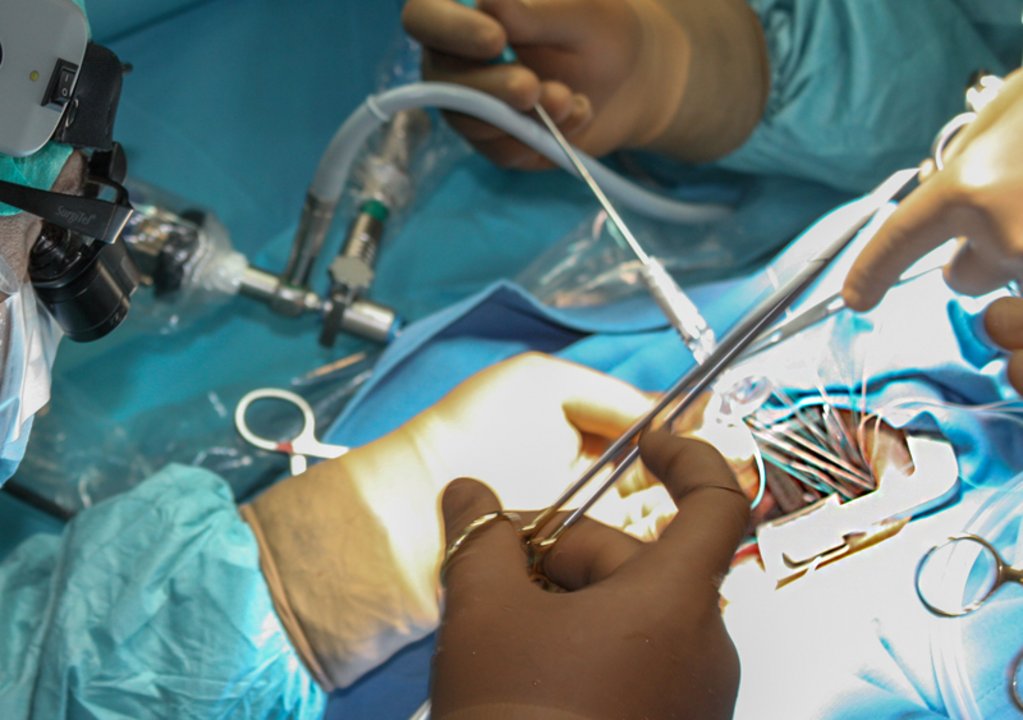
“It supports the minimally invasive, highly precise harvesting of the left internal thoracic artery. In this process, the blood vessel is detached from the chest wall using robotic assistance. Afterwards, we surgeons can suture the vessel to the coronary artery through a minimized incision to create a bypass for a narrowed or blocked coronary vessel and restore blood supply to the downstream tissue. Thanks to the use of the da Vinci system, the harvesting is more precise and the incisions are smaller. This means less pain and faster recovery for patients.”
Currently, he operates the surgical robot as the lead surgeon together with a colleague. With the next generation of the da Vinci Xi system, it is expected that cardiac procedures such as bypass anastomoses and valve reconstructions will also be performed with robotic assistance in the near future.
High range of motion despite small incisions
At Helios Park Hospital Leipzig, the da Vinci system is used in visceral and thoracic surgery. Minimally invasive procedures have been standard practice at the clinic for many years. At the Center for Minimally Invasive Therapies, experts follow the principle: the smaller the medical intervention, the lower the burden on the body:
“In principle, all procedures that are currently performed as open or minimally invasive surgeries can also be carried out with robotic assistance — for example, lung procedures and all operations on abdominal organs such as the liver, intestines, or pancreas. Whereas in the past we used to open the abdominal and thoracic cavities, now small incisions are sufficient to successfully perform the same operations. With the use of the da Vinci system, the required incisions become even smaller while the range of motion is increased through the robotic arms. This allows us to reach areas in the abdominal cavity that are otherwise difficult to access.”
Collaboration between experts and the surgical robot
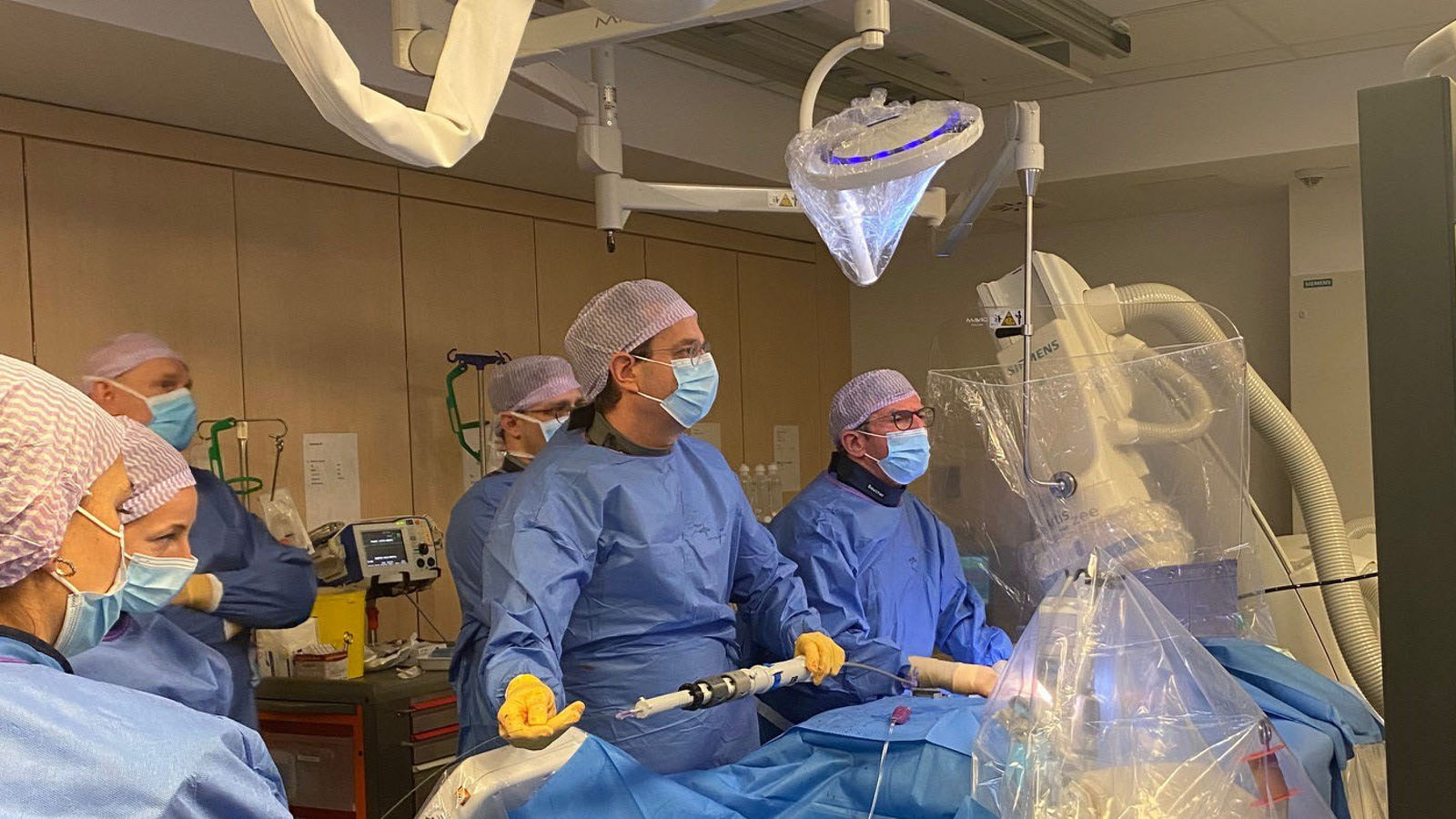
Robot-assisted technology expands the possibilities of surgery but cannot replace human surgical expertise. Medical staff have undergone extensive training, including simulation exercises and observerships at other clinics, to master the complex control console of the surgical robot.
Read more:
Do you need more information about Helios Hospitals or want to schedule your treatment?