
Karlsruhe: First artificial tricuspid valve implanted via catheter
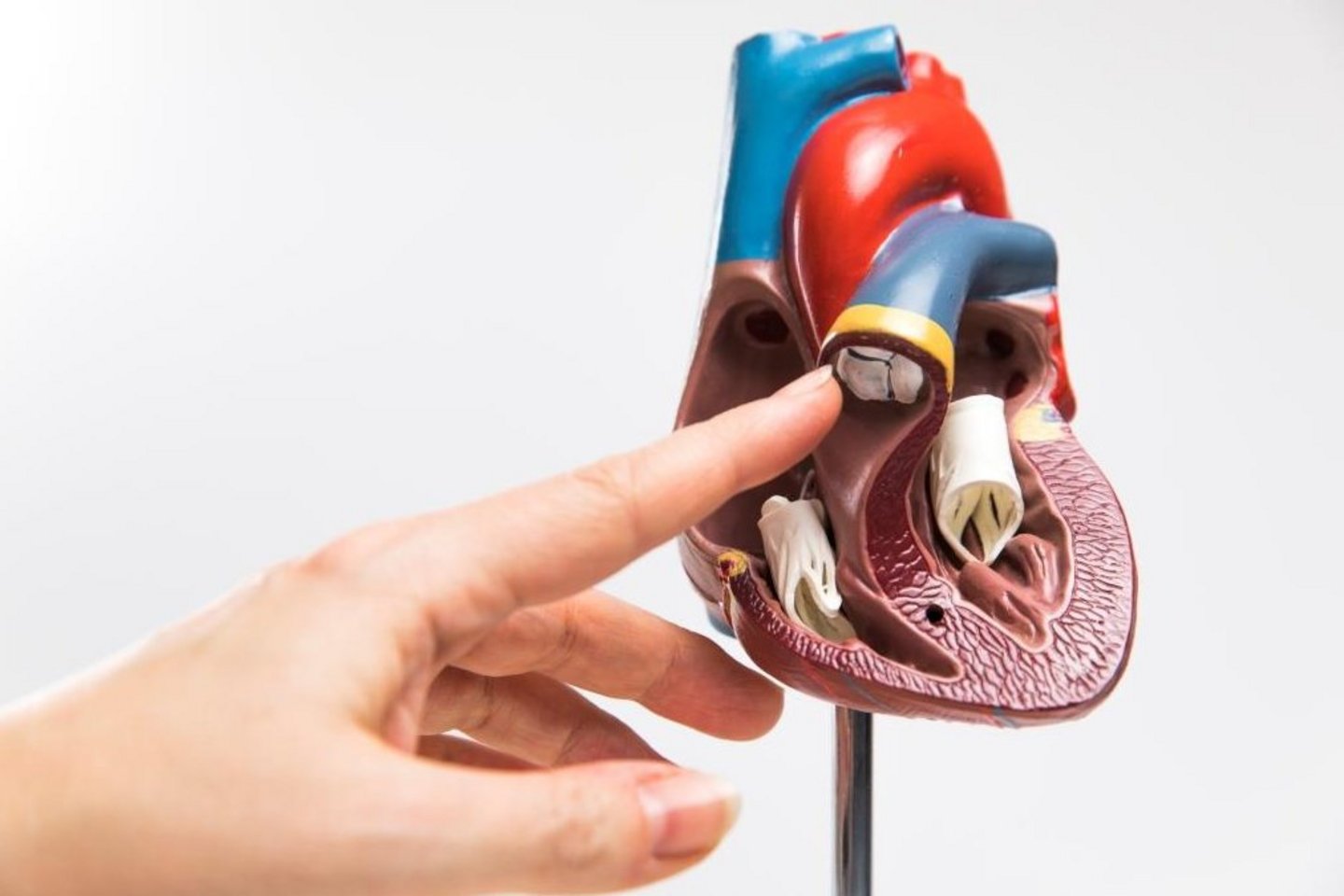
The tricuspid valve is one of four heart valves. Its function is to prevent blood from flowing back from the right ventricle into the right atrium and into the body’s venous system. As people age, the valve can begin to leak, leading to tricuspid regurgitation. Those affected may experience fatigue and shortness of breath, which can progress to severe breathing difficulties. Other symptoms include fluid retention in the legs or abdomen. If left untreated for a long time, this can even lead to death.
“When patients suffer from a leaky tricuspid valve, their quality of life is significantly impaired. Fortunately, treatment options have advanced significantly in recent years. These range from drug therapy and open-chest surgery to modern catheter-based procedures, such as the clipping procedure for repair or an Evoque valve for tricuspid valve replacement,” explains Prof. Julian Widder, Head of Medical Clinic IV, specializing in cardiology, angiology, and internal intensive care medicine at the Municipal Hospital Karlsruhe.
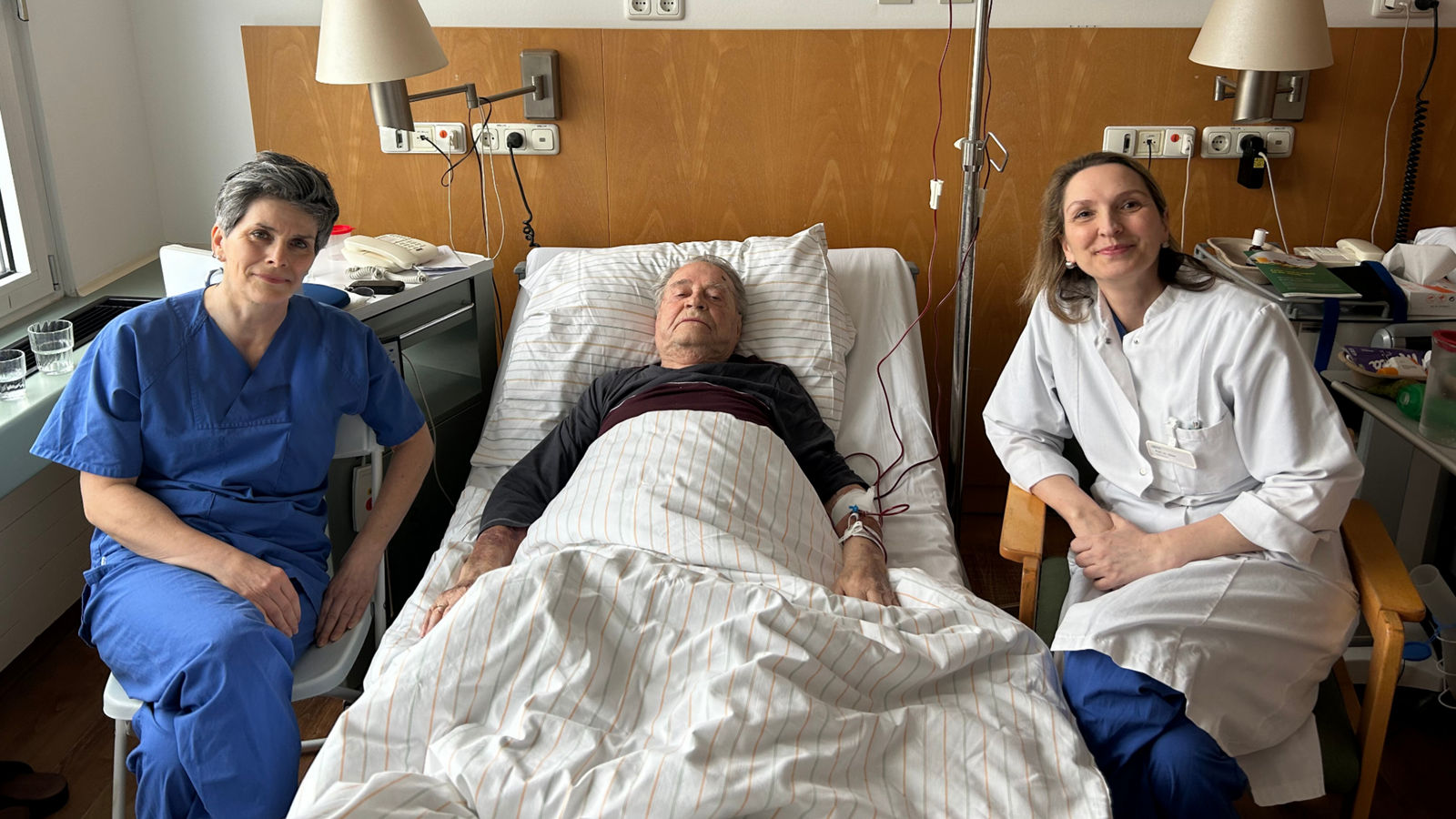
Not every procedure is suitable for every patient. Due to their advanced age or underlying medical conditions, patients often face an increased surgical risk. For this reason, conventional open-heart surgery is not an option for them. Until now, aside from medication, the only treatment option was a procedure known as “edge-to-edge.” “A clip is guided through the vein via a catheter to the leaky heart valve to repair it. However, if the disease is too advanced, repairing the heart valve with a clip is not sufficient. That is why I am delighted that the Evoque valve has now been developed, which can completely replace the tricuspid valve,” says Prof. Claudius Jacobshagen, Director of the Department of Cardiology, Intensive Care Medicine, and Angiology at ViDia Christian Clinics Karlsruhe.
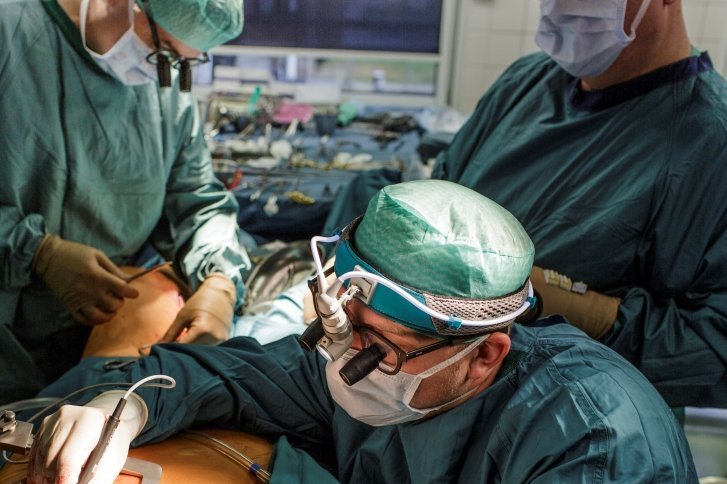
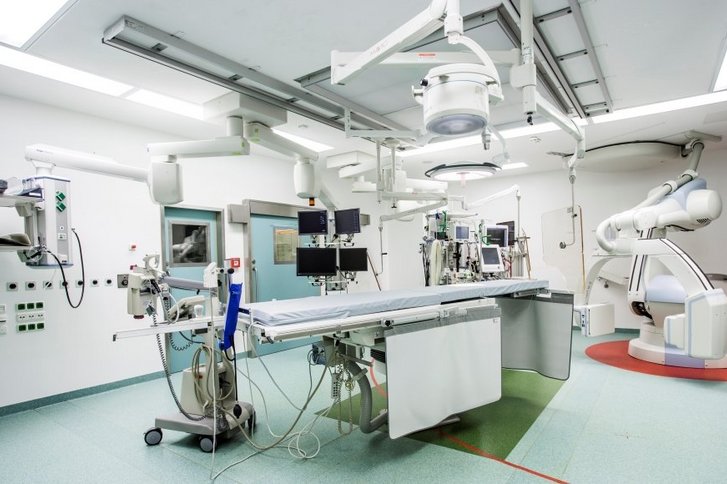
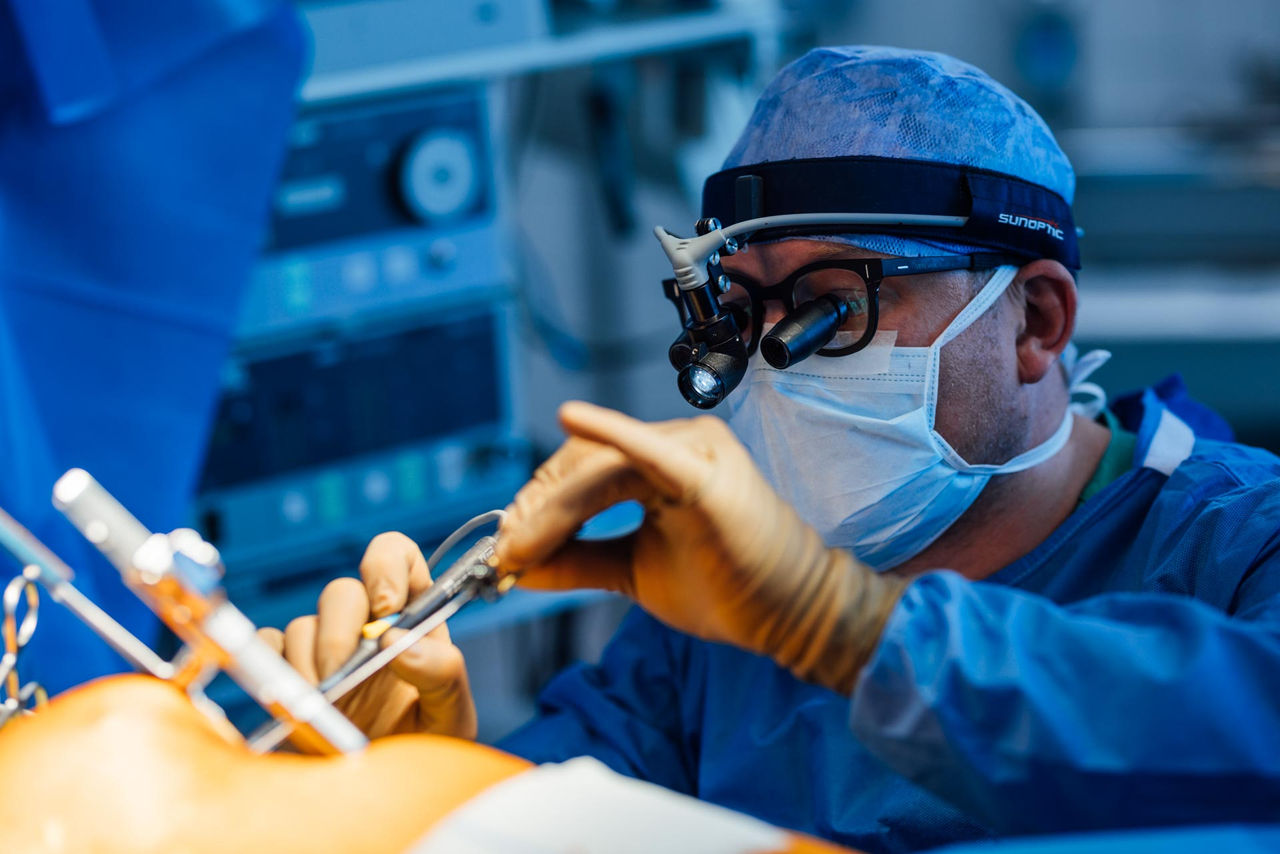
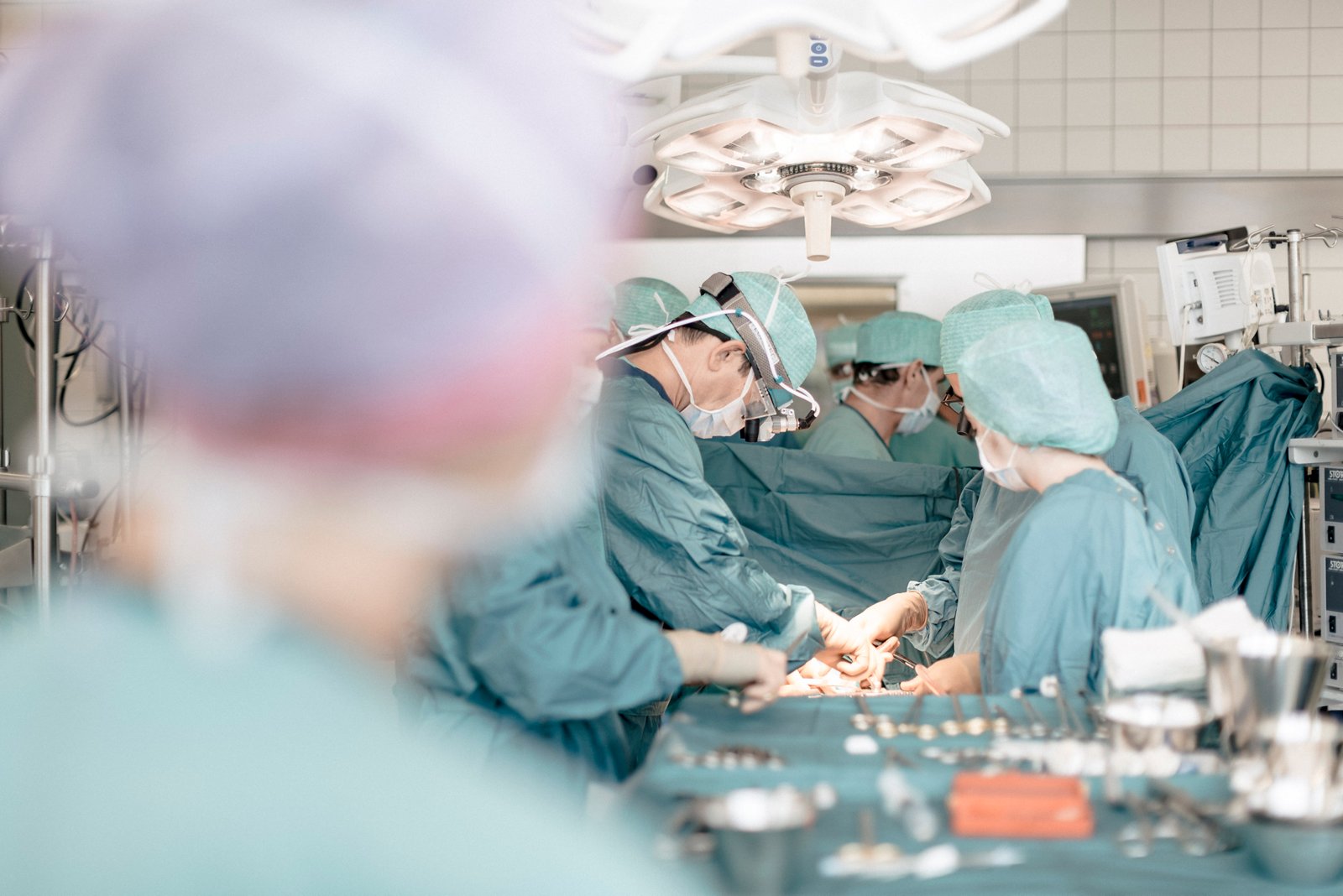
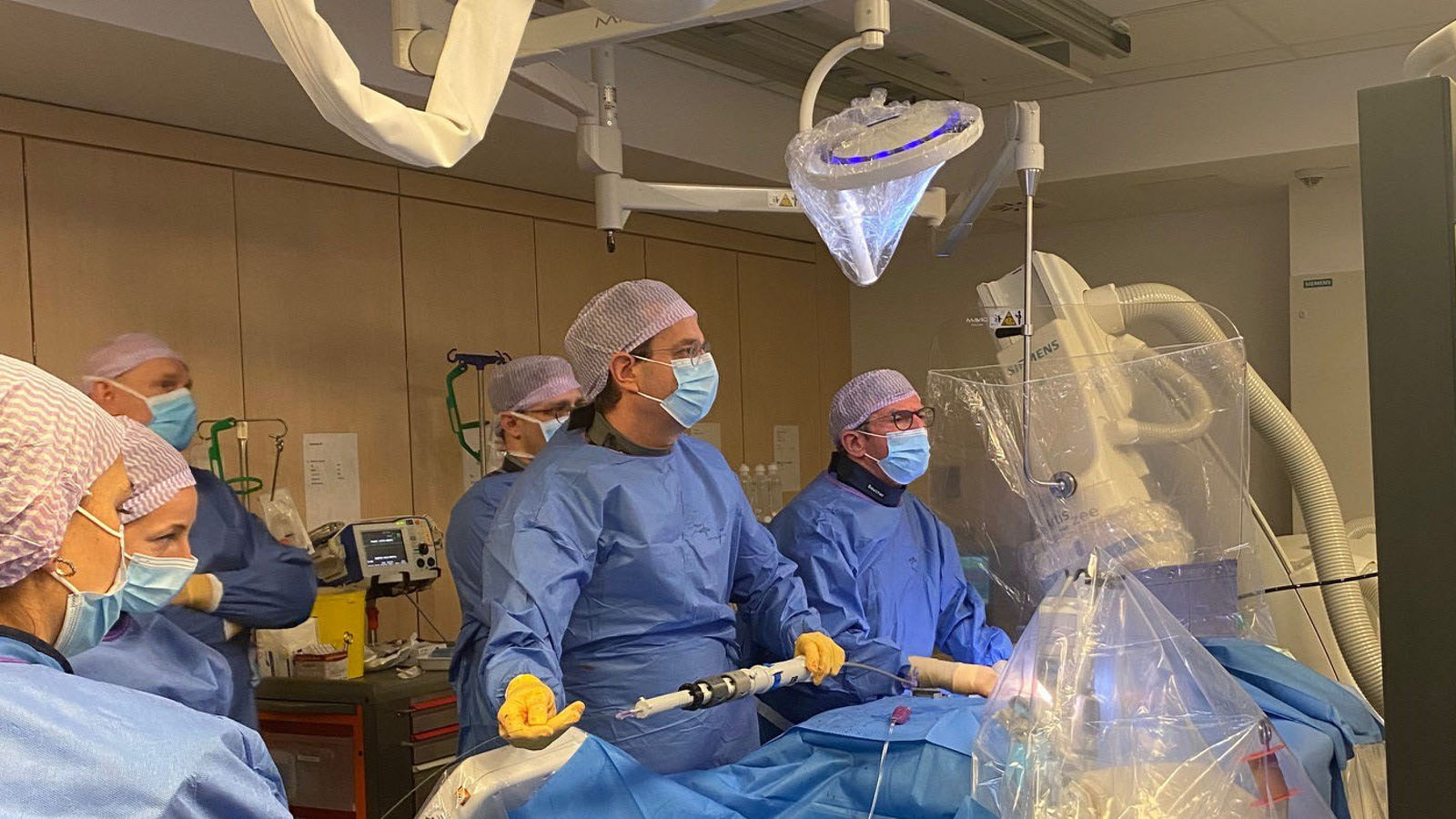
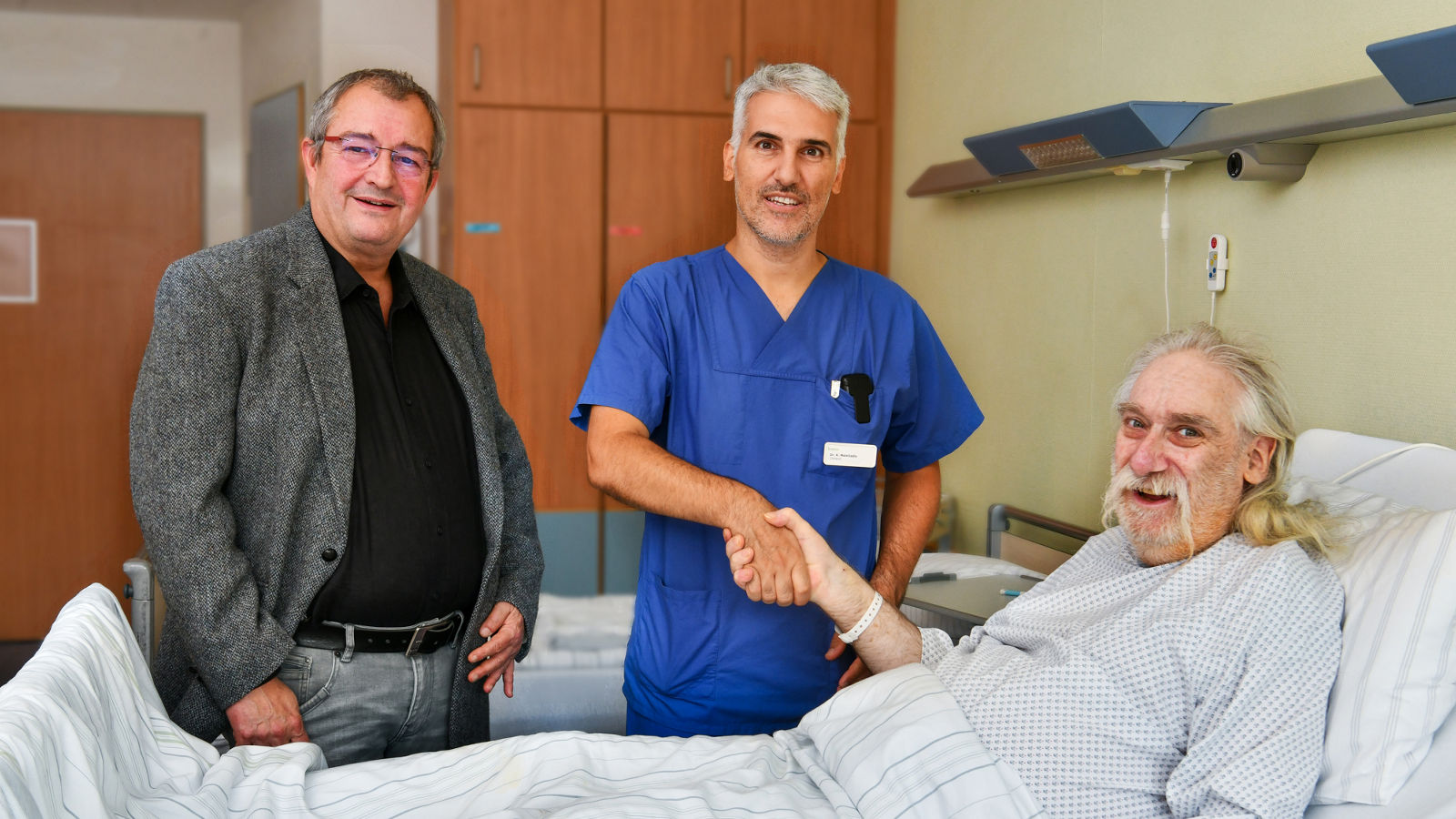
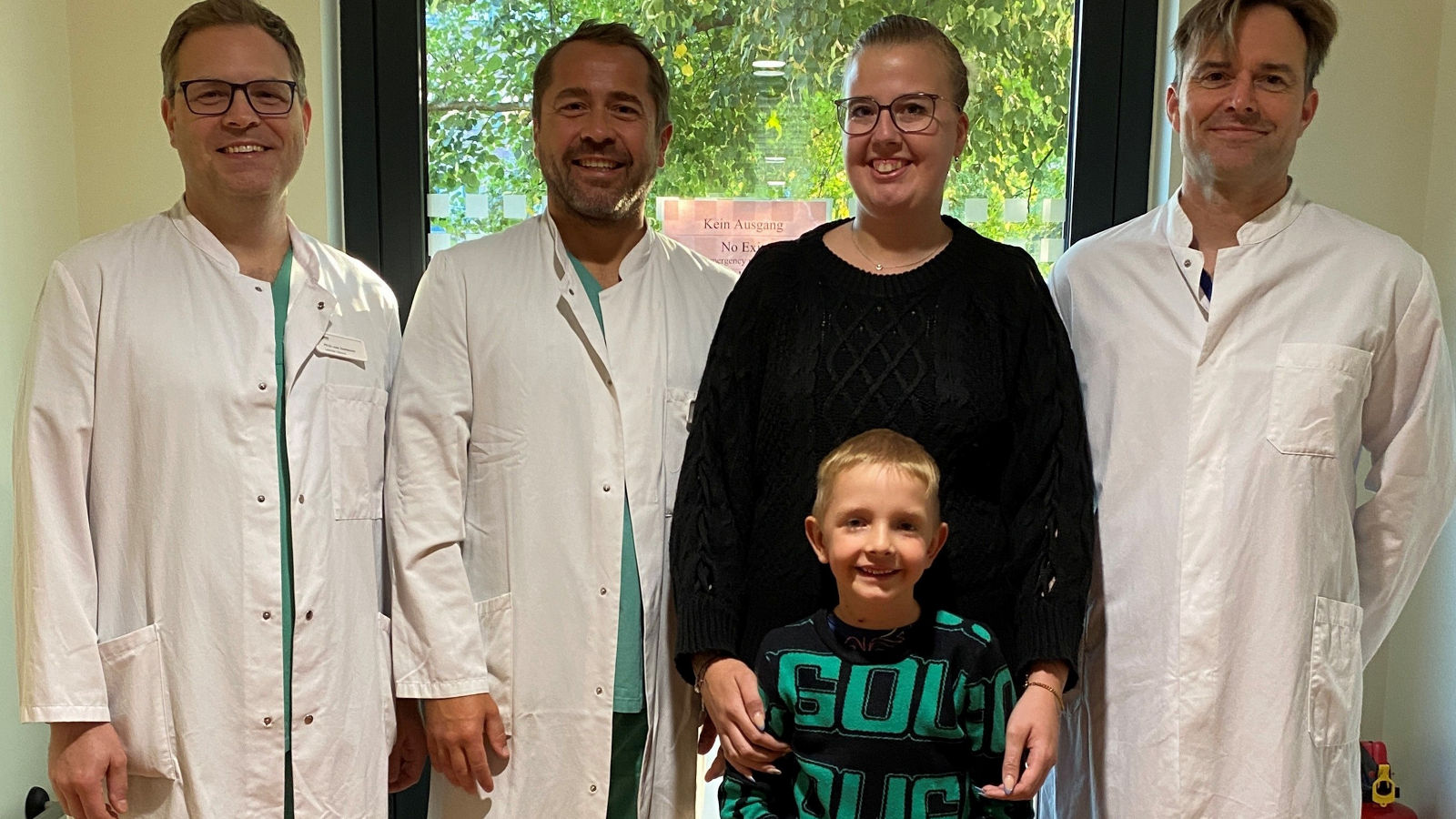
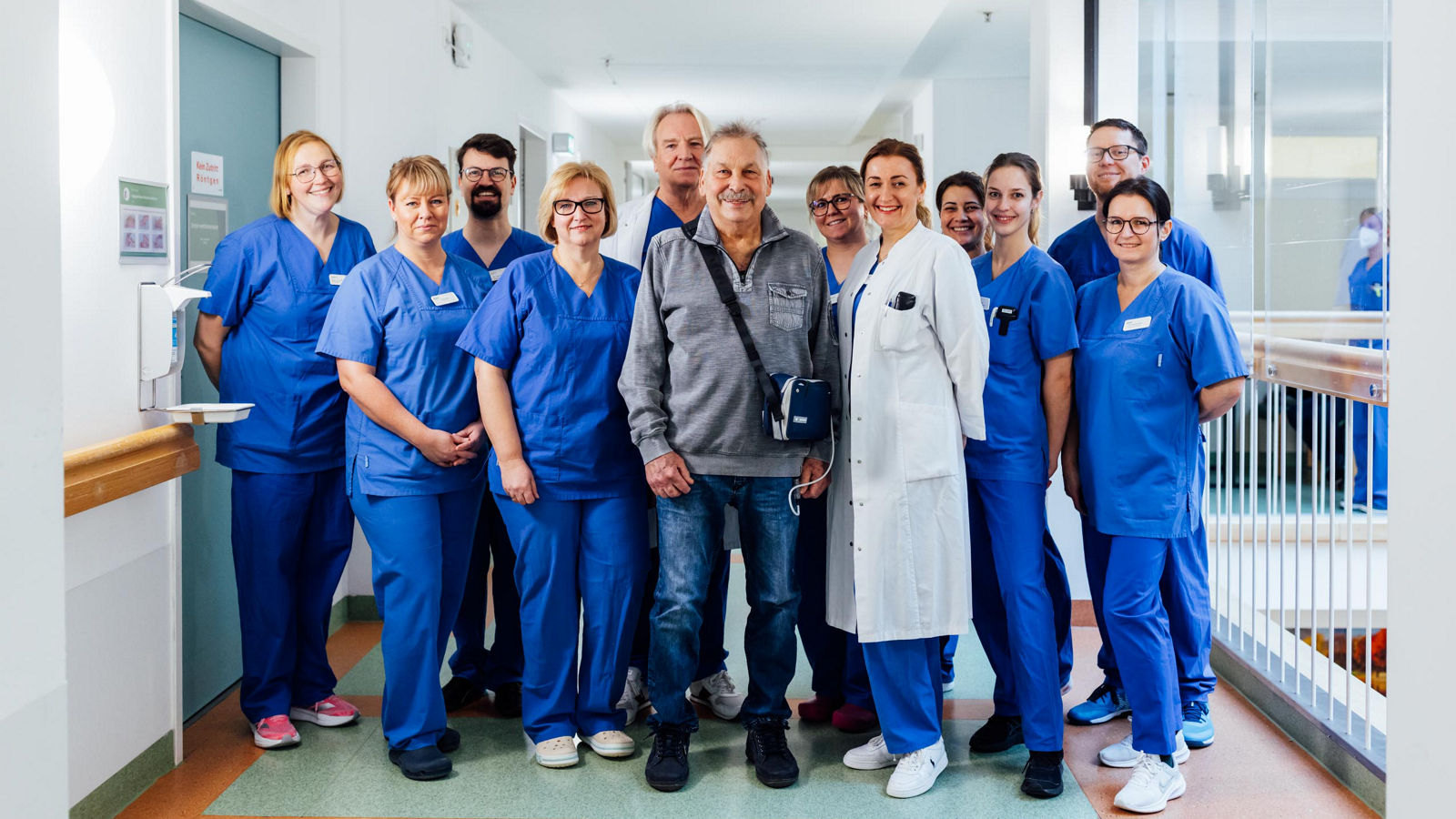
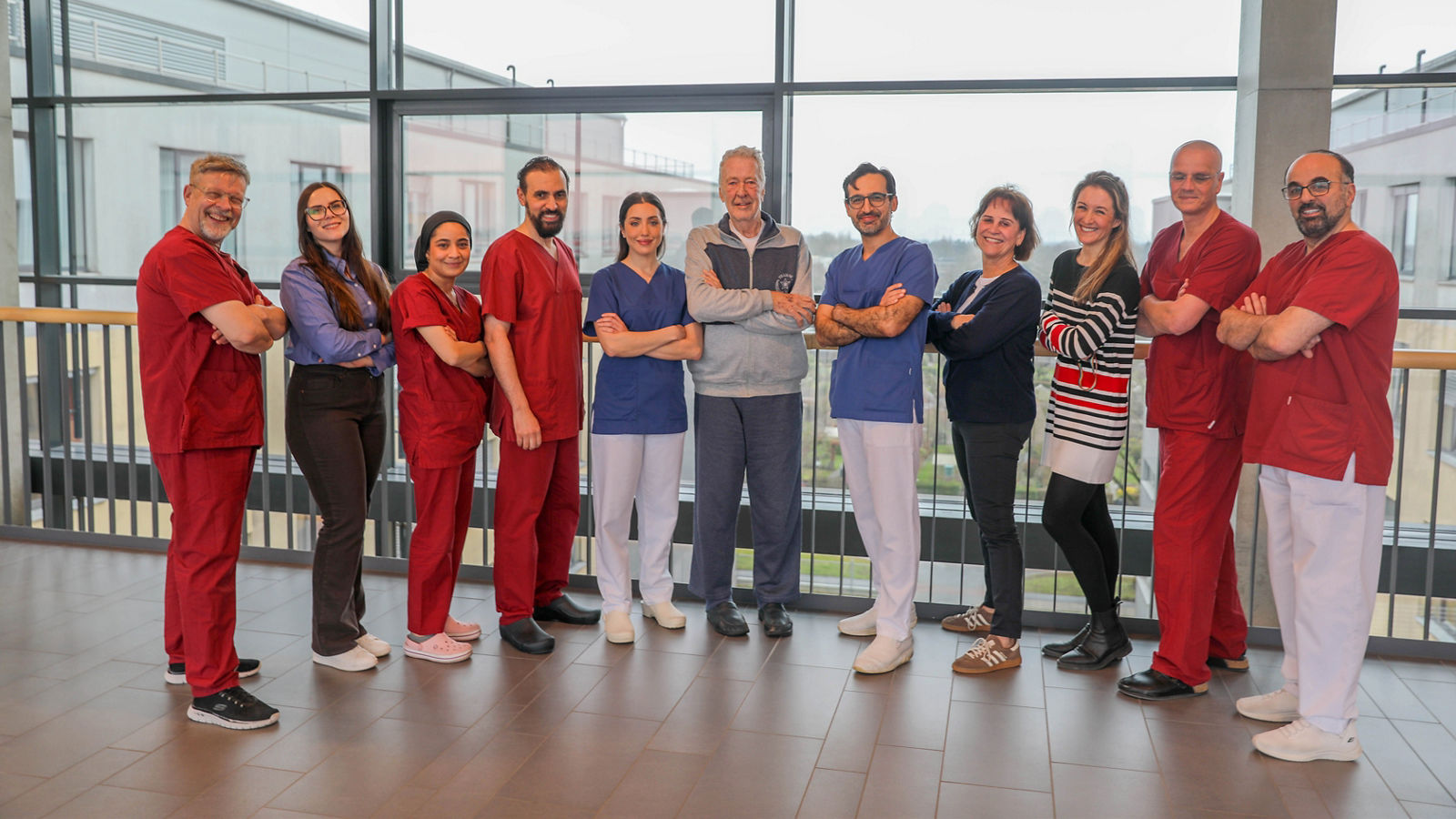
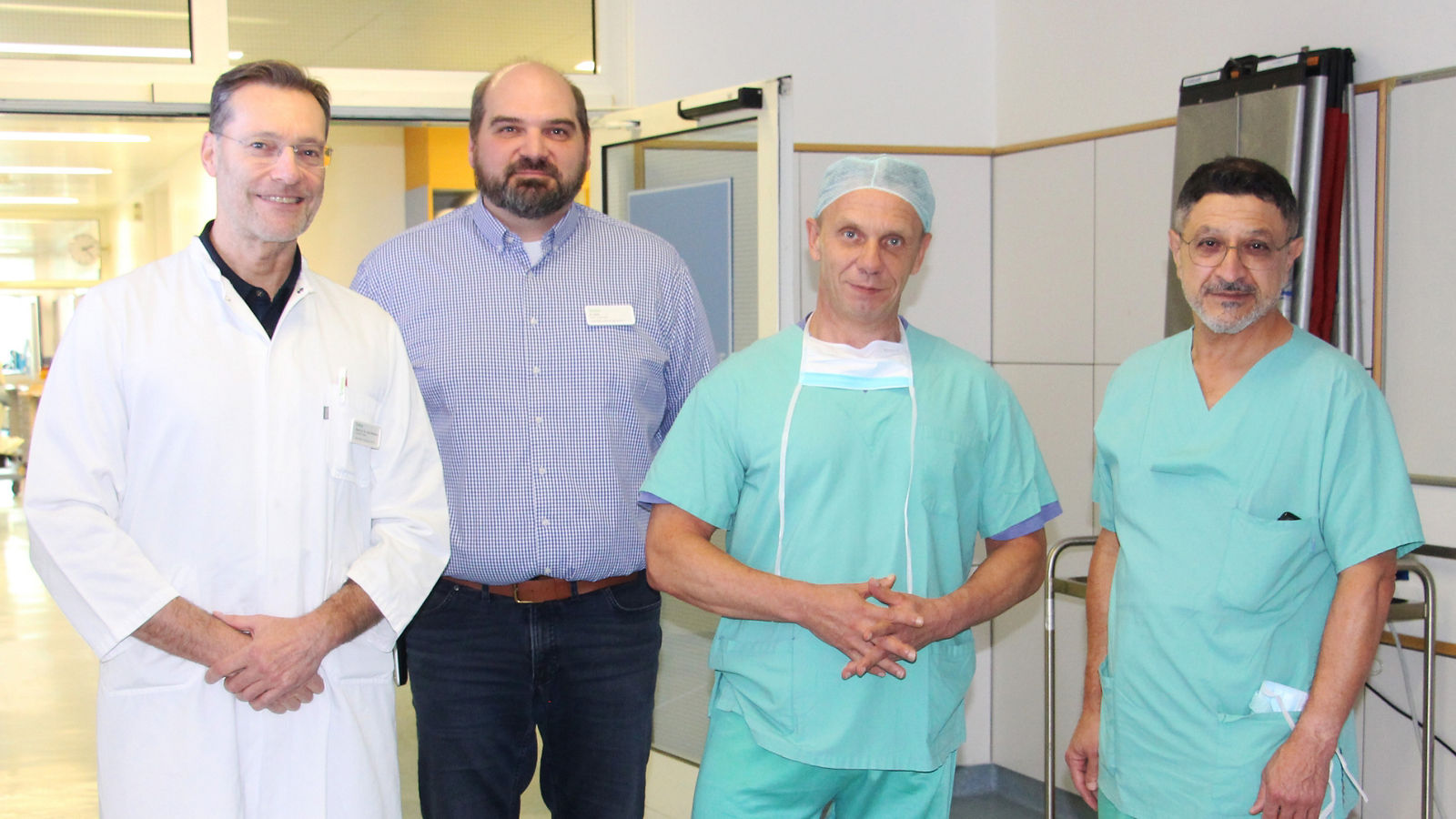
The Karlsruhe Heart Team, consisting of specialists from the Karlsruhe Municipal Hospital, the ViDia Christian Clinics Karlsruhe, and the Helios Hospital for Cardiac Surgery Karlsruhe, has successfully implanted the first two Evoque valves in the state-of-the-art hybrid operating room at the Karlsruhe Clinic for Cardiac Surgery. The Heart Team has been working together since 2009 and offers, among other procedures, transcatheter aortic valve implantation (TAVI). This is a procedure to replace the aortic valve, which can also be performed using a minimally invasive approach.
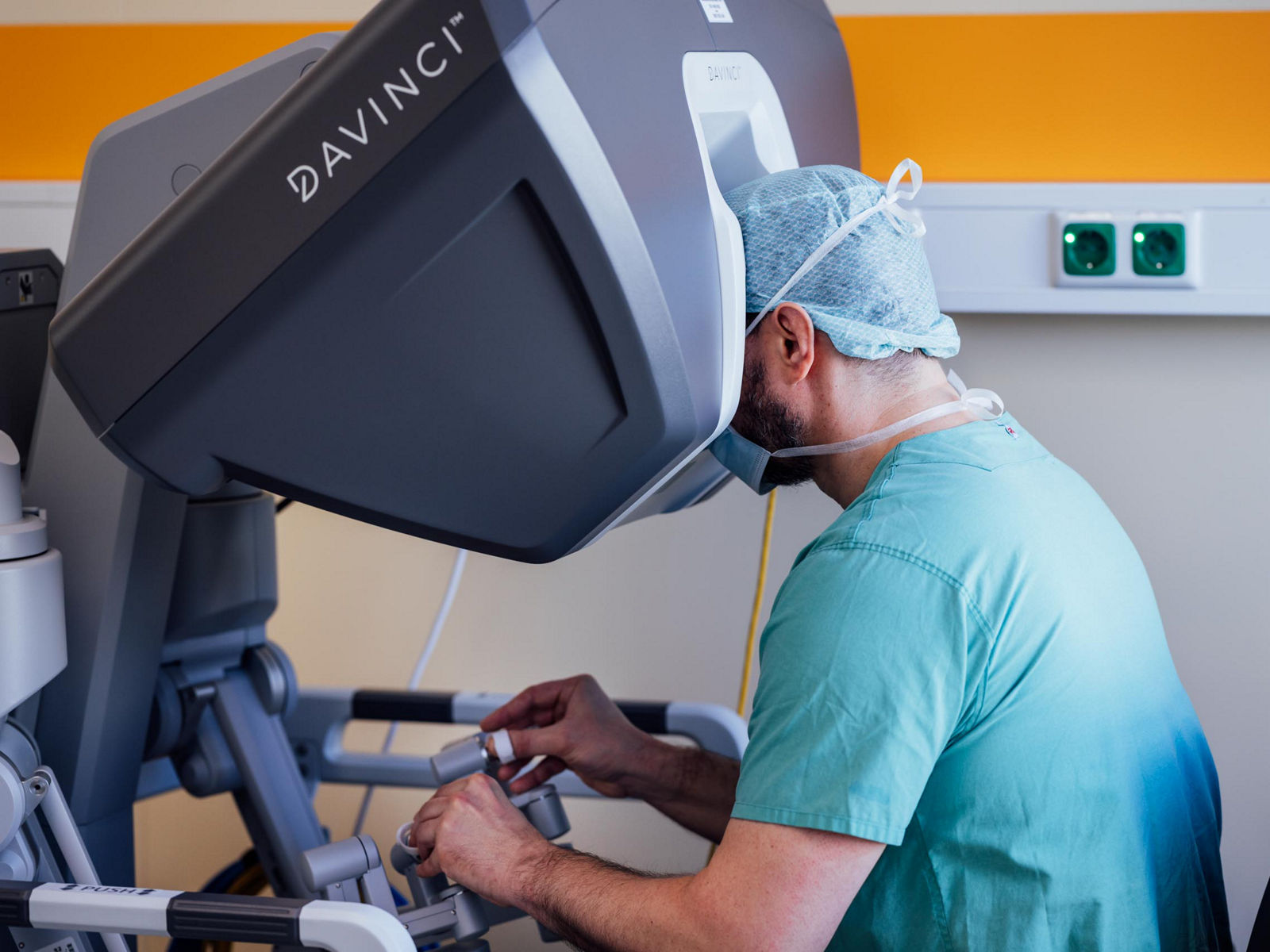
“With the development of the Evoque valve, we can now finally implant the last of the four heart valves—the tricuspid valve—without major surgery. We insert the replacement valve into the heart via a small incision in the vein using a catheter. “This is a true milestone, because for the first time, our cardiac surgery department can jointly treat patients with tricuspid valve insufficiency for whom there was previously no optimal treatment option,” says Prof. Dr. Uwe Mehlhorn, Chief of Cardiac Surgery and Medical Director of the Helios Hospital for Cardiac Surgery in Karlsruhe.
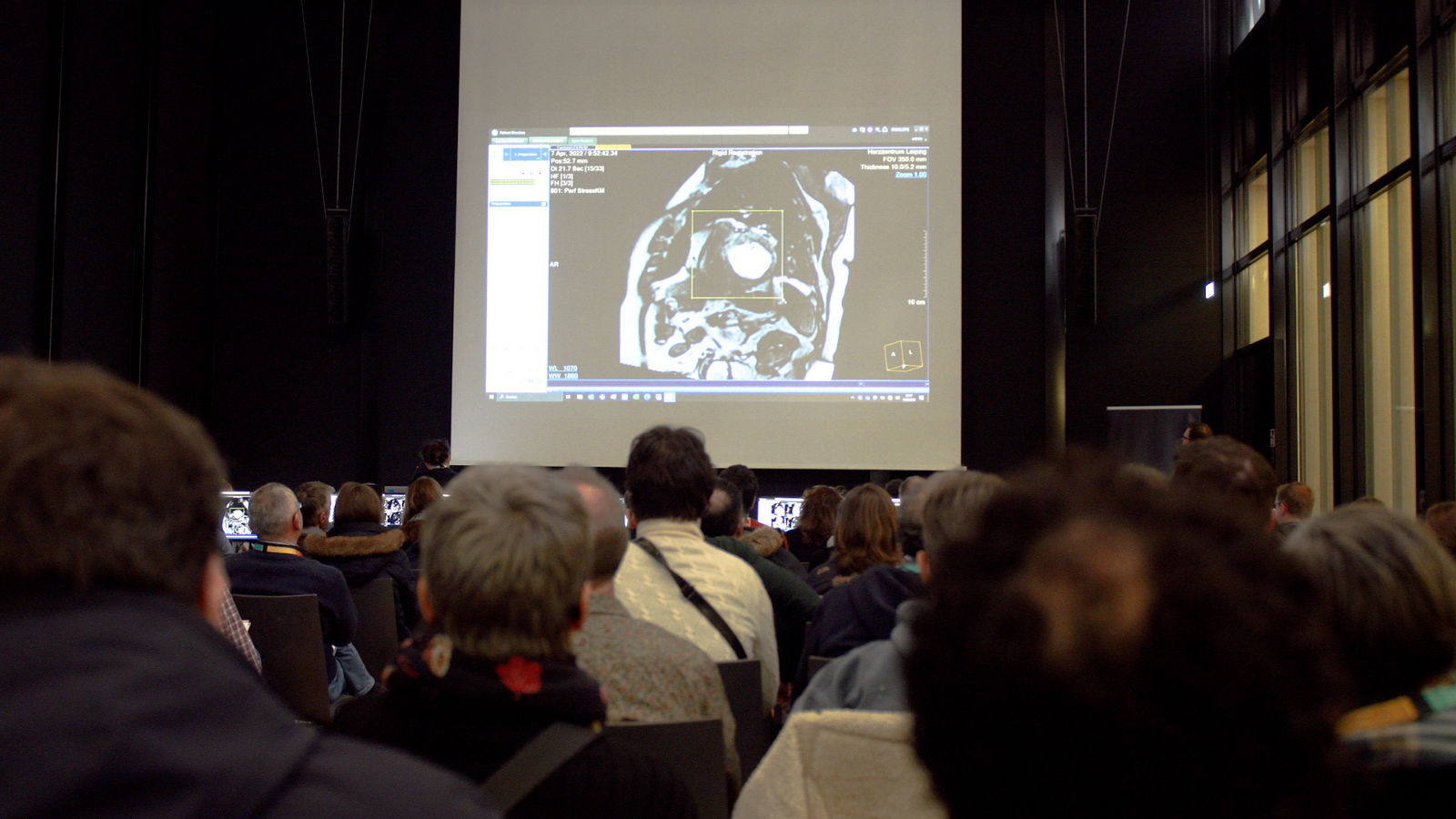
Eligible patients can now take advantage of the Evoque valve option. This requires a thorough and comprehensive evaluation consisting of an echocardiogram (TEE), computed tomography (CT), and cardiac catheterization. Only after this evaluation can a computer simulation be performed to determine whether the patient is a suitable candidate for Evoque implantation.
Helios Hospital for Cardiac Surgery Karlsruhe
The Helios Hospital for Cardiac Surgery Karlsruhe has been part of the Helios network since 2014. The hospital was founded in 1995 as a specialized cardiac surgery facility and has 96 beds, including 24 intensive care beds and 16 intermediate care beds. The surgical unit comprises five operating rooms, including a state-of-the-art hybrid OR. This enables the use of a particularly minimally invasive surgical technique for heart valve replacement (known as TAVI). With over 1,800 procedures performed annually, the Helios Hospital for Cardiac Surgery Karlsruhe is one of the largest specialized cardiac surgery clinics in Germany. The range of surgical procedures covers the entire spectrum of cardiac surgery in adults, with the exception of heart and lung transplants. The clinic’s catchment area extends far beyond the city limits of Karlsruhe and includes, among others, Northern Baden, the Palatinate, and the Rhine-Neckar metropolitan region.
Helios is part of the Fresenius healthcare group and is Europe’s leading private healthcare provider, with approximately 128,000 employees. Fresenius Helios comprises the Helios Group in Germany as well as Quirónsalud in Spain and Latin America. Approximately 26 million people choose to receive medical treatment at Helios each year. In 2024, the company generated total revenue of more than 12.7 billion euros.
In Germany, Helios operates more than 80 hospitals, approximately 220 medical care centers (MVZ) with about 570 panel physician positions, six preventive care centers, and 27 occupational health centers. Helios treats around 5.5 million people in Germany each year, more than 4 million of whom are treated on an outpatient basis. Since its founding, Helios has focused on measurable, high medical quality and data transparency, and exceeds the national average in over 90 percent of quality targets. In Germany, Helios employs approximately 78,000 people and generated revenue of around 7.7 billion euros in 2024. The company’s headquarters are located in Berlin.
Quirónsalud operates 57 hospitals, including seven in Latin America, approximately 130 outpatient health centers, and over 300 occupational health management facilities. Approximately 20 million patients are treated here annually, more than 19 million of whom are treated on an outpatient basis. Quirónsalud employs around 50,000 people and generated revenue of more than 5 billion euros in 2024.
Read more:
Do you need more information about Helios Hospitals or want to schedule your treatment?