Bradycardia: The path to a life without fainting
Up to 15 times a day, Gunter Blass would suddenly feel weak and briefly experience his vision going black. This was completely new for the 84-year-old, who continued playing tennis well into old age and exercised on a stationary bike every day. After consulting his cardiologist, he received a diagnosis: due to his long-standing atrial fibrillation, his heart rate was too low. At times, his pulse dropped to just 20 beats per minute, compared with a normal heart rate of around 60 beats per minute. In 2020, he had already undergone successful surgery on two heart valves at the Helios Heart Surgery Hospital Karlsruhe.
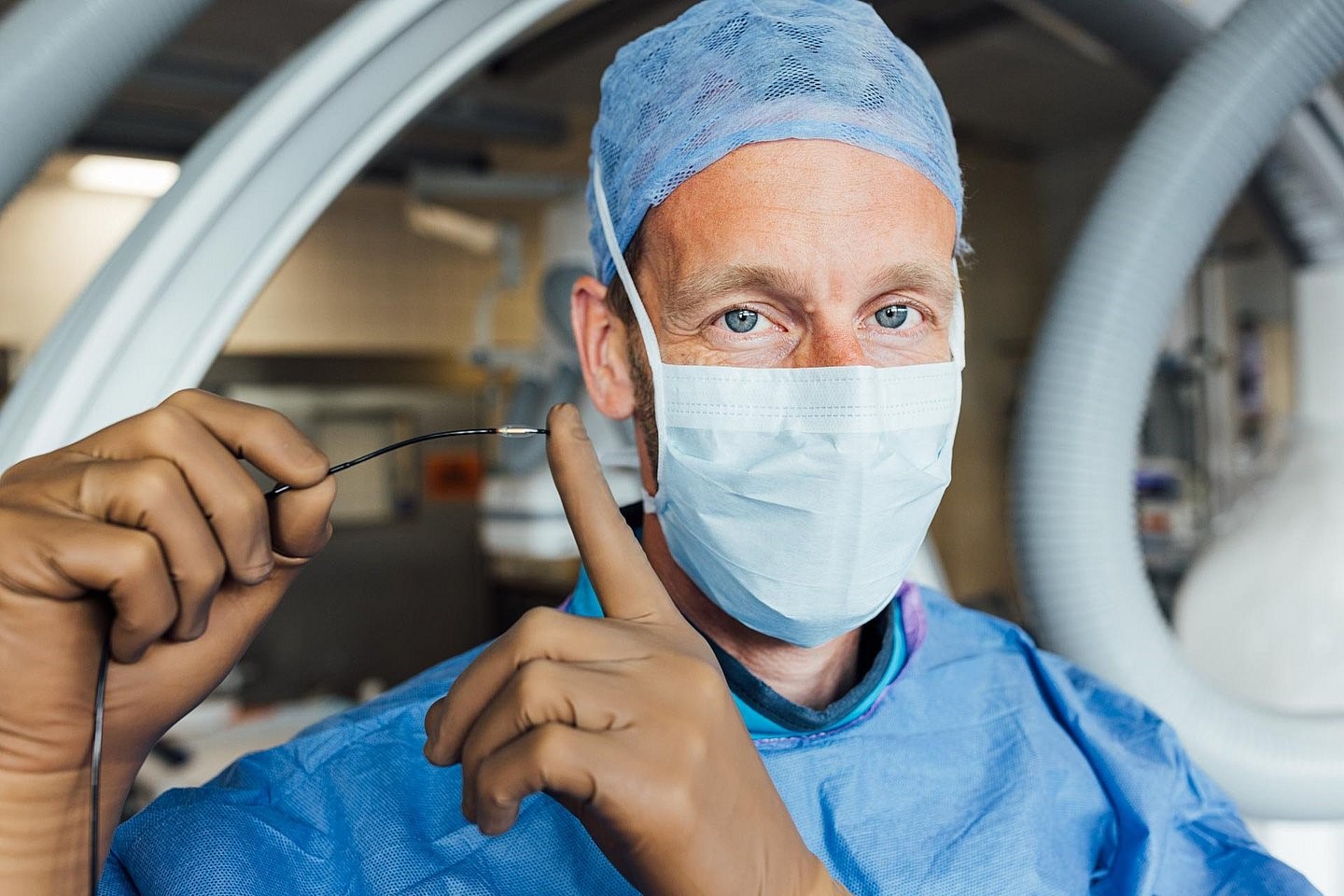
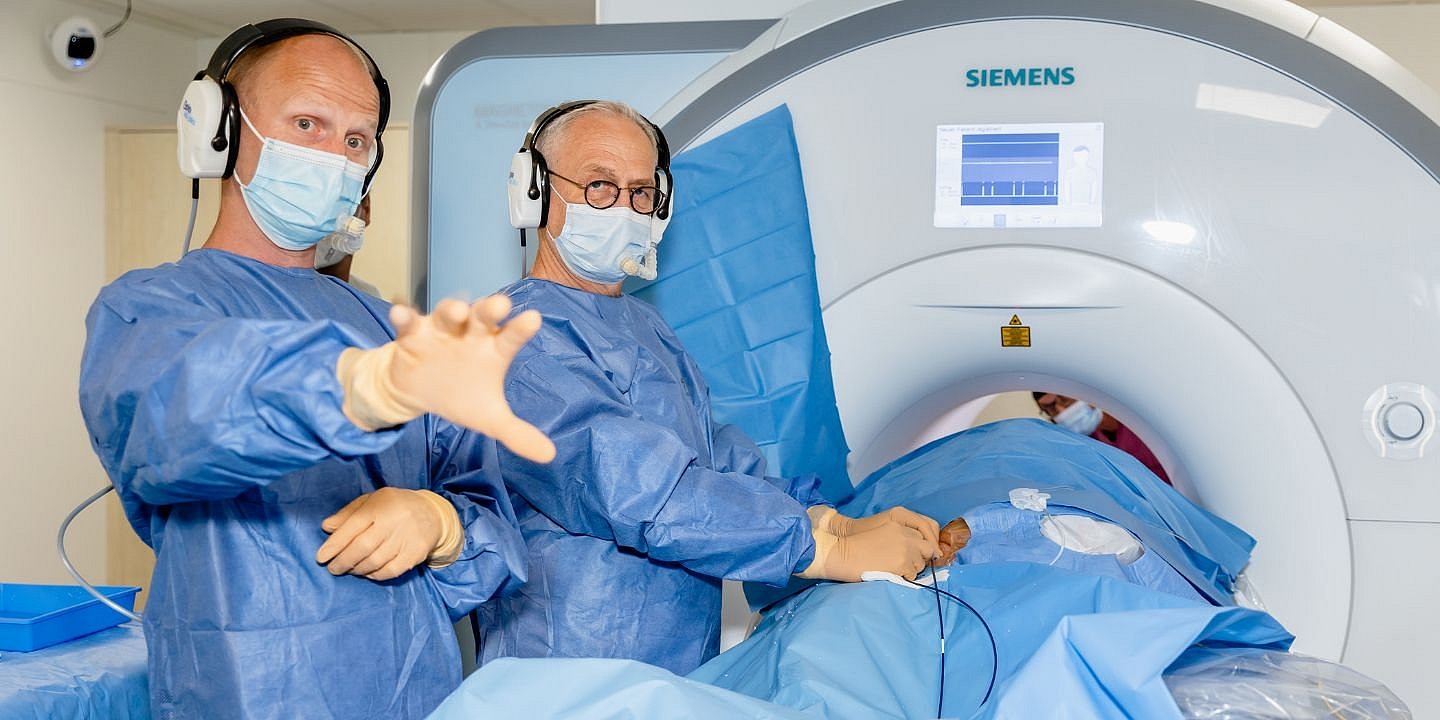
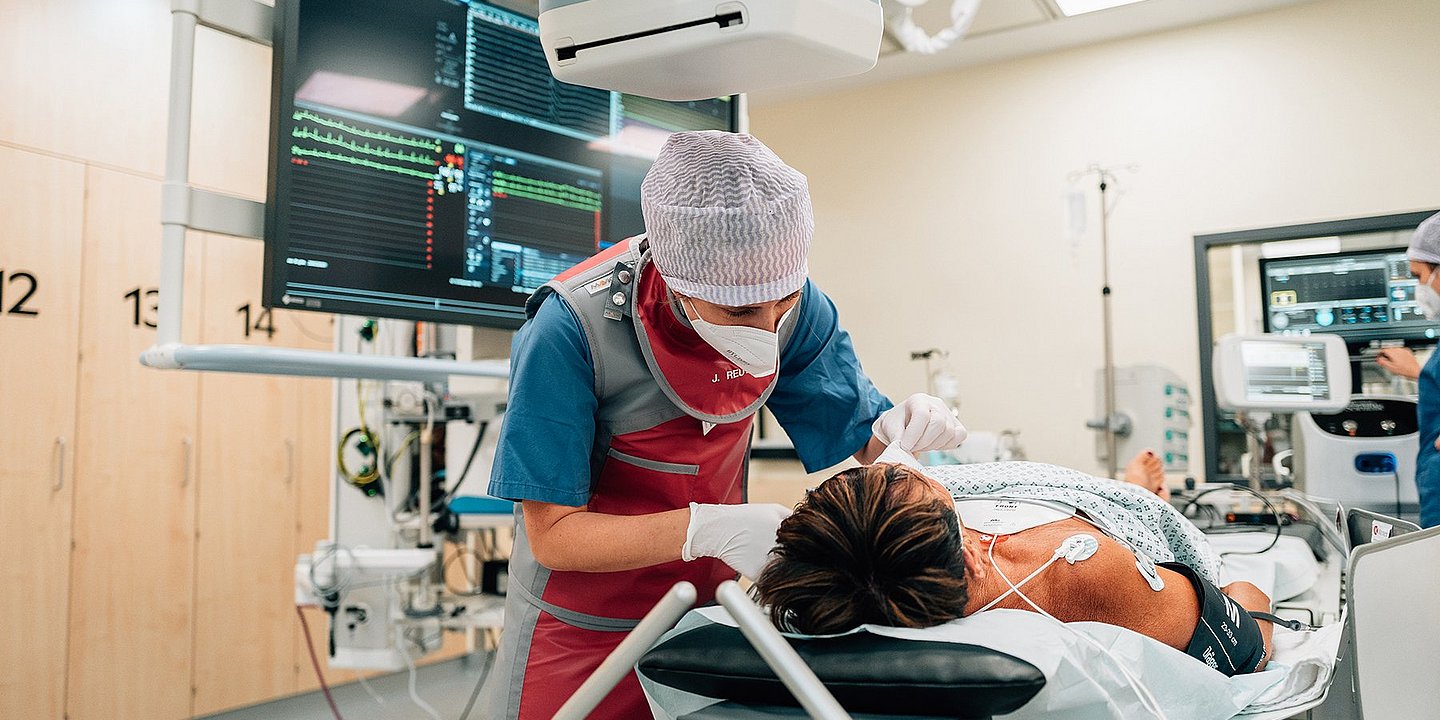
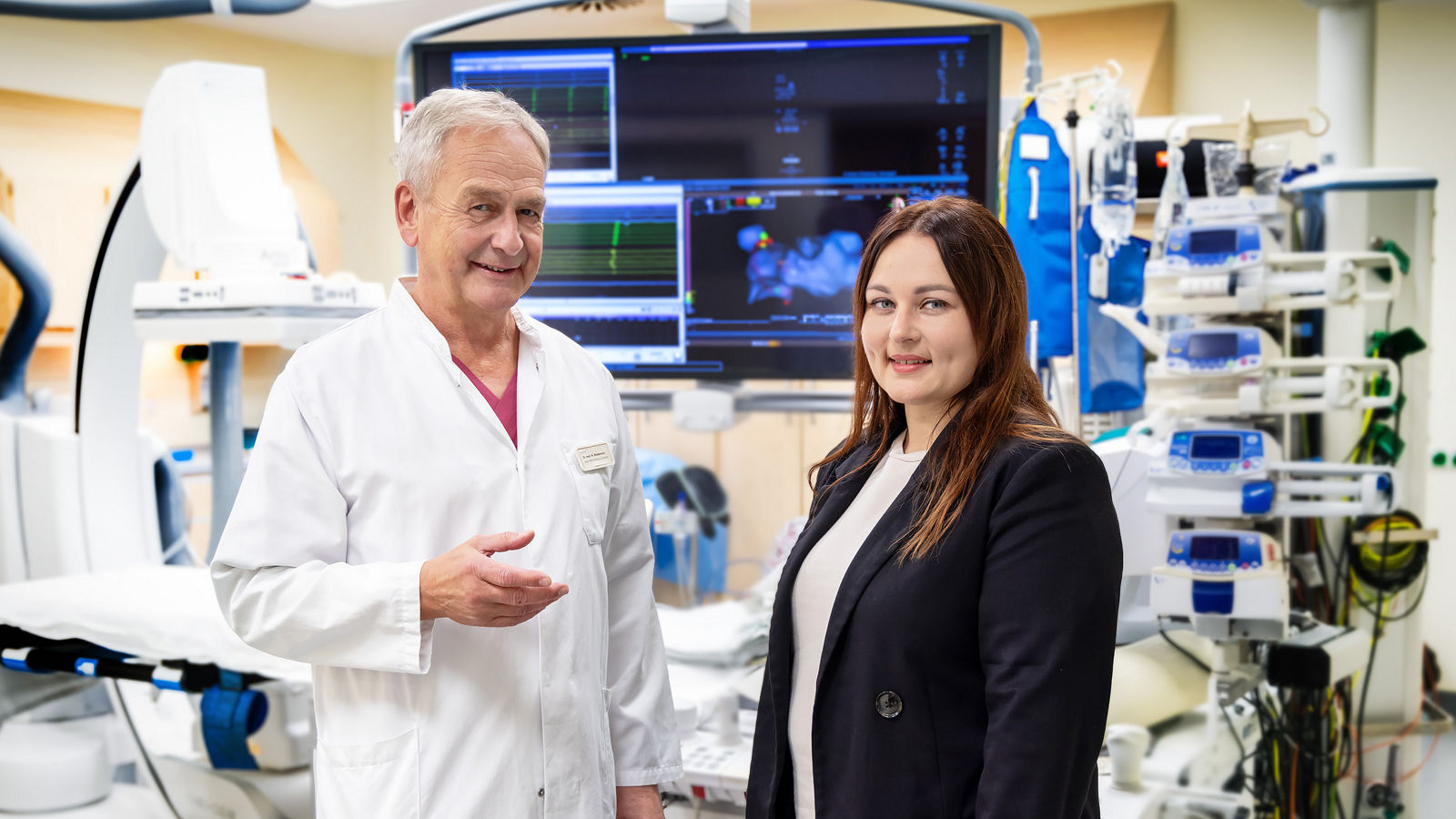
Further investigation of his abnormally low heart rate was carried out by the cardiology team at Helios Hospital in Pforzheim, led by Chief Physician Prof. Dr. Ilka Ott, where the diagnosis was confirmed. “Because Mr. Blass suffers from an abnormally slow heart rate, known as bradycardia, and had previously undergone surgery on two heart valves, we decided to implant an innovative pacemaker system. The very small pacemaker is placed in the heart chamber through the femoral vein without any leads or wires (leadless pacemaker) and is securely fixed to the muscle tissue of the heart wall with a screw mechanism. As a fully functional pacemaker, it maintains the required baseline heart rate and, with the help of an integrated activity sensor, increases the heart rate during physical activity. This allowed us to ensure that the previously operated valve between the right atrium and right ventricle would not be affected by a pacemaker lead,” explains Dr. Hannah In der Wische, Senior Physician in Cardiology.
But this is not the only advantage of this advanced system. Thanks to the minimally invasive catheter-based implantation technique, the absence of leads, and the fact that no device pocket under the skin is required, patients have a significantly lower risk of infection and complications. This makes the system particularly suitable for people with diabetes, patients with weakened immune systems, and those who require regular dialysis. There is no visible scar, and arm movement is unrestricted immediately after the procedure.
With a battery life of up to 17 years, the device lasts significantly longer than a conventional pacemaker, which typically has a battery life of eight to ten years. When battery replacement becomes necessary, the device can be removed via catheter and replaced with a new one.
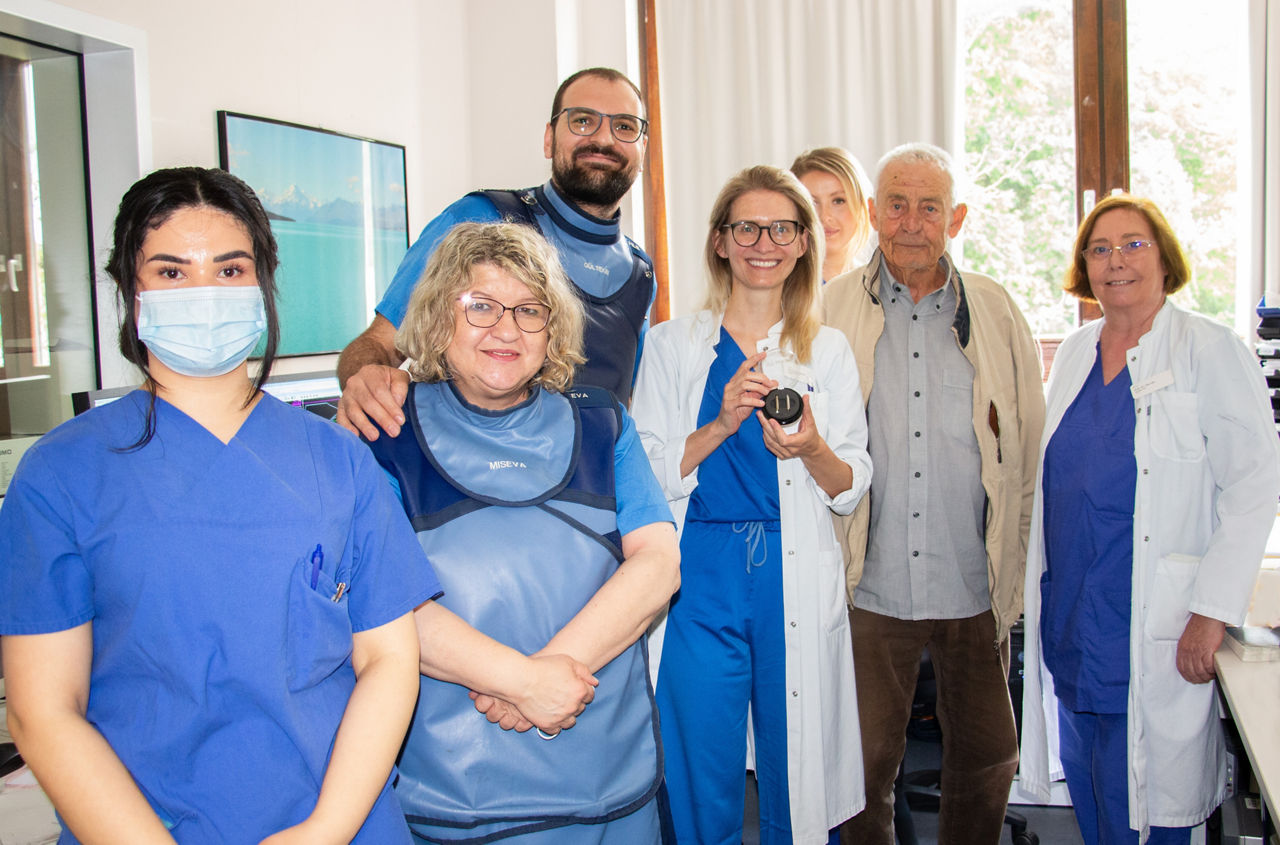
“Knock on wood, since my treatment at Helios Hospital, I haven’t had any more fainting spells or breathing difficulties. When I think back to my check-up, I couldn’t even make it from the parking lot to the consultation room without the hospital staff bringing me a wheelchair, which they affectionately called the ‘Porsche.’ Today, I can once again take care of the tomatoes, herbs, and lettuce I grow in my garden. I’m also looking forward to celebrating my grandchild’s wedding this September — without the fear of losing consciousness there,” says a grateful Gunter Blass.
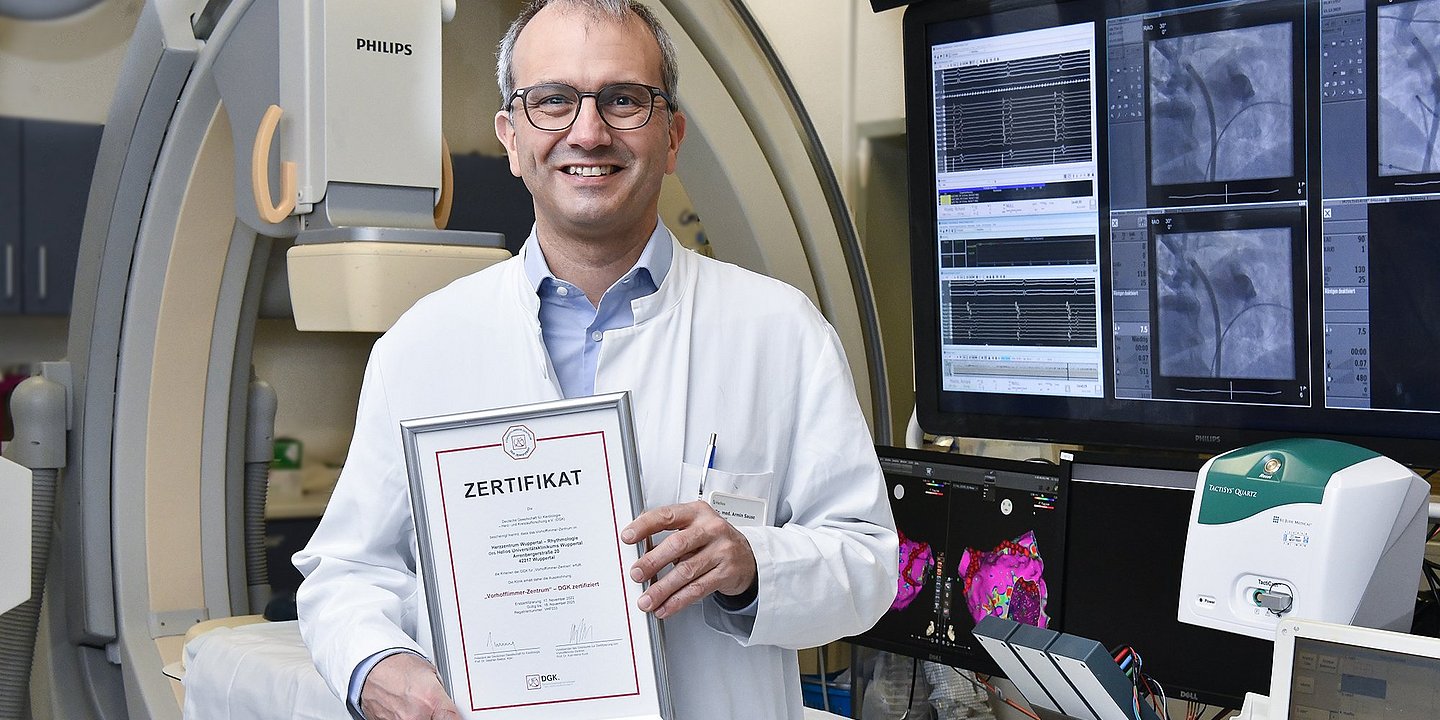
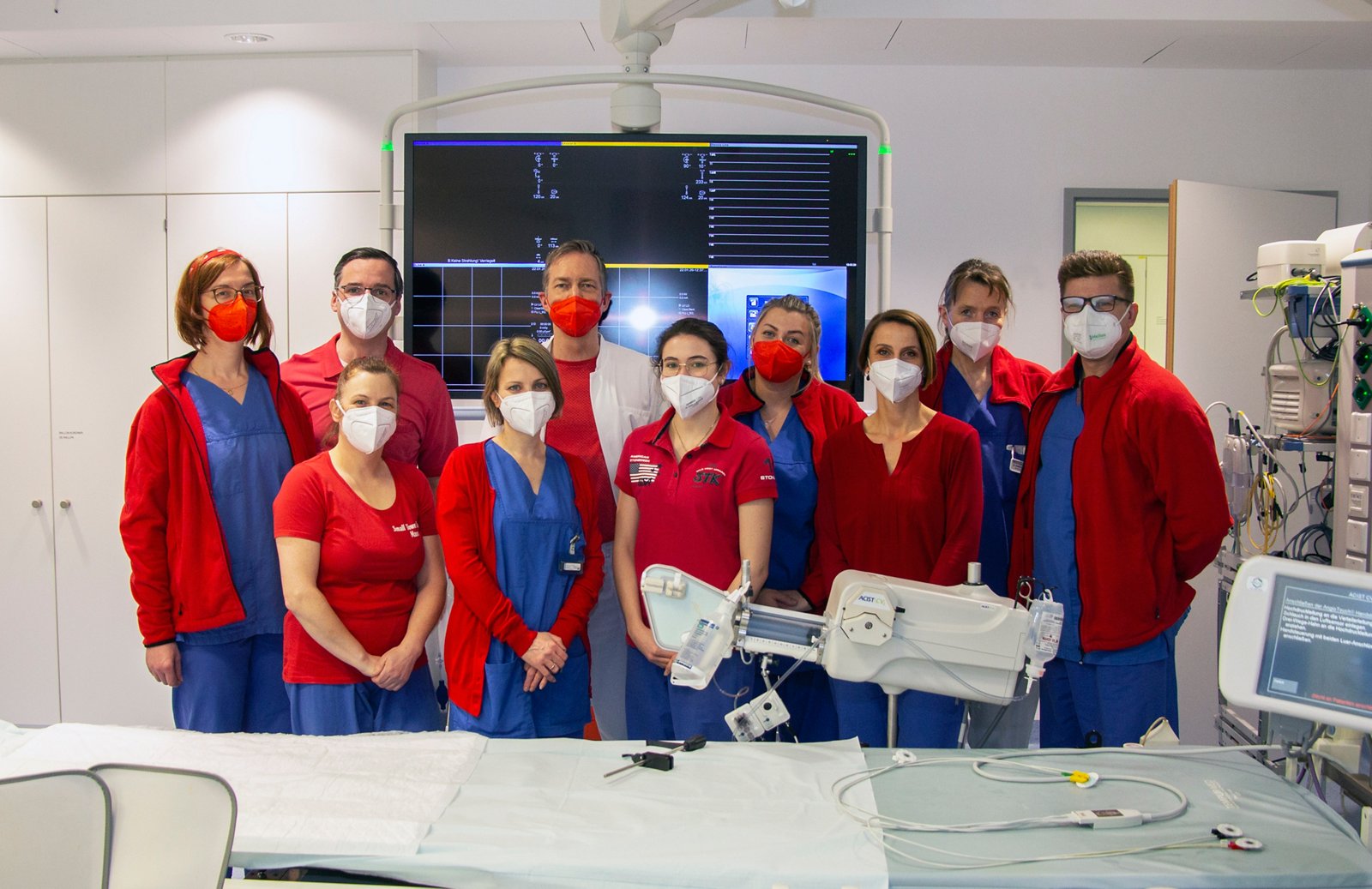
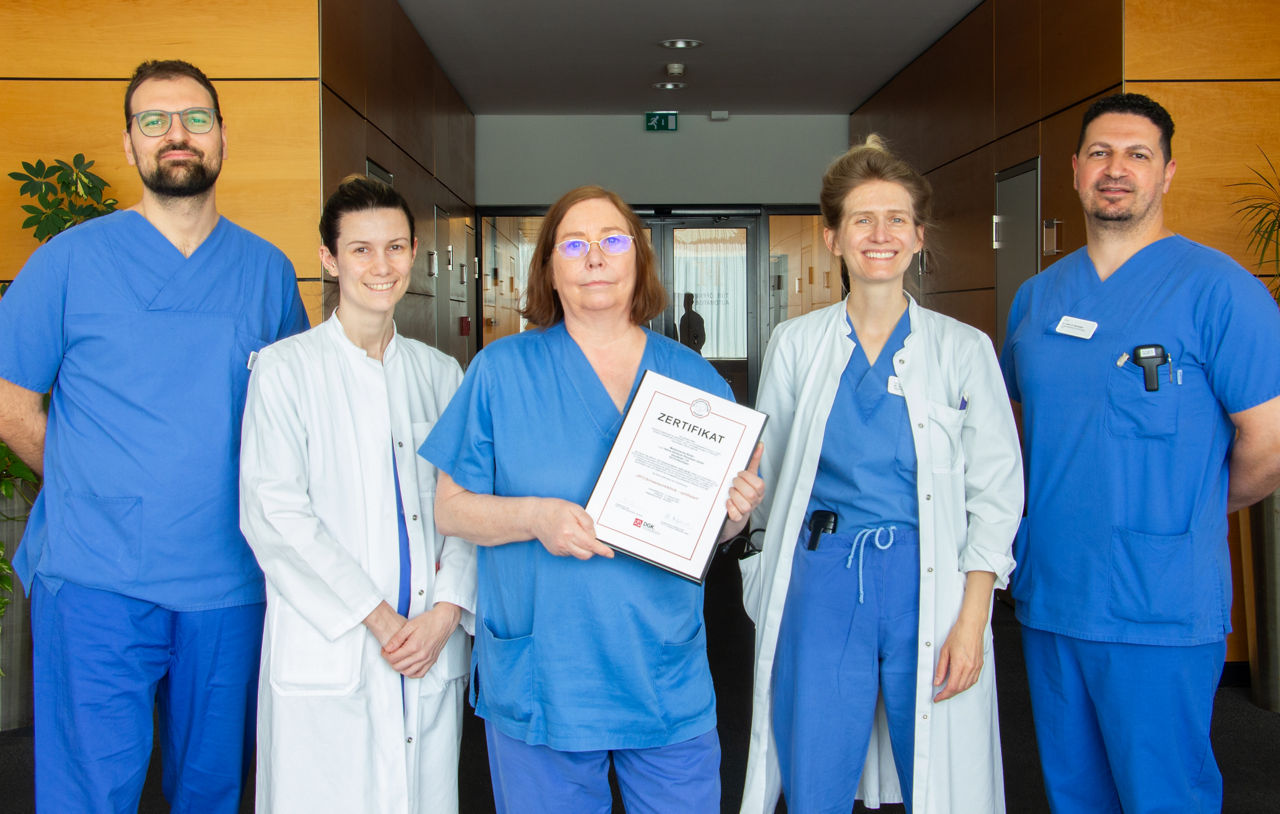
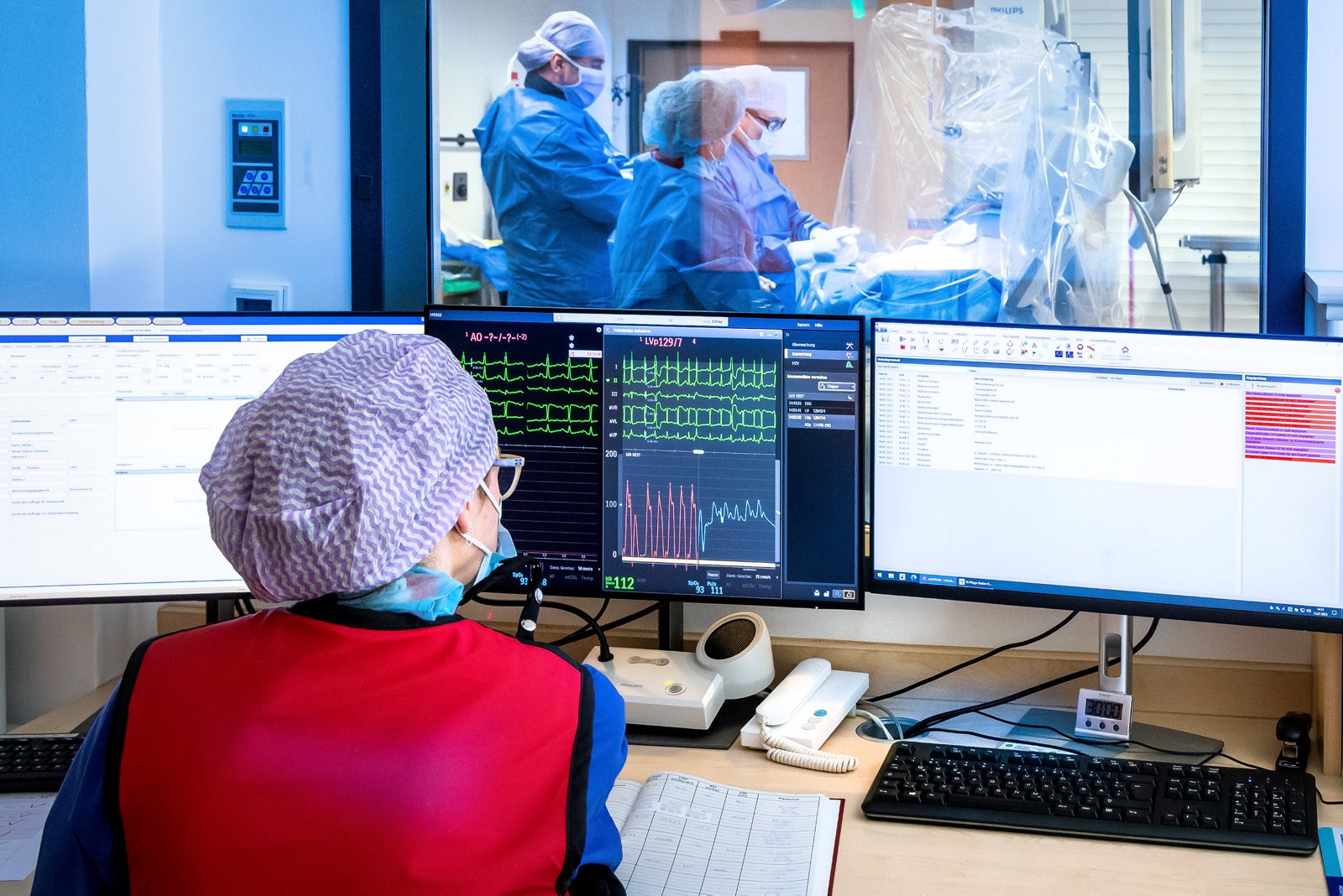
In Pforzheim, Helios Hospital is the only hospital offering implantation of this leadless single-chamber pacemaker for the heart’s main pumping chamber. The cardiac catheterization laboratory team is also certified to implant the world’s first leadless dual-chamber pacemaker system for patients whose atrium and ventricle do not work together in synchrony. With these procedures, the specialists can help patients such as Gunter Blass regain their quality of life.
Read more:
Do you need more information about Helios Hospitals or want to schedule your treatment?