The mobile ECMO team saves lives in life-threatening emergencies
This is an absolute medical emergency where rapid action can mean the difference between life and death. When all conventional cardiovascular and intensive care treatment options have been exhausted, ECMO (extracorporeal membrane oxygenation) often represents the last life-sustaining therapy available.
“The patients we are called to treat are usually in an extremely critical condition requiring intensive care. They often need continuous administration of vasoactive medication to maintain blood pressure and circulation, and in some cases they are being kept alive only through ongoing cardiopulmonary resuscitation. By the time we arrive, they have already been intubated, are unconscious, and are too unstable to be transported. That is why the ECMO system has to be brought to the patient. In situations like these, every minute counts. We therefore need to reach the referring hospital as quickly as possible—either by ground transport or by helicopter, depending on the distance and availability.”
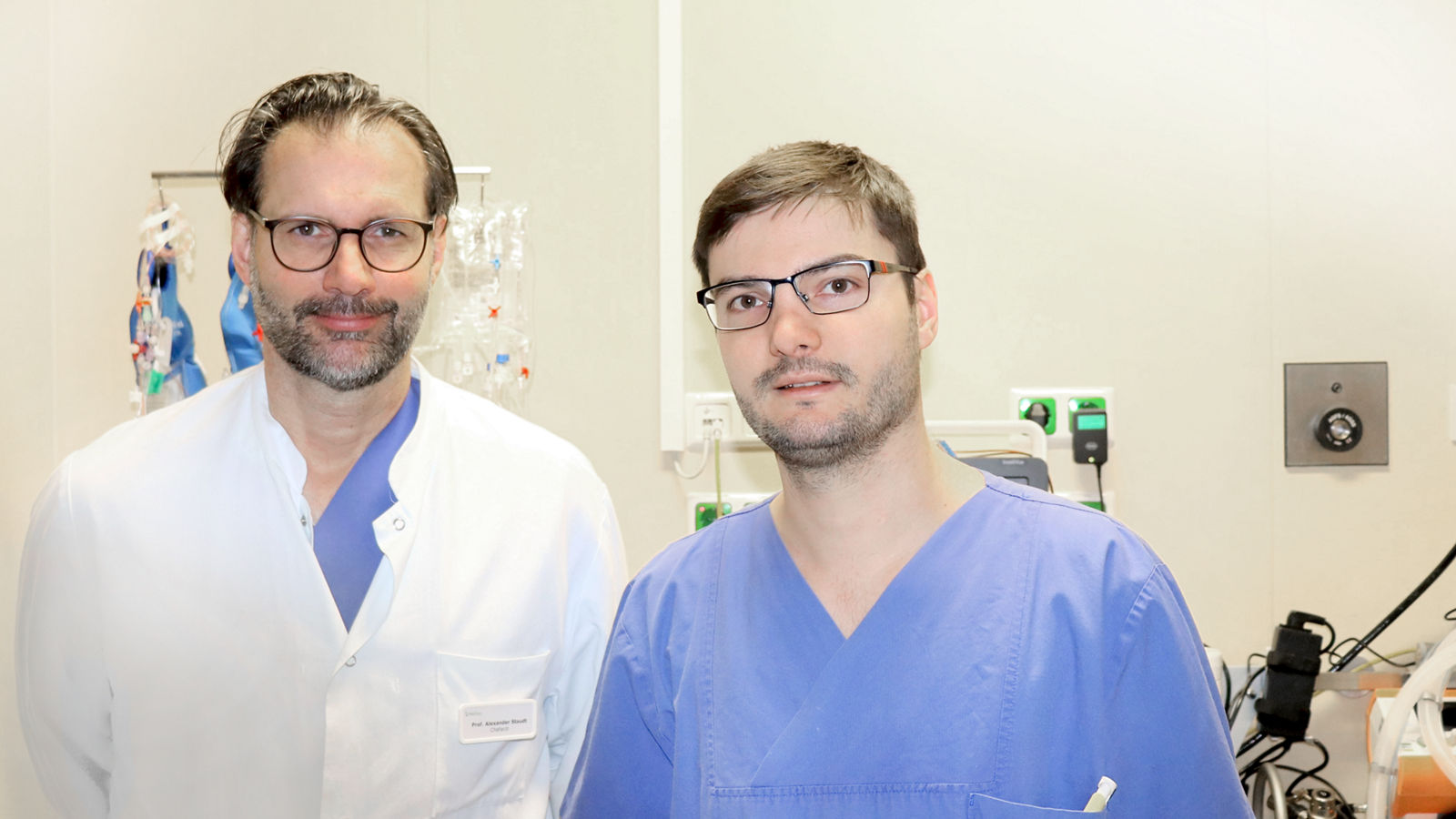
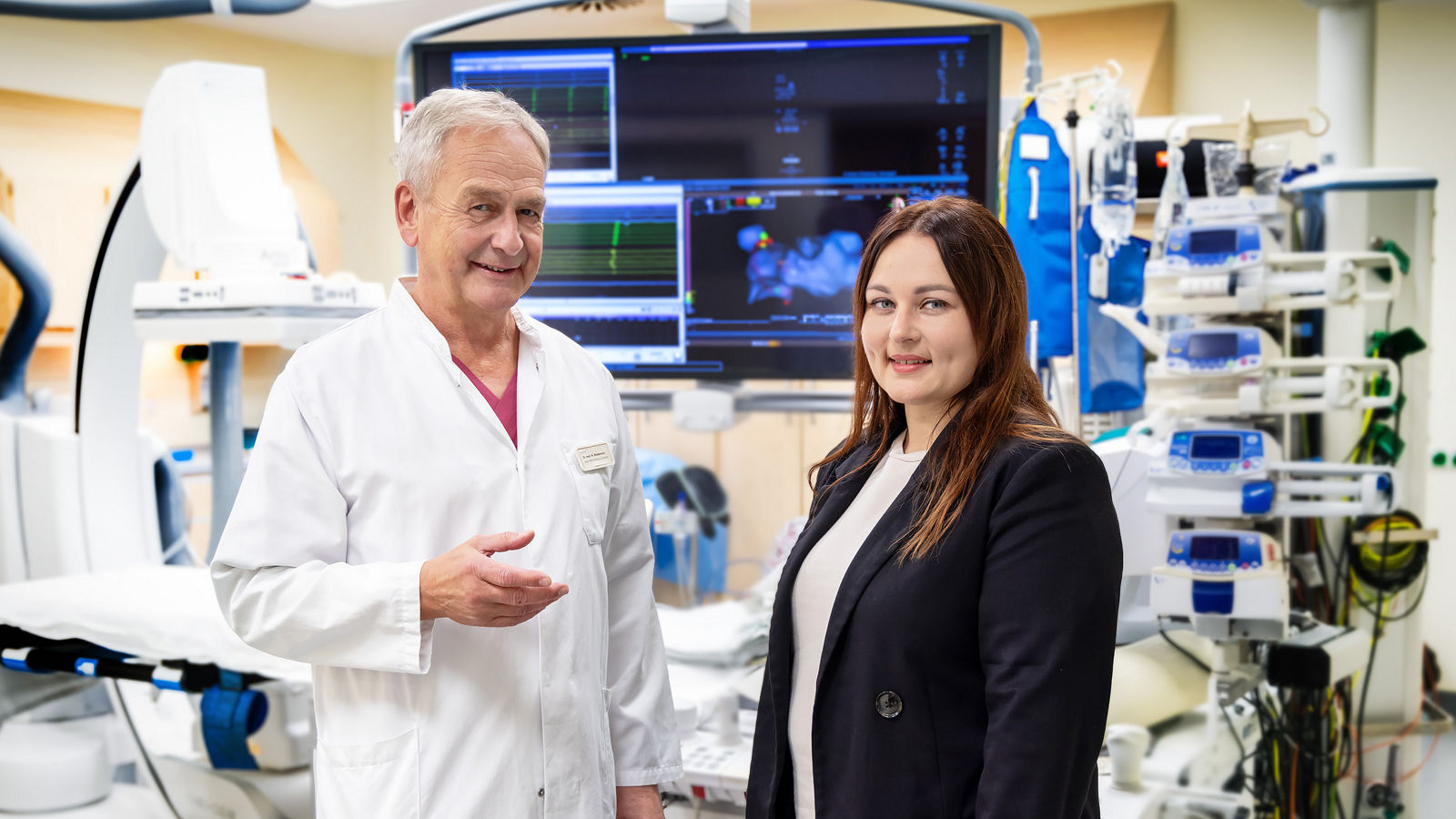
— Dr Dmitry Sulimov, Senior Consultant, Department of Cardiology, Herzzentrum Leipzig
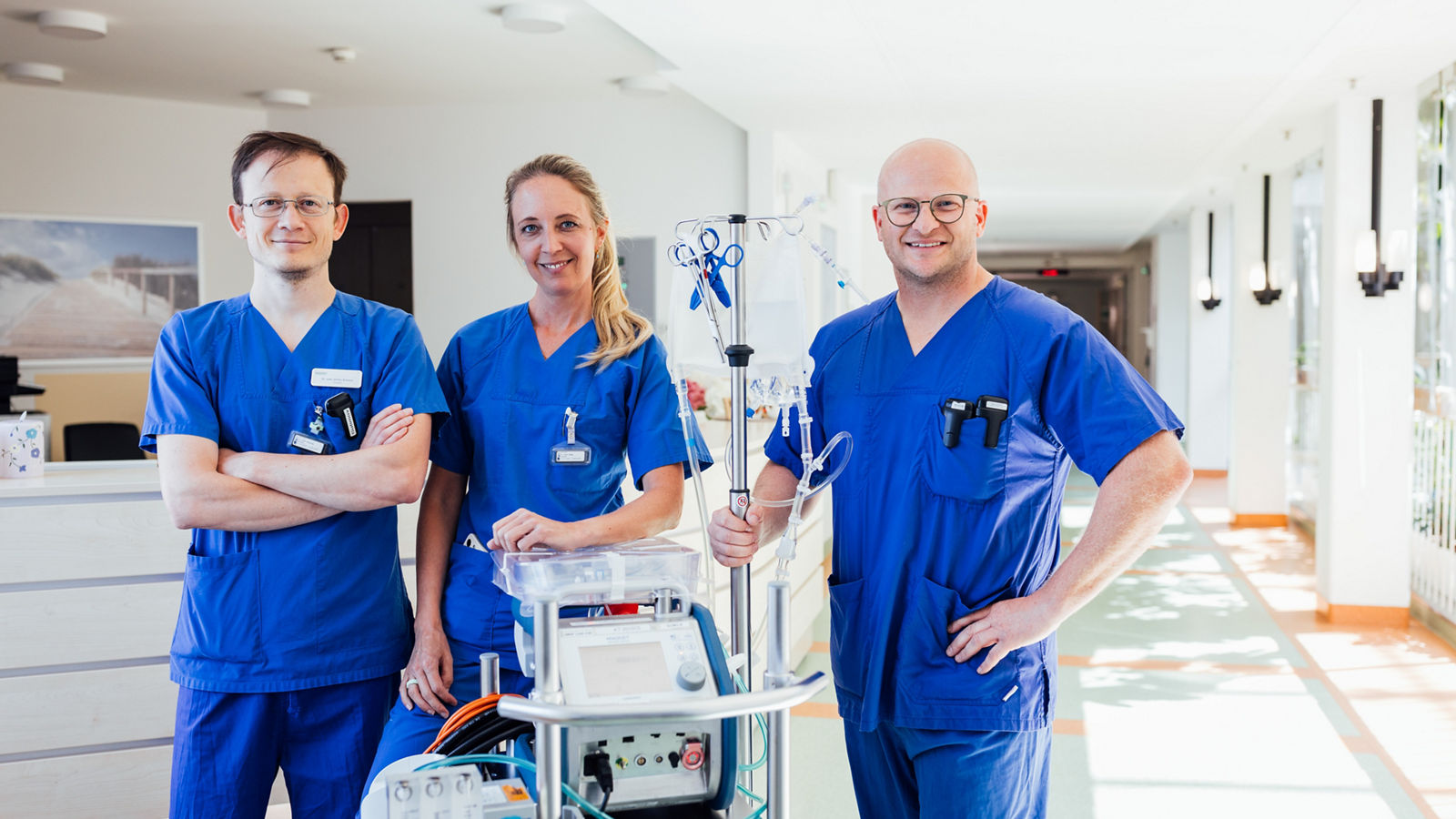
An ECMO system is a highly specialised, miniaturised heart-lung machine that temporarily takes over the function of the heart and lungs in patients with acute cardiac or respiratory failure. It oxygenates the blood outside the body and provides circulatory support until the patient's condition stabilises.
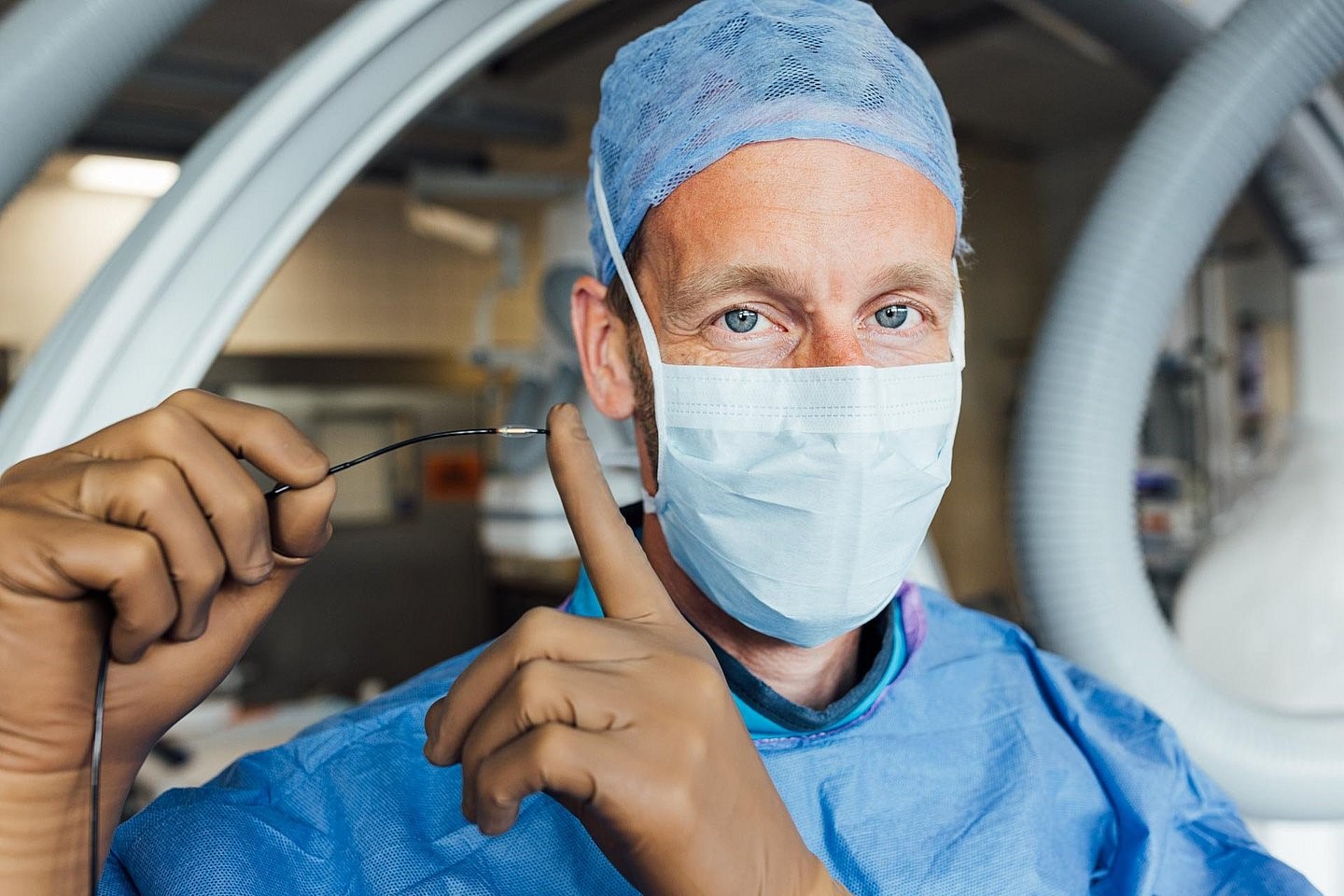
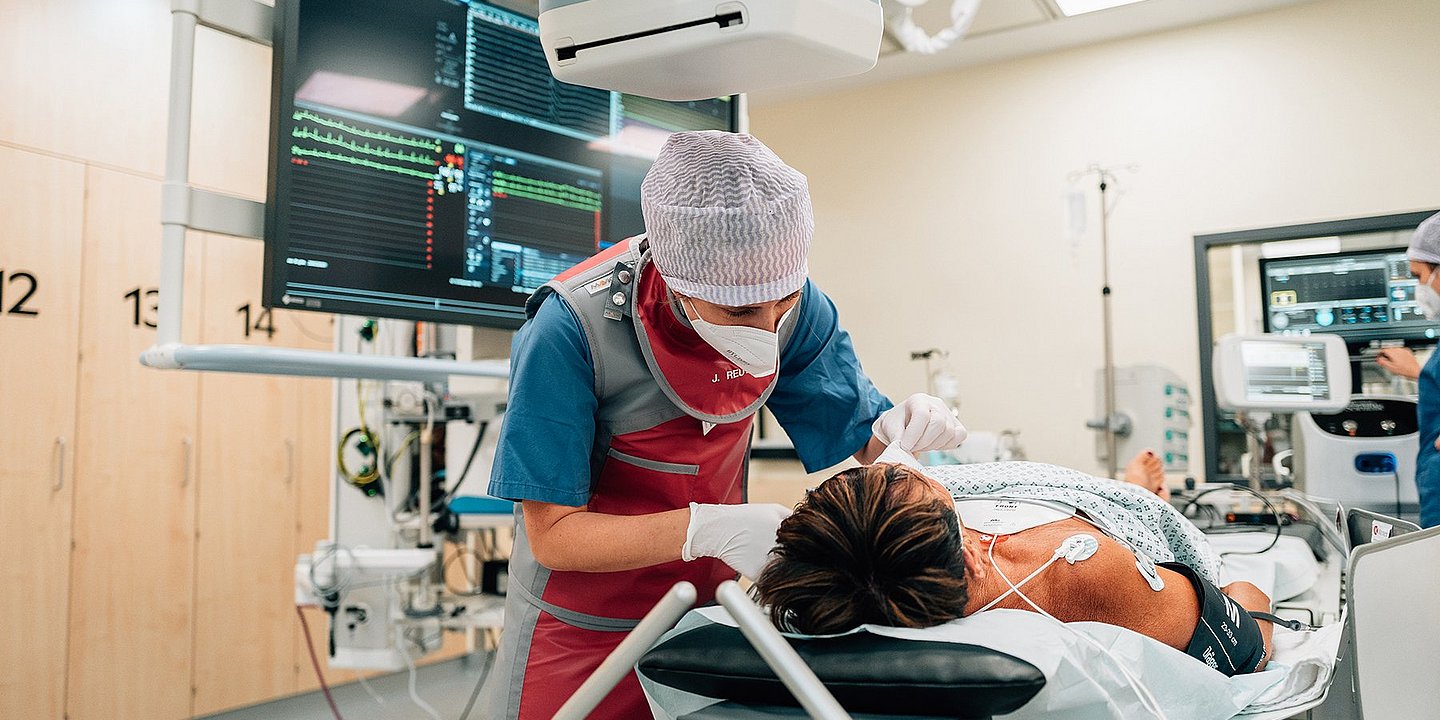
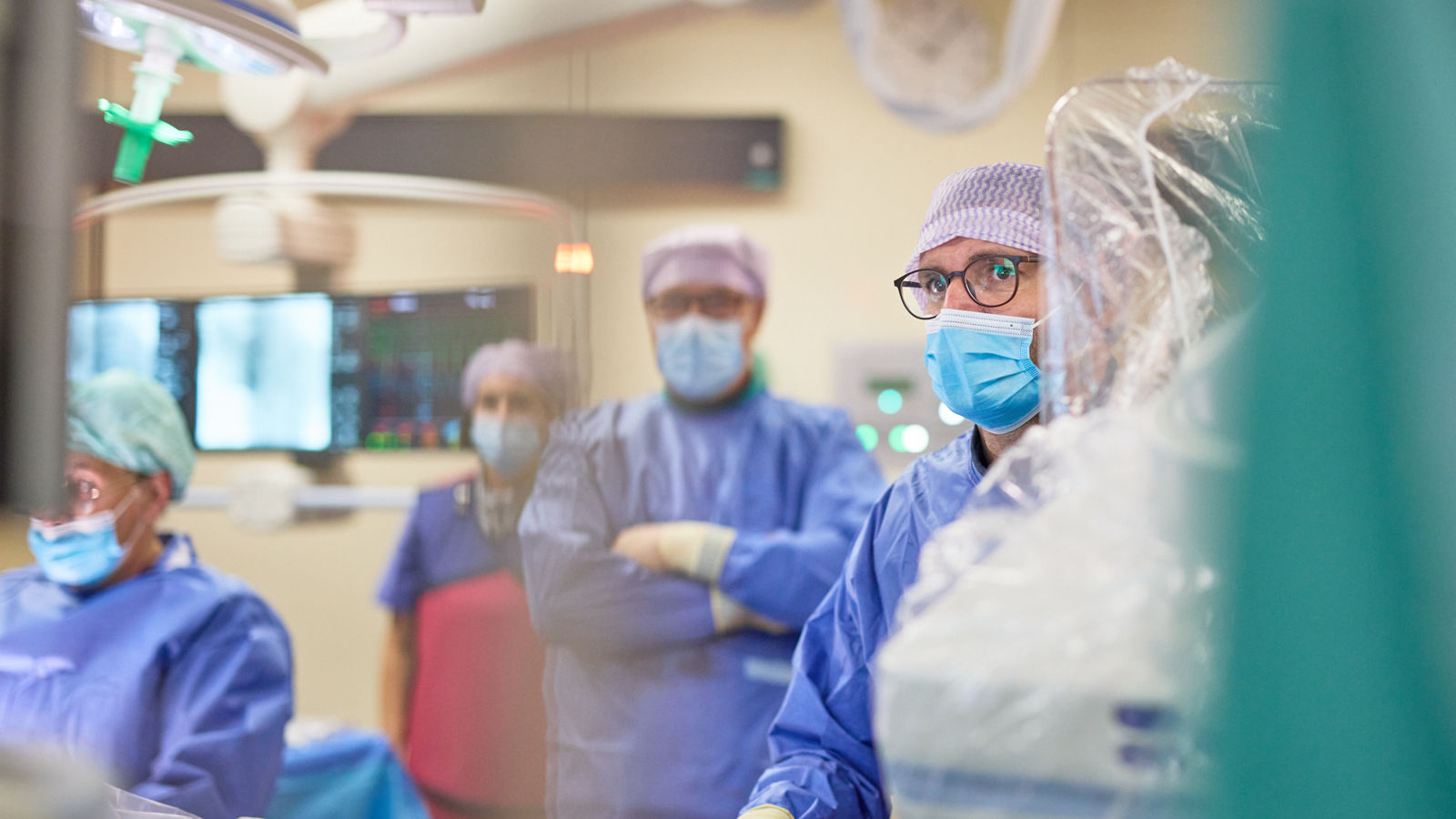
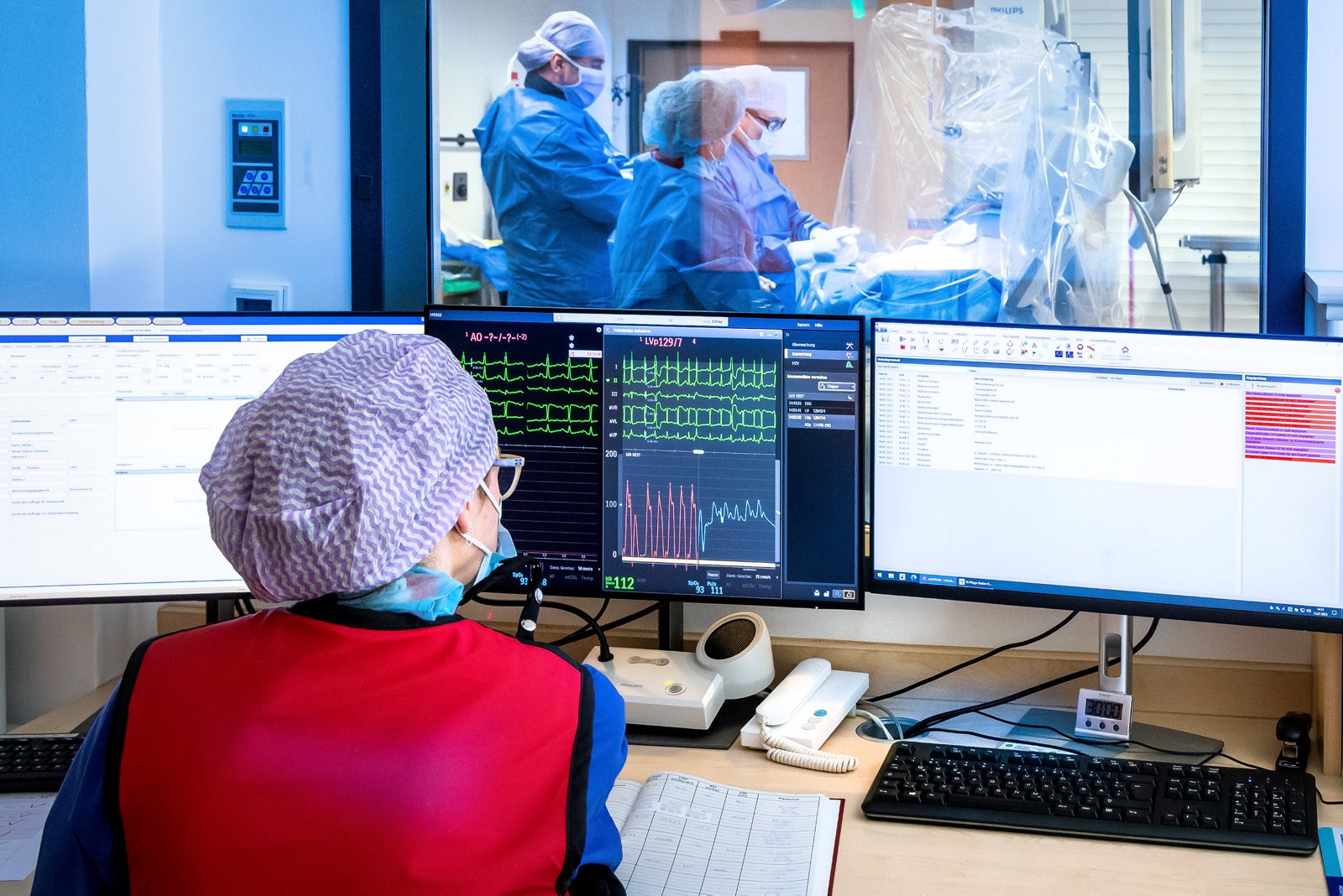
Upon arrival at the referring hospital, the physician first implants the ECMO (extracorporeal membrane oxygenation) system. The procedure is performed by inserting two catheters through the groin — one venous and one arterial. Oxygen-depleted venous blood is drained from the body by a centrifugal pump and passed through an oxygenator, where it is enriched with oxygen outside the body. The oxygenated blood is then pumped back into the patient's circulation through the arterial cannula. In this way, the ECMO system temporarily takes over the functions of the heart and lungs, maintaining circulation and oxygen delivery until the patient's condition stabilises. Once the ECMO has been successfully implanted and the patient is stable, the mobile ECMO team from Heart Center, together with the emergency medical services, transports the patient to Leipzig.
The use of ECMO is what makes transport possible for patients who would otherwise be too critically ill to be transferred. The transfer takes place while ECMO therapy continues uninterrupted. Upon arrival at Heart Center, patients undergo the advanced diagnostic procedures or surgical treatment required for their condition.
These highly specialised systems are typically available only at dedicated heart centres. ECMO therapy ideally requires both an experienced cardiologist or intensive care physician and close collaboration with a specialised perfusionist.
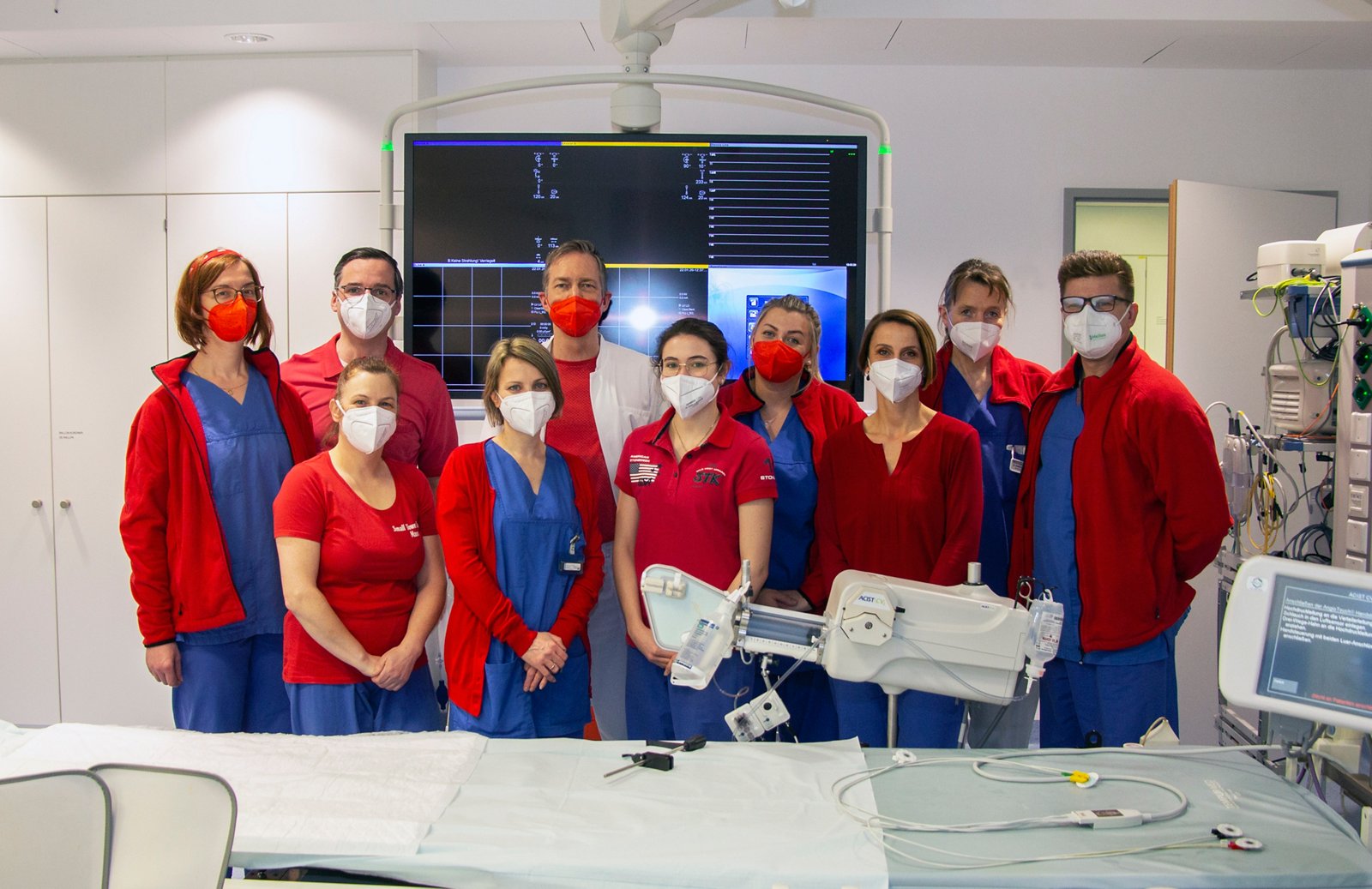
“As soon as we receive an emergency call, we immediately assemble a team consisting of a perfusionist and an experienced cardiologist or cardiac surgeon. Together with the referring hospital and our partners, we organise the fastest possible transport to the patient. An ECMO system and a backpack containing all the equipment needed to manage even the most complex situations are always packed and ready to go.”
— Hans-Martin Vincenz, Head of Perfusion and Technical Medicine
In 2025, around 200 patients received ECMO therapy at Heart Center Leipzig. For this reason, smaller hospitals — particularly those in rural areas — often depend on the support of specialised centres, especially when critically ill patients are too unstable to be transferred. Modern miniaturised ECMO systems make it possible to initiate treatment on site and enable the safe transport of these particularly vulnerable patients.
Time is the decisive factor
Making the right decision at the right time is crucial in these emergencies. Only the early involvement of a specialised mobile ECMO team allows treatment to begin promptly and patient transport to be organised under optimal conditions. The success of such a complex mission depends on seamless interdisciplinary collaboration and the team's ability to respond without delay. "Of course, we cannot guarantee that we will be available 100% of the time. However, immediately after receiving an emergency call, we assess the availability of equipment, personnel, and transport within minutes, and we are almost always ready to deploy. Over the past few months alone, we have successfully carried out seven mobile ECMO missions," says Dr Sulimov.
The organisation of ECMO transports at Heart Center Leipzig is also supported through close cooperation with the Leipzig Fire Department.
Read more:
Do you need more information about Helios Hospitals or want to schedule your treatment?