Helios Berlin-Buch: Treatment of severe cardiac arrhythmias using smartwatches
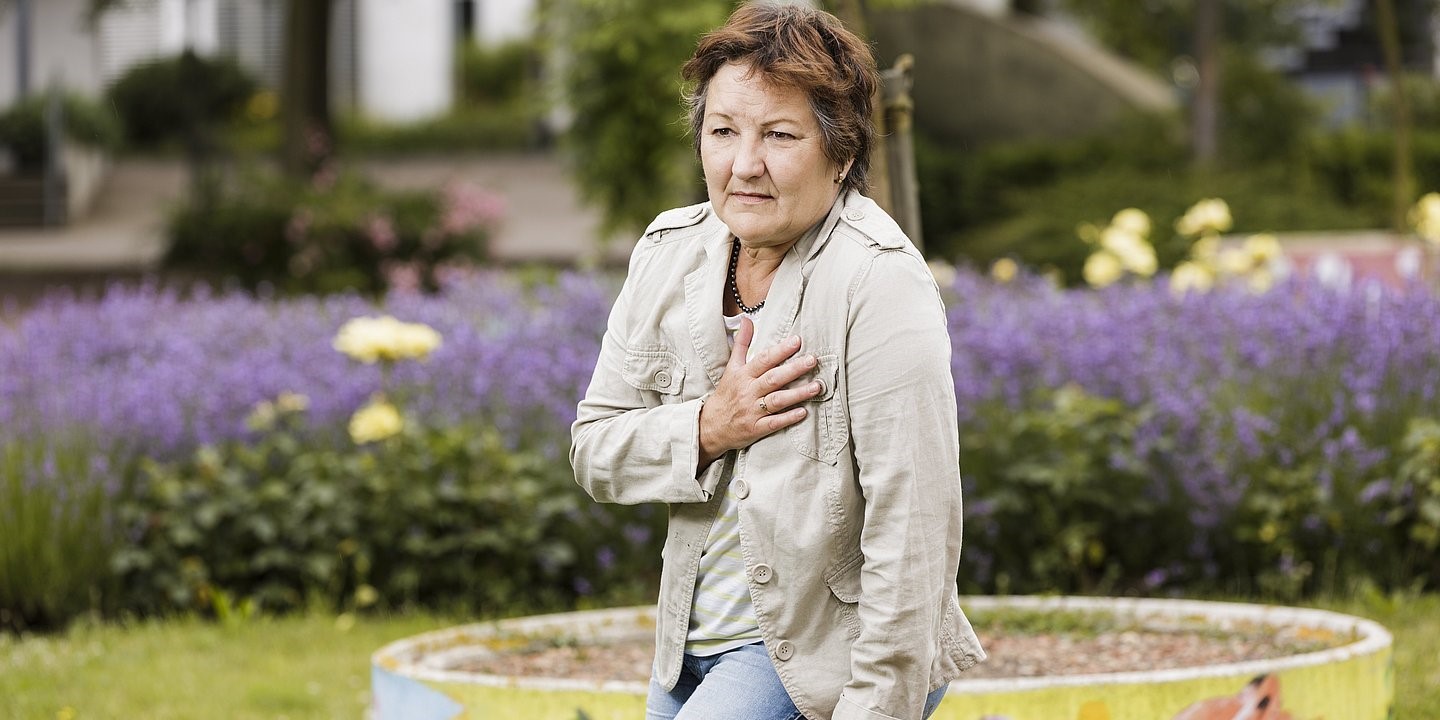
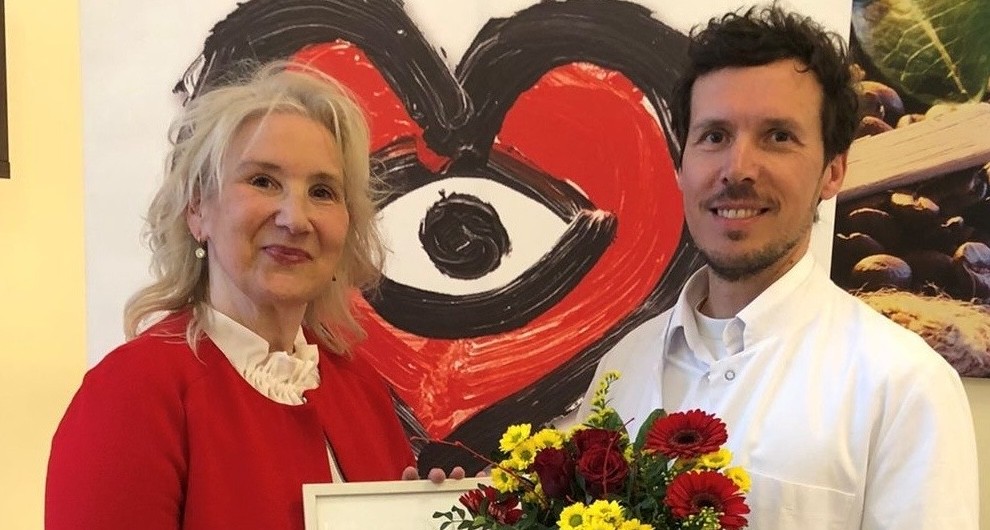
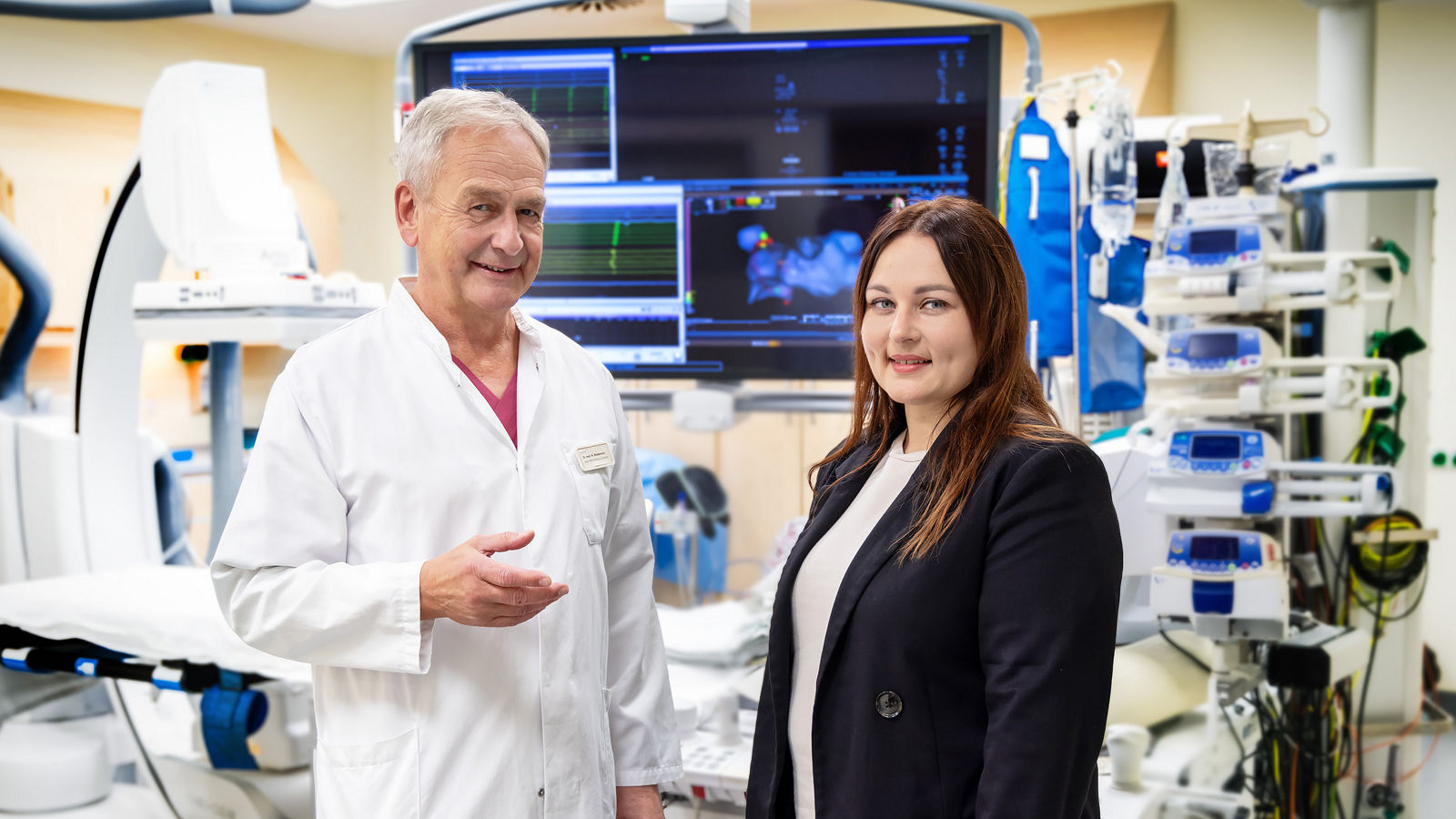
The 37-year-old doctor received successful cardiac treatment from the electrophysiology expert and his team - after several months of struggling with severe heart rhythm disturbances and serious health problems. She explains: "I probably contracted Covid at the clinic where I work in September 2023. After that, I actually got worse and worse. I was constantly tired, had no strength left and then shortness of breath and, finally, palpitations. My health then deteriorated significantly relatively quickly."
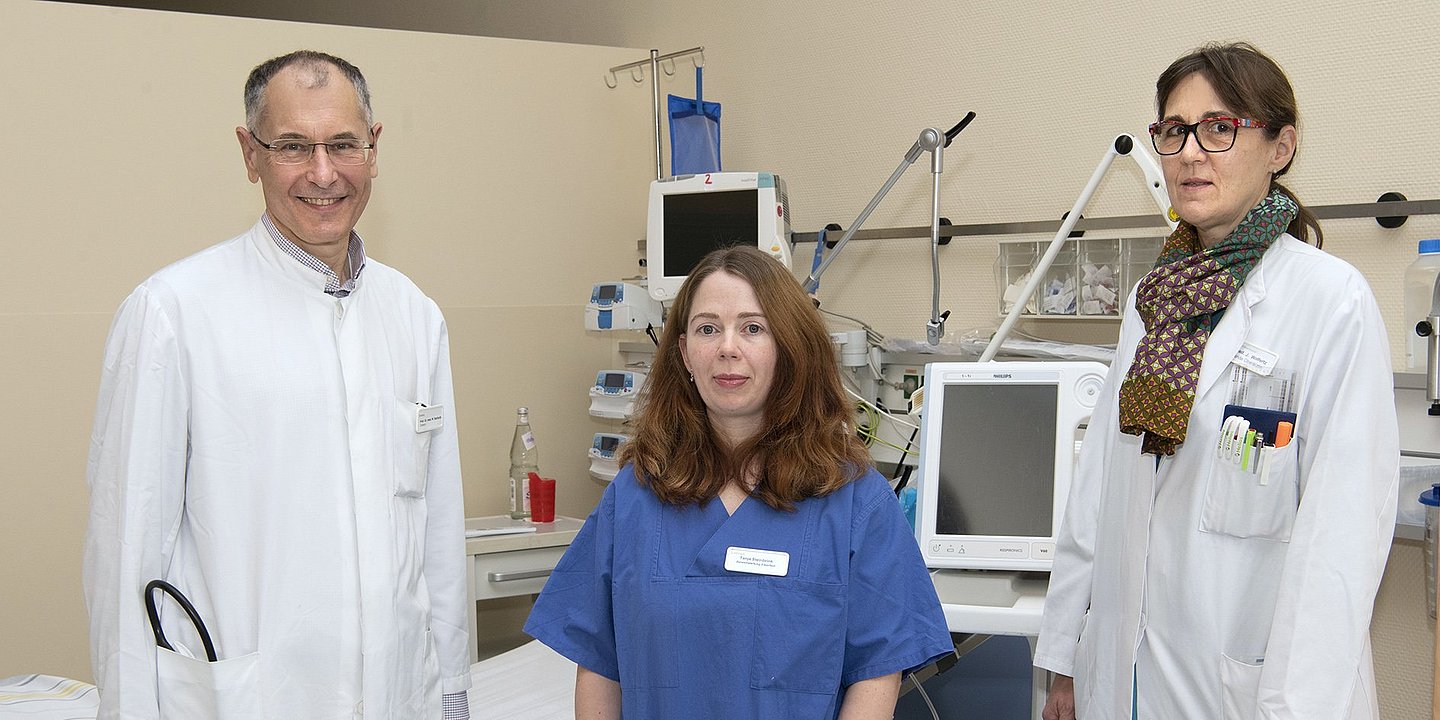
"Ms. Niewiadomska is actually far too young for such life-threatening heart rhythm disorders. But her case shows that unfortunately there are exceptions,
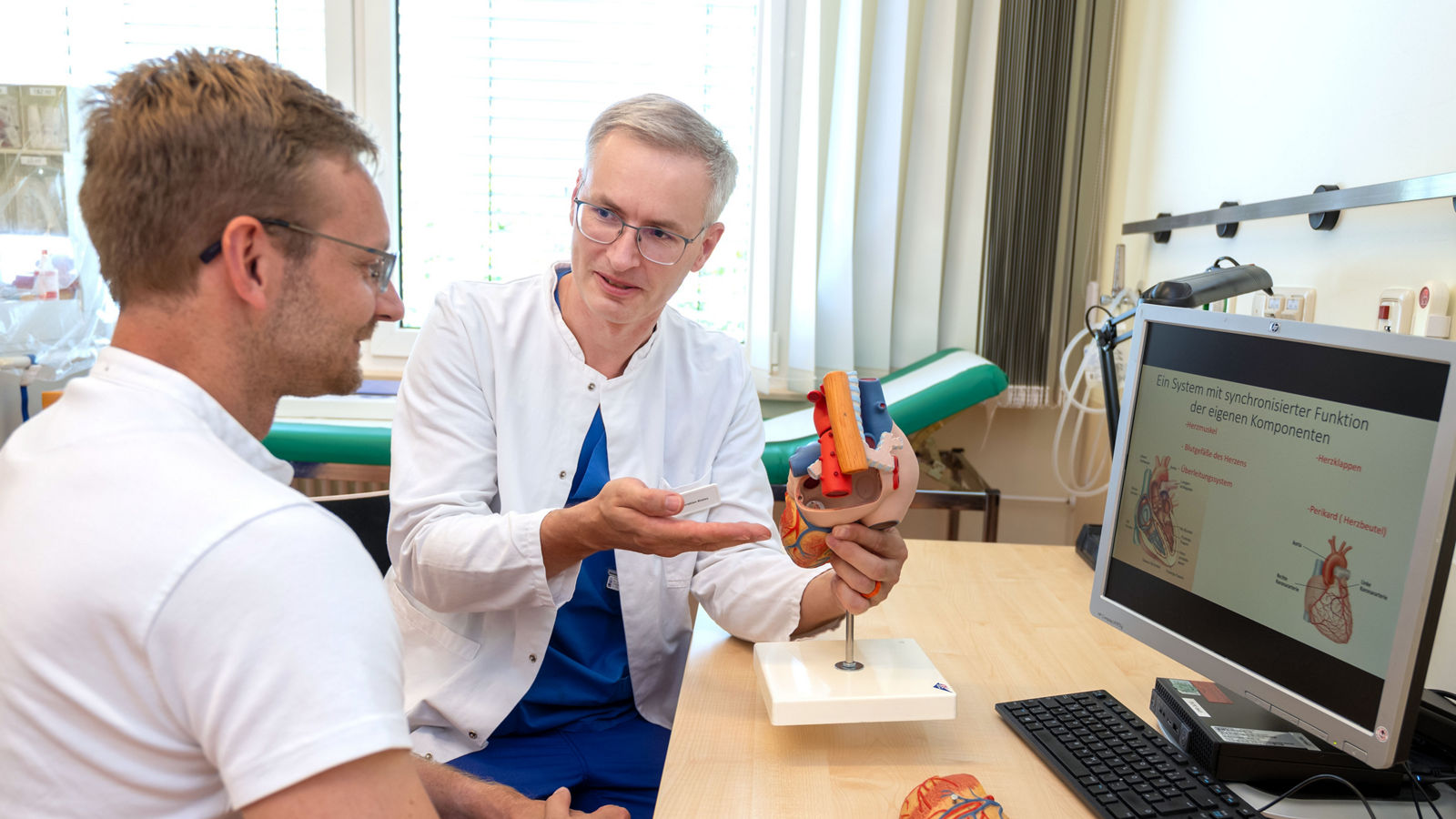
explains Dr. med. Michael Wiedemann, cardiologist and head of the Heart Rhythm Center at Helios Hospital Berlin-Buch.
Her GP finally referred her to a cardiologist, who first ordered an echocardiogram, also known colloquially as a heart echo, as well as an electrocardiogram (ECG) and finally a long-term ECG. "After the heart echo and the ECG, abnormalities were already visible. After the long-term ECG, my cardiologist then referred me to the clinic in Pasewalk with a suspected myocarditis. I was admitted to the telemetry ward and IMC there, whereupon I was then referred to the clinic in Schwedt to have a cardiac MRI performed," recalls Ewelina Niewiadomska. The MRI of her heart confirmed the suspicion of myocardial inflammation, which was subsequently treated with the drug verapamil. "Unfortunately without success. Quite the opposite - I got worse and worse. I was constantly short of breath and couldn't walk 150 meters in a straight line," adds the young doctor.
No improvement in sight
When her sick leave finally ended in March 2024, Ewelina Niewiadomska initially returned to work - only to realize after a short time that her body was giving her a hard time. The next cardio MRI was scheduled for May 2024. "As with my last long-term ECG, the heart rhythm disturbances were still visible, but it looked much better. But I didn't feel any better. I then showed my cardiologist the data that my smartwatch had recorded. She then immediately referred me to the clinic in Schwedt," she reports. However, when treatment with amiodarone, currently the most effective drug for heart rhythm disorders, did not work against her acute and life-threatening palpitations from the ventricle, known as ventricular tachycardia, her colleagues in Schwedt turned to Dr. Wiedemann at the Helios Hospital Berlin-Buch.
Successful treatment thanks to highly specialized technology
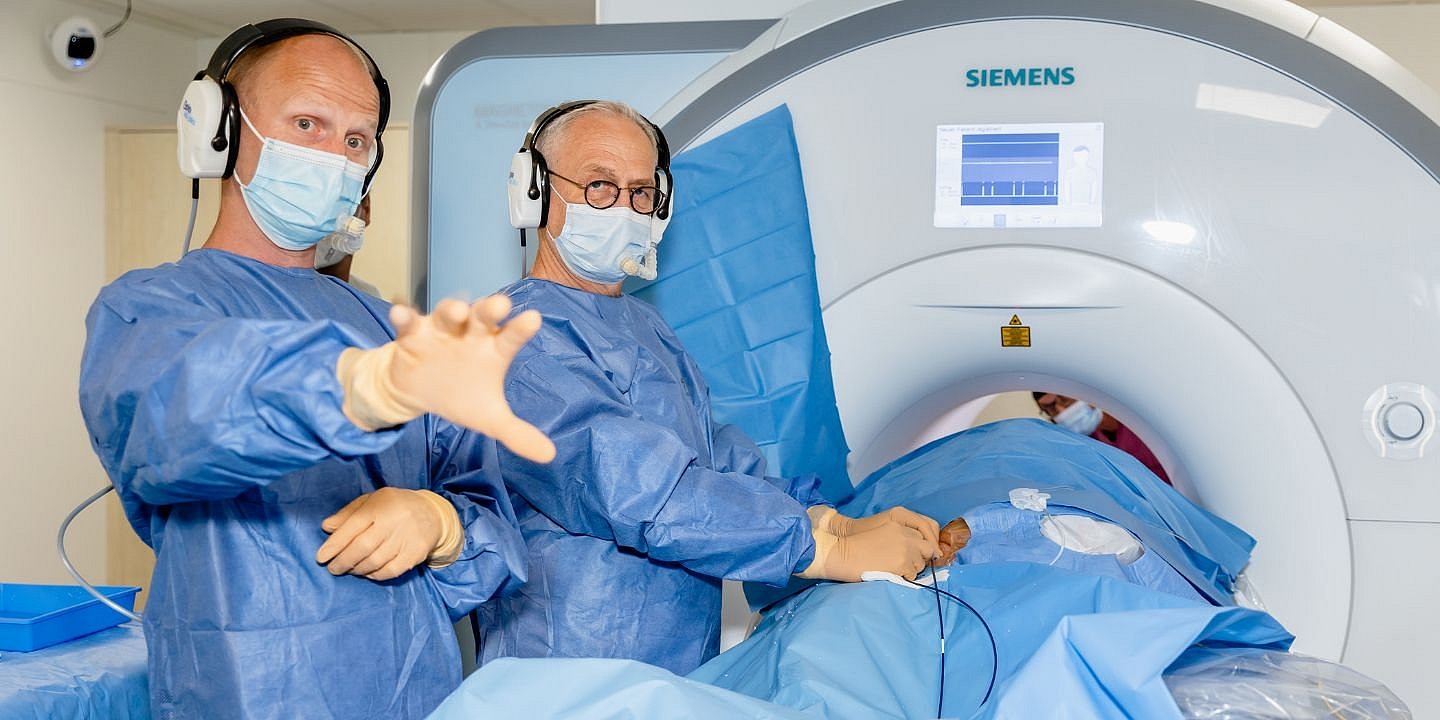
"The colleagues at the clinic in Schwedt turned to us in the patient's case because we are highly specialized. We first carried out a cardiac MRI, which confirmed the findings from Schwedt. We were also able to rule out the possibility of structural heart disease. Using an ECG, we then saw that the ventricular tachycardia originated from the outflow tract of the right ventricle, a site that can be easily reached surgically," explains Dr. Wiedemann.
More precisely, a so-called focus had caused Ewelina Niewiadomska's complaints. This is a location in the heart that is capable of triggering cardiac rhythm disturbances after inflammatory diseases. Whether these were related to the previous corona infection cannot be clearly proven. Nevertheless, the expert from Buch knew exactly what to do.
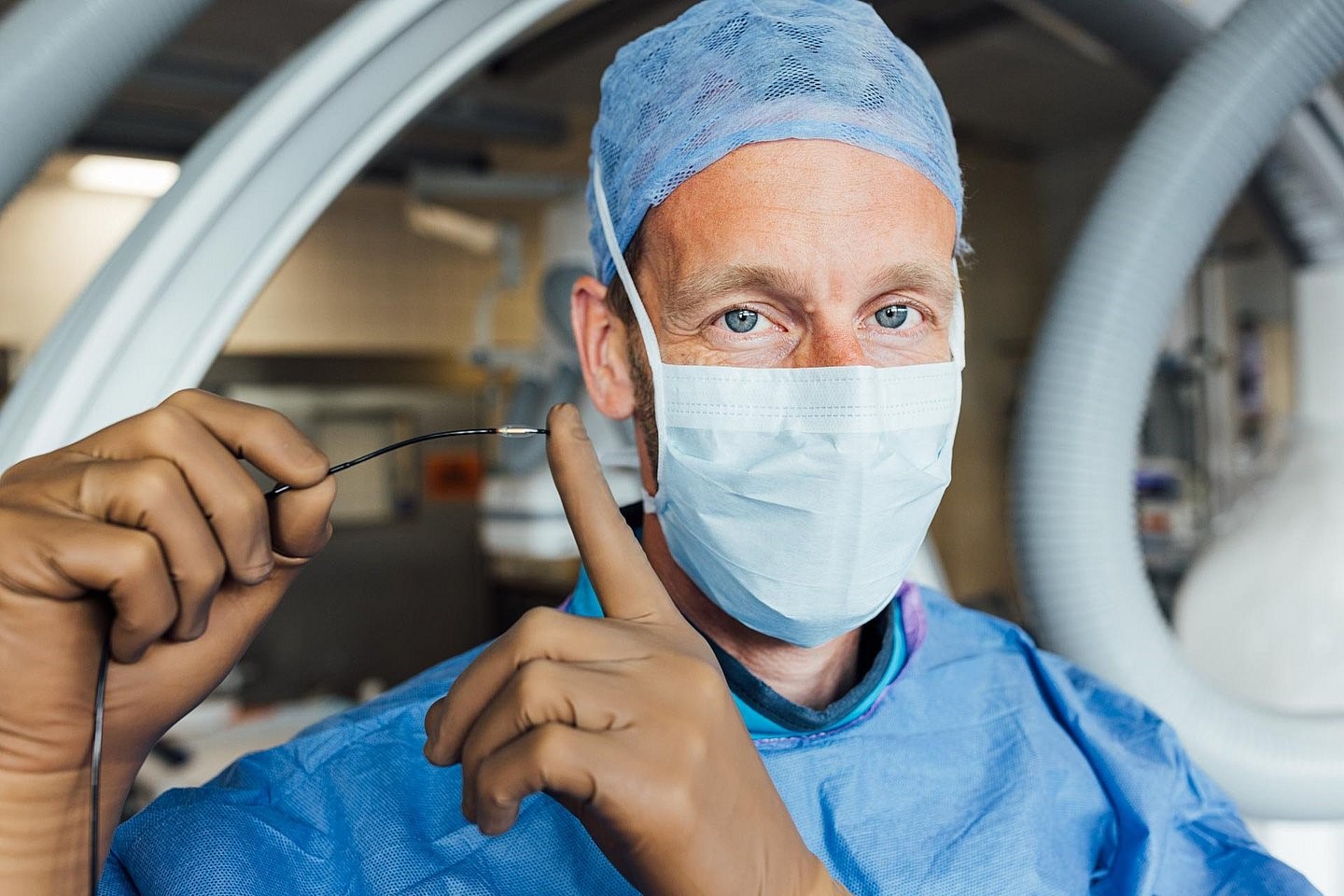
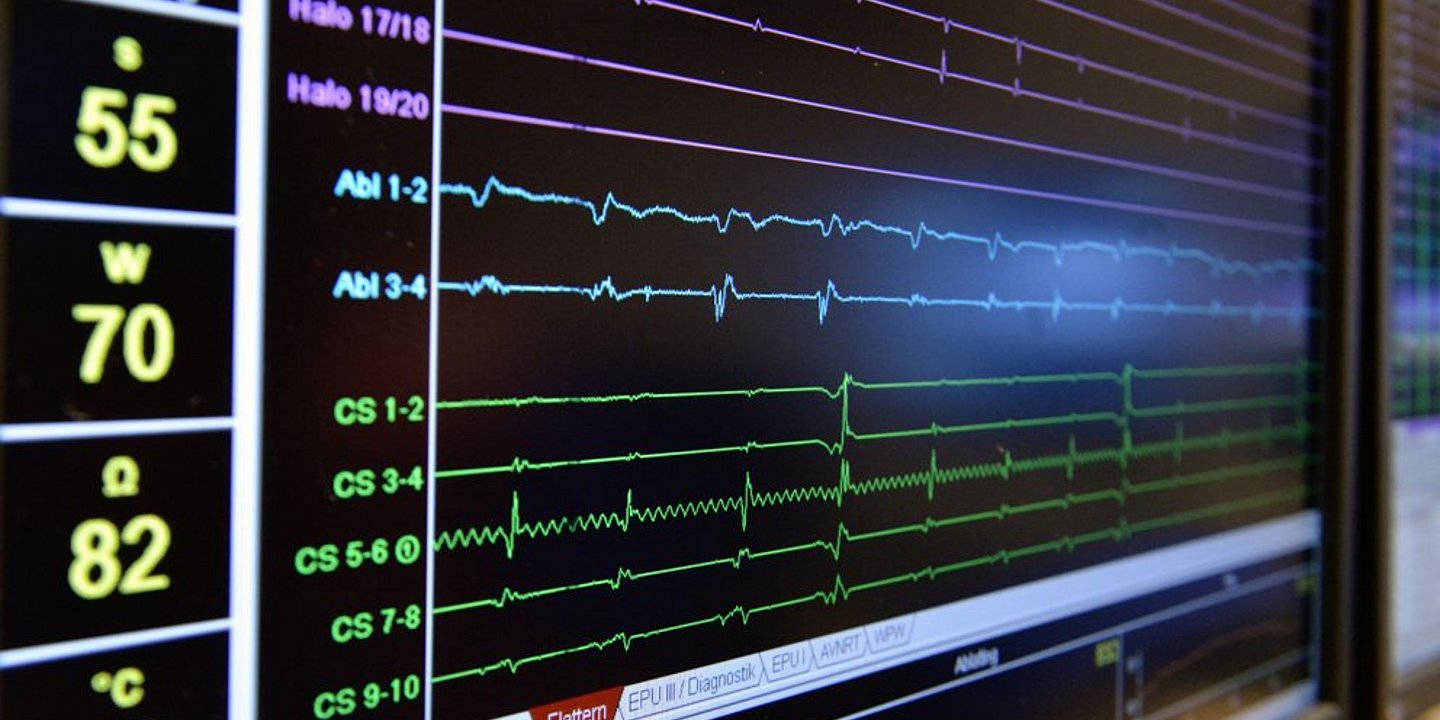
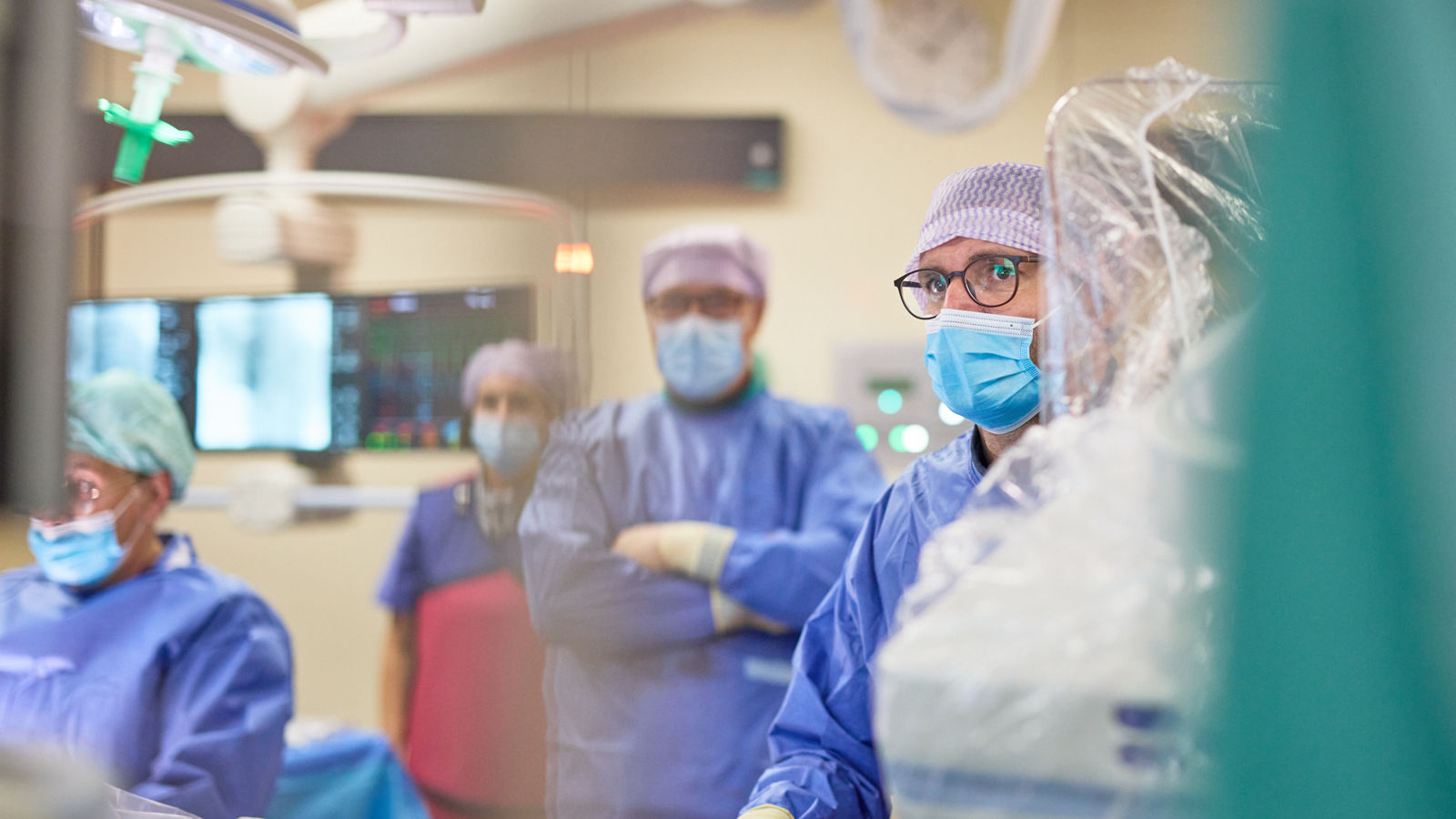
"We then used a three-dimensional reconstruction in the electromagnetic field and a navigation system to locate and obliterate the focus in Ms. Niewiadomska's heart. The cardiac rhythm disturbances were thus eliminated and our patient was cured,"
explains Dr. Wiedemann.
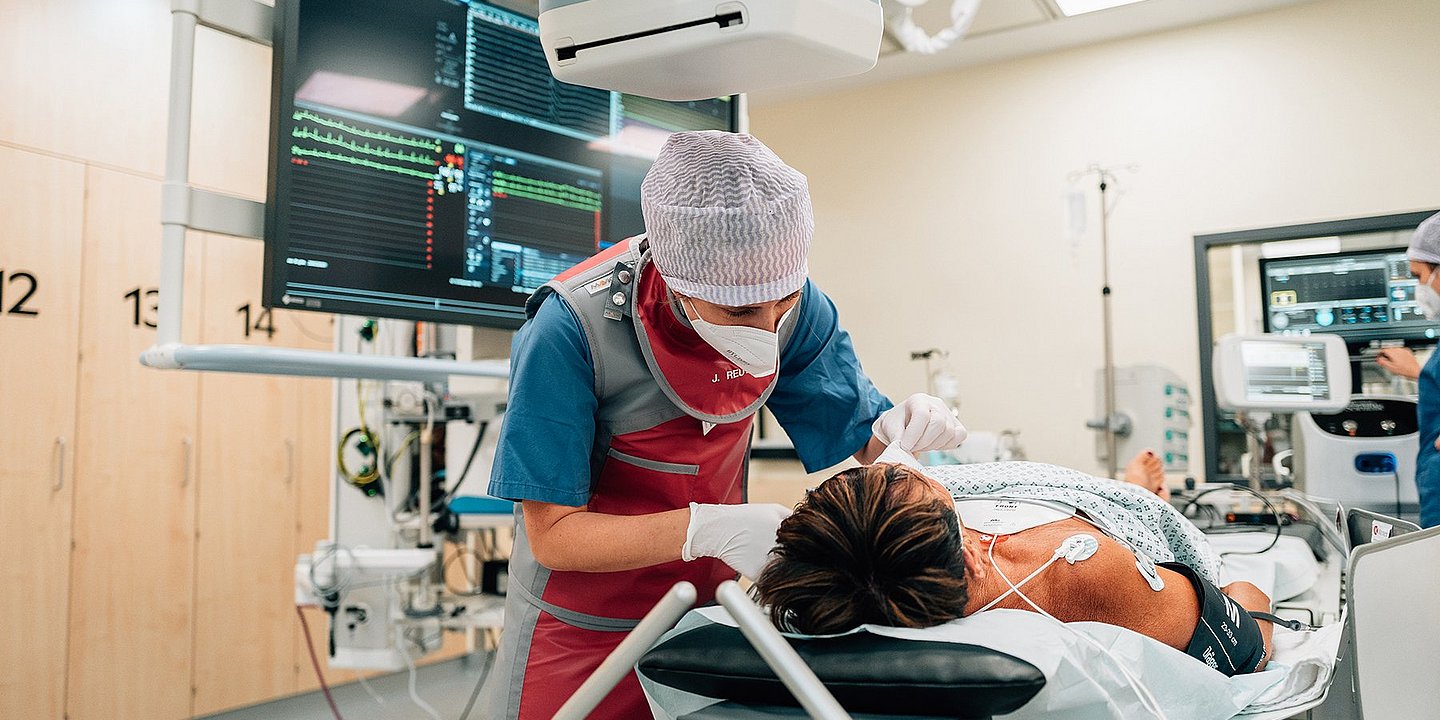
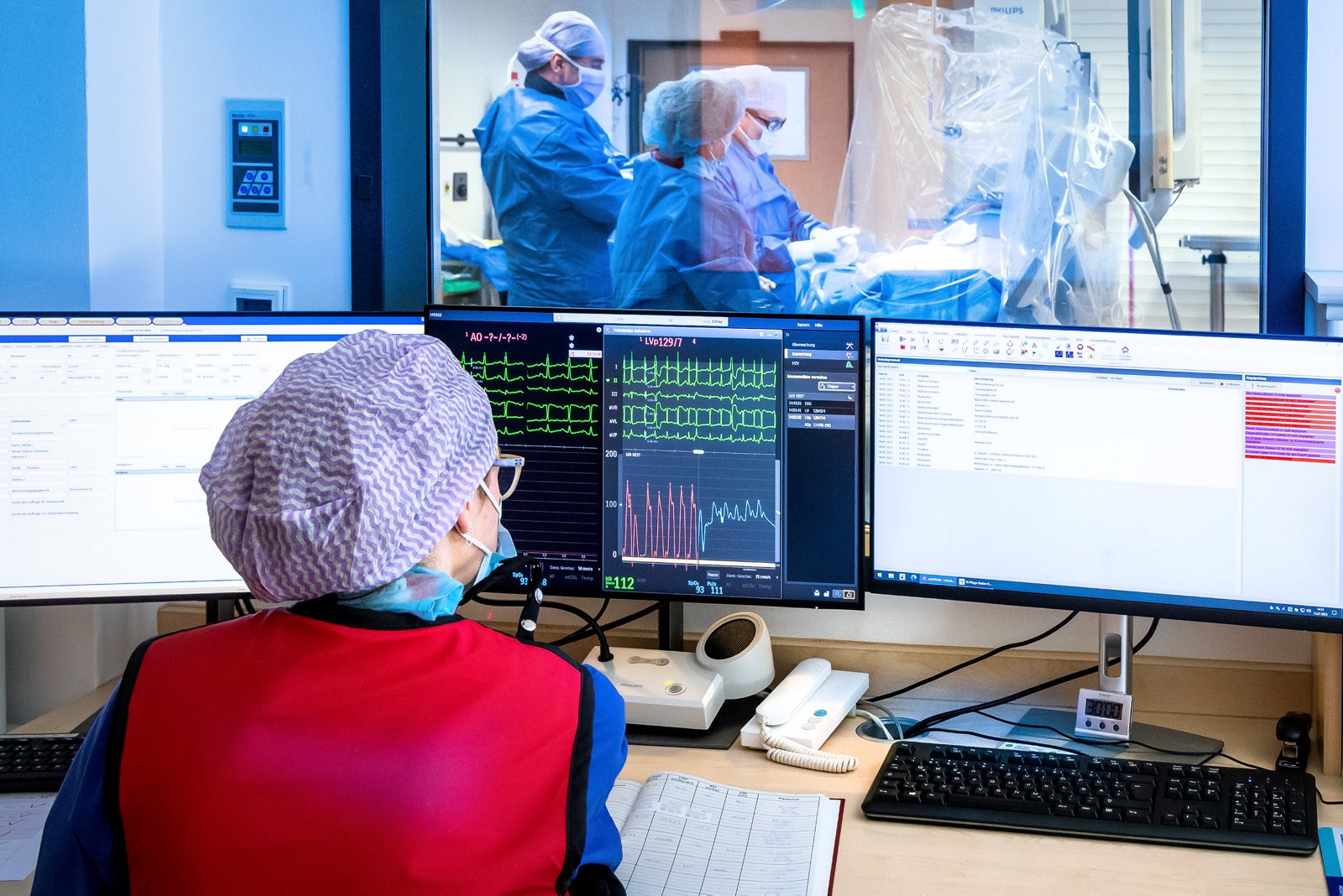
What sounds routine is only possible with state-of-the-art technology and a great deal of expertise. The procedure is stressful for patients, continues Dr. Wiedemann, as they cannot be anaesthetized at first. "Anesthesia suppresses the heart rhythm disturbances. So we can't locate the focus. We therefore let the heart rhythm disturbances run initially in order to be able to create an exact map of the electrical excitation," he adds. Once the exact location of the disturbance has been identified, patients are immediately given a painkiller and sedative. Although the procedure is not particularly pleasant for those affected, the cardiologist emphasizes that the chances of recovery with this method are 90 to 95%.
Ewelina Niewiadomska's heart beats in time again
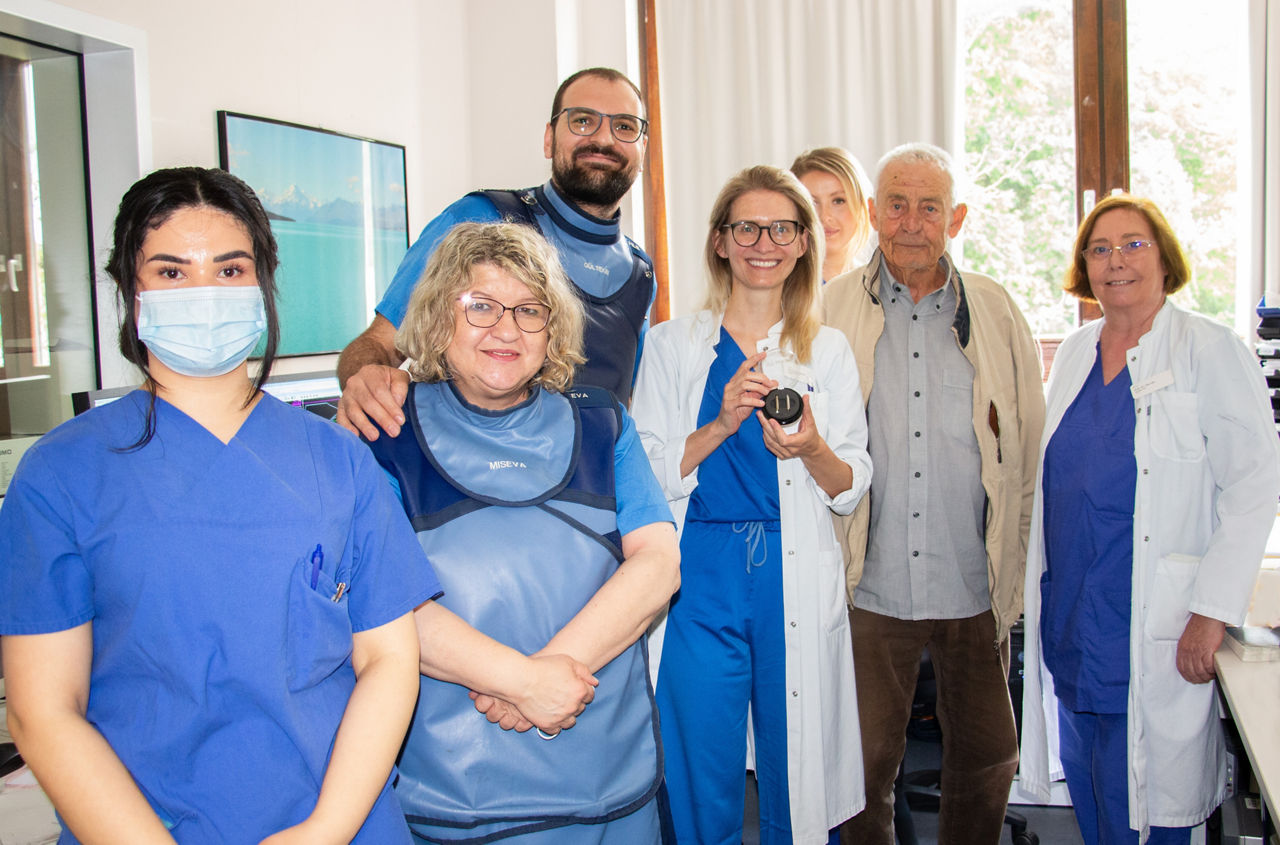
After a total of four days, Ewelina Niewiadomska was finally able to leave the Helios Hospital Berlin-Buch and is now considered cured. "After an operation like this, you can definitely lead a completely normal life again and put your body under full strain," confirms Dr. Wiedemann. Nevertheless, the doctor continues to receive cardiological care and attends regular check-ups. Dr. Wiedemann agrees that this makes sense for a year, but after that the close follow-up appointments are no longer necessary. Ewelina Niewiadomska is above all relieved. She is relieved that the seriousness of the situation was recognized thanks to the data from her smartwatch - and that she was able to be treated successfully in Berlin-Buch. She concludes: "The care at the hospital was really very good. Although my family couldn't be there with me, I never felt lonely. I am really very happy about my recovery and would like to thank all the doctors who treated me and the team here in Berlin-Buch."
Read more:
FDo you need more information about Helios Hospitals or want to schedule your treatment?