Children’s abdominal pain: Searching for the cause
The department offers a broad range of services. These include the treatment of chronic inflammatory bowel diseases (IBD) such as Crohn’s disease and ulcerative colitis, disorders of the liver and biliary tract, as well as complex food intolerances and celiac disease. Functional gastrointestinal disorders, which are often difficult to classify in everyday clinical practice, are also systematically evaluated.
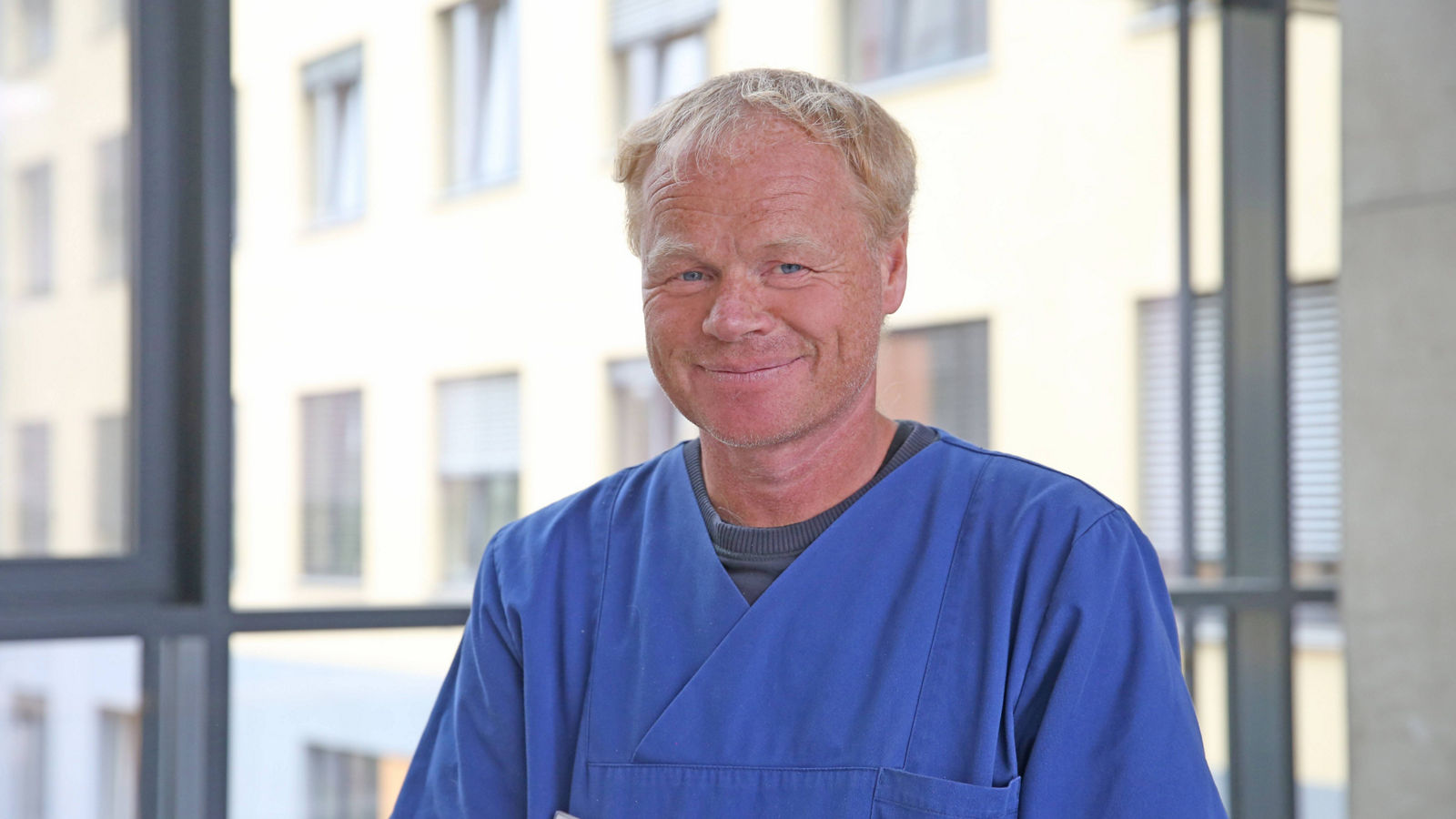
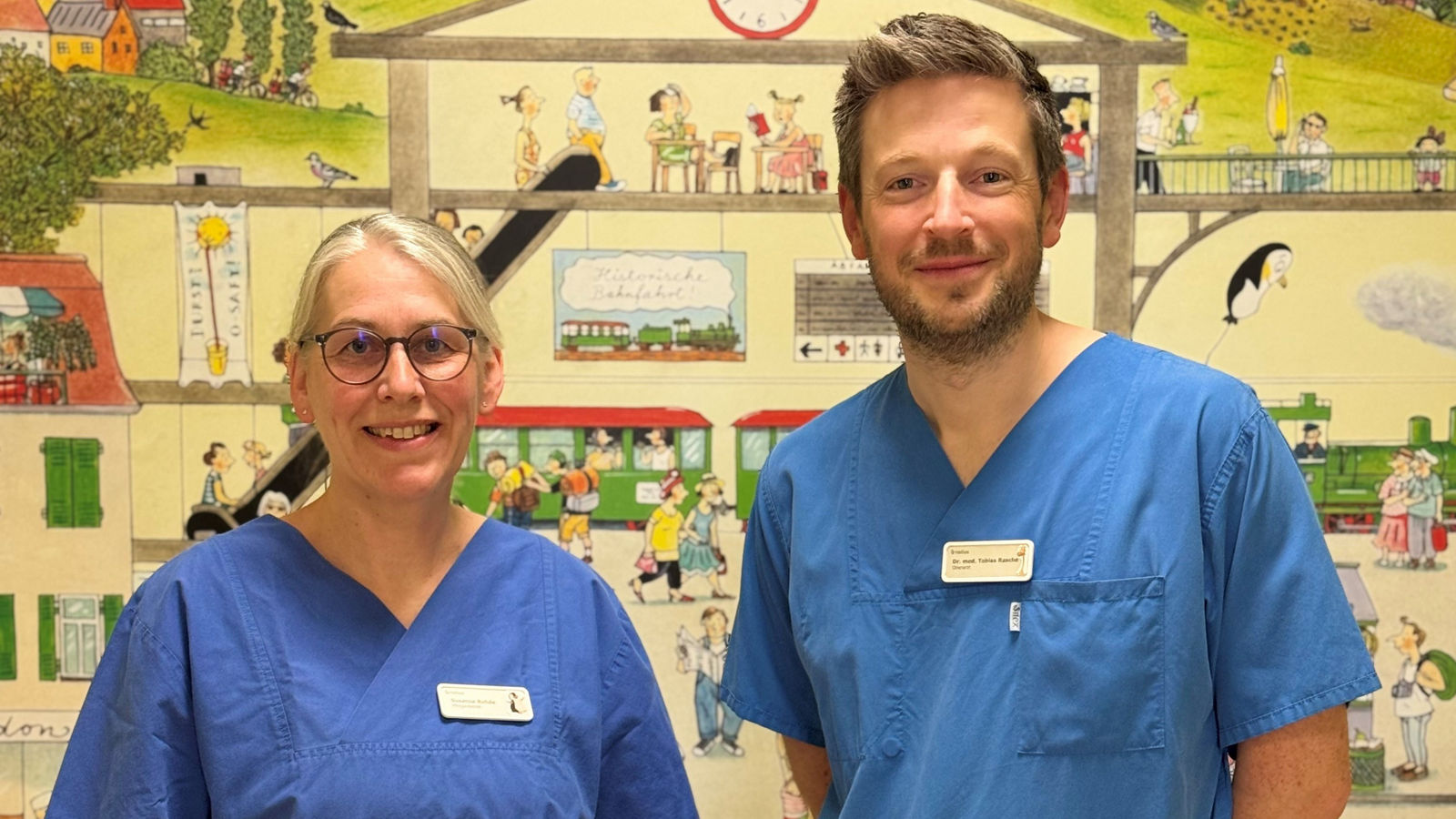
“Especially in children, it is important not only to focus on symptoms but also to consider the entire medical history and understand the child’s environment. We take the time our patients need. Our goal is to provide guidance, deliver effective treatment, and give families the confidence they need to manage their child’s condition. An important aspect is determining whether additional diagnostic investigations are justified and, if so, which ones. This also helps protect children from undergoing unnecessary testing,” explains Dr. Tobias Rasche, Senior Consultant in Pediatric Gastroenterology and Hepatology.
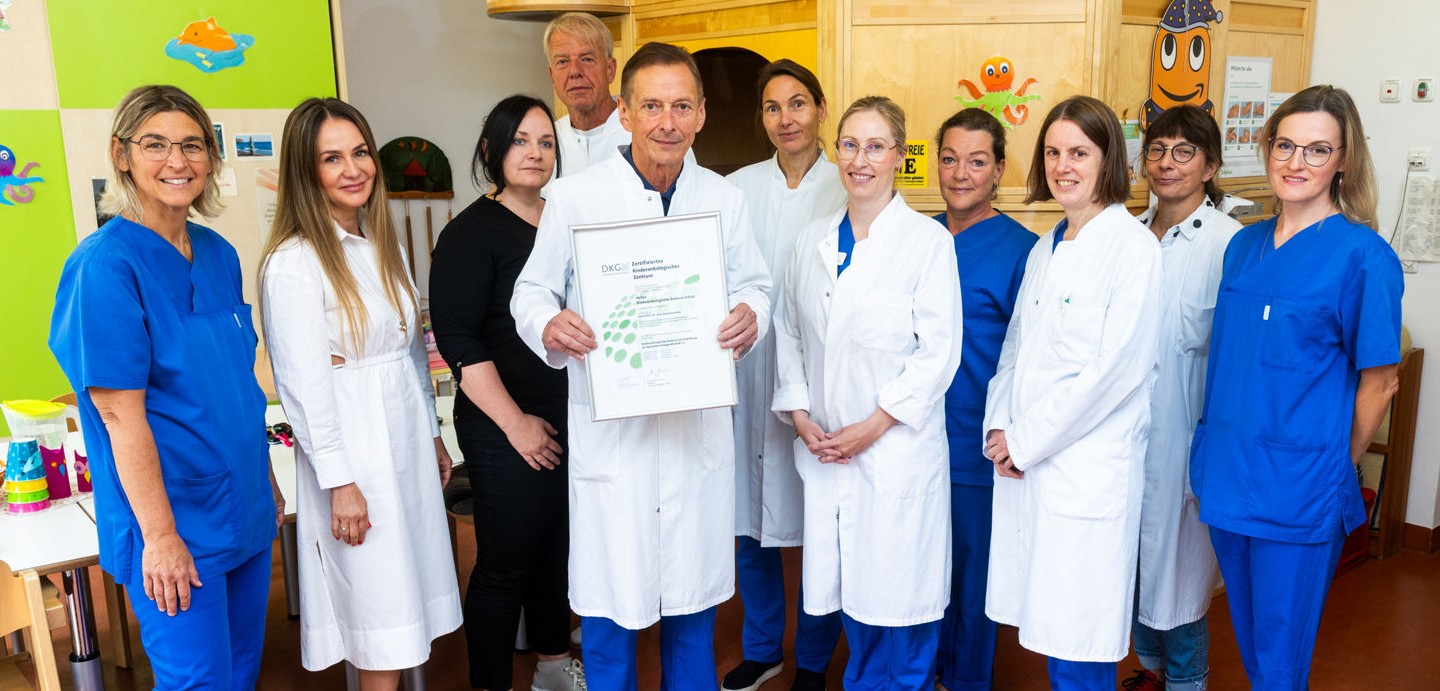
For affected children and their families, this means one thing above all: targeted diagnoses and individualized treatment plans. The department also serves as an important medical resource for the region. A consistently high standard of care is ensured through continuous professional education, close collaboration with community pediatricians, interdisciplinary cooperation among physicians, nurses, nutrition specialists, and psychosocial services, as well as participation in scientific research.
Diagnosis by exclusion
A substantial part of the department’s work involves systematically identifying the underlying causes of symptoms. When laboratory tests (blood and stool analyses) and assessments for lactose and fructose intolerance do not reveal any organic abnormalities, the focus shifts to the treatment of functional abdominal pain, which can present in many different ways in children. Thanks to modern diagnostic techniques, necessary examinations can be carried out in a gentle and child-friendly manner.
“Our goal is to combine sound medical judgment with empathy toward children, adolescents, and their families,” Dr. Rasche continues. For families in the region, this primarily means shorter travel distances and access to high-quality specialized care close to home.
Dr. Rasche emphasizes: “It is very important to me to maintain close communication with community practices, even outside of scheduled consultations. Our colleagues in private practice often know the families better and have followed them for longer periods of time, so we frequently reconnect to discuss the next steps together.”
The close collaboration with community pediatricians ensures that diagnostics and treatment are well coordinated and that children can receive long-term care and follow-up.
“Many families feel reassured when they learn that this specialized service is available close to where they live,” says Dr. Guntram Schwörer, Head of the Children’s Hospital. “We want to build trust and demonstrate that children and their families are in good hands here.”
Read more:
Do you need more information about Helios Hospitals or want to schedule your treatment?