Helios Berlin-Buch: Prodigy with a fighter's heart
However, Selina makes it clear right at the start of our conversation that giving up was never an option for her: "I always believed in my child. And it was worth it. That's why I want to encourage other moms and dads with this article: If you fight for your child, anything is possible."
She lives with her son in Brandenburg, just outside Berlin, and deliberately chose the Helios Hospital Berlin-Buch for Paul's delivery and subsequent treatment: “I feel very safe here and simply in good hands.” Selina already noticed how important it is to have a trusting relationship with the medical staff during her pregnancy. Due to severe bronchitis, she was in a room at Helios Hospital Berlin-Buch at the end of her fifth month of pregnancy. The bronchitis in turn affected her uterus, which had formed a funnel shape. This threatened to open up the cervical os that had been closed after a previous miscarriage. The possible consequence: another miscarriage. "Because I had previous experience, I said I wouldn't move an inch and I would do everything in bed. And then I really did lie in bed from the 20th week of pregnancy until the 27½th week. I've laid in bed from week 20 until week 27½ and said: nobody is going to take my baby," says Selina.
The birth was followed by complications: Paul's difficult start in life
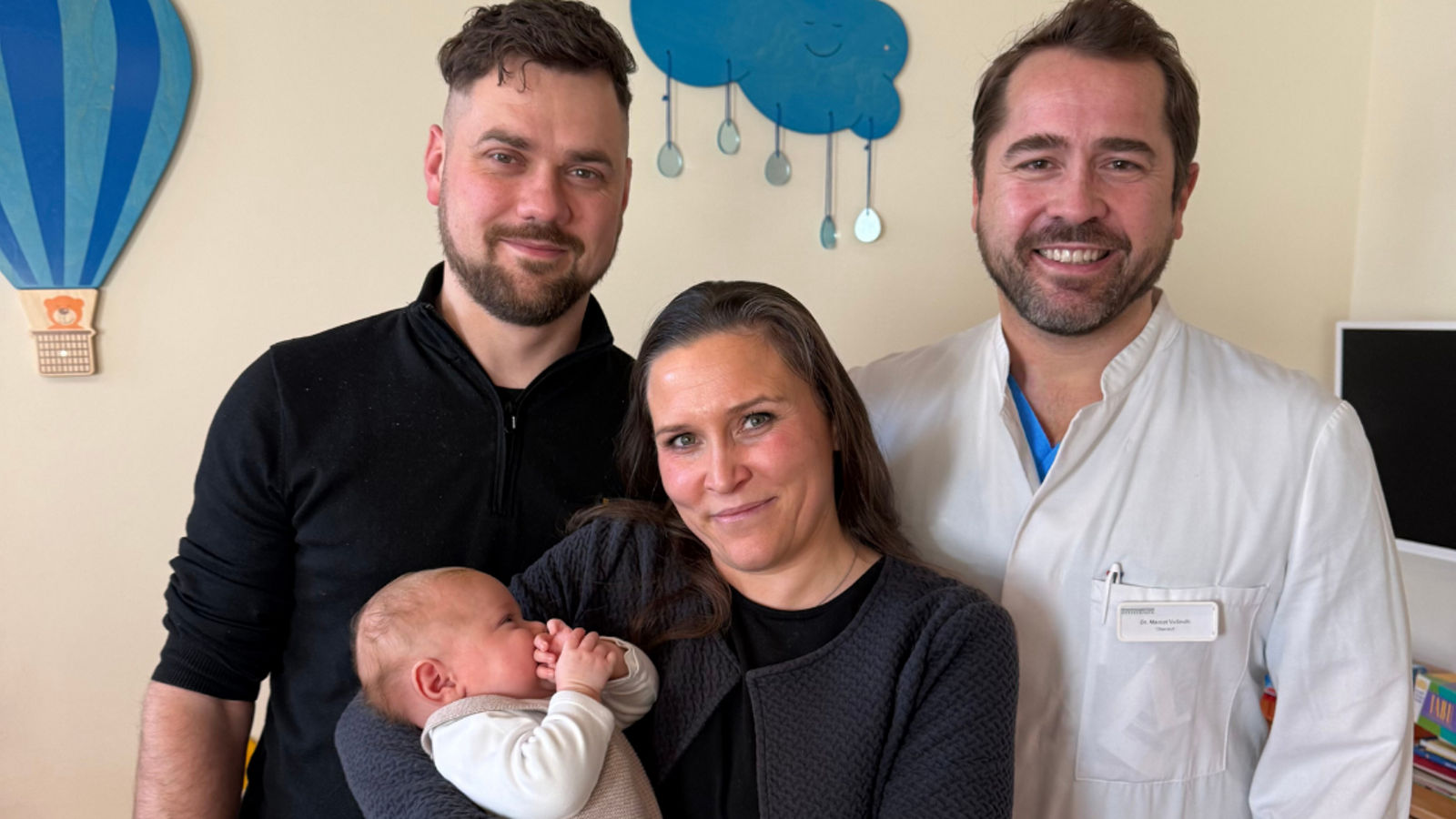
On April 3, 2020, the time had finally come: Paul was born at Helios Hospital Berlin-Buch. As a premature baby, he was transferred directly to the highly specialized neonatal ward. In cooperation with the birth center, the neonatology unit forms the level 1 perinatal center and specializes in the care and medical treatment of premature and sick newborn babies and their parents. The Level 1 designation describes the maximum care competence, even for very small premature babies weighing less than 1,500 grams. Here, Paul was immediately cared for by specially trained doctors, midwives and specially trained nursing staff. Due to breathing difficulties, Paul had to be given additional oxygen just a few hours after birth. After 48 hours, his condition deteriorated and Paul eventually had to be ventilated by machine. A quick ultrasound scan of his head revealed the diagnosis: a 3rd degree cerebral hemorrhage. "His head was full of blood. And there was water in it too,“ Selina recalls and becomes emotional: ”I then had a long conversation with Dr. Harps and a psychologist about Paul's critical condition and the treatment options. If Paul's condition continued to deteriorate, they even discussed the possibility of palliative treatment." Dr. med. Egmont Harps, Senior Consultant in Neonatology, assured the young mother: “This is a fighter who wants to live.” Selina quickly realized: “Paul wants to live and I want him to live.”
"As a result of the hemorrhage, Paul had an enlargement of the inner chambers of the brain, the ventricles. Excess cerebrospinal fluid “inflates” the otherwise narrow inner spaces of the brain and presses on important structures of the brain. The treatment consists of draining the excess cerebrospinal fluid and blood residue, first via a small capsule inserted by the neurosurgeons, through which cerebrospinal fluid can be removed daily, and later via a long thin tube into the abdominal cavity. When Paul was big enough, this VP shunt was inserted - a neurosurgically created connection between the ventricular system of the brain and the abdominal cavity."
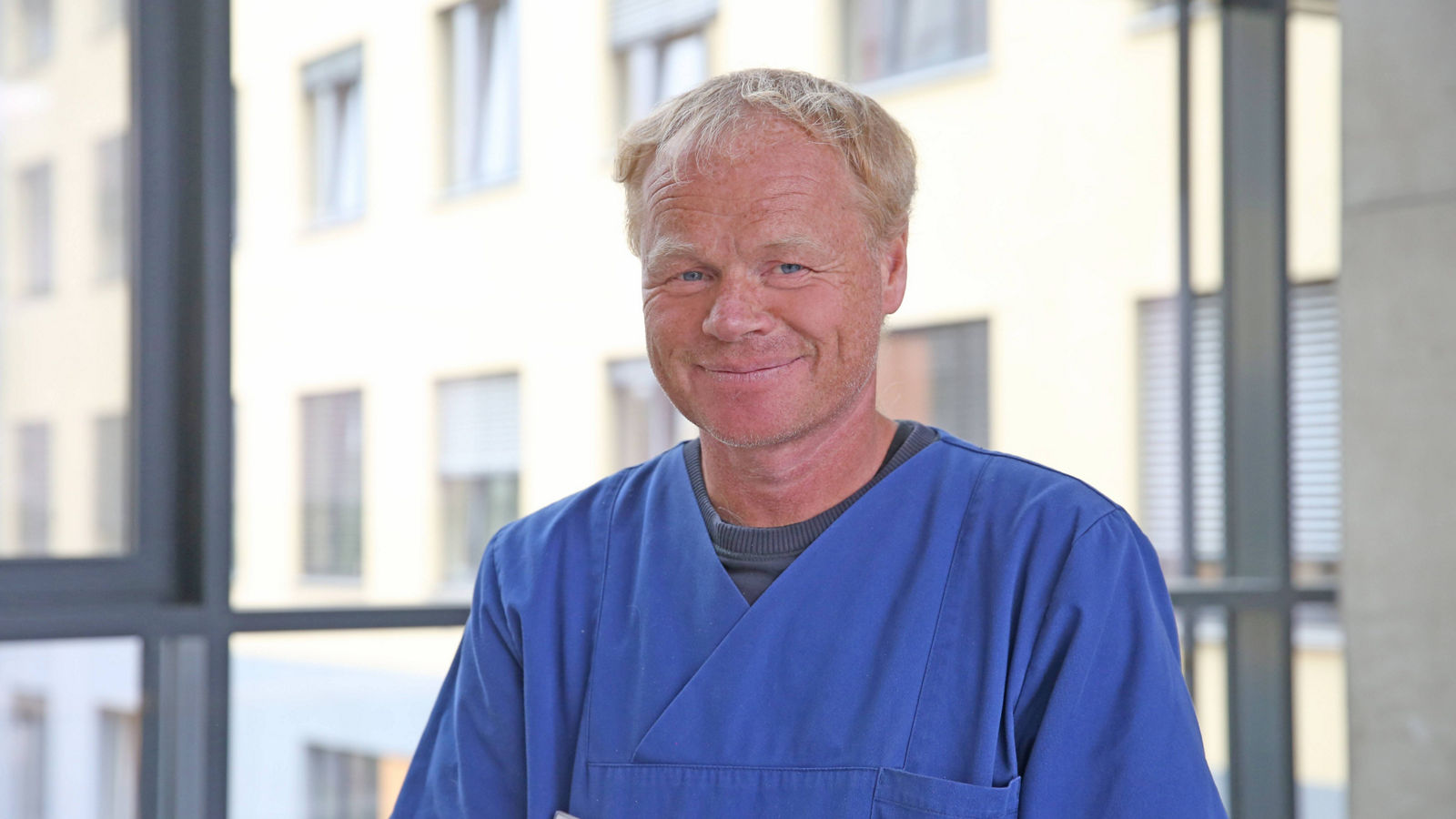
- Dr. Egmont Harps - Senior Consultant in Neonatology/ Specialist in Pediatric and Adolescent Medicine, Neonatology and Pediatric Intensive Care Medicine | Helios Hospital Berlin-Buch
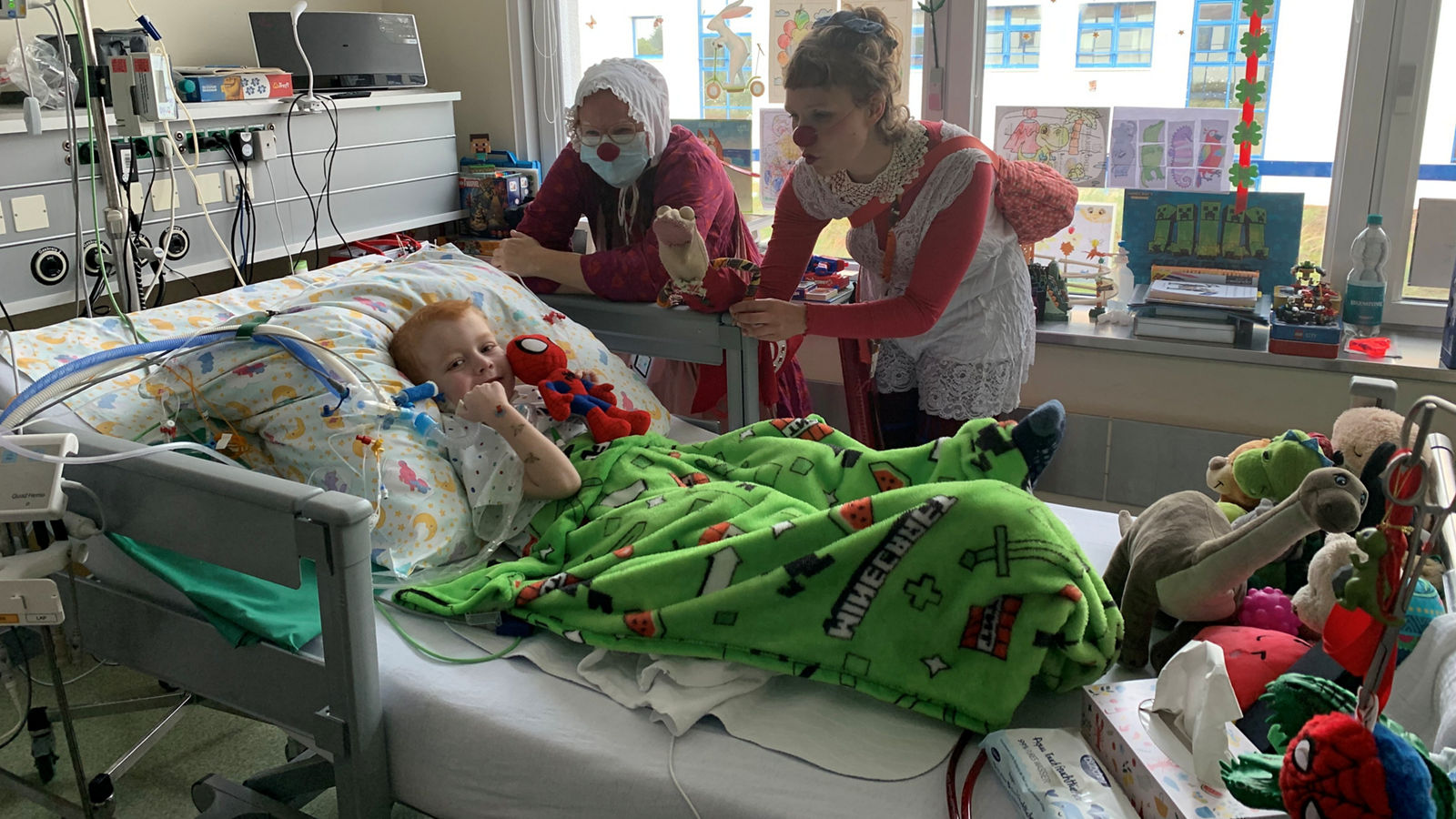
After the successful operations, Paul slowly regained his strength and began to eat. A good sign. "After we had spent three months in neonatology, I then asked if we could go home exactly on my birthday. We were told that if everything went well, we would be allowed to," says Selina.
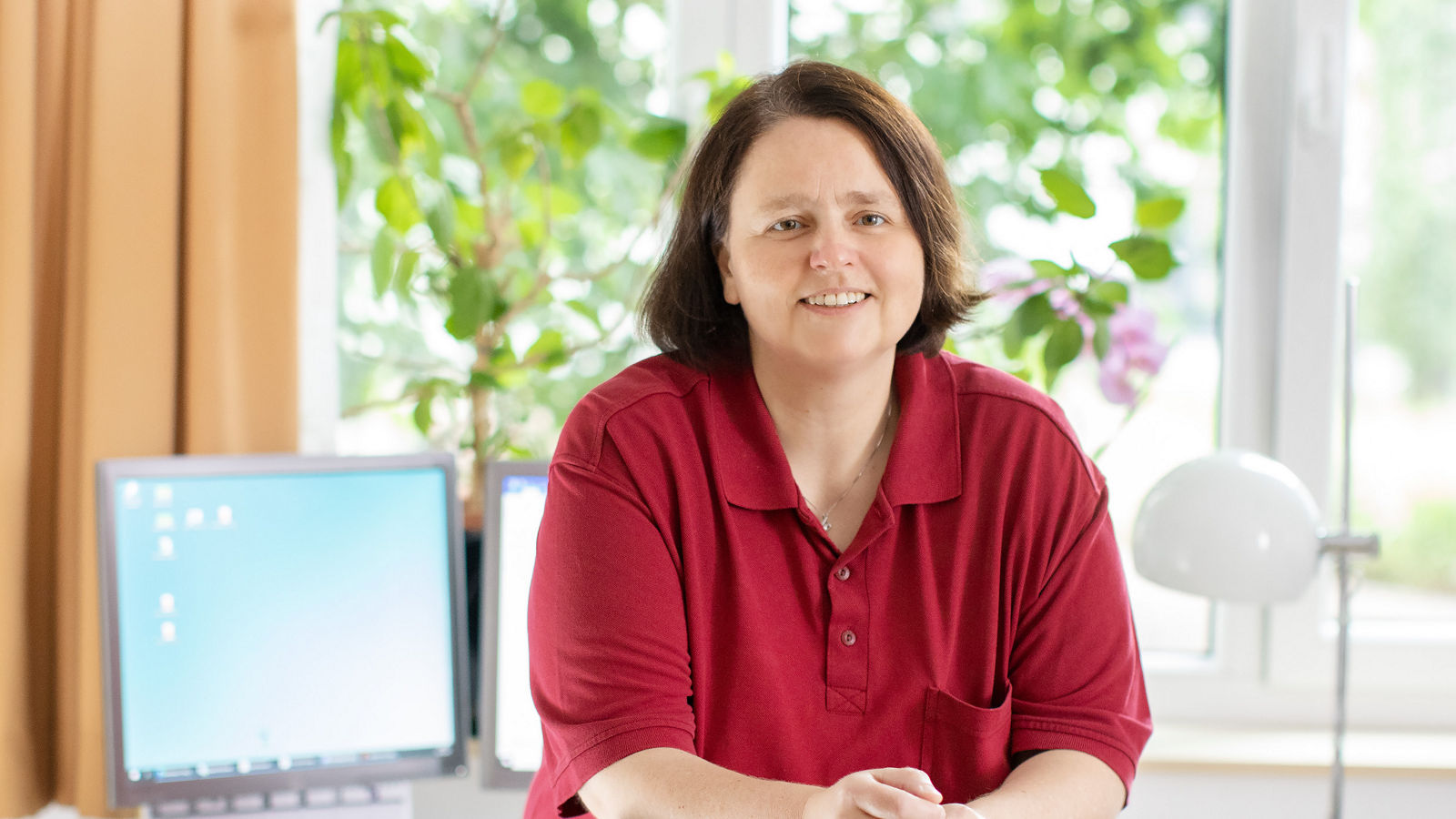
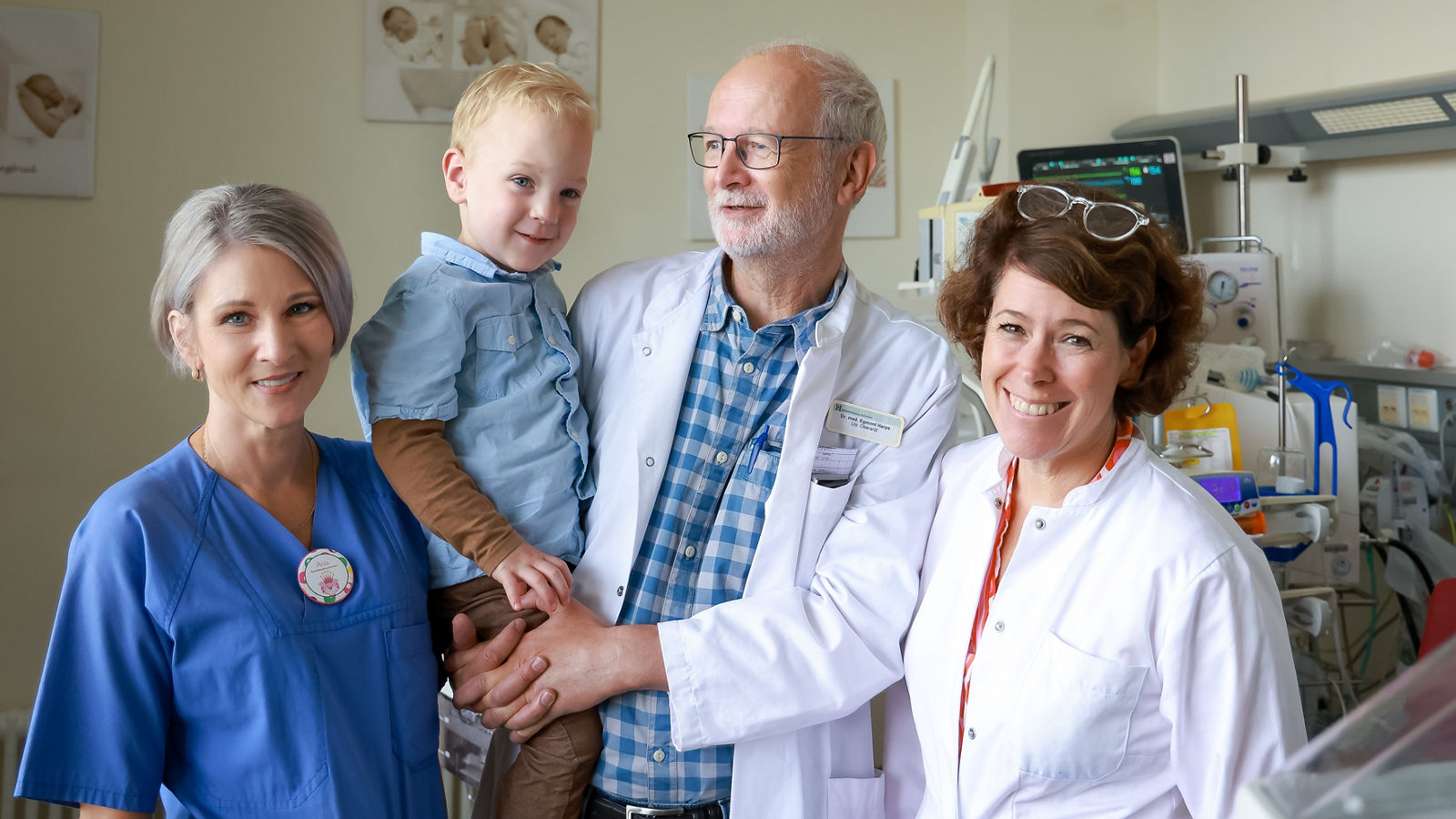
"At our Level 1 Perinatal Centre and Social Paediatric Centre (SPC), we specialize in not only caring for and stabilizing premature babies and sick newborns after birth, but also providing them with optimal care and support after discharge. Despite his difficult start, Paul has developed very well. This is mainly thanks to his fantastic mother, who provided him with the best possible care and support during the critical phases, but also every day in his daily life" – says Dr. med. Sandra Horsch, Senior Physician at the Clinic for Pediatrics and Adolescent Medicine.
In our Level 1 Perinatal Center and Social Pediatric Center (SPZ), we specialize not only in caring for and stabilizing premature and ill newborns after birth, but also in providing them with optimal follow-up care and support after discharge. Despite his difficult start, Paul has developed very well. This is thanks above all to his wonderful mother, who has given him the best possible care and support both during the critical phases and every single day in everyday life.
– Dr. med. Sandra Horsch.
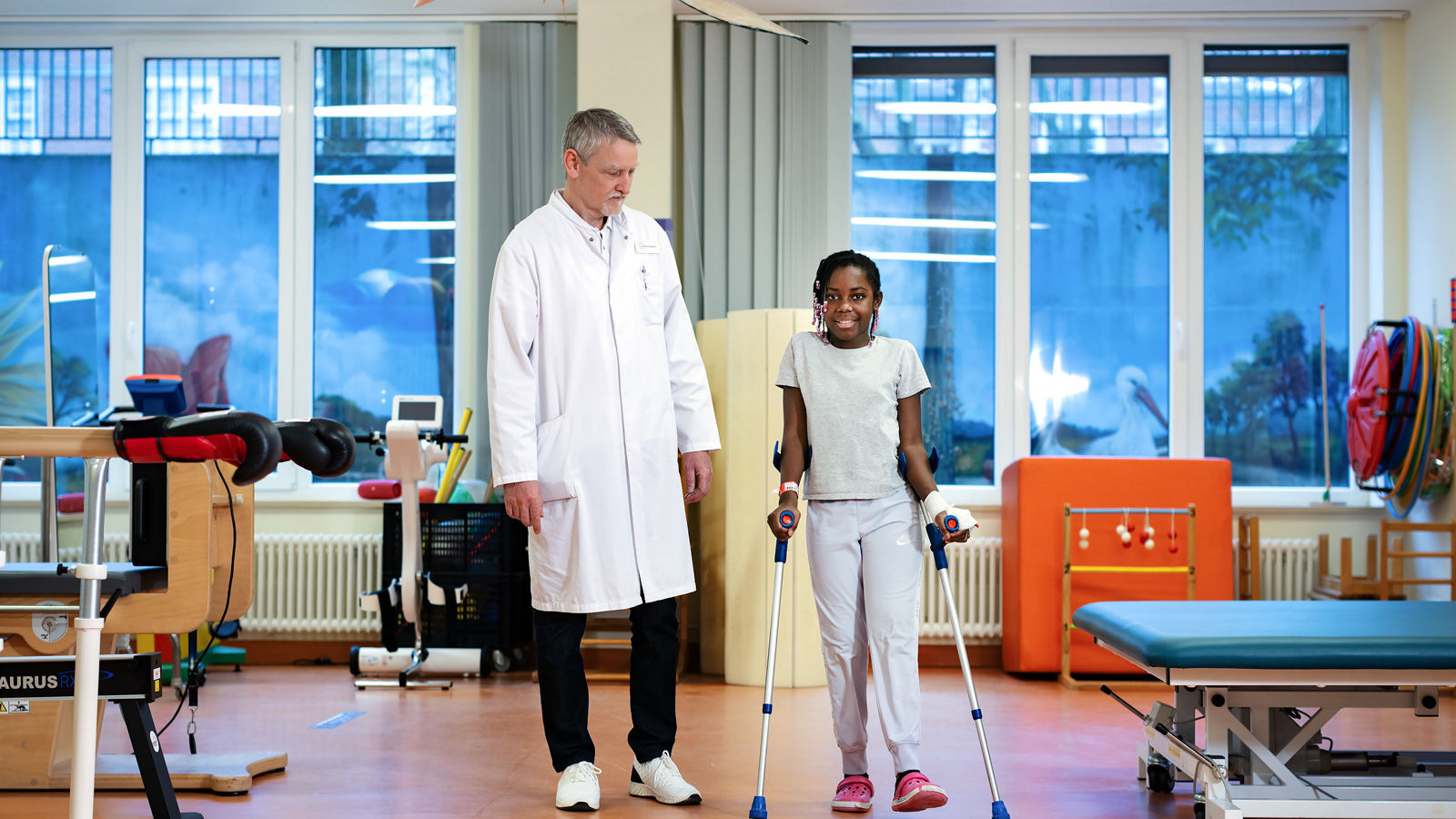
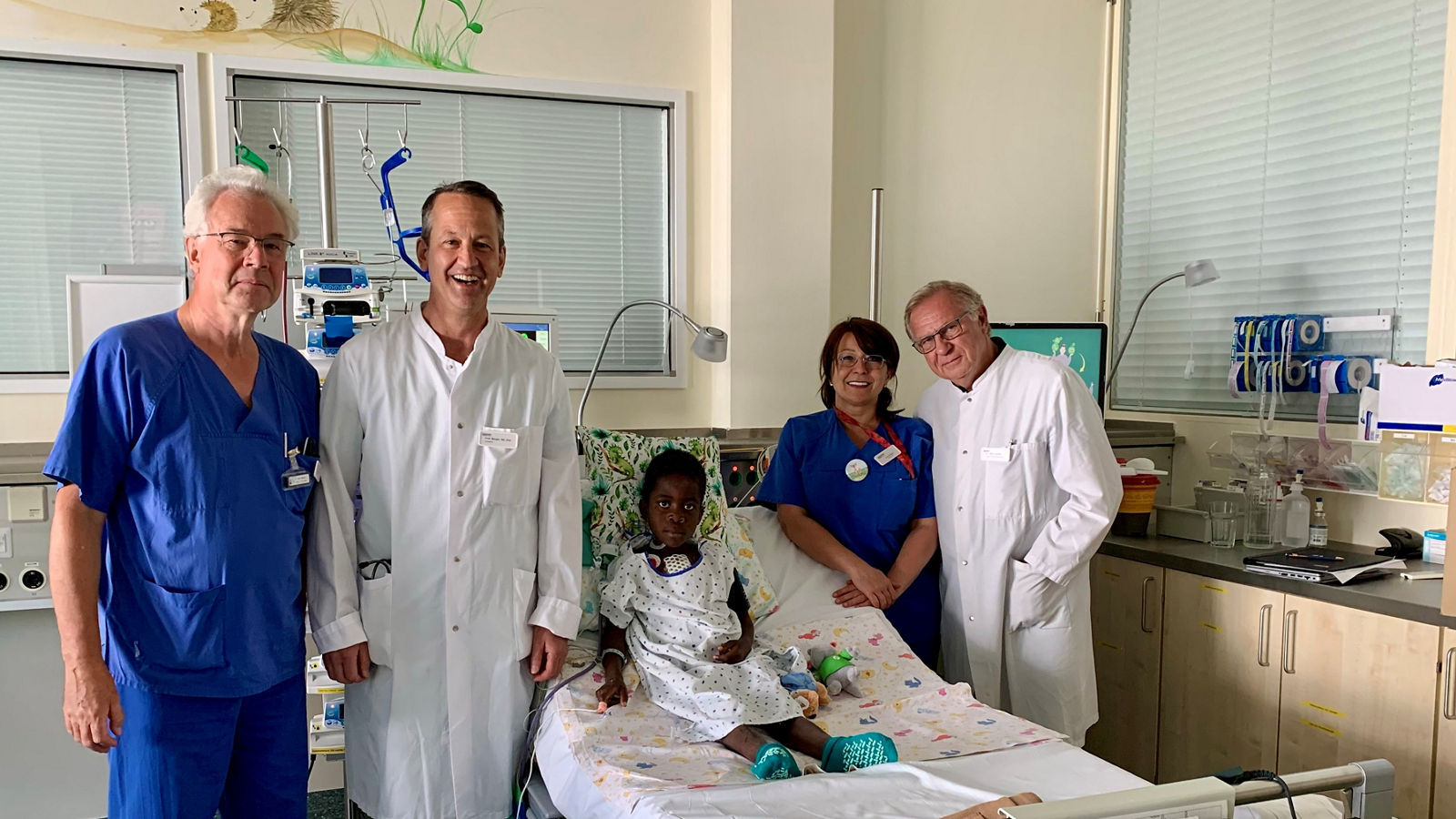
Paul is now four years old and is bright and lively as he goes through life and to nursery - despite some limitations. His motor skills are limited and his coordination is impaired, he has a pointed clubfoot and care level 2, which is why Paul receives occupational and riding therapy and visits the Helios Hospital Berlin-Buch once a week with his mother. After physiotherapy on the children's ward with physiotherapist Ute Haroske, who has looked after Paul from the very beginning and has become an important caregiver for him, he loves to look at the babies in the neonatology ward together with Dr. Harps or Dr. Horsch. His mother says: "I'm very proud every time we come back to the Helios Hospital and Paul walks through the corridors. He has a strong character, so I have to keep up with him. But after what he's already been through in his short life, I take everything as it comes and just enjoy it."
Read more:
Do you need more information about Helios Hospitals or want to schedule your treatment?