Life after sepsis: Pilot project at Helios Hospital Krefeld
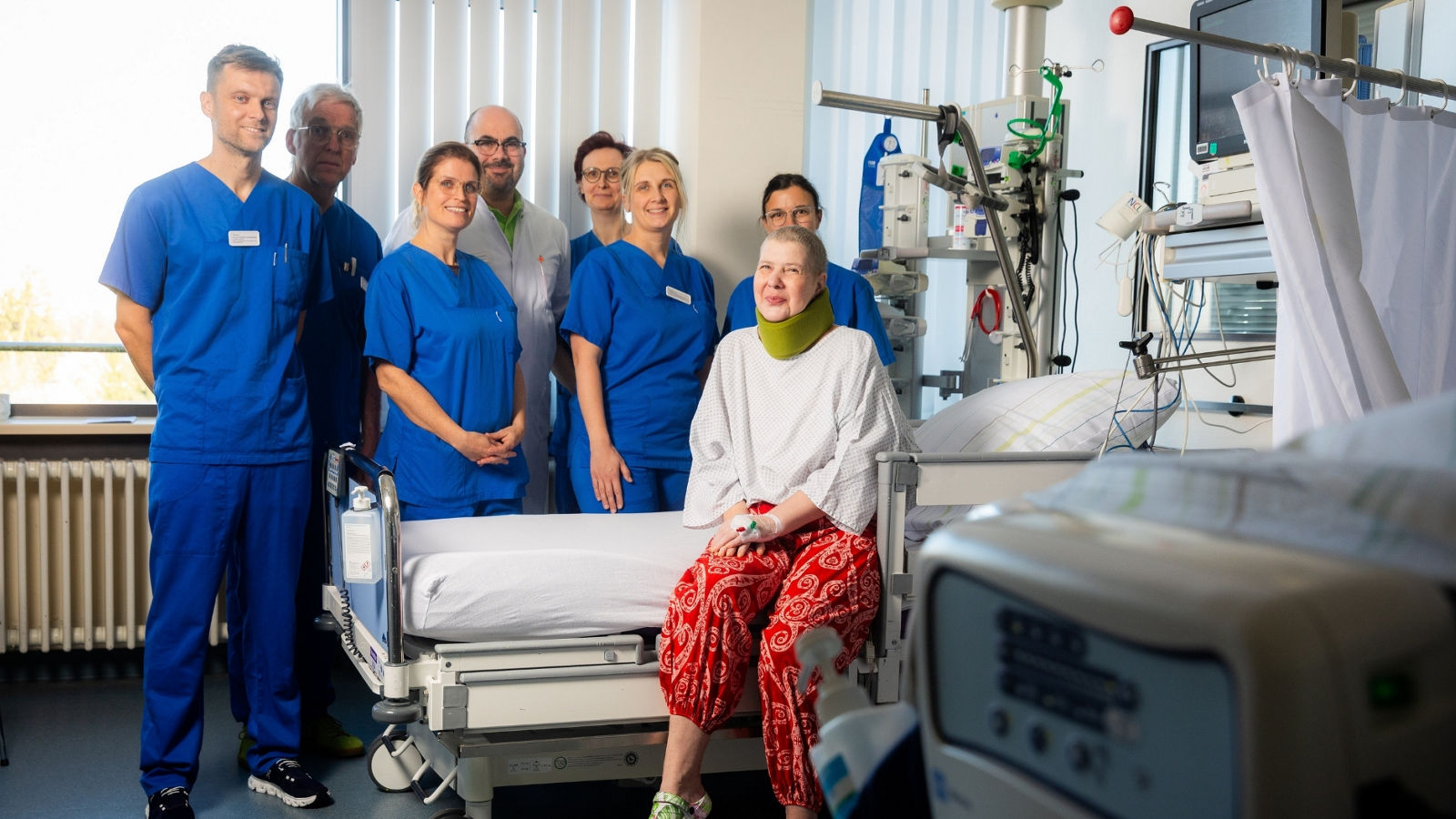
The new Sepsis Care Center at Helios Hospital Krefeld addresses this issue through a comprehensive care concept that systematically identifies affected patients and provides targeted support. This pilot project brings together a broad range of expertise and ensures interdisciplinary follow-up care for sepsis survivors. Continuous outpatient follow-up is provided through the Post-Sepsis Outpatient Clinic.
Sepsis can cause long-term sequelae because the severe inflammatory response leaves tissue damage in multiple organs. This places a considerable burden on affected individuals: current studies show that approximately 42% of sepsis survivors are rehospitalized within three months, while 31% die within the first year. Only around 5% of patients are discharged to a rehabilitation facility.
From acute care to needs-based follow-up care
Given the often severe long-term impairments experienced by patients who survive sepsis, the foundations for recovery must be established at an early stage. For this reason, the structured care pathway begins already in the intensive care unit. Through the Sepsis Care Center, social workers, physiotherapists, nutrition specialists, and psychiatric professionals are involved in patient care from an early stage.
Initial screening for potential physical, cognitive, and psychological sequelae is subsequently carried out on the general ward. Before discharge, patients receive an information package, an application for post-acute rehabilitation treatment, and a follow-up appointment. Approximately eight weeks later, a comprehensive consultation takes place at the Sepsis Care Center, followed by ongoing outpatient support. Through questionnaires and clinical interviews, potential long-term consequences are assessed, vaccination status is reviewed, and additional therapeutic measures are planned where necessary.
The Sepsis Care Center serves as a pilot project for a comprehensive care model aimed at the early detection of long-term sequelae, the prevention of rehospitalization and recurrent sepsis, and the improvement of patients’ quality of life.
“We far too often underestimate how vulnerable sepsis patients are. I was also shocked by the data showing what happens during the three years following hospital discharge. That was reason enough for me to ask more seriously: How are my former patients doing? What can I do for them? It was from these questions that this pilot project here in Krefeld emerged,”
explains Dr. Tobias Plein, Senior Consultant in Conservative Intensive Care Medicine and Coordinator of the new Sepsis Care Center.
Quality assurance at vulnerable care transitions
The Sepsis Nurse serves as the nursing link between the intensive care unit, the general ward, and post-discharge care services. A central component of this role is ensuring quality at vulnerable transition points within the care pathway in order to guarantee safe transfers and optimal continuity of treatment.
The Sepsis Nurse guides patients through the discharge process, regularly accompanies them during ward rounds on the general ward, facilitates a smooth transition into follow-up care, and coordinates outpatient appointments.
“Sepsis is not only an acute threat to life and organ function; it also requires long-term medical care that extends far beyond the scope of conventional inpatient treatment. Achieving this requires pilot projects driven by a clear vision, committed leadership, and strong conviction. Tobias Plein embodies all of these qualities, together with the many supporters of this innovative care concept,” emphasizes Prof. Thomas Haarmeier, Medical Director of Helios Hospital Krefeld, highlighting the importance of the initiative.
Why sepsis is dangerous
Sepsis can affect anyone and, despite advances in modern medicine, remains one of the leading causes of death from infection. Early recognition of sepsis is not always straightforward. Early warning signs may include fever, chills, rapid heart rate, cool skin, low blood pressure, rapid breathing, and a markedly altered general condition. Patients often describe experiencing a feeling of illness unlike anything they have ever felt before.
Sepsis is a life-threatening, uncontrolled response of the body’s immune system to an infection that can spiral out of control within the bloodstream. This process can cause collateral damage to organs that are not directly affected by the original infection. The major danger lies in the development of multiple organ dysfunction involving the kidneys, lungs, heart, liver, and brain. Rapid identification of the underlying source of infection and appropriate source control are essential. Once multiple organ failure develops — that is, impairment of the function of nearly all organs — even modern intensive care medicine reaches its limits.
Sepsis can lead to long-term sequelae because the severe inflammatory response, together with the associated circulatory impairment and oxygen deprivation, can leave lasting tissue damage in multiple organs. Even after the infection has been controlled, damage to the kidneys, lungs, heart, brain, or muscles may persist. In addition, the immune system may remain permanently altered, leading to increased susceptibility to further infections. Other common long-term consequences include fatigue, difficulties with concentration and memory, psychosocial challenges, muscle wasting and weakness, as well as persistent circulatory problems or hypertension. Early, comprehensive follow-up care and rehabilitative interventions improve the chances of reducing these long-term effects.
Read more:
Do you need more information about Helios Hospitals or want to schedule your treatment?