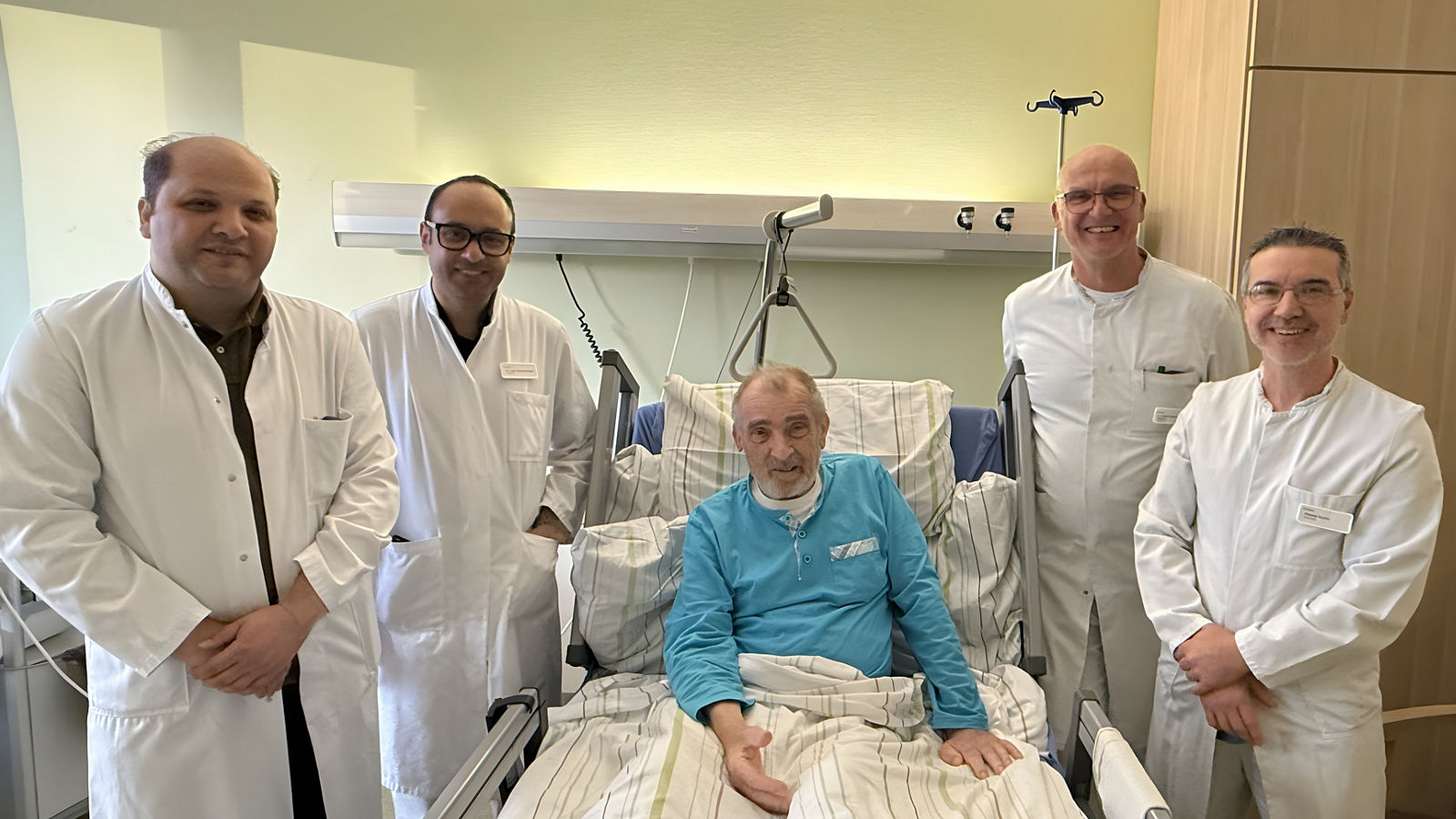
Helios Hildesheim: An 80-centimeter bypass saved the leg from amputation
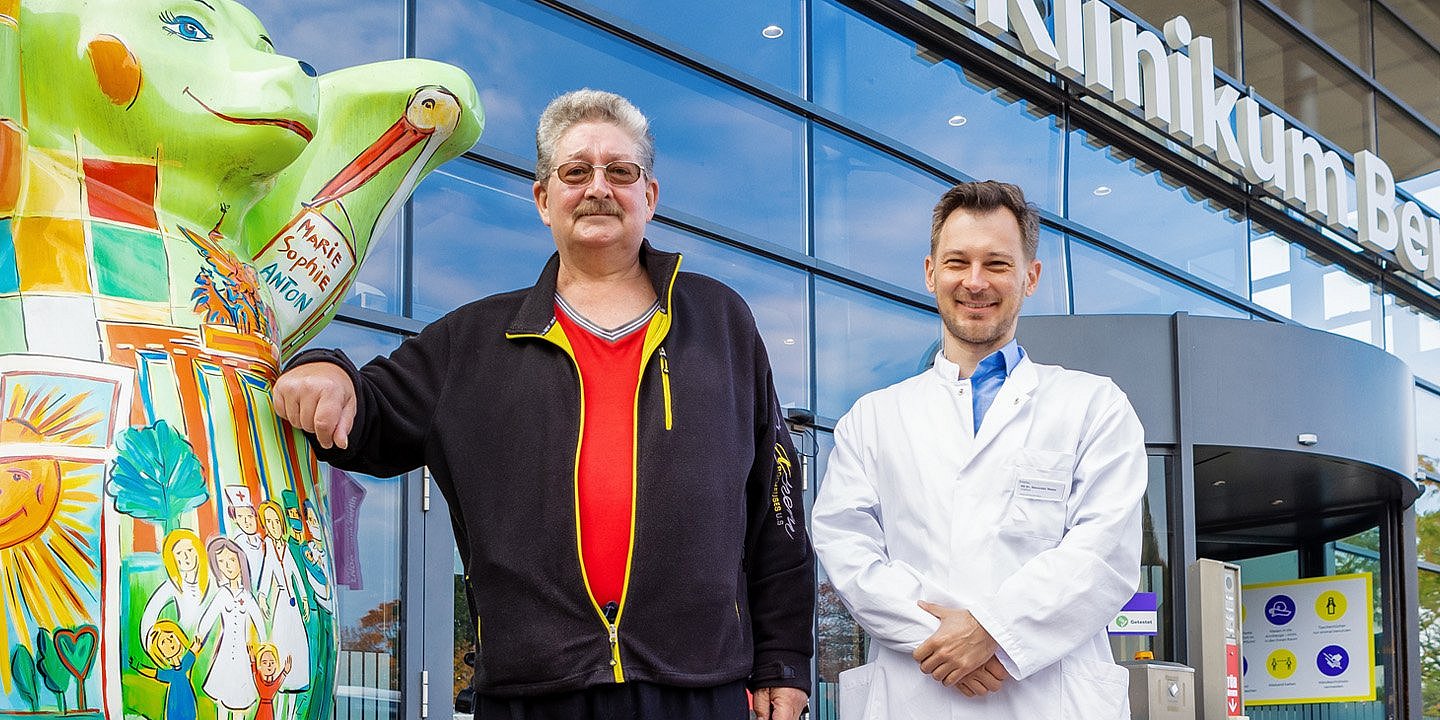
When Friedrich Hill came to Helios Hospital Hildesheim, he did so with great concern. He was suffering from severe peripheral arterial occlusive disease (PAD), a condition in which blood vessels in the legs become so narrowed or blocked by deposits that muscles and skin receive hardly any blood, and the tissue is no longer adequately supplied.
In the 81-year-old patient, the disease had already reached its most advanced stage. Open wounds, severe pain, and necrotic tissue on his foot defined his daily life.
After his initial consultation—during which a major amputation (at the level of the lower or upper leg) had been recommended—the resident of Nordstemmen sought a second opinion. “I didn’t want to come to terms with that fate. I couldn’t believe that was the only option,” the retiree recalls. “I needed another opinion, and here I was given a spark of hope.”
An exceptionally complex starting point
Examination at Helios Hospital Hildesheim revealed just how complex the case was.
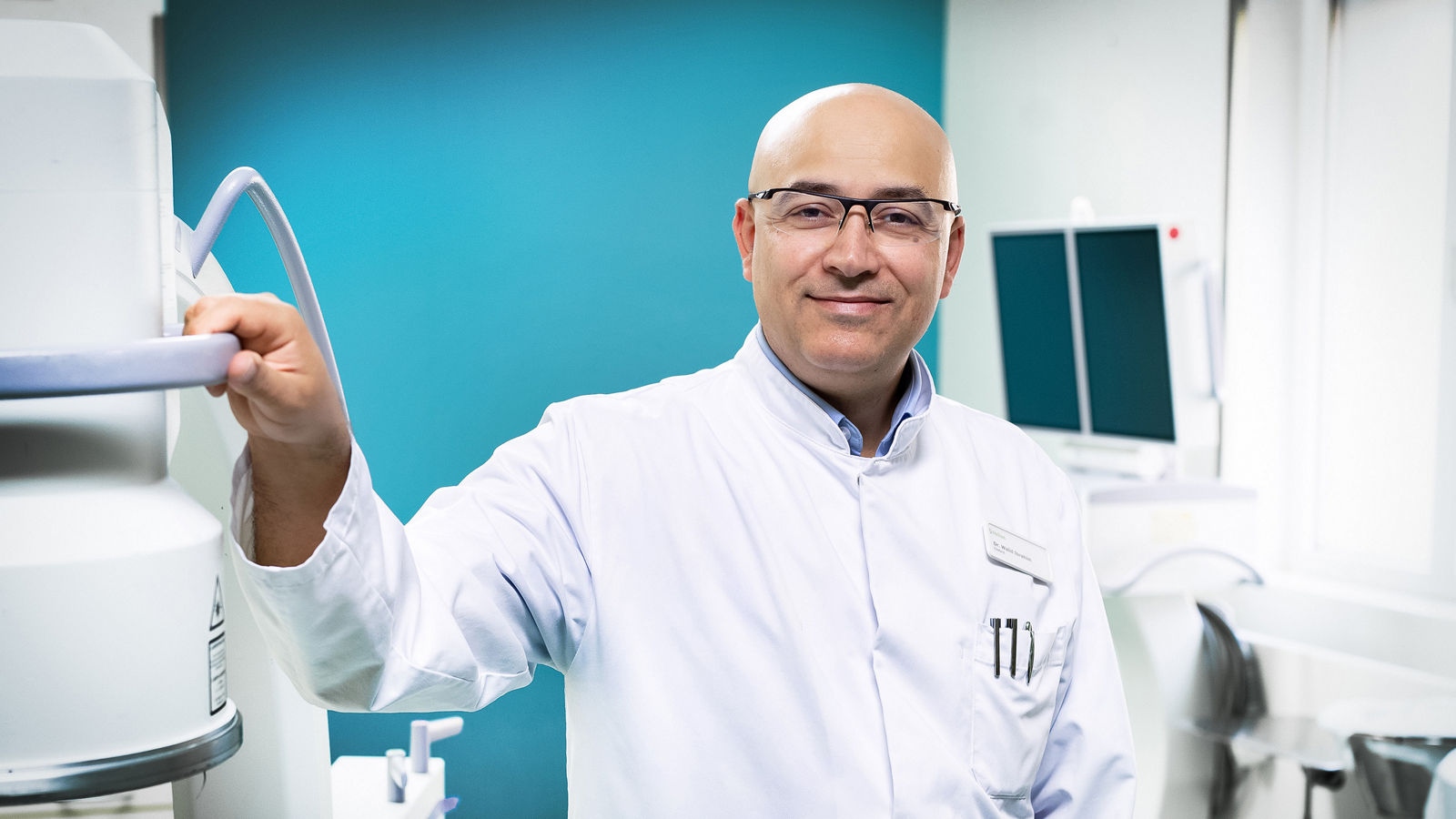
“We saw long-segment occlusions and severely damaged arteries. Only a few vessels were still usable,” explains Dr. Mohamed Essa, Chief Physician of Vascular Surgery. Despite these challenges, the team deliberately decided to attempt limb salvage.
“Mobility means freedom and quality of life,” emphasizes the chief physician. “If we see a realistic chance, we fight for our patients.”
A procedure requiring precision and courage
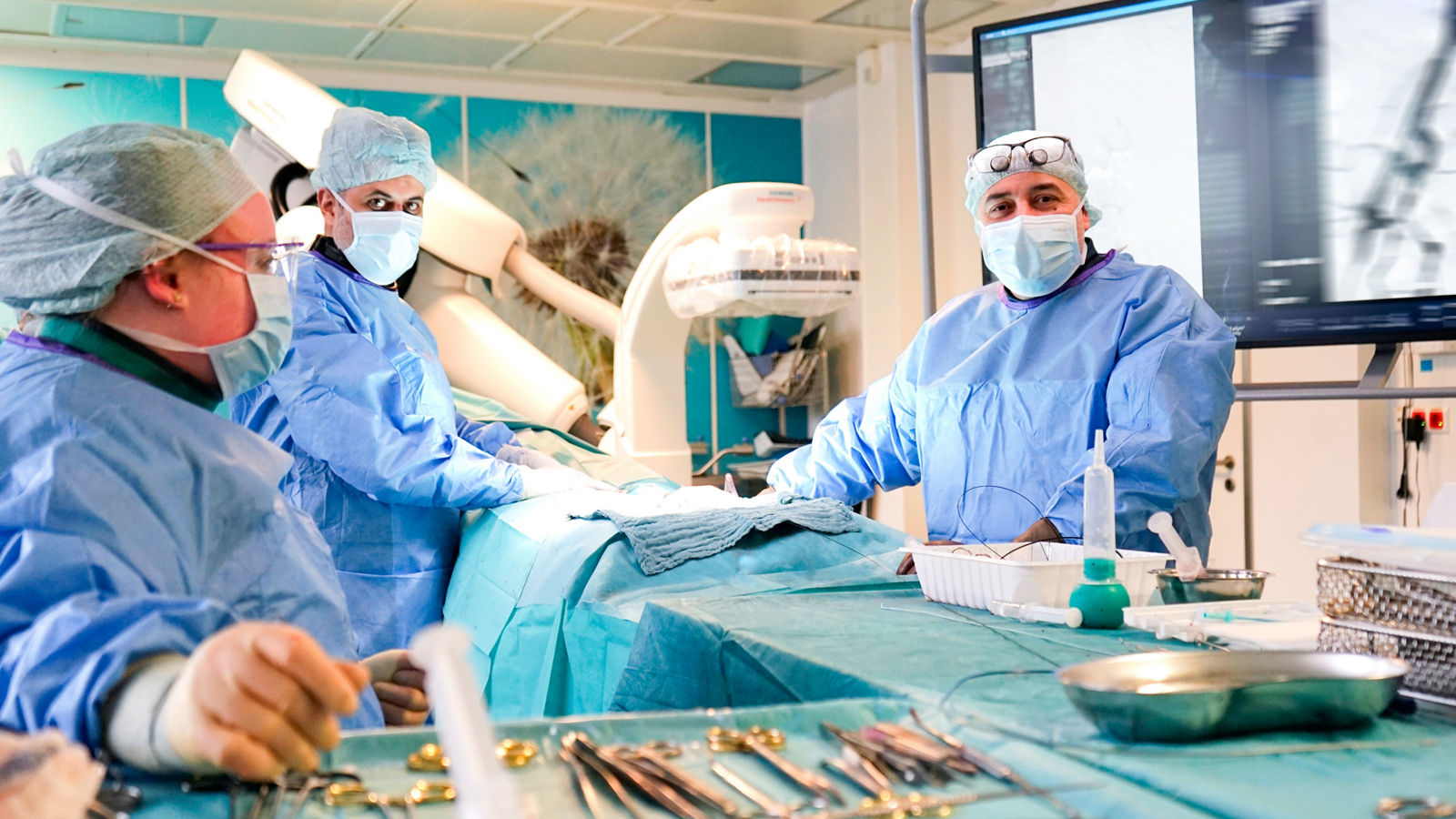
In a complex, hours-long operation, the team created a highly specialized composite bypass—a kind of custom-made detour for the blood, formed by combining two different vascular materials. In this case, the team used a biological vascular graft made from bovine carotid artery along with the patient’s own vein. Together, they created an approximately 80-centimeter-long bypass designed to restore blood flow to the lower leg and foot despite the severely damaged arteries.
At the same time, four toes were amputated to remove infected and necrotic tissue. “That was necessary to allow wound healing at all,” explains Dr. Essa. “I knew there was a risk,” Hill recalls. “But just hearing that they would try to save my leg gave me courage. I trusted the team.”
A result that brings hope
After surgery, it quickly became clear that the procedure had been a complete success. Blood circulation improved significantly, the wounds began to heal, and the originally recommended amputation became unnecessary.
“The moment we saw that the leg was once again well supplied with blood was special for the entire team. This case impressively demonstrates what modern vascular surgery can achieve today,” says the vascular surgeon.
For the retiree, the outcome is beyond words: “Not only was my leg saved—my life was given back to me. I never thought something like this would be possible.”
An important advancement for the region
According to current information, this was the first procedure of its kind in Hildesheim and the entire region in which such a long bovine carotid–vein composite bypass was successfully used for limb preservation.
“This case shows how important it is to apply modern techniques to preserve limbs even in very challenging situations,” says Dr. Mohamed Essa. “It is the result of strong teamwork—from surgery and anesthesia to nursing staff and many other contributors.”
Read more:
Do you need more information about Helios Hospitals or want to schedule your treatment?