Return to independent breathing: the success of the “Lebensluft” program
Patients requiring long-term mechanical ventilation who participate in the “Lebensluft” program have a significantly better chance of returning to life without ventilatory support than comparable patients receiving standard care. Nearly 60% of participants were successfully weaned from mechanical ventilation within one year, while 46% were able to remain permanently free from ventilation. These findings come from a recent scientific evaluation of the program, which Helios Hospital Krefeld and the statutory health insurer AOK Rheinland/Hamburg jointly launched ten years ago.
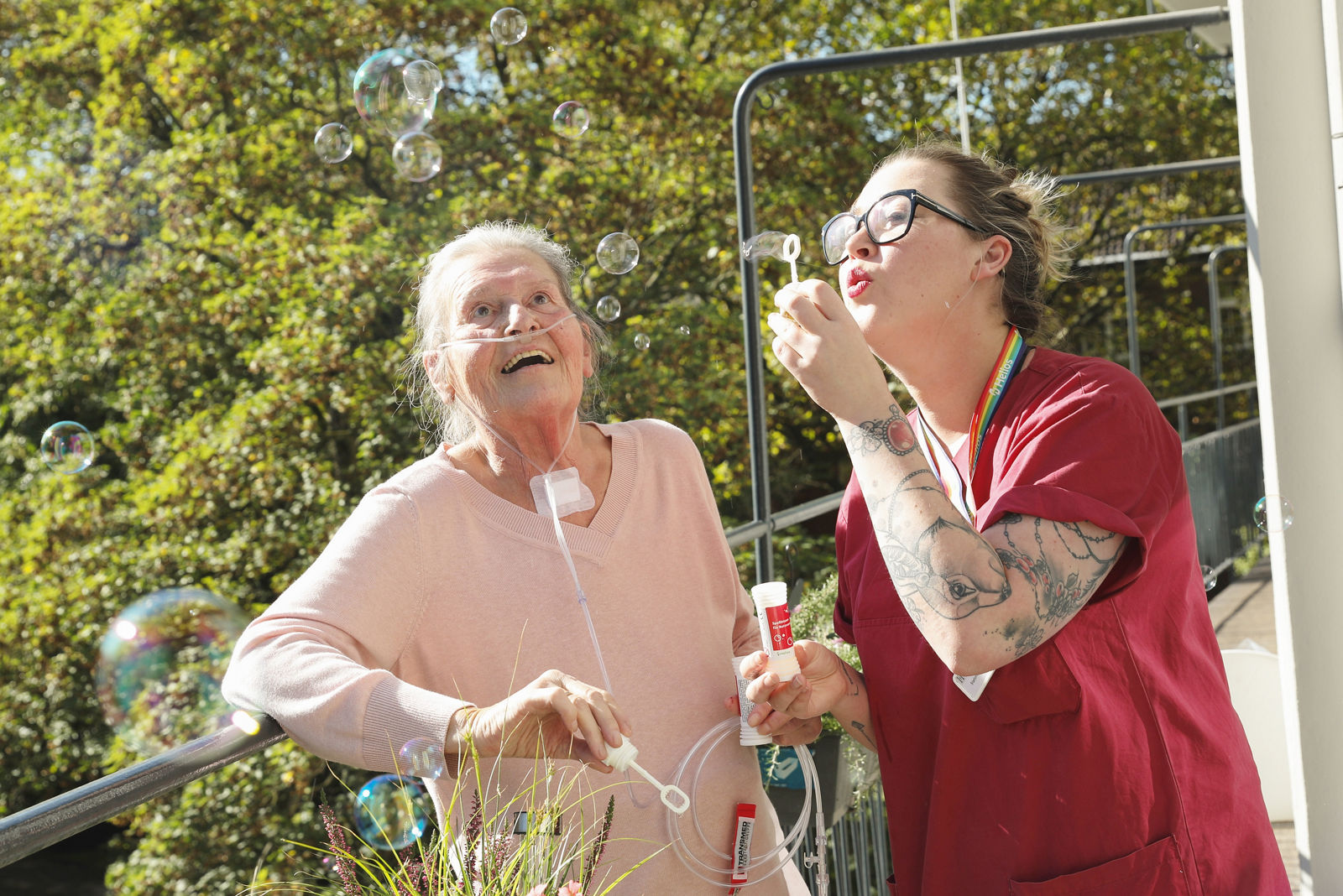
“Lebensluft” is designed for people who remain dependent on mechanical ventilation after a serious illness but have the potential to be weaned from ventilatory support. The interdisciplinary care model combines medical, nursing, and therapeutic services in an environment specifically tailored to the needs of these patients. The goal is to gradually wean patients from mechanical ventilation, strengthen their independence, and help them return to as self-determined a life as possible.
The scientific evaluation analyzed outcomes for 385 patients treated at the “Lebensluft” sites in Krefeld and Wuppertal between 2016 and 2024. The results showed a clear advantage over standard inpatient care: 59.6% of patients were successfully weaned from mechanical ventilation within one year, compared with only 24.6% in the control group. In addition, 46.2% of participants were able to remain permanently free from mechanical ventilation, compared with just 4.2% in the control group.
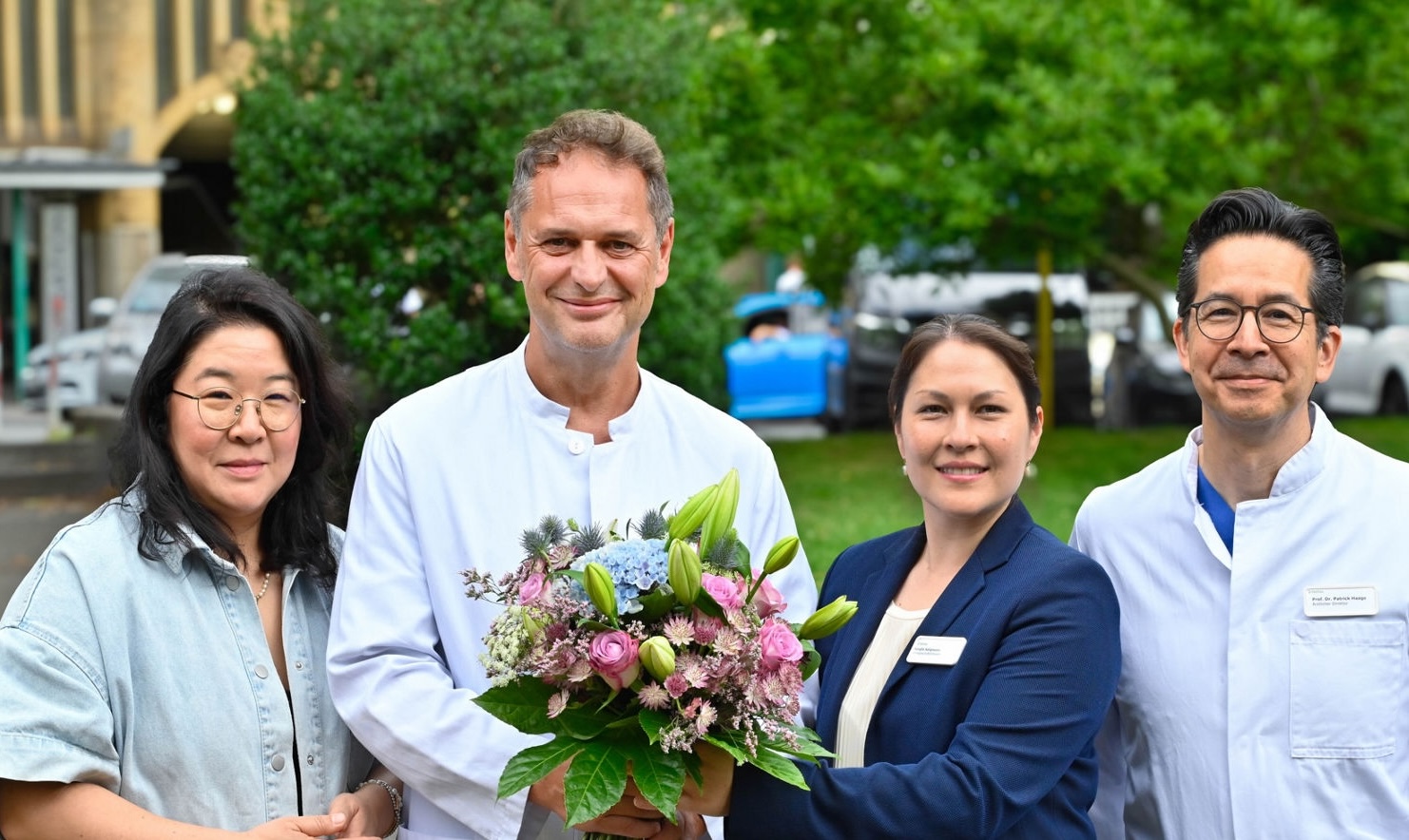
“People who require long-term mechanical ventilation face significant limitations in their daily lives. That is why successful weaning means much more than simply coming off mechanical ventilation: it offers patients the chance to regain a sense of normality, independence, and participation in everyday life. Such outcomes are made possible by an interdisciplinary team that provides individualized support, combined with many years of experience, time, perseverance, and mutual trust. This is precisely why developing new approaches to care is so important — they can make a lasting difference in patients’ lives.” – Mathias Lehmann, Chief Physician of the Department of Pulmonology, Sleep and Respiratory Medicine at the Lung Center.
The scientific evaluation was conducted under the leadership of Prof. Wolfgang Greiner, Chair of Health Economics and Health Care Management at Bielefeld University and Chairman of the FinanzKommission Gesundheit. “From a scientific perspective, the evaluation provides clear evidence that the goals of ‘Lebensluft’ have been achieved. It is a care model with measurable potential for patients, healthcare providers, and payers,” says Prof. Greiner.
“An innovative idea that we developed together with Helios Hospital Krefeld ten years ago has evolved into a successful care model whose benefits are now supported by scientific evidence,” says Matthias Mohrmann, Deputy Chairman of the Executive Board of AOK Rheinland/Hamburg. “Patients have a significantly better chance of breathing independently again and, with it, regaining their independence and quality of life. This demonstrates that better care and greater cost-effectiveness do not have to be mutually exclusive.”
The “Lebensluft” program was developed in 2016 by AOK Rheinland/Hamburg in collaboration with Helios Hospital Krefeld. Following the opening of the first “Lebensluft” unit in Krefeld, Helios University Hospital Wuppertal joined the program three years later, followed in 2025 by Asklepios Klinik Harburg in Hamburg and Cellitinnen-Severinsklösterchen in Cologne.
“Lebensluft” is designed for patients who require invasive mechanical ventilation or have a tracheostomy following a serious illness or accident but still have the potential to be weaned from respiratory support. Under a selective care contract, “Lebensluft” provides an interdisciplinary weaning program that combines medical, nursing, therapeutic, and psychosocial care. Its goal is to help patients achieve the greatest possible independence and quality of life.
Read more:
Do you need more information about Helios Hospitals or want to schedule your treatment?